Origins and development
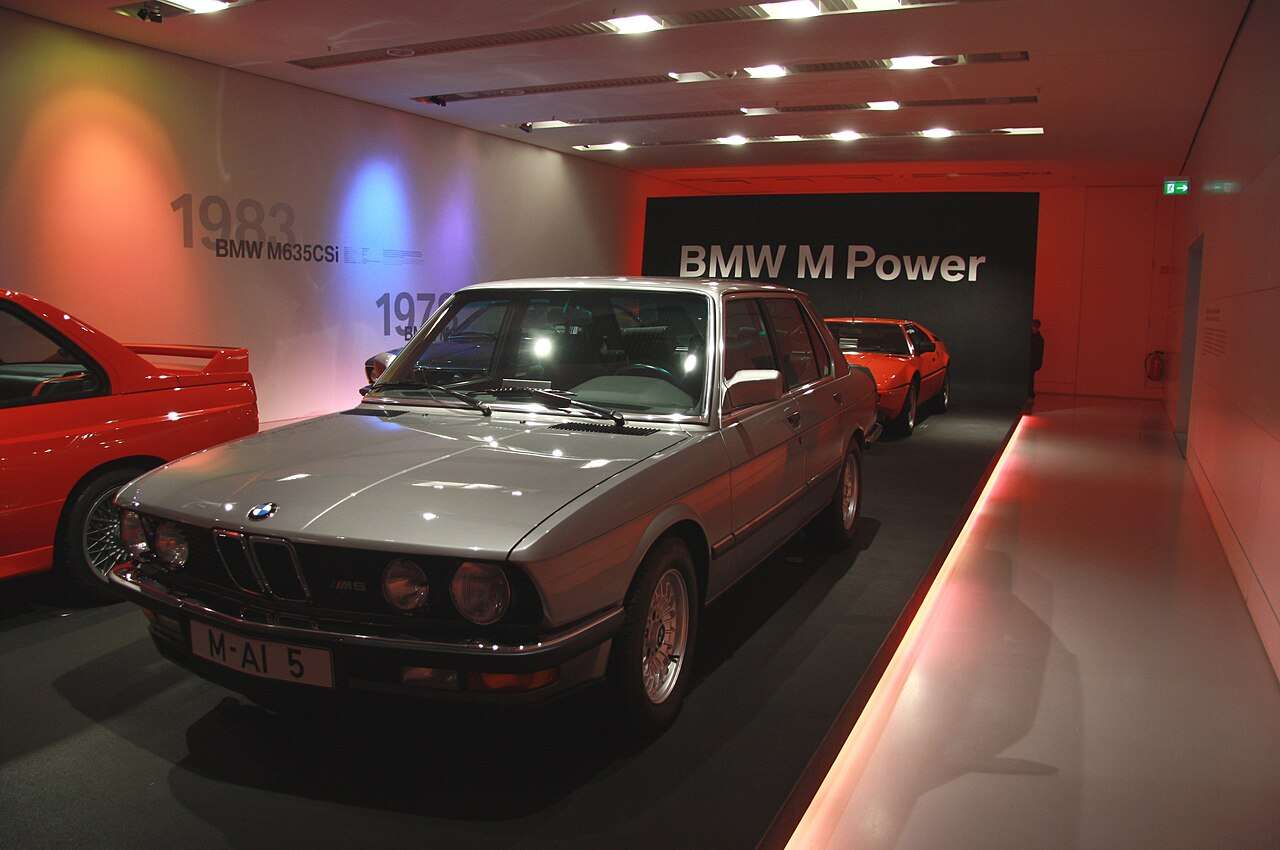
The M5 developed the idea established by the E12 M535i but substituted the multi-valve engine derived from the M1. Cars were assembled largely by hand at BMW Motorsport, first in Preussenstrasse and later Garching. To most observers it resembled a well-equipped 5 Series, a deliberate contrast with its ability to exceed 150mph in European form.

Engineering and driving character
European cars used the 3,453cc M88/3 with 286hp, individual throttle bodies and a close-ratio five-speed manual gearbox. A limited-slip differential, revised springs and dampers, larger anti-roll bars and more powerful brakes completed the package. North American cars used the related 256hp S38B35 with emissions controls. The chassis retained the E28’s communicative steering and relatively compact dimensions.
Love cars you don’t see every day?
Get forgotten cars, surprising motoring stories and the most interesting finds from Unusual Cars by email.
Free to join. No spam. Unsubscribe whenever you like. See our privacy policy.
Versions and model evolution
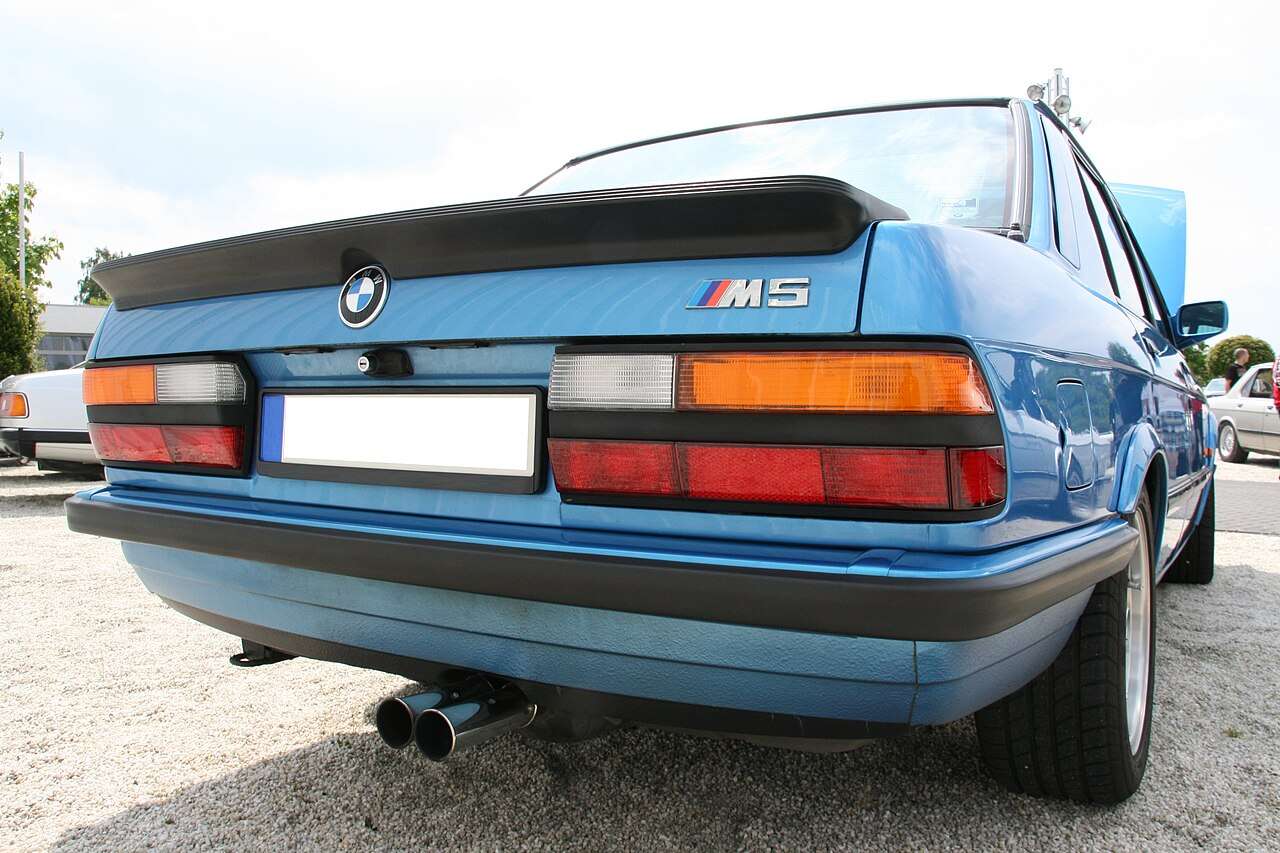
Exterior specification varied by market. Many European cars were extremely discreet; North American examples commonly received larger federal bumpers and more equipment. Right-hand-drive production for Britain was limited, and South African cars were assembled locally with distinctive interior details. The absence of a single visual template makes records and chassis data particularly important.

Why it matters
The E28 M5 created a category: a practical executive saloon with an engine and chassis developed by a motorsport division. Every later M5 became faster and more sophisticated, but the first retains a special clarity—high-revving naturally aspirated power, manual control and minimal visual theatre.
Identity, originality and surviving cars
A genuine M5 should be verified through its VIN and BMW build record. Many components are expensive and model-specific, especially the cylinder head, induction, gearbox, differential, brakes and interior. A tidy appearance cannot substitute for evidence of correct maintenance and documented engine work.
Key specifications
| Production | 1985–1988; 2,241 cars |
|---|---|
| Engine | 3,453cc M88/3 or S38B35 straight-six |
| Power | 286hp Europe; 256hp North America |
| Layout | Front-engine, rear-wheel drive; five-speed manual |
| Character | Largely hand-built, discreet four-door body |
Frequently asked questions
How many E28 M5s were built?
BMW M records 2,241 cars worldwide, with specification divided between European M88 and emissions-controlled S38 markets.
Is the E28 M5 hand-built?
It was assembled largely by hand by BMW Motorsport rather than on a conventional high-volume line, although the exact process changed as production moved.
What is the difference between M88 and S38 engines?
Both are related 24-valve straight-sixes. The M88/3 served Europe; the S38B35 added emissions equipment and detail changes for markets such as North America.
Was the E28 M5 the first fast BMW saloon?
No—the E12 M535i and specialist conversions came earlier—but it was the first M5 and the clearest foundation for the modern super-saloon.
Research note: BMW M M5 generation history and BMW Group Classic E28 records. Specifications can vary by market and model year; where production totals differ between sources, the article uses BMW’s published figure or states the uncertainty.