The first Cayman makes a persuasive used sports-car purchase, but the cheapest advert is not the complete cost of ownership. Engine generation, cylinder condition, transmission, cooling hardware and accumulated chassis work can all outweigh an apparently attractive asking price. This guide covers the 987 family, including the earlier 2.7/3.4 and later 2.9/3.4 cars. It separates workshop evidence from internet reassurance and explains what to commission before buying.
Our buying verdict
For a road car, we would shortlist a well-maintained 987.2 2.9 for its later engine architecture, while judging its condition as carefully as any other Cayman. An earlier 2.7 or S can still make sense with a convincing specialist inspection and a budget appropriate to the remaining engine risk. Do not buy an S simply because its performance-per-pound looks attractive; require engine-specific evidence and price the whole car.

987.1 versus 987.2: the distinction that changes the inspection
The first-generation Cayman includes two important engine eras. Earlier 987.1 cars use the M97-family architecture. Later 987.2 cars move to the MA1/9A1 family. LN Engineering’s technical material explains that the later architecture eliminates the intermediate shaft, while the base 987.2 retains port fuel injection. It is therefore wrong to describe every later Cayman as direct injected.
| Version | Key buying distinction |
|---|---|
| 987.1 2.7 | Earlier engine architecture. Smaller displacement does not remove the need for oil, cooling, leak and mechanical checks. Verify the actual engine and history. |
| 987.1 3.4 S | Pay particular attention to cylinder-condition evidence, as specialist repair experience identifies the M97.21/M97.22 among the engines associated with bore-scoring work. |
| 987.2 2.9 | Later MA1/9A1 architecture without the earlier intermediate shaft. Port injection rather than the S’s direct-injection arrangement; still inspect the whole engine and car. |
| 987.2 3.4 S | Later architecture and direct injection. Improved design does not establish immunity from cylinder wear, fuel-system issues or age-related faults. |
| Manual / Tiptronic / PDK | Different transmissions and servicing requirements. Identify the actual unit and assess cold/hot behaviour; PDK is not simply another name for Tiptronic. |
| Cayman R / special editions | Authenticate factory specification and options. Collectable asking prices should be compared separately from ordinary base/S cars. |
Options are valuable only when they suit you and work
Check the actual seats, suspension, sports exhaust, climate system, audio and wheel specification against build records. Adaptive suspension, special seats and uncommon brake options can change replacement costs. A bucket seat may be desirable to one buyer and impractical to another. Test access, visibility, cabin fit and luggage space rather than choosing from an option-code list alone.
Do not assume a badge proves a limited-slip differential or a factory edition. Obtain build and installation evidence where parts have been changed. If expensive brake hardware is fitted, have a specialist identify and inspect it and quote replacement rather than applying the standard steel-brake budget. Retained original components and coherent modification records can matter when you come to sell.
Cayman 987 prices: dated asking evidence
Checked 4 November 2026: PistonHeads displayed a 2007 3.4 S manual at £11,999 with 123,000 advertised miles; a 2008 S manual at £14,000 with 86,000 miles; a 2010 2.9 manual at £16,777 with 89,901 miles; and a 2011 2.9 PDK at £22,250 with 39,500 miles. These are asking examples, not cars we inspected or achieved-price evidence.
Factory R adverts on the same page were much higher, including £54,995 for a 2012 manual with 55,000 advertised miles. That is separate special-model evidence, not a reason to value an ordinary S by adding cosmetic R parts. We also saw inconsistent fields, including a manual title paired with an automatic transmission field and a conspicuous 500,000-mile entry. Those were not used as clean comparison data.
The sample is too small and varied for a national value band. Compare engine generation, actual gearbox, condition and evidence of major work. A low-mileage engine can still need investigation, and a recent rebuild needs a detailed scope and warranty rather than an assumption that it is permanently risk-free. Price immediate tyres, brakes, cooling and chassis work separately from any remaining engine uncertainty.

Structure, corrosion, water entry and repairs
Match VIN, V5C, MOT records and service invoices. Review long gaps in use, replacement engines, mileage discrepancies and any declared accident history. A replacement engine must have an identity, date, mileage and installation record. “Porsche engine fitted” does not tell you whether it was new, rebuilt or used.
Have the car lifted and inspect underbody structure, mounting points, brake and coolant lines, undertrays, exhaust hardware and suspension fixings. Corrosion and seized fasteners can turn a modest parts job into more labour. Look for impact damage from grounding and for repairs obscured by fresh coating or new trim.
Inspect front and rear panel alignment, lamp and bumper mounts, glass and hatch fit. Ask for repair photographs where substantial work is declared. Check for water under carpets and in luggage/storage areas, and investigate the entry route. The fixed roof removes a convertible mechanism, but does not remove seals, drains or water-related electrical risk.
Check front cooling openings for trapped debris and assess radiators, condensers and associated pipework. Damage or leakage needs an installed quotation. Ask whether a claimed cleaning involved proper access and inspection rather than merely washing the visible front surfaces. Test air conditioning rather than assuming poor performance only needs refrigerant.
Engine risk: IMS and bore scoring are separate questions
Understand the actual IMS design
LN Engineering explains that model-year 2006–2008 Cayman engines use a larger intermediate-shaft bearing that cannot normally be extracted through the housing opening without engine disassembly. That matters when a seller says “IMS done with the clutch”. Ask exactly what was done, by whom and with what components. A seal-related procedure, an engine rebuild and an earlier-style bearing retrofit are not interchangeable descriptions.
The later MA1/9A1 engine eliminates the intermediate shaft. That removes this particular earlier-engine component; it does not establish that the rest of the engine is fault-free. Confirm engine identity and build information, especially where a replacement engine or late registration complicates the model year.
LN publishes its own experience and recommendations as a specialist and product supplier. We do not turn its estimated failure figures into a universal lifetime probability. A buyer needs an assessment of the actual car and a clear explanation from the inspecting specialist, not a promise that one part or model year removes all engine risk.
What a proper bore inspection can tell you
LN’s cylinder-wear guide identifies the earlier 3.4 Cayman S engines among the units it commonly receives for bore-scoring repair. It describes smaller-displacement engines as less commonly associated with that particular problem, while noting other possible cylinder failures. Later Alusil engines also need appropriate assessment. “Less commonly affected” is not the same as guaranteed immunity.
Commission a Porsche specialist to advise on a proper borescope inspection of the relevant cylinder surfaces and provide a written interpretation with identifiable images. Ask what was inspected, which surfaces were visible and what limitations remain. A photograph of one apparently clean area is not the same as a complete, documented examination.
LN states that early scoring can exist while compression or leak-down results remain acceptable. Those tests may still help evaluate the engine, but should not be presented as substitutes for the appropriate visual inspection. Noise alone, exhaust-tip deposits or a single oil-analysis result likewise do not independently establish or exclude scoring.
Review measured oil consumption, cold and warm noise, smoke, fuel-system behaviour, air/oil-separator function, filter findings and service records with the specialist. Some oil smoke or deposits can have other causes, so diagnosis matters. A passing inspection is a condition assessment at a point in time, not a guarantee against future wear.
Rebuild claims need a written scope
If an engine has been rebuilt, request the original diagnosis, machining/cylinder work, piston and bearing details, head work, related-system checks, date, mileage, running-in requirements and warranty. Ask the rebuilder to explain the repair strategy. “Rebuilt” can describe very different scopes and cannot be valued from the word alone.
If scoring or other significant damage is found before purchase, obtain a complete installed repair proposal rather than estimating from a single cylinder or used-engine advert. LN stresses that repair planning should consider related wear and supporting systems. Oil or additives cannot reverse physical cylinder damage, even if they temporarily change a symptom.

Cooling, oil leaks and engine management
Arrange a cold start and a full warm-up. Inspect coolant level and leakage, water-pump and thermostat history, radiator condition and fan operation. Ask about overheating and repeated coolant additions. Never open a hot pressurised system, and stop safely if temperature behaviour becomes abnormal. A recent service does not prove that an old cooling fault was harmless.
Have oil leakage traced to its source, including areas where access is limited. Air/oil-separator, ignition, fuelling and mechanical faults can produce overlapping symptoms. Require diagnosis of rough running, smoke, warnings and oil use rather than buying speculative components. For the direct-injected S, ask the specialist to assess fuel-system condition using appropriate evidence.
Use the correct oil specification and service requirements for the actual engine and operating use. LN advocates maintenance and warm-up practices intended to reduce avoidable wear, but no practice guarantees that scoring will never occur. Do not copy a commercial supplier’s preferred oil or additive into a universal Porsche factory requirement.
Manual, Tiptronic and PDK
For a manual, assess clutch take-up, slip, gear selection, noise and any flywheel symptoms cold and warm. Ask about clutch and associated work, but keep its invoice separate from claims about engine internals. Check for leakage and have difficult selection diagnosed rather than forcing the lever during the drive.
For Tiptronic or PDK, identify the exact gearbox and request its service history and applicable schedule. Check engagement, ordinary shifts, manoeuvring and fully warm operation. Delayed selection, harsh shifts, warnings or unusual noise need a transmission-specific diagnosis. Do not buy on the assumption that a software reset or fluid change will repair an unresolved internal fault.
A specialist diagnostic report can help interpret fault history and, on relevant cars, engine operating/over-rev data. Ask what the data actually means for this car and what limitations apply. A report with no concerning entry cannot prove that the car has never been abused or that every mechanical component is sound.
Suspension, tyres and brakes
Inspect arms, bushes, joints, springs, dampers, wheel bearings, mounts and alignment. Assess adaptive damping if fitted and price repairs for the actual hardware. Uneven tyre wear and wandering can have several causes; fitting new tyres without diagnosing the chassis may waste the first set.
Check wheel condition and all tyres for age, specification and matching suitability. Inspect discs, pads, calipers, pipes and hoses and test for straight stopping and binding. Corroded exhaust fasteners, suspension adjusters and brake hardware should appear in the workshop quotation rather than becoming a surprise after disassembly.

Interior, electrics and inspection logistics
Test windows, mirrors, locks, all keys, climate functions, lighting, audio and navigation. Confirm warning-lamp checks and investigate persistent engine, restraint or stability-system warnings with appropriate equipment. Check the hatch and spoiler operation, storage areas, seat adjustments and any expensive optional seats.
Look for water and check battery/charging history where the car has been stored. An accessory charger can be useful, but does not explain a persistent drain. Inspect aftermarket audio, exhaust-control or electrical installations for documented, tidy work. Cabin wear can support an overall history assessment but cannot authenticate mileage by itself.
Allow enough time and budget for a specialist inspection before agreeing the deal. Confirm the seller will permit the required access and engine assessment. A refusal to allow reasonable investigation leaves a major uncertainty unresolved; an attractive price does not cap your exposure to it.
Maintenance costs and useful parts
Affiliate disclosure: This guide contains eBay affiliate links. We may earn a commission from qualifying purchases. These links open relevant searches, not vetted products or guaranteed fitments. Match VIN, engine, gearbox, original part numbers and modifications before ordering; availability and prices change.
Workshop-price check, 4 November 2026: RPM Specialist Cars’ 2005–2008 Cayman page displayed an oil/filter service at £179.50, a 20,000-mile service at £235.84, brake-fluid work from £79 and plugs from £148.82. The page says prices include parts and labour and are subject to VAT; obtain a current total including tax and the precise model-specific scope. These are displayed examples, not newly obtained quotations, and are not applied to every 987.2 or gearbox. The original maintenance booklet and actual vehicle determine requirements.
Compare spark-plug searches and other parts below with fitted quotations only after accounting for access, associated components and labour. Routine servicing costs do not define an engine-rebuild reserve.
| Item | What to check before spending | Relevant eBay search |
|---|---|---|
| Oil and filter | Correct engine approval, service scope and actual consumption record. | Oil and filter searches |
| Alternator | Diagnose charging and match generation/engine fitment. | Alternator searches |
| Spark plugs and coils | Match 987.1/987.2 and engine; include access and any seals/fasteners. | Spark plugs and coils searches |
| Water pump and thermostat | Identify actual engine and complete coolant/fastener scope. | Water pump and thermostat searches |
| Auxiliary belt | This is not an engine timing-belt service; confirm exact engine application. | Auxiliary belt searches |
| Brake parts | Identify axle and steel/special brake package before comparing. | Brake parts searches |
| Suspension arms | Diagnose worn pieces and include alignment and seized hardware. | Suspension arms searches |
| Clutch components | Manual application, flywheel assessment and associated labour. | Clutch components searches |
Turn the inspection into a service plan
Ask for an itemised quotation showing parts, labour, VAT, fluids, diagnostic work and any refundable exchange surcharge. A complete fitted job and a parts-only listing answer different questions. Establish which associated seals, fasteners, tensioners or alignment work are included, and agree how the garage will handle additional faults found during dismantling. Confirm whether it will fit customer-supplied parts and what warranty applies.
Prioritise safety, overdue scheduled maintenance and defects that could cause further damage. Start a dated record at purchase, with mileage, component specifications and invoices. Cosmetic changes can wait until the car has a trustworthy mechanical baseline. Service stamps are useful, but an invoice explaining the actual work carries more information than a tick in a book.
Hidden ownership costs
The first-year budget needs more than purchase price and an oil change. Price the work identified on this particular car before agreeing a deal. Keep immediate repairs, recurring running costs and discretionary improvements separate; do not treat an unspent repair reserve as permission to ignore a fault.
- Engine assessment and repair: inspection, cylinder work and related-system diagnosis are separate from a routine service price. Reserve for uncertainty rather than assuming the cheapest S is cheap to own.
- Cooling and air conditioning: front-end access, radiators, condensers and corroded fixings can combine in one job.
- Chassis refresh: tyres, arms, dampers, brakes and geometry may all fall due after a period of low use.
- Transmission and options: PDK/Tiptronic faults, adaptive suspension, unusual seats or special brakes need quotations for the exact car.
Obtain insurance quotations using the registration and declare modifications, including software changes. Check the actual vehicle’s tax and local emissions-zone treatment through the relevant official services rather than assuming every version is identical. Include storage, recovery or transport if specialist repairs will take the car off the road. An inexpensive used component is not a saving if its condition is unknown and you must pay the labour twice.
Viewing and test-drive checklist
Before travelling
Request registration, VIN details, ownership history, service invoices and photographs of the underside. Read the MOT history for repeated advisories, mileage inconsistencies and long gaps in use. Confirm that the engine will be cold and that a lift inspection and sensible test drive are permitted. Ask directly about accident repairs, overheating and modifications, then compare the answers with the records.
- Confirm 987.1/987.2, engine identity, transmission and factory options.
- Read complete service, oil-use, engine-repair and transmission records.
- Arrange a Porsche specialist inspection, including appropriate documented cylinder assessment.
- Check cold/warm engine behaviour, cooling, leaks, smoke and diagnostic findings.
- Lift the car for structure, pipes, cooling hardware, chassis and repair quality.
- Test gearbox and equipment, then agree a purchase only with known work priced and remaining risk understood.
Make the decision from evidence
Proceed when identity and history are consistent, the structure and major systems pass inspection and immediate work has been priced. Investigate an isolated, diagnosable issue with a written repair scope and enough budget. Walk away from unexplained identity conflicts, unsafe structural repairs, overheating, serious unresolved engine symptoms or a seller who refuses reasonable inspection. There will be another car; a cheap asking price does not put a ceiling on repair costs.
Buying questions answered
Does every Cayman 987 have an IMS bearing problem?
No single description fits the whole range. Earlier Cayman engines use a large bearing that is not normally externally replaceable; the later MA1/9A1 design eliminates the intermediate shaft. Verify the actual engine.
Does good compression rule out bore scoring?
No. LN Engineering explains that early scoring can exist with acceptable compression or leak-down results. Ask a specialist about proper borescope inspection and supporting evidence.
Are all 987.2 engines direct injected?
No. LN identifies the base 987.2 as retaining port injection. The later S has a different fuel-system arrangement, so confirm the precise application.
Is the 2.9 guaranteed not to score?
No inspection guide should promise universal immunity. Its design and specialist experience make it an appealing shortlist choice, but condition, maintenance and other engine risks still matter.
Can I use the service price as my total ownership budget?
No. VAT, additional maintenance, tyres, brakes, chassis, gearbox and potential engine work are separate. Obtain a vehicle-specific first-year plan.
Sources and research method
Independently written desk research by Unusual Cars UK, checked on 4 November 2026. We have not inspected or road-tested the illustrated cars or authenticated sellers’ claims. Recommendations and inspection priorities are editorial assessments. Prices below are dated evidence, not guaranteed quotations or predictions of appreciation.
- LN Engineering: MY06–08 IMS design — Primary specialist explanation of large-bearing access and engine applications; supplier estimates not adopted as universal probabilities.
- LN Engineering: bore-scoring diagnosis — Primary repair experience and limits of symptoms, compression, leak-down and oil analysis.
- LN Engineering: MA1/9A1 engines — Later architecture, elimination of IMS and base port-injection distinction; no blanket immunity inferred.
- RPM Specialist Cars Cayman service prices — Primary workshop displayed 2005–2008 prices subject to VAT and confirmation; not a quotation for every derivative.
- PistonHeads 987 adverts — Dated asking examples; inconsistent fields and special models treated separately.
- GOV.UK used-car checks and MOT history — verify documents, identity and test records.
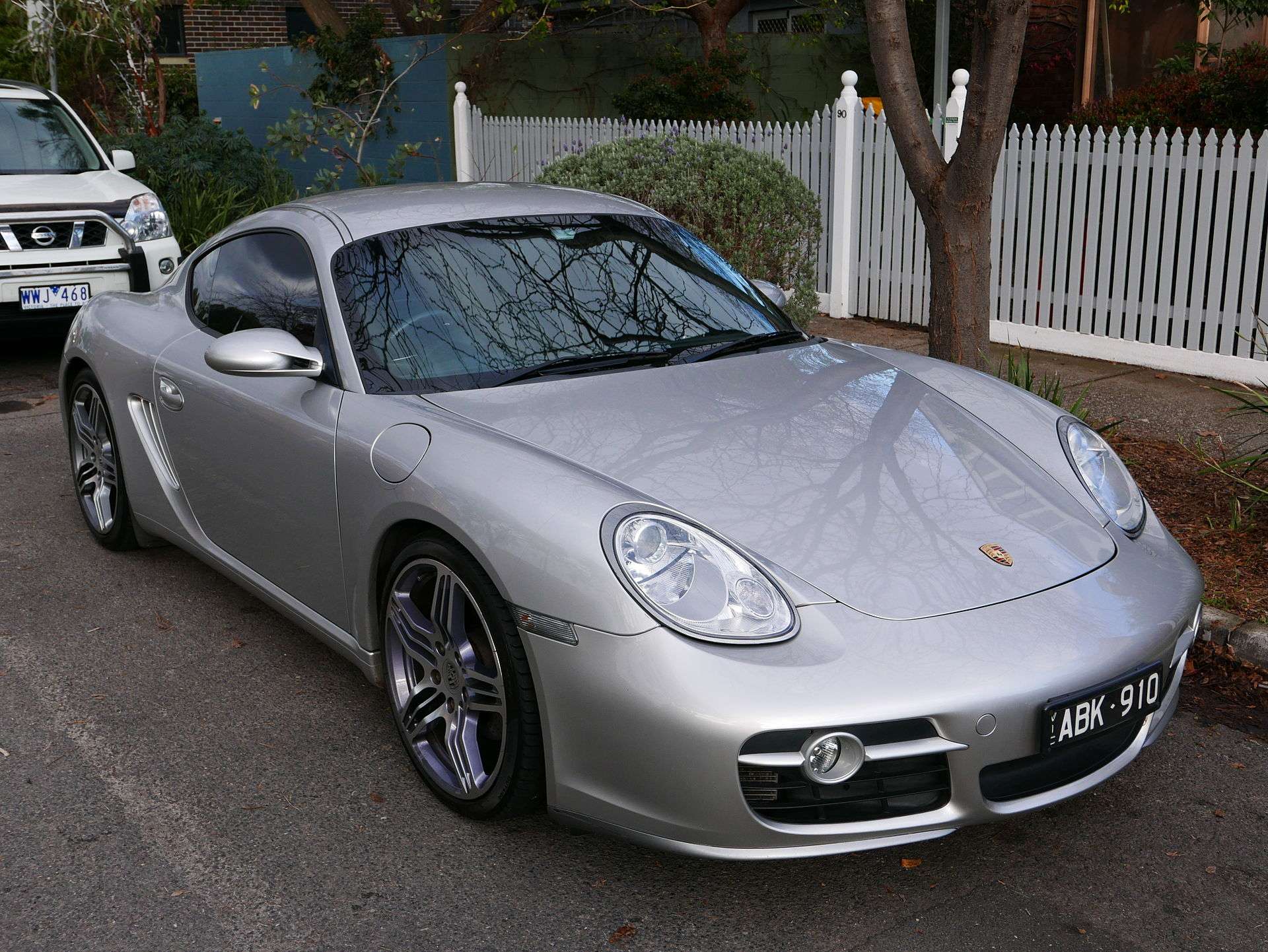
Images illustrate the model and buying themes; they are not the advertised cars discussed in the price section. Credits and licence links accompany each image. No endorsement by a photographer, owner, manufacturer or specialist is implied. Confirm workshop information against the actual vehicle.
Compare alternatives in the Buying Guides hub.