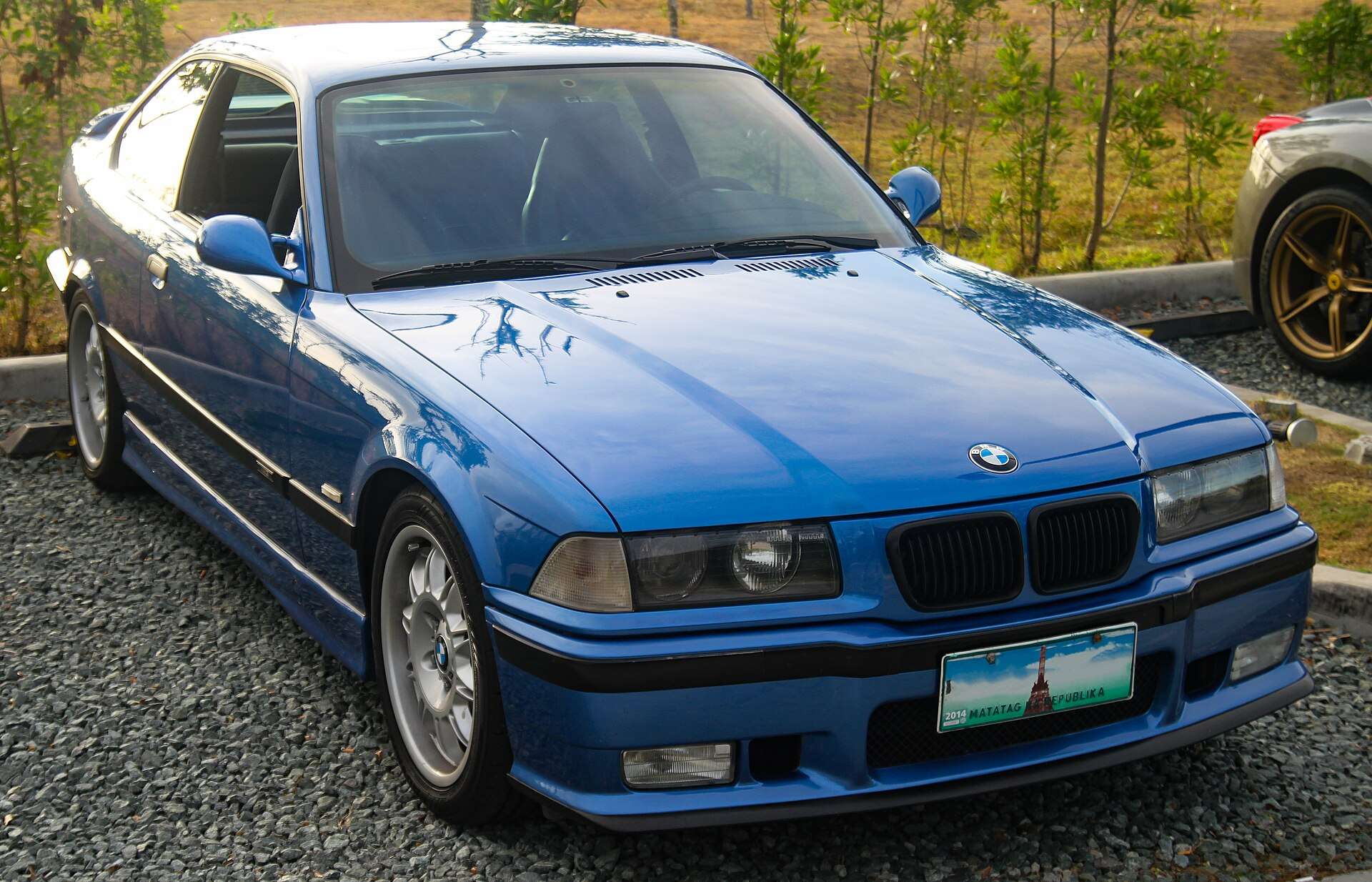
The BMW M3 E36 is subtle enough to resemble an ordinary 1990s 3 Series, yet the European versions have specialised S50 engines, a focused chassis and a very different maintenance proposition. The right car is an engaging classic that can still be used regularly. The wrong one can combine structural rust, deferred cooling work and expensive engine or gearbox faults beneath a persuasive coat of fresh paint.
Our buying verdict
Choose shell condition, documented servicing and an independent M-car inspection before colour or edition claims. A sound 3.0 can be a better purchase than a tired 3.2 Evolution. Verify which market’s engine is installed, insist on a cooling-system assessment and treat VANOS invoices as a description of work to examine, not a universal health certificate.

3.0, 3.2 Evolution and market differences
BMW’s own history places E36 M3 production between 1992 and 1999. The European S50B30 is a 3.0-litre straight-six, quoted by BMW at 286 hp; the later S50B32 is a 3.2-litre with 321 hp in the manufacturer’s European terminology. Advertisements may use different units. The 3.0 and 3.2 have different VANOS arrangements and should not share a generic repair-parts list.
BMW also documents separate North American engines and outputs. A US-market M3 is not simply a European S50 car with different lights. This guide’s engine and maintenance emphasis is the European specification commonly encountered in the UK; identify any import or engine swap before applying it.
| Version | Appeal | Buying checks |
|---|---|---|
| European 3.0 | Original six-cylinder M3 character and a five-speed manual. | S50B30 identity, cooling history, VANOS condition and genuine shell. |
| European 3.2 Evolution | Later S50B32 with six-speed manual or available SMG. | Correct engine, double-VANOS assessment, gearbox and maintenance evidence. |
| Coupe | Classic two-door silhouette. | Door seals, window fit, rear access and body repairs. |
| Saloon | Four-door practicality and discreet styling. | Saloon identity, body condition and specification rather than rarity claims alone. |
| Convertible | Open-air touring appeal. | Roof operation, fabric, seals, drains, dampness and mechanism condition. |
| SMG-equipped car | Period automated-manual experience. | Specialist diagnosis, hydraulic and electrical history, hot operation and parts support. |
SMG is an automated conventional manual, not a modern dual-clutch transmission or an ordinary torque-converter automatic. Try a healthy example before deciding whether it suits you. A conversion to manual needs its own documentation, wiring and diagnostic checks; it should not disappear from the car’s history.
Special editions and rare colours need authentication from build records and appropriate expert knowledge. Do not infer model identity from a spoiler, interior colour or a seller’s use of “GT”. Likewise, engine-cover appearance and M badges do not establish that a converted 3 Series is a genuine M3.
Prices: compare the same specification
A UK PistonHeads sample checked on 4 November 2026 included a 1996 Evolution coupe advertised at £24,995 with 112,930 miles, a 1997 Evolution saloon at £29,995 with 66,000 miles, and a 1999 Evolution convertible at £21,990 with 59,000 miles. A 1994 3.0 coupe with 60,723 miles was advertised at £35,995. These are asking prices and unverified seller descriptions, not achieved values.
The sample shows why it is misleading to value every E36 M3 from one low advertisement. Body, originality, market specification, structural repairs and service evidence all affect the comparison. Collector-oriented editions and heavily modified cars should be evaluated separately from normal road cars.
Establish the immediate repair bill before negotiating. A cheap car needing metalwork, cooling, tyres and VANOS investigation can cost more than a well-kept example. Price missing original components realistically and retain a reserve for a specialist diagnosis rather than spending the entire budget on a desirable colour.
Rust and structure: inspect beneath the cosmetics
Inspect rear arches, inner arch areas, sill ends, jacking points, floor sections and the spare-wheel well. Look for swelling seams, trapped debris and patch repairs. A clean outer arch or a thick underside coating cannot establish the condition of inner metalwork. Use a lift and an inspector familiar with E36 construction.
Check suspension mounting areas, rear trailing-arm mountings and rear shock towers for corrosion, cracking or repair evidence. Ask about reinforcement work and why it was carried out. Do not transplant another M3 generation’s structural diagnosis automatically; have the actual E36 areas inspected and documented.
Compare gaps, paint texture and fasteners, then inspect front and rear structural areas for accident repair. Poor geometry, uneven tyre wear or a steering wheel that does not sit straight deserves investigation. A clear vehicle-history report cannot guarantee that a car has never had unrecorded damage.

For repaired cars, request photographs before filler, paint and protective coatings, plus invoices identifying the work. Sound documented repairs can be preferable to hidden deterioration, but the quality needs independent assessment. Obtain a specialist estimate where access or repair scope is uncertain.
Check door bottoms, boot seals, glass surrounds and beneath carpets for moisture. On a convertible, operate the complete roof cycle and inspect fabric, rear window, alignment and mechanism. A roof that can be persuaded to work with manual assistance is an unresolved defect, not a normal operating method to accept.
S50 engine and drivetrain checks
Cold start, oil history and baseline health
Arrange a genuine cold start and a complete warm drive. Check oil and coolant safely before starting, listen for persistent abnormal noises and watch for smoke, unstable idle or warnings. Ask about oil use, overheating and engine work directly. A car already warm when you arrive has not shown you its cold behaviour.
Read chronological invoices for appropriate oil, filters, plugs and inspection work. Ask about valve-clearance checks and the scope of larger services rather than relying on a stamp labelled “major”. An S50 is not an ordinary 328i engine, and a cheap generic service may omit relevant work.
If symptoms or history justify it, discuss compression and leak-down testing with the inspector. Results need proper technique and interpretation. A clean engine bay, a quiet idle and a seller’s assurance cannot establish all internal engine condition.
VANOS: identify the engine and repair scope
The 3.0 and 3.2 use different VANOS systems. Inspect for oil leaks, abnormal rattle, poor response and timing-related faults, but do not diagnose a complete unit from sound alone. Ask the specialist to assess operation, oil supply and the relevant mechanical and electrical components.
Hack Engineering’s S50B32 Beisan seal kit explains a seal-related failure mode and distinguishes that repair from other VANOS components. Its separate S50B30 and S50B32 products reinforce the need to identify the engine. A seal kit, rattle repair, solenoid work and comprehensive rebuild are different invoice descriptions.
For “VANOS done” claims, request date, mileage, installer, parts and test evidence. Establish whether the job addressed a confirmed fault or was preventive. A new seal does not certify every other part of the system, and supplier marketing should not be turned into a fixed failure mileage for all engines.
Cooling system and overheating history
Inspect radiator, expansion tank, hoses, thermostat, pump and fan operation. Ask which components have been replaced and whether the work addressed a leak, preventive maintenance or an overheating event. Check temperature stability during the drive and inspect again afterwards for residue and fresh leaks.
Repeated coolant loss or a history of running hot needs professional investigation before purchase. Do not accept a new radiator as proof that any earlier engine damage was excluded. Appropriate pressure tests and further assessment should follow the symptoms and history.
The camshafts are chain-driven. Accessory belts and tensioners still need inspection, but a generic timing-belt kit is not a routine S50 service item. Investigate abnormal internal timing noise with an experienced workshop rather than replacing components on speculation.
Manual gearbox, clutch, SMG and differential
Test all gears cold and warm, including clean engagement and reverse. Check for baulking, jumping out of gear, whine and clutch slipping under sensible warm load. A clutch estimate should distinguish flywheel, hydraulic release parts, seals and labour. A short-shift kit can change feel without fixing worn internals.
For SMG, obtain a specialist diagnostic assessment and test repeated hot operation, selection and warning behaviour. Ask about hydraulic, pump, sensor, clutch and control-system work. A restart that temporarily clears a symptom is not evidence of a completed repair. Parts availability and conversion history matter to the ownership plan.
Listen for differential noise and drivetrain knocks, and inspect output seals, mounts, propshaft components and driveshaft boots. Ask whether the differential is original or modified. A welded or competition-oriented setup is a very different road-car purchase and should be identified openly.

Suspension, steering and brakes
Inspect arms, ball joints, bushes, top mounts, springs, dampers and bearings. Poor alignment and inappropriate lowering can make a nominally desirable M3 less enjoyable than a standard healthy car. Ask for a geometry report after relevant repairs and investigate uneven tyre wear.
Brake specification differs between versions and may have been changed. Confirm the actual components before ordering, and inspect discs, pads, calipers, pipes and fluid history. Check ABS and other fitted warning systems. Do not value an upgrade without identifying future consumables and replacement support.
Cabin, trim and electrical equipment
Inspect seat bolsters, rails, adjustment and leather condition. Correct original trim and specialist refurbishment can be expensive. Check roof lining, door cards, instrument display and the condition of seals. Interior wear should fit the history, while remembering that seats and wheels can be replaced.
Test air conditioning, heater, windows, mirrors, locking, lights, wipers, audio and all keys. Inspect aftermarket alarm and stereo wiring, and look for moisture beneath carpets. A weak battery can create symptoms but should be tested, not used as a blanket excuse for faults.
Maintenance and useful parts allowances
Build the service plan around the actual European S50 engine, gearbox and condition. Parts searches must distinguish 3.0, 3.2 and North American applications. Confirm approved fluids and inspection requirements with an experienced M-car specialist.
These are editorial UK parts-only budgeting allowances, not live offers or fitted quotes. Brand, VAT treatment, exchange surcharges and availability can change the total. Obtain a written fitted quote and check part numbers against your VIN, engine and modifications.
Affiliate disclosure: we may earn a commission from qualifying eBay purchases, at no extra cost to you. The links open vehicle-specific searches; they do not certify the suitability or quality of individual listings. Check seller, fitment, warranty and returns.
| Maintenance item | Parts allowance | What to check |
|---|---|---|
| Oil and filter service parts | £65–£130 | Confirm oil approval and engine quantity with the specialist. |
| Spark plugs | £50–£110 | Match S50 version; do not assume US and European applications agree. |
| Alternator | £140–£320 | Check output, mountings and exchange terms after diagnosis. |
| Starter motor | £100–£240 | Rule out battery, cables and earth faults. |
| Accessory belt and tensioner | £60–£170 | This is not a camshaft timing-belt service. |
| Water pump and thermostat | £100–£240 | Match engine and compare quality, seals and housing scope. |
| Radiator | £130–£300 | Check transmission and engine-specific fitment. |
| VANOS seal components | £80–£180 | Identify S50B30 or S50B32; diagnosis, other components and labour add cost. |
| Manual clutch kit | £220–£450 | Correct gearbox, flywheel and hydraulic scope are essential. |
| Front brake discs and pads | £180–£380 | Confirm 3.0/3.2 specification and any conversion. |
| Rear suspension bushes | £25–£80 per component | Fitting and geometry are separate costs. |
Hidden ownership costs
Metalwork: proper sill, arch or mounting-area repair includes inner structure, paint and protection. A visually small defect may become a larger job after dismantling. Use specialist estimates, not the price of an outer repair panel alone.
VANOS scope: a seal kit is a component cost, not the price of diagnosing and restoring an entire system. Compare written repair descriptions and ask what evidence supports additional work.
Original trim: seats, wheels, steering wheels, airboxes and exhausts can carry collector premiums. Retained original parts help only if correct, complete and usable. Price the return-to-standard plan before buying a modified example.
SMG and conversions: specialist support, hydraulic diagnosis and correctly completed manual conversions affect cost and value. Confirm documentation and insurance treatment rather than assuming a conversion is invisible to future buyers.
Tyres, suspension and alignment: a full refresh can cost far more than replacing one knocking bush. Correct quality consumables restore the car’s main appeal and deserve priority over cosmetic changes.
Storage, tax and insurance: quote the actual registration, market specification and modifications. Low mileage still permits old tyres, tired hoses and seized brakes. Reserve money for recommissioning, diagnosis and parts lead times.

Eight-point viewing checklist
- Verify genuine M3 identity, market specification, S50 engine and gearbox.
- Read service chronology, valve-clearance evidence and detailed VANOS invoices.
- Inspect cold start, warm running, oil condition and cooling-system history.
- Inspect sills, arches, jacking points, floor and suspension mountings on a lift.
- Review structural-repair photographs and investigate geometry concerns.
- Test manual or SMG operation, clutch, differential, suspension and brakes.
- Operate all cabin equipment and convertible roof where fitted; inspect dampness.
- Obtain independent estimates, insurance acceptance and a first-year reserve.
Frequently asked questions
Is the 3.2 Evolution always the better buy?
No. Its additional specification is appealing, but a sound, documented 3.0 may be a much better ownership proposition than a neglected Evolution.
Are US and European E36 M3 engines the same?
No. BMW documents separate North American engine specifications. Identify the actual engine and market before applying service or parts advice.
Does “VANOS rebuilt” describe a standard job?
No. Seal, rattle, solenoid and comprehensive repair scopes differ. Obtain a detailed invoice and ask an S50 specialist to assess current operation.
Is SMG a dual-clutch gearbox?
No. The E36 system automates a conventional manual. Its operating feel, diagnosis and repair requirements differ from later DCT systems.
Does the S50 need a timing-belt kit?
Its camshafts are chain-driven. Accessory drives still require maintenance, while abnormal internal timing symptoms need professional diagnosis.
Research and sources
Factory history establishes European and North American differences. Specialist parts material supports the distinction between repair components, not a universal failure rate. Market advertisements are dated observations and have not been independently inspected.
- BMW M: E36 M3 portrait: engines, production period, Evolution, gearbox development and North American differences.
- Hack Engineering / Beisan S50B32 VANOS seals: seal-related repair context and engine-specific component identification.
- PistonHeads E36 M3 advertisements: dated UK asking-price sample; seller descriptions and availability can change.