UNUSUAL CARS MODEL GUIDE
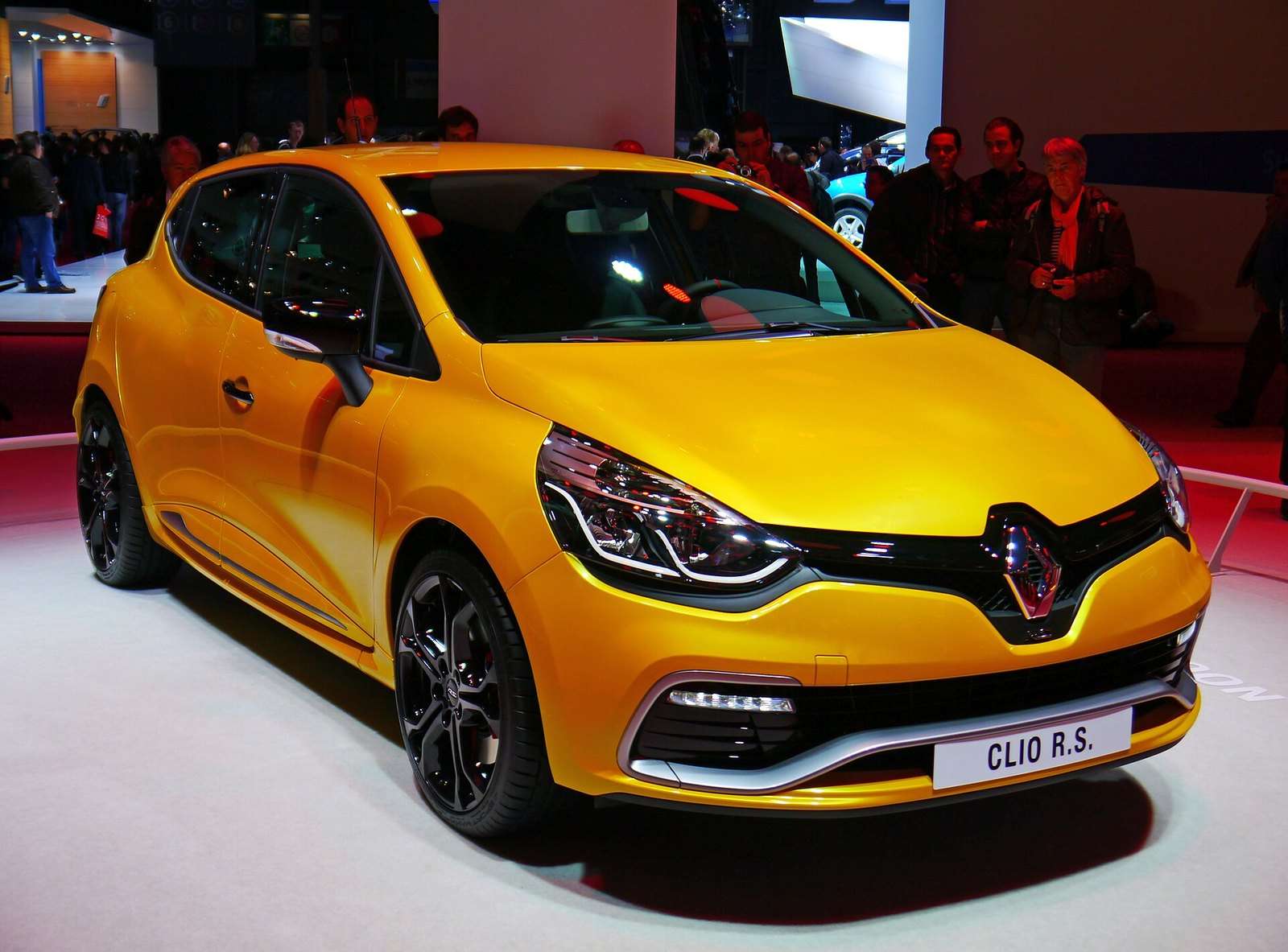
The fourth-generation Renault Clio RS made a deliberate break with earlier Renaultsport Clios. It used a five-door body, a 1.6-litre turbocharged engine and a six-speed EDC dual-clutch transmission instead of the previous car’s three-door body, naturally aspirated 2.0-litre engine and manual gearbox. The 200 EDC arrived in Britain in 2013; the 220 Trophy and later facelift sharpened the formula without returning to a manual option.
Featured image: Renault Clio IV Renaultsport 220 Trophy in the Scottish Highlands. Photograph by Jamesmudd, CC BY-SA 4.0, via Wikimedia Commons; locally hosted.
Why the Clio IV RS changed direction
Renault Sport designed the Clio IV RS as a broader-use performance hatch. The M5M 1,618cc direct-injection turbo engine produced 200PS and 240Nm, while the EDC transmission offered automatic operation and manual changes through fixed steering-column paddles. Renault quoted 0–62mph in 6.7 seconds and a 143mph top speed.
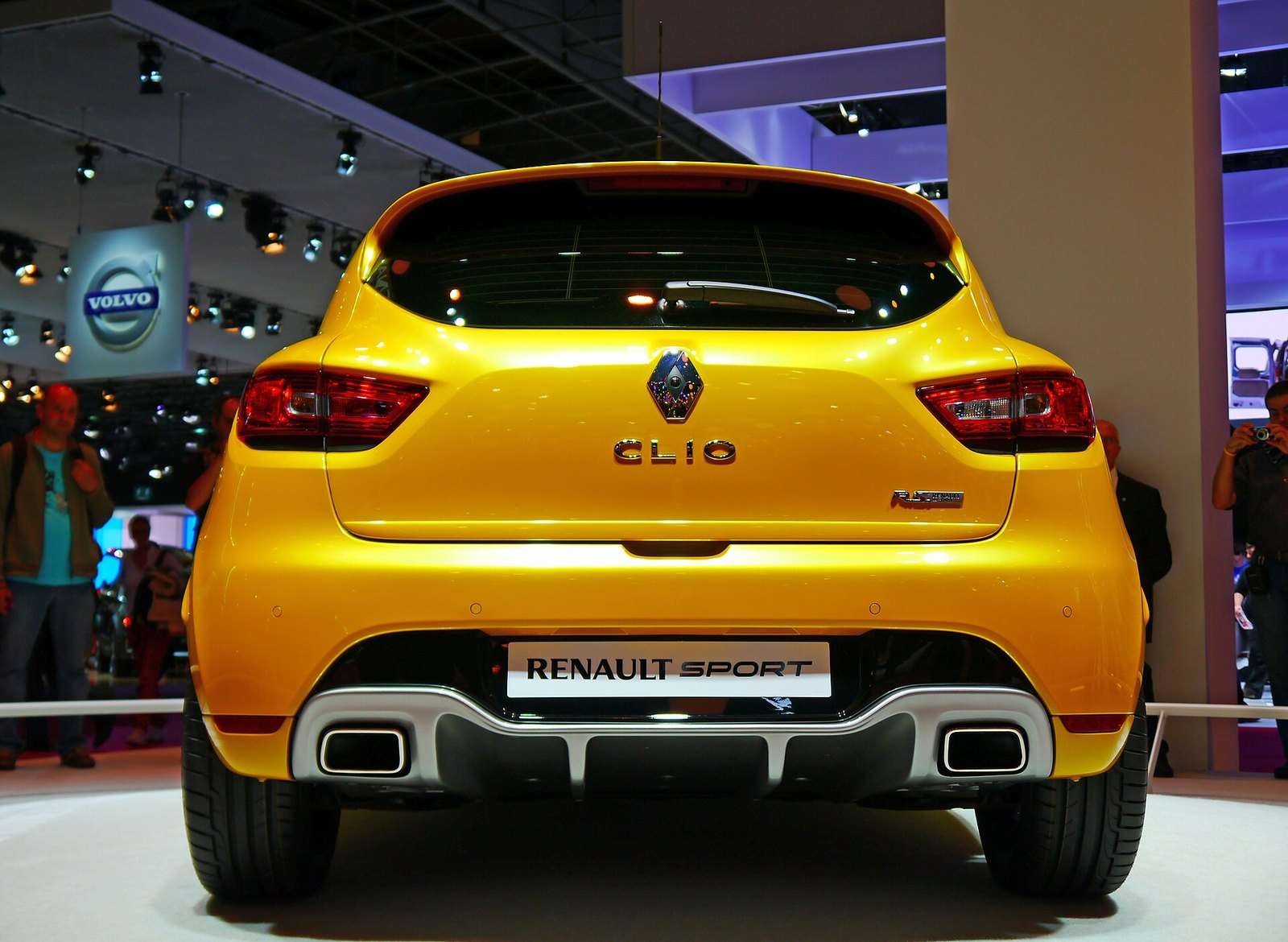
The body was five-door only, with the rear handles hidden in the window frames. R.S. Drive supplied Normal, Sport and Race modes affecting throttle, gearbox, stability control and steering. Hydraulic compression stops helped the suspension absorb large impacts, and a dashboard telemetry system could display performance data.
Sport chassis, Cup chassis and equipment
UK buyers could order the 200 with the standard Sport chassis or a firmer Cup chassis. Cup cars used stiffer springs and dampers, a lower ride height, quicker steering and 18-inch wheels. The standard car’s 17-inch wheels and softer set-up suit rough roads better, while the Cup rewards a smooth surface. Neither is a substitute for healthy dampers, bushes and geometry.
Equipment and special editions varied through the production run. The Lux specification added comfort items, and colour or trim editions should be checked against original brochures rather than assumed from badges. The important mechanical questions are chassis type, wheel size, brake condition and whether the gearbox software and service history are current.
Love cars you don’t see every day?
Get forgotten cars, surprising motoring stories and the most interesting finds from Unusual Cars by email.
Free to join. No spam. Unsubscribe whenever you like. See our privacy policy.
The 220 Trophy and facelift
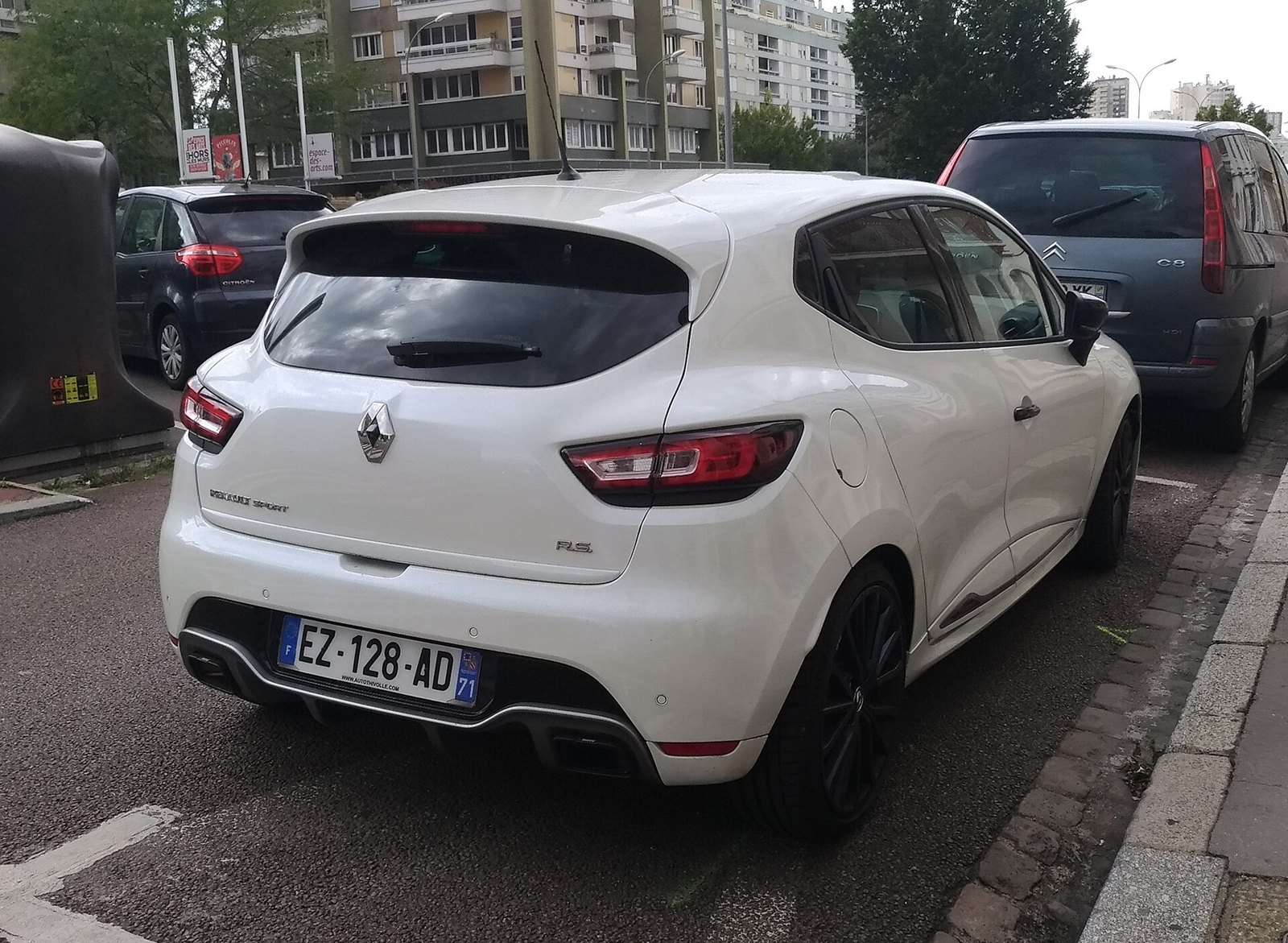
The limited 220 Trophy arrived in 2015 with 220PS, 260Nm available normally and up to 280Nm through temporary torque boost. Renault shortened EDC change times, lowered the body by 20mm, stiffened the suspension and fitted a faster steering rack, 18-inch wheels and Michelin Pilot Super Sport tyres. A standard Akrapovič exhaust was not universal in Britain; where fitted it should be identified and inspected.
For the 2016 facelift, Renault retained 200 and 220 outputs in some markets before 220 specification became the focus of the final Renault Sport cars. LED lighting and revised details modernised the appearance. The Trophy is faster and more focused, but a well-maintained 200 on smaller wheels may be the better road car.
| Version | Output | Main distinction |
|---|---|---|
| RS 200 EDC | 200PS | Standard or Cup chassis; 2013 launch model |
| RS 220 Trophy | 220PS | Faster shifts, lower chassis, quicker steering |
| Facelift RS | Market-dependent | Updated lighting and trim from 2016 |
Engine, EDC gearbox and electronics
The 1.6 turbo engine uses a timing chain, but chain noise, oil neglect or poor mapping still demand attention. Start from cold, listen for rattles, allow the engine to warm fully and check for smoke, misfires or inconsistent boost. Look for oil and coolant leaks and inspect service invoices, especially on tuned cars.
The EDC is central to the car’s character and its largest financial risk. Drive from cold and hot, creep in traffic, reverse uphill and repeat full-throttle shifts in manual mode. Judder, hesitation, warning messages or refusal to select a gear require Renault-aware diagnosis rather than guesswork. A healthy battery is important because low voltage can trigger misleading electronic faults.

Chassis, brakes and body checks
Listen for knocks from links, bushes, ball joints and top mounts. Check dampers for leaks and springs for damage, then inspect tyre wear for geometry problems. A recall addressed incorrectly fitted front brake hoses on some cars; confirm the work and inspect hoses, calipers, discs and rear braking components.
Track use is not automatically harmful when maintenance is strong, but look for overheated brakes, damaged wheels, mismatched tyres, poorly repaired bumpers and distorted undertrays. Test climate control, key cards, infotainment, R.S. Monitor, parking sensors and every driving mode. Confirm that the large rear spoiler, diffuser and trim are correctly attached.

Buying checklist
Test the EDC in every situation
Low-speed manoeuvres, repeated hot shifts and manual paddle operation reveal more than a short cold test.
Identify the chassis, not just the wheels
Aftermarket wheels and springs can obscure whether a car began as Sport or Cup specification.
Choose the car you will use
The Trophy is the sharpest derivative, but the standard 200 can be more comfortable and less tyre-sensitive on typical UK roads.
References
- Renault press material: Clio R.S. 200 and 220 Trophy
- evo: Clio IV RS history and specification
- PistonHeads: Clio RS 200/220 EDC buying guide
- Unusual Cars: Clio RS 200/220 EDC diagnostic guide
Continue the Renault story
Explore the complete Renault hub, then read Renault Clio 197 and 200 and Clio RS 200/220 EDC diagnostic guide.
Frequently asked questions
Does the Clio RS 200 EDC have a manual gearbox?
No. The Clio IV RS was sold with a six-speed EDC dual-clutch transmission and fixed steering-column paddles.
What is the difference between the RS 200 and 220 Trophy?
The Trophy has more power, faster gear changes, a lower and firmer chassis, quicker steering and 18-inch wheels.
Does the Clio RS 200 use a turbo?
Yes. It uses a 1,618cc turbocharged four-cylinder engine, unlike the naturally aspirated 2.0-litre engine in the previous Clio 197/200.
What should be checked on the EDC gearbox?
Test cold and hot pullaways, reversing, creeping, automatic and manual shifts, and investigate any judder or warning with Renault-aware diagnostics.
Was the Clio IV RS sold in the UK?
Yes. The 200 EDC and 220 Trophy were both offered in Britain.