UNUSUAL CARS MODEL GUIDE
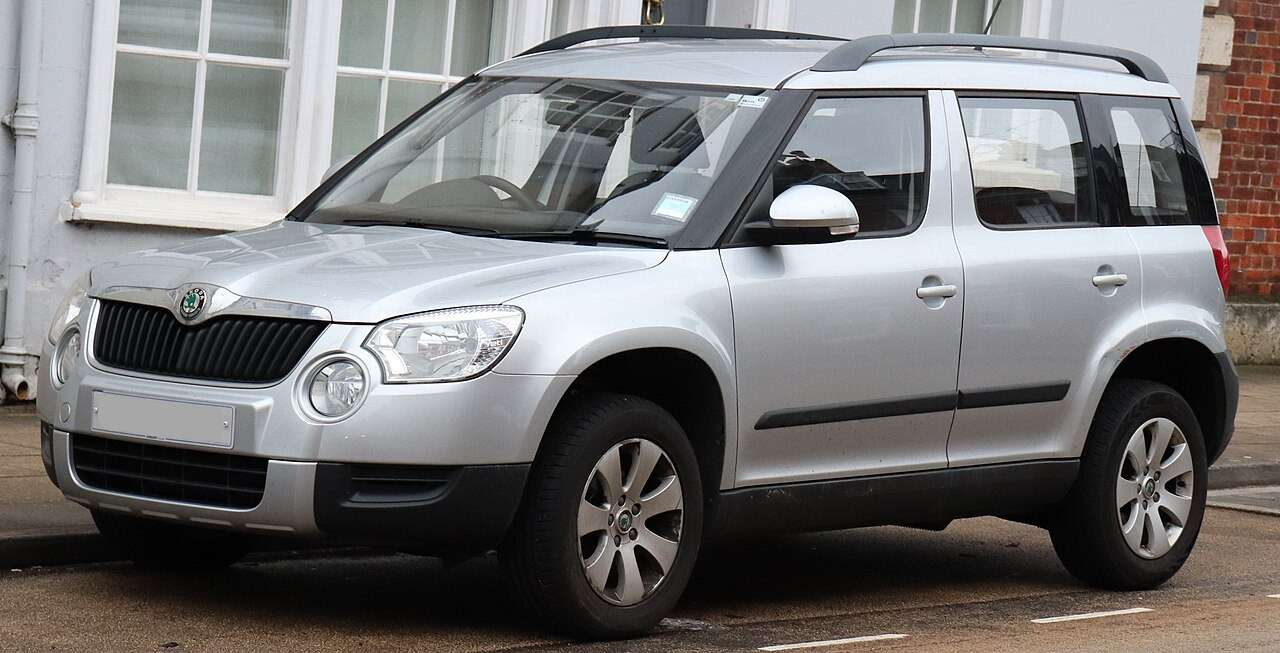
The Škoda Yeti is a compact SUV built from 2009 to 2018, recognised by its square cabin, upright windows and unusually flexible VarioFlex rear seats. Available with petrol or diesel engines and front- or four-wheel drive, it combined family-car road manners with exceptional packaging.
Featured image: 2011 Škoda Yeti S. Photograph by Vauxford, CC BY-SA 4.0, via Wikimedia Commons; locally hosted.
Škoda’s first modern SUV
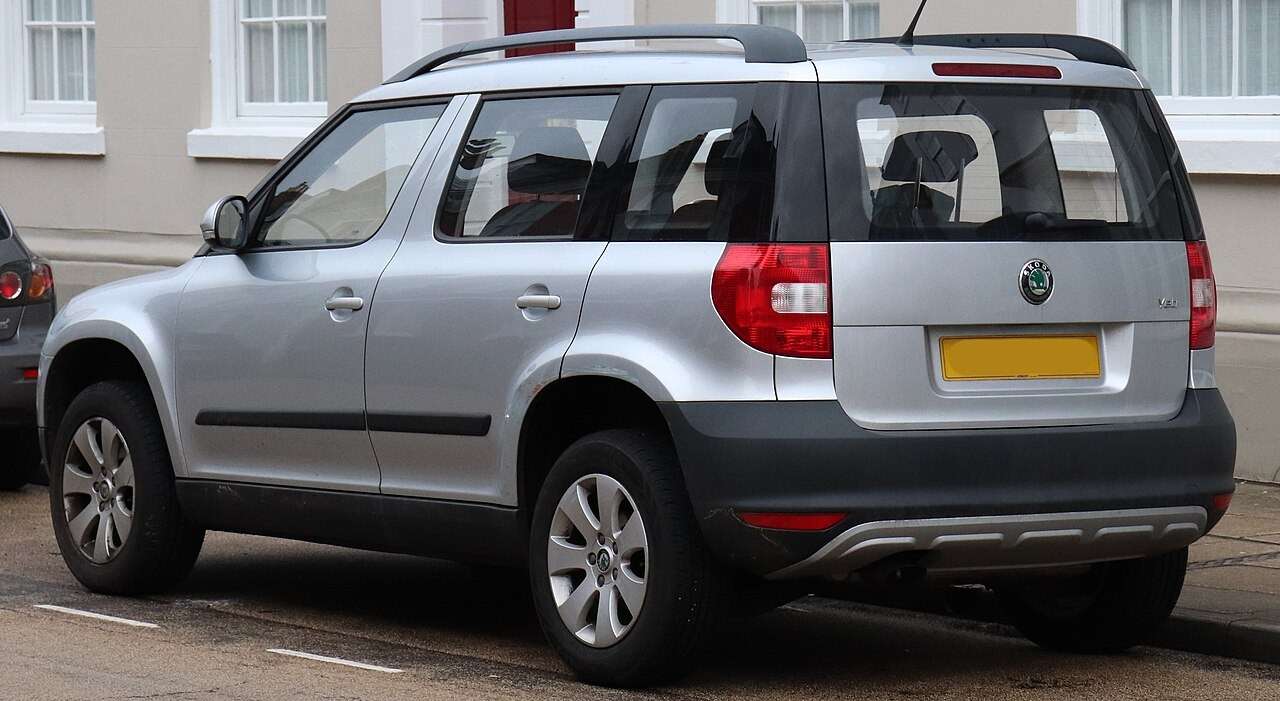
The production Yeti arrived in 2009 after a series of concepts had explored the idea. It entered an expanding compact-SUV market but avoided copying the proportions of a conventional off-roader. A near-vertical tail, tall roof and large glass area made its compact footprint unusually useful.
Škoda sold 683,603 examples worldwide. In Britain the car earned a following among owners who valued visibility, easy access and the ability to remove the rear seats entirely.
VarioFlex interior and everyday practicality
The rear bench is divided into three separate seats. Each can slide and recline, fold forward or be removed, while the outer seats can move inward when the centre seat is absent. This makes the Yeti useful as a five-seat family car, a four-seat long-distance car or a compact van-like load carrier.
Check that all three seats are present and that their catches, rollers, handles and belts work. Complete removable seats add weight when handled, but their flexibility is central to the model’s appeal.

Engines, gearboxes and four-wheel drive
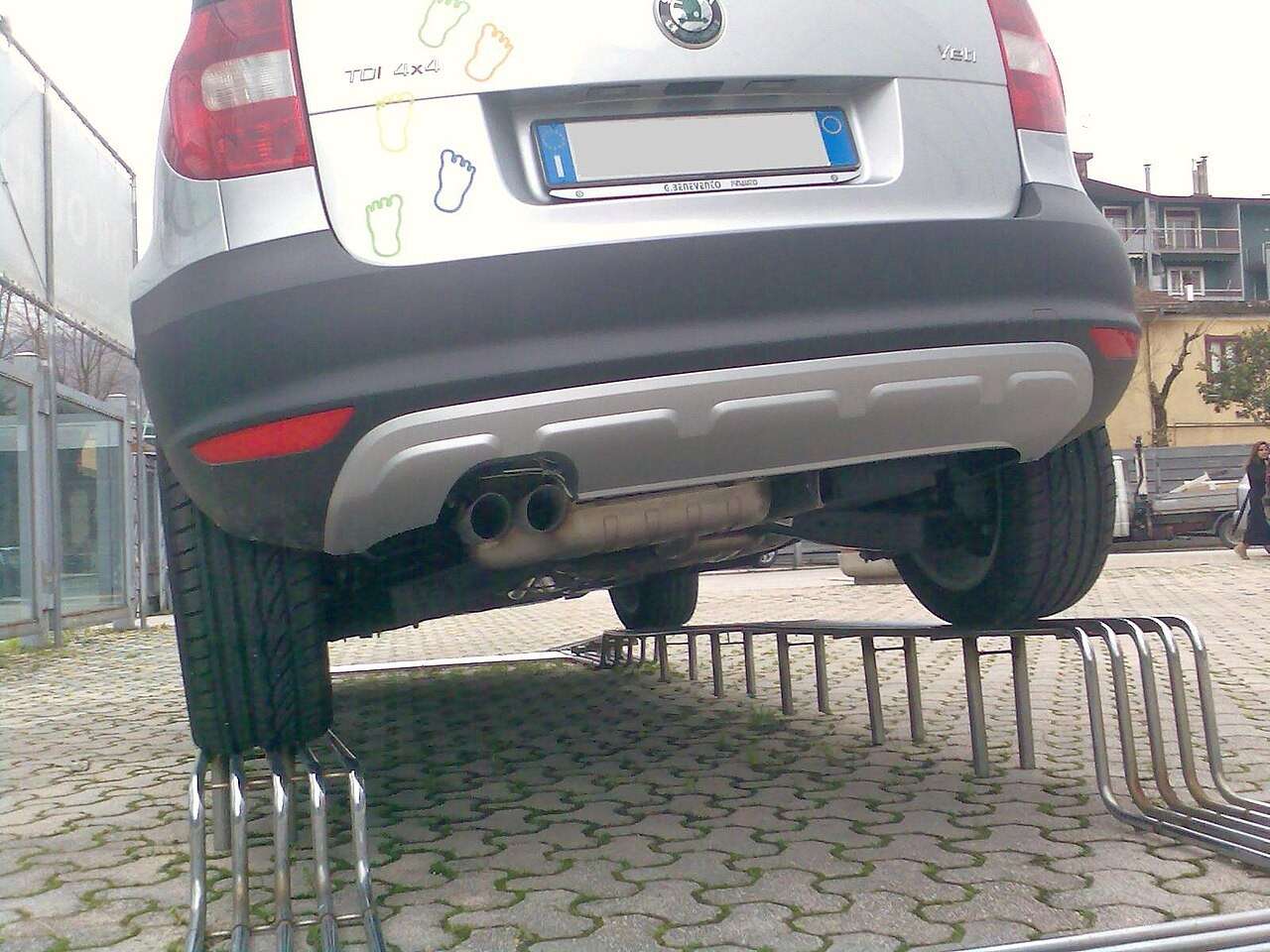
The UK range included TSI petrol and TDI diesel engines in several outputs, with manual or DSG transmissions depending on version. Many cars are front-wheel drive; selected models add an electronically controlled multi-plate coupling to send torque rearwards when needed.
| Type | Best suited to | Important checks |
|---|---|---|
| Small TSI petrol | Lower annual mileage and urban use | Exact engine-generation service history, oil consumption, timing system and cooling condition. |
| 2.0 TDI diesel | Longer journeys, towing and high mileage | DPF, EGR, turbo, injector and timing-belt history; avoid a diesel used only for short trips. |
| DSG | Drivers wanting an automatic | Correct oil-service record where specified, smooth engagement and fault-free operation. |
| 4×4 | Rural use, towing and poor weather | Coupling maintenance, matched tyres, propshaft and rear-drive operation. |
Love cars you don’t see every day?
Get forgotten cars, surprising motoring stories and the most interesting finds from Unusual Cars by email.
Free to join. No spam. Unsubscribe whenever you like. See our privacy policy.
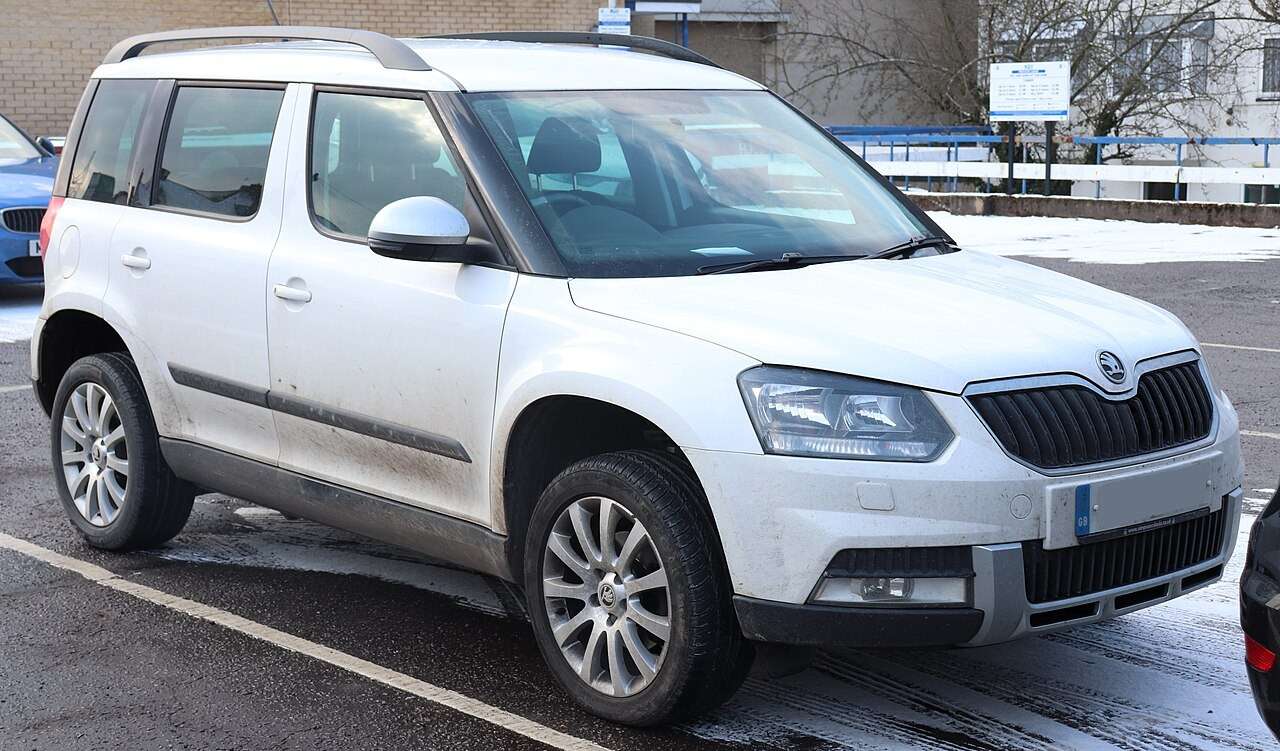
2013 facelift: Yeti and Yeti Outdoor
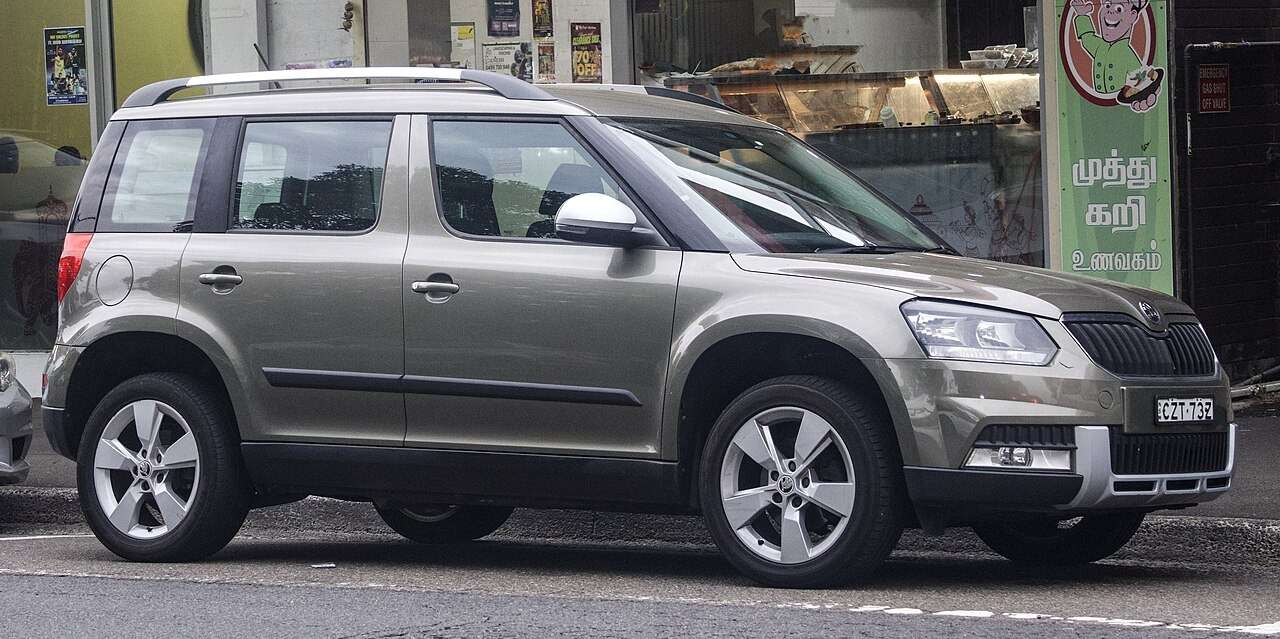
The 2013 update removed the original round lower lamps and introduced a cleaner, more conventional grille and headlamp arrangement. Škoda divided the range visually: the standard Yeti looked more road-focused, while Yeti Outdoor models used protective lower-body trim and a more rugged presentation.
Why the Yeti still stands out
The successor generation moved toward the smoother design language of mainstream compact SUVs. The Yeti’s upright, almost utility-like profile now looks more individual, and its removable-seat versatility remains unusual. It is old enough for condition to vary sharply but modern enough to be used daily if maintained well.
Škoda Yeti buying guide
Choose the engine around your use
Do not assume one engine is universally best. Short, cold journeys can trouble diesel emissions systems; some petrol engines have generation-specific timing-chain, belt, oil-consumption or cooling concerns. Confirm the exact engine code, then check specialist service guidance and invoices.
Transmission and four-wheel drive
Manual clutches and dual-mass flywheels should operate smoothly without slip or vibration. DSG behaviour should be clean from cold and hot. On 4×4 cars, matching tyre circumference is important; verify the coupling’s maintenance and confirm that warning lights are absent.
Cabin and electrics
Operate every VarioFlex seat, lock and belt. Test windows, mirrors, climate control, parking sensors, infotainment and central locking. Check carpets and the spare-wheel well for water, and inspect panoramic-roof drains and operation if fitted.
Body, suspension and brakes
Look for accident repairs, damaged undertrays, corrosion around suspension and brake components, broken springs and uneven tyres. A Yeti used on farms or rough tracks may have more underside damage than its paint suggests.
Sources and further reading
Continue the Škoda story
The Yeti is the practical modern oddball in this collection. Explore the complete Škoda hub, then trace the front-wheel-drive revolution back to the Favorit, then meet the even more playful Felicia Fun.
Frequently asked questions
When was the Škoda Yeti sold?
The Yeti entered production in 2009 and the model line ended in 2018.
Is every Škoda Yeti four-wheel drive?
No. Many Yetis are front-wheel drive; selected engines were offered with an electronically controlled four-wheel-drive system.
What is VarioFlex in a Škoda Yeti?
It is the flexible rear-seat system with three individual seats that can slide, recline, fold or be removed.
What changed in the 2013 Yeti facelift?
The facelift replaced the original round auxiliary lamps with a more conventional front design and split the range into road-focused Yeti and rugged-looking Yeti Outdoor versions.
What should I check before buying a Yeti?
Match the checks to the exact engine and gearbox, verify servicing, test the removable rear seats and all electrics, and inspect four-wheel-drive and diesel emissions systems where fitted.