UNUSUAL CARS MODEL GUIDE
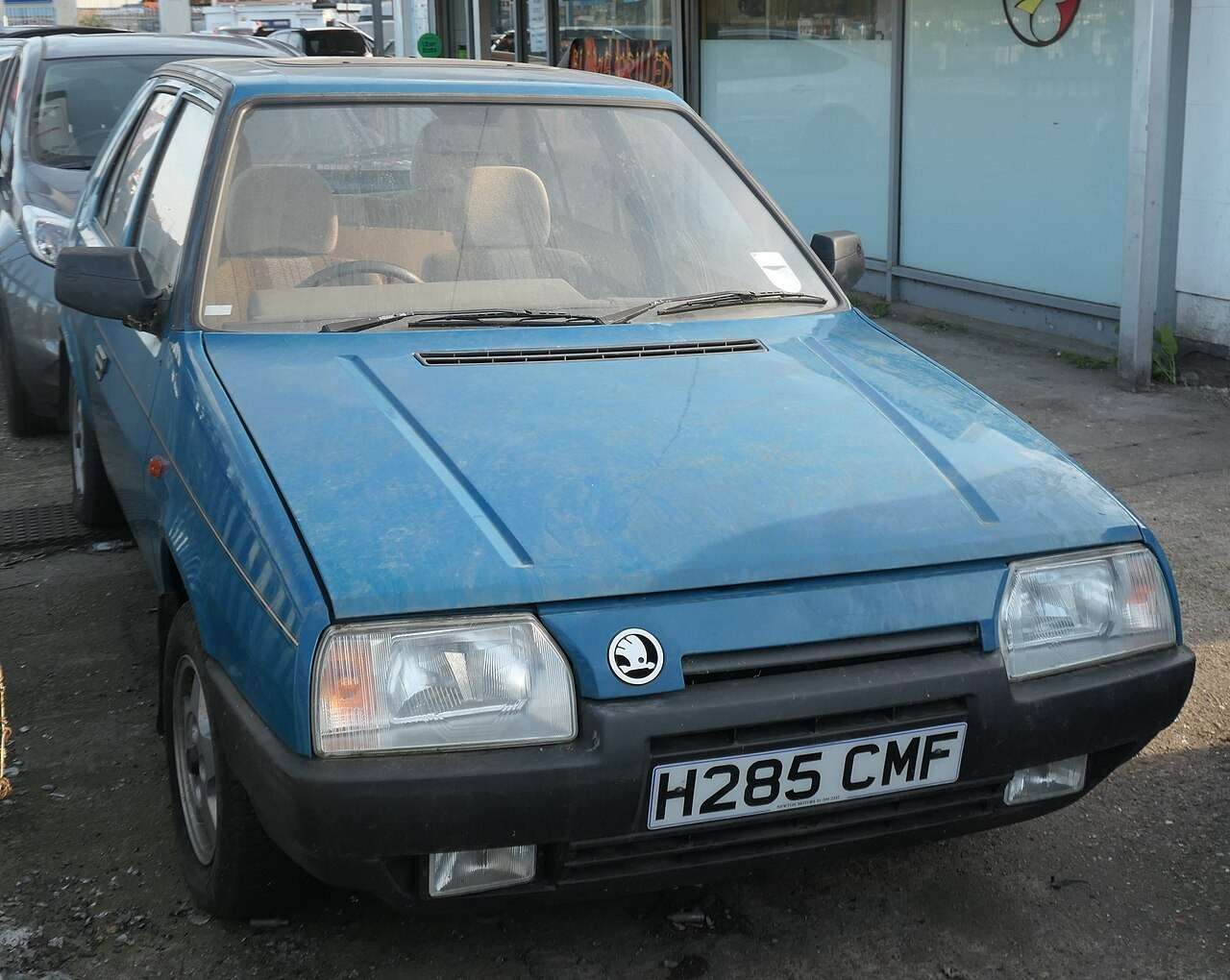
The Škoda Favorit was the front-engined, front-wheel-drive hatchback that pulled the Czech maker out of its rear-engined era. Launched in 1987, styled with Bertone and later improved under Volkswagen Group ownership, it became a familiar value car in Britain and the basis for the Forman estate and Pick-up.
Featured image: 1991 Škoda Favorit 136 LS. Photograph by Toquehusk, CC BY 4.0, via Wikimedia Commons; locally hosted.
A new Škoda under difficult conditions
In December 1982 the Czechoslovak government demanded a new front-wheel-drive car within five years. The timetable was severe for a manufacturer working inside a planned economy, yet the project team led by Petr Hrdlička produced a clean-sheet platform rather than another evolution of the rear-engined saloons.
The Favorit debuted at the Brno engineering fair in September 1987. Its engine sat transversely at the front and drove the front wheels, creating a conventional hatchback package with a folding rear seat and useful luggage space. That layout also made estate and commercial derivatives straightforward.
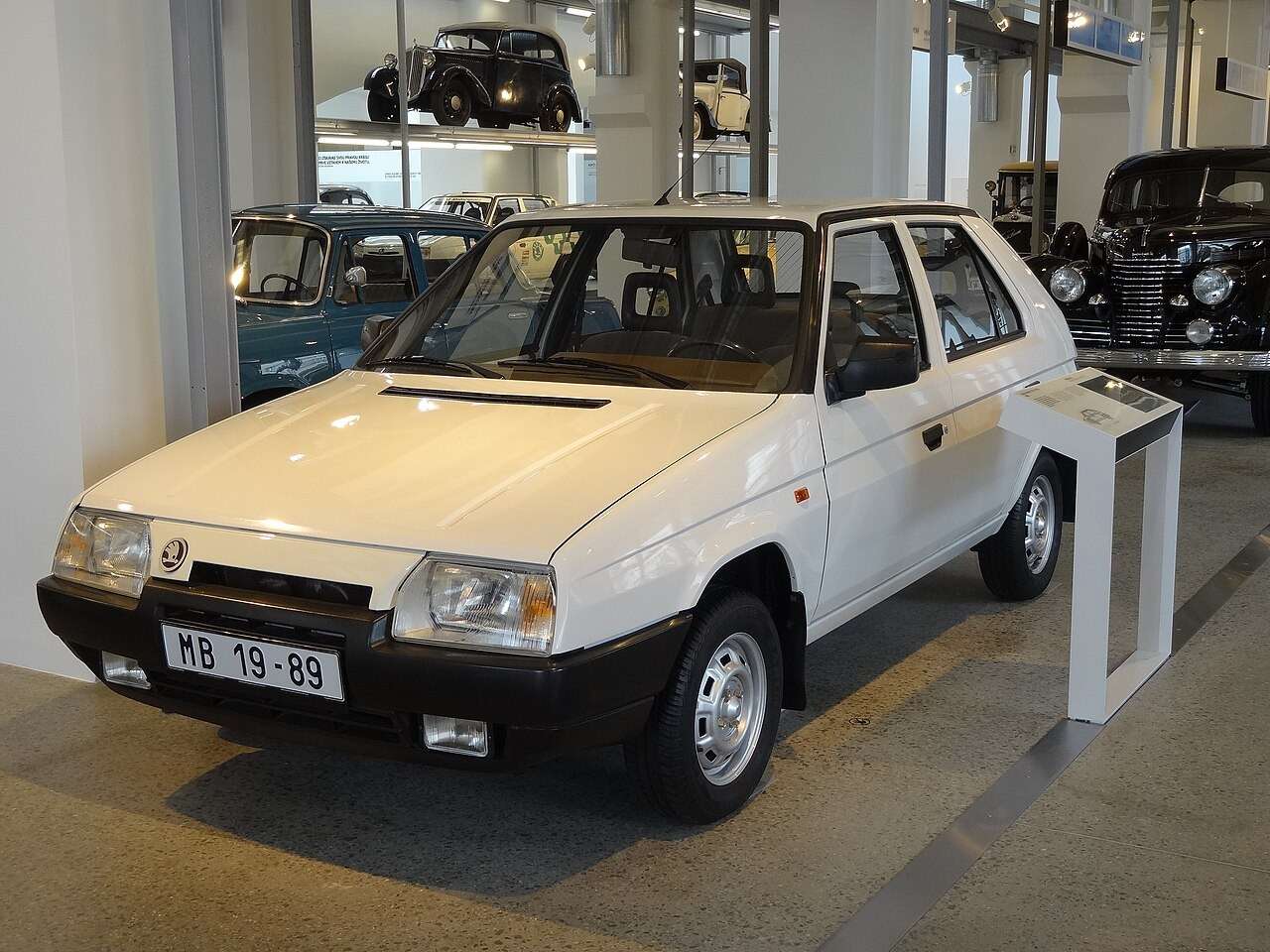
Bertone styling and Škoda engineering
Škoda commissioned Bertone to help style the five-door body, but the Favorit was not simply an Italian design on borrowed mechanicals. Škoda engineered the structure, drivetrain and production process, retained its aluminium-block 1,289cc OHV engine and subjected prototypes to hot-weather, altitude and endurance testing.
The crisp glasshouse, slim pillars and upright tail made the car spacious without unnecessary bulk. Later facelifts softened some details, improved corrosion protection and introduced cleaner bumpers, grilles and interiors.
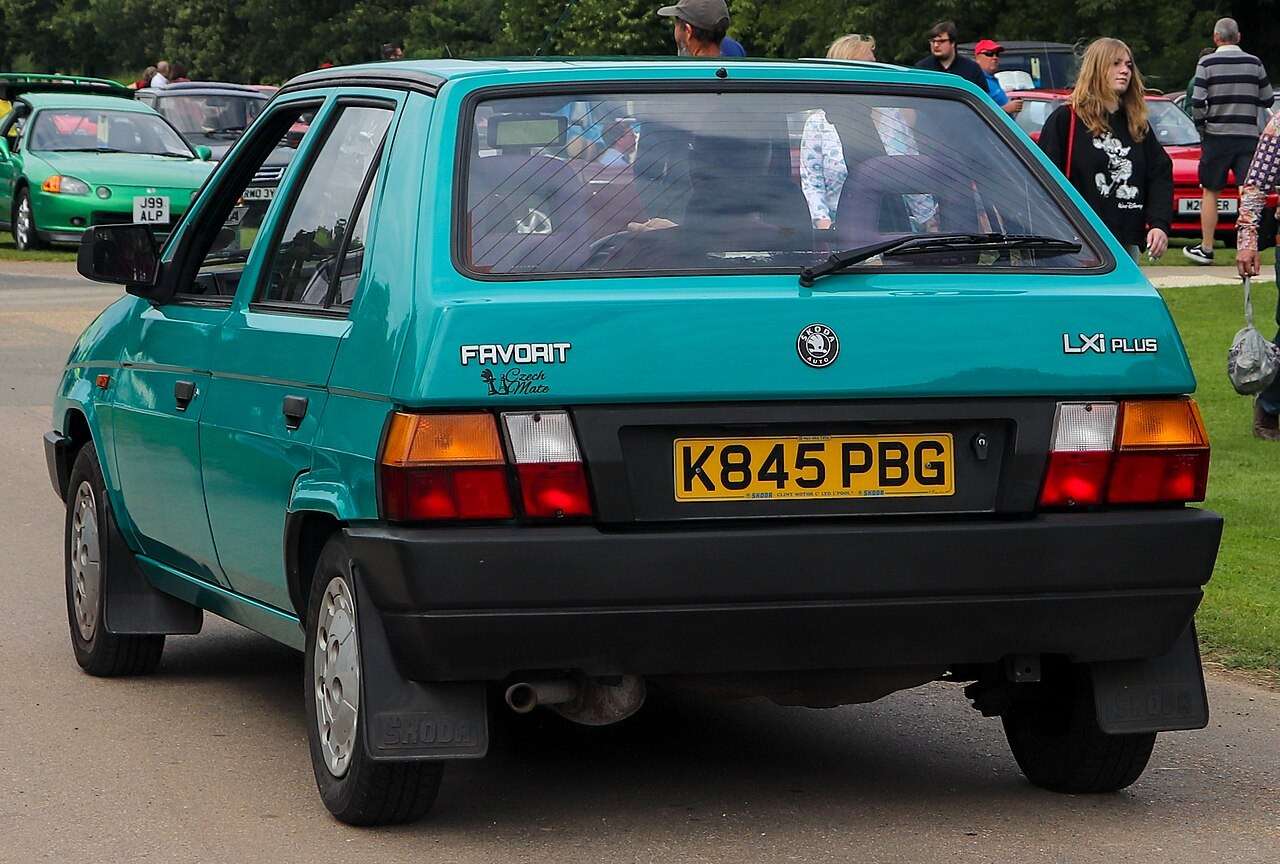
Favorit, Forman and Pick-up
| Version | Body | Role |
|---|---|---|
| Favorit | Five-door hatchback | The core family car, sold in several carburettor and fuel-injected specifications. |
| Forman | Five-door estate | Longer, more useful load area while retaining the Favorit’s cabin and front-wheel-drive layout. |
| Pick-up | Two-door light commercial | Practical derivative that helped extend the platform’s working life. |

Volkswagen ownership and the later cars
Volkswagen Group became the strategic partner in 1991. The Favorit had already proved the viability of the new Škoda, but investment brought progressive changes to manufacturing quality, trim, safety and emissions equipment. Later British-market cars may have fuel injection, catalytic converters and special-edition equipment.
That evolution is why two Favorits from different years can feel noticeably different. Buyers should identify the exact engine, trim and running changes from the chassis number and period documentation rather than assuming every 1.3-litre car is identical.

Love cars you don’t see every day?
Get forgotten cars, surprising motoring stories and the most interesting finds from Unusual Cars by email.
Free to join. No spam. Unsubscribe whenever you like. See our privacy policy.
Motorsport success
The front-wheel-drive Favorit also gave Škoda a fresh rally platform. It achieved repeated class success on the Monte Carlo Rally and, in 1994, won the FIA World Rally Championship Formula 2 category for two-wheel-drive cars. Competition versions retained the basic 1.3-litre architecture but were carefully developed for rallying.

Škoda Favorit and Forman buying guide
Body and corrosion
Inspect inner and outer sills, front chassis legs, suspension pick-up points, floor edges, wheelarches, door bottoms, screen surrounds and the rear structure. Lift carpets and examine jacking points. Previous welding should be continuous, correctly shaped and protected rather than disguised by thick underseal.
Engine and cooling
The 1.3-litre OHV engine is straightforward but depends on clean oil, correct valve adjustment and a healthy cooling system. Check for overheating, pressurised hoses, coolant loss, emulsified oil and noisy timing components. Carburettor cars should start and idle cleanly; injected cars need warning lights and sensors assessed properly.
Gearbox, steering and suspension
Listen for bearing noise, confirm clean gear selection and test the clutch under load. Worn bushes, ball joints, dampers and wheel bearings are common age-related faults. The car should track straight and steer consistently without excessive play.
Trim, electrics and originality
Complete lamps, badges, wheel trims, seat fabrics and special-edition graphics can matter more than routine service parts. Test the heater fan, wipers, instruments, lights and charging system. A complete dry interior is a strong sign of careful ownership.
Sources and further reading
Continue the Škoda story
The Favorit made modern Škoda possible. Explore the complete Škoda hub, then step back to the rear-engined Estelle and Rapid, then see how Škoda later reinvented the compact SUV.
Frequently asked questions
Who designed the Škoda Favorit?
The production body was styled with Bertone, while Škoda engineers led by Petr Hrdlička developed the complete car under an unusually compressed programme.
Is the Škoda Forman the same as the Favorit?
The Forman is the estate member of the same front-engined, front-wheel-drive model family. Pick-up and commercial derivatives were also produced.
When did Volkswagen become involved with Škoda?
Volkswagen Group became Škoda’s strategic partner in 1991, after the Favorit had entered production. Later cars gained running changes in quality, safety and equipment.
Was the Favorit sold in the UK?
Yes. Favorit hatchbacks and Forman estates were sold in Britain, where low prices, practicality and improving quality built a loyal following.
What should I check before buying one?
Prioritise structural corrosion, cooling-system health, carburettor or fuel-injection condition, gearbox noise, suspension wear and completeness of model-specific trim.