UNUSUAL CARS MODEL GUIDE
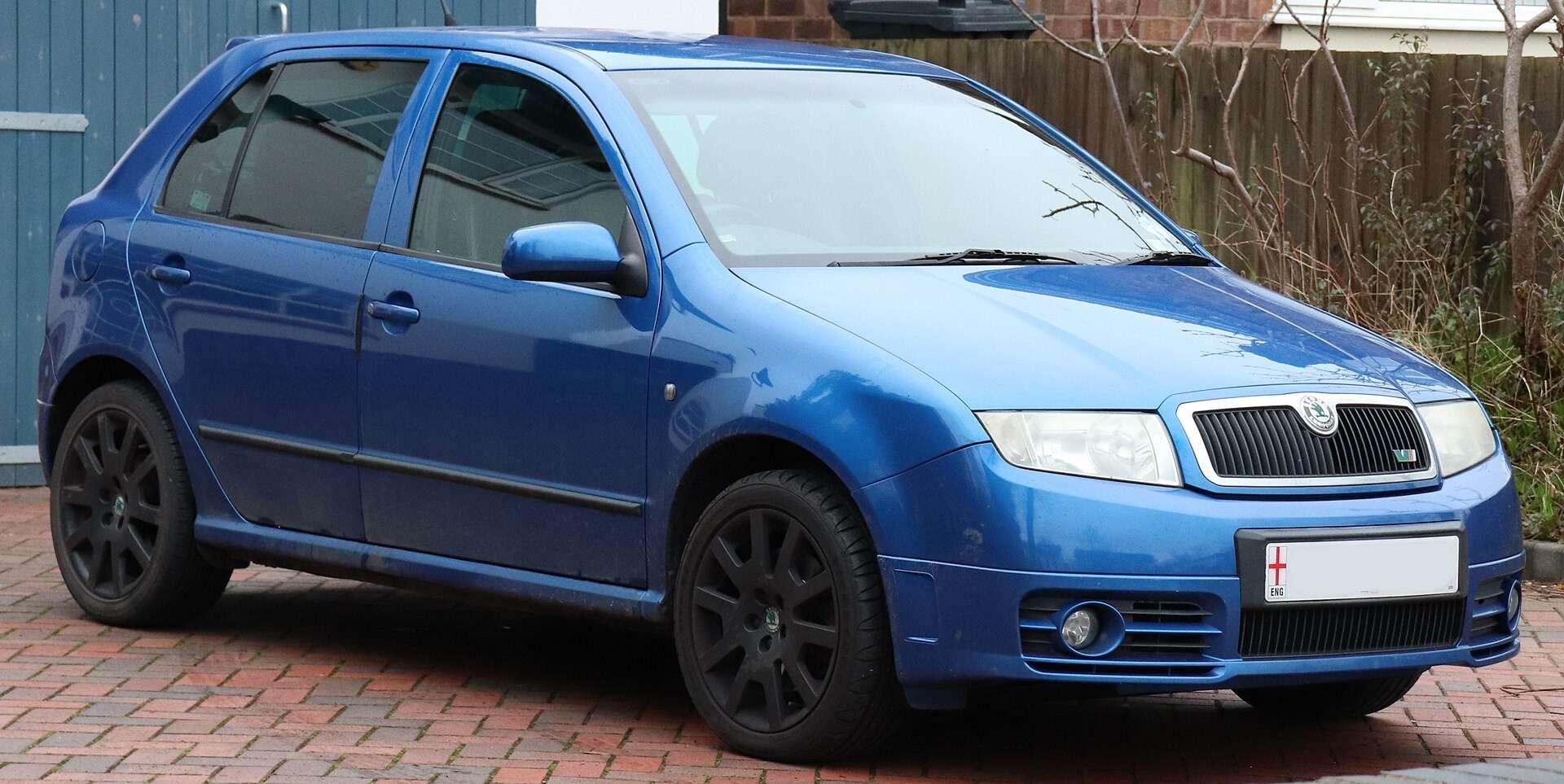
The first Škoda Fabia vRS was an unusual hot hatch: a diesel. Its 1.9-litre turbocharged engine made 130 PS and abundant mid-range torque, while its understated five-door body made it easy to use every day. Introduced in 2003, it became one of the defining affordable performance cars of early-2000s Britain.
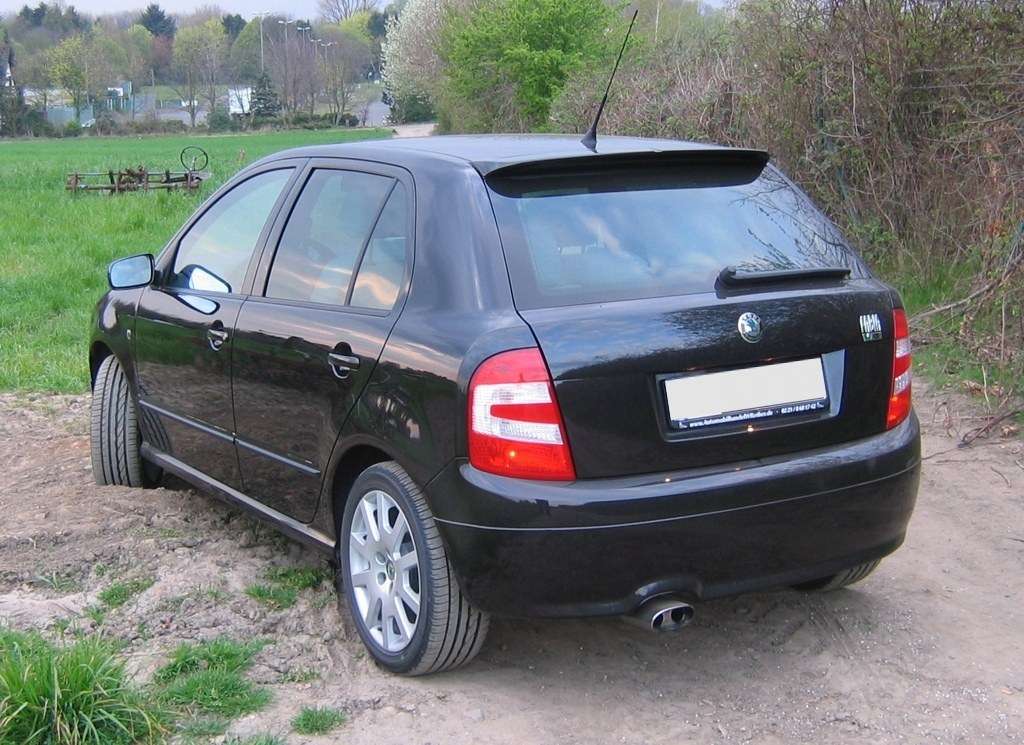
Featured image: 2005 Škoda Fabia vRS TDI. Photograph by Vauxford, CC BY-SA 4.0, via Wikimedia Commons; locally hosted.
Why Škoda built a diesel hot hatch
The first Fabia had already proved that a small Škoda could compete directly with mainstream European superminis. The RS version added performance without abandoning practicality or fuel economy. Škoda unveiled it in March 2003, using the vRS name in Britain.
The decision to use diesel power gave the car a distinct personality. It did not chase its maximum power at very high engine speeds; instead, its appeal came from a forceful surge of torque in normal road driving.
Engine and performance
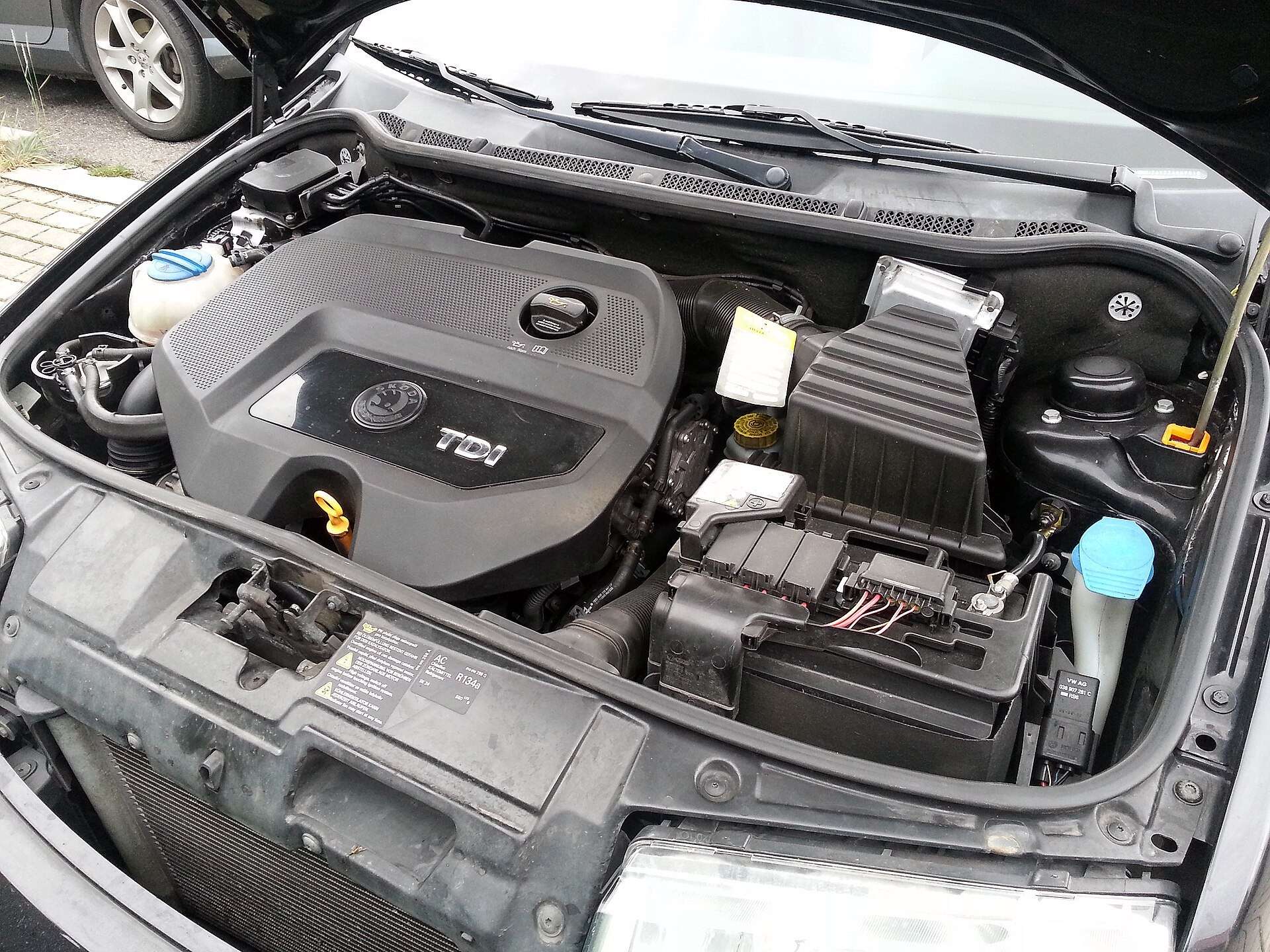
The 1,896cc four-cylinder TDI used unit-injector technology and produced 96 kW, or 130 PS. Škoda quoted 0–100 km/h in 9.6 seconds, a top speed of 204 km/h and combined fuel consumption of 5.6 litres per 100 km. A six-speed manual gearbox kept the engine in its strongest operating range.
Chassis and appearance
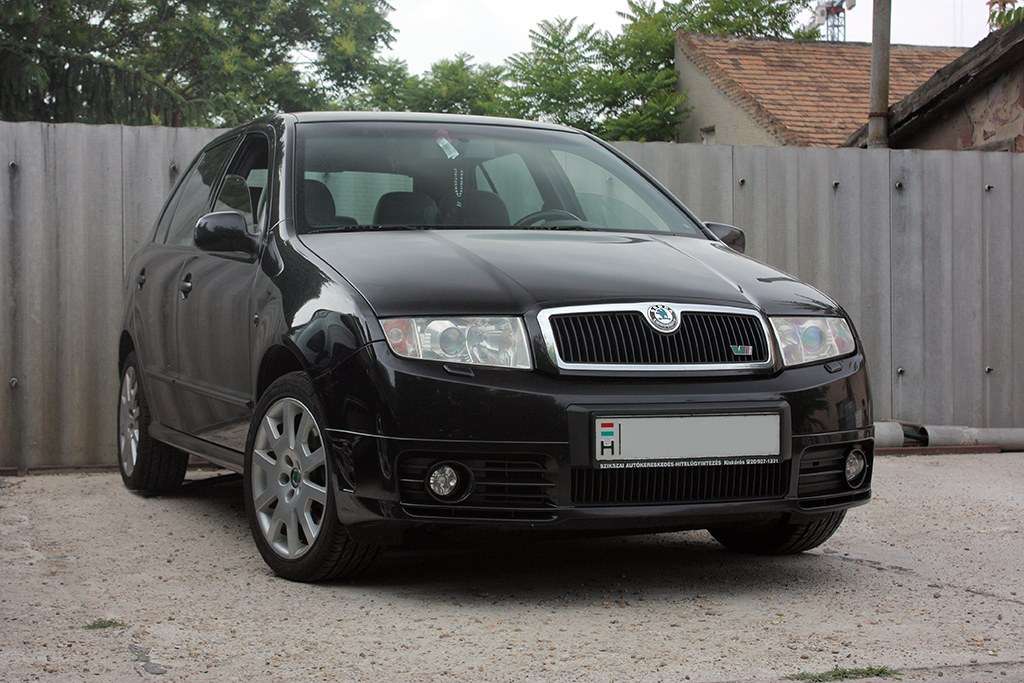
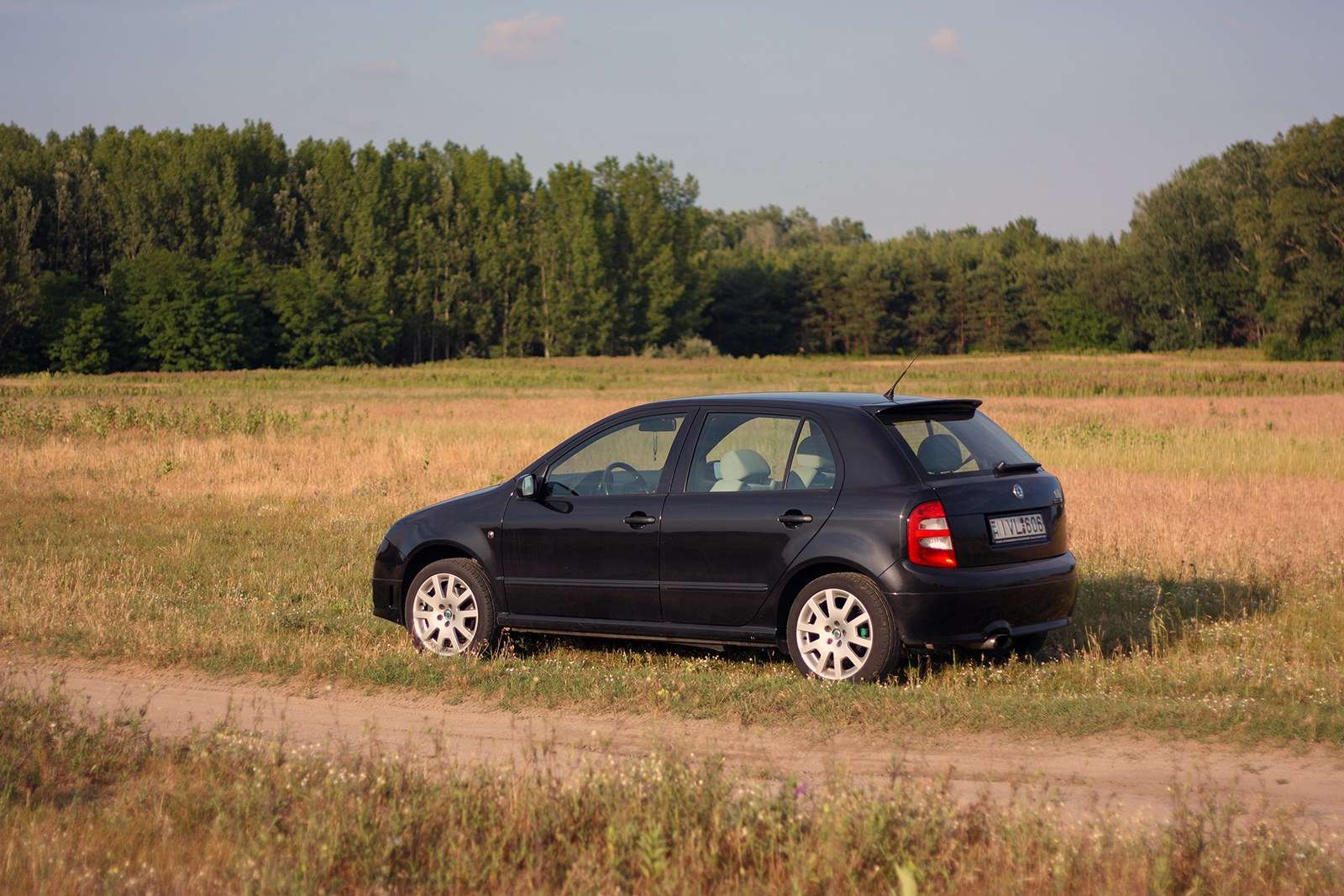
Lower suspension, larger wheels, stronger brakes and revised bumpers separated the vRS from ordinary Fabias. The visual changes remained subtle: a small rear spoiler, mesh details, badging and purposeful ride height did more than extravagant bodywork.
Cabin and practical character
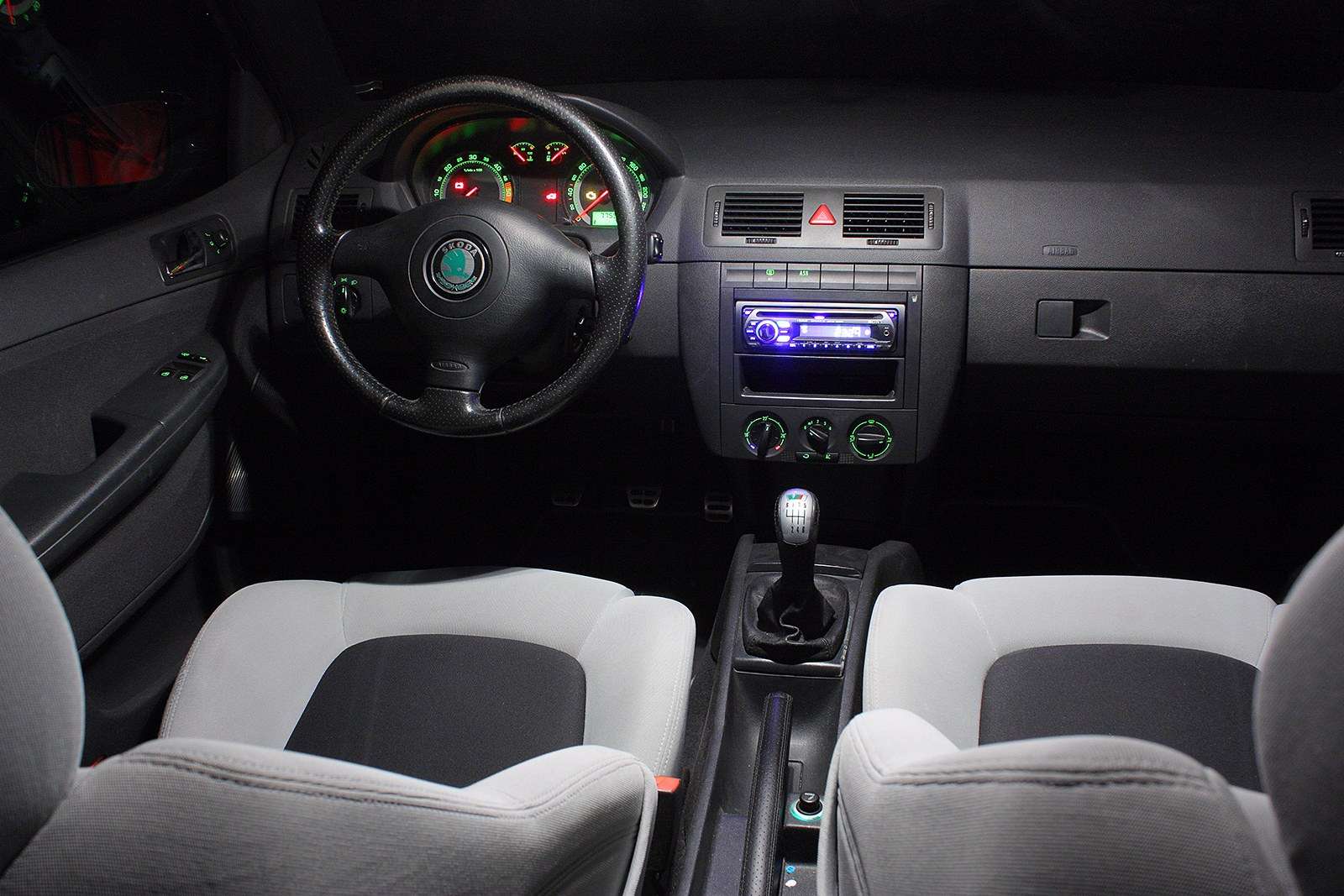
Sports seats, a three-spoke steering wheel and model-specific instruments distinguish the cabin, yet the five-door layout and useful rear space remain. This is central to the car’s identity: it is a compact performance model that can genuinely serve as daily transport.
Love cars you don’t see every day?
Get forgotten cars, surprising motoring stories and the most interesting finds from Unusual Cars by email.
Free to join. No spam. Unsubscribe whenever you like. See our privacy policy.
The Fabia WRC connection
Škoda’s official history records that at least 2,500 roadgoing Fabia RS cars were needed to satisfy the homologation process for the Fabia WRC. The competition machine was not mechanically the same: it used a 2.0-litre turbocharged petrol engine, four-wheel drive and purpose-built rally hardware. The connection is historical and regulatory, not a claim that the road car is a detuned rally car.

Škoda Fabia vRS Mk1 buying guide
Engine and fuel system
Look for frequent oil changes with the correct specification and proof of timing-belt and water-pump replacement. Camshaft wear, injector wiring faults, boost leaks, tired turbo control and exhaust smoke need investigation. A remap is not automatically harmful, but its calibration and the supporting maintenance must be documented.
Clutch and gearbox
Use full throttle in a high gear to expose clutch slip, and listen for dual-mass-flywheel rattle. The six-speed gearbox should select cleanly from cold and hot. Check inner driveshaft joints and mounts if vibration appears under load.
Suspension, brakes and tyres
Front bushes, springs, dampers and wheel bearings wear with age. Matching quality tyres and even wear matter because torque can exaggerate poor geometry. Modified suspension should be assessed for travel, alignment and insurance declarations.
Body and electrical equipment
Inspect arches, sills, doors, tailgate and jacking points, including earlier repairs hidden by underseal. Test central locking, windows, air conditioning, instruments and warning lamps, and confirm that the interior is complete.
Sources and further reading
Continue the Škoda story
The Fabia gave the RS badge a distinctly diesel interpretation. Explore the complete Škoda hub, then compare the original Octavia vRS, then discover the yellow Felicia Fun pickup.
Frequently asked questions
When was the first Fabia vRS launched?
The first-generation Fabia RS debuted in March 2003; UK cars carried the vRS badge.
Is the Mk1 Fabia vRS petrol or diesel?
It is diesel-powered, using a 1.9-litre turbocharged direct-injection engine rated at 96 kW or 130 PS.
How fast is the Mk1 Fabia vRS?
Škoda quoted 0–100 km/h in 9.6 seconds and a top speed of 204 km/h, approximately 127 mph.
Was the Fabia vRS connected to the Fabia WRC?
The road car helped meet the 2,500-unit homologation requirement, but the rally car used a different 2.0-litre turbocharged petrol engine and four-wheel drive.
What are the main buying checks?
Verify timing-belt servicing, camshaft and injector health, clutch and dual-mass flywheel condition, suspension wear, corrosion and the quality of any engine remap.