UNUSUAL CARS MODEL GUIDE
The first-generation Škoda Octavia vRS turned a spacious family hatchback into a discreet 180 PS performance car. Launched in 2000 and joined by an estate in 2002, it used Volkswagen Group’s turbocharged 1.8-litre 20-valve engine, a six-speed manual gearbox and a chassis tuned to cover ground quickly without sacrificing everyday usefulness.
Featured image: 2002 Škoda Octavia RS. Photograph by Calreyn88, CC BY-SA 4.0, via Wikimedia Commons; locally hosted.
How the first Octavia vRS happened
Volkswagen Group ownership gave Škoda access to a modern platform, engines and production methods, but the Octavia’s success also created room for a distinct performance derivative. The RS badge returned in 2000, echoing the company’s earlier competition cars while giving the new model a clear place above ordinary Octavias.
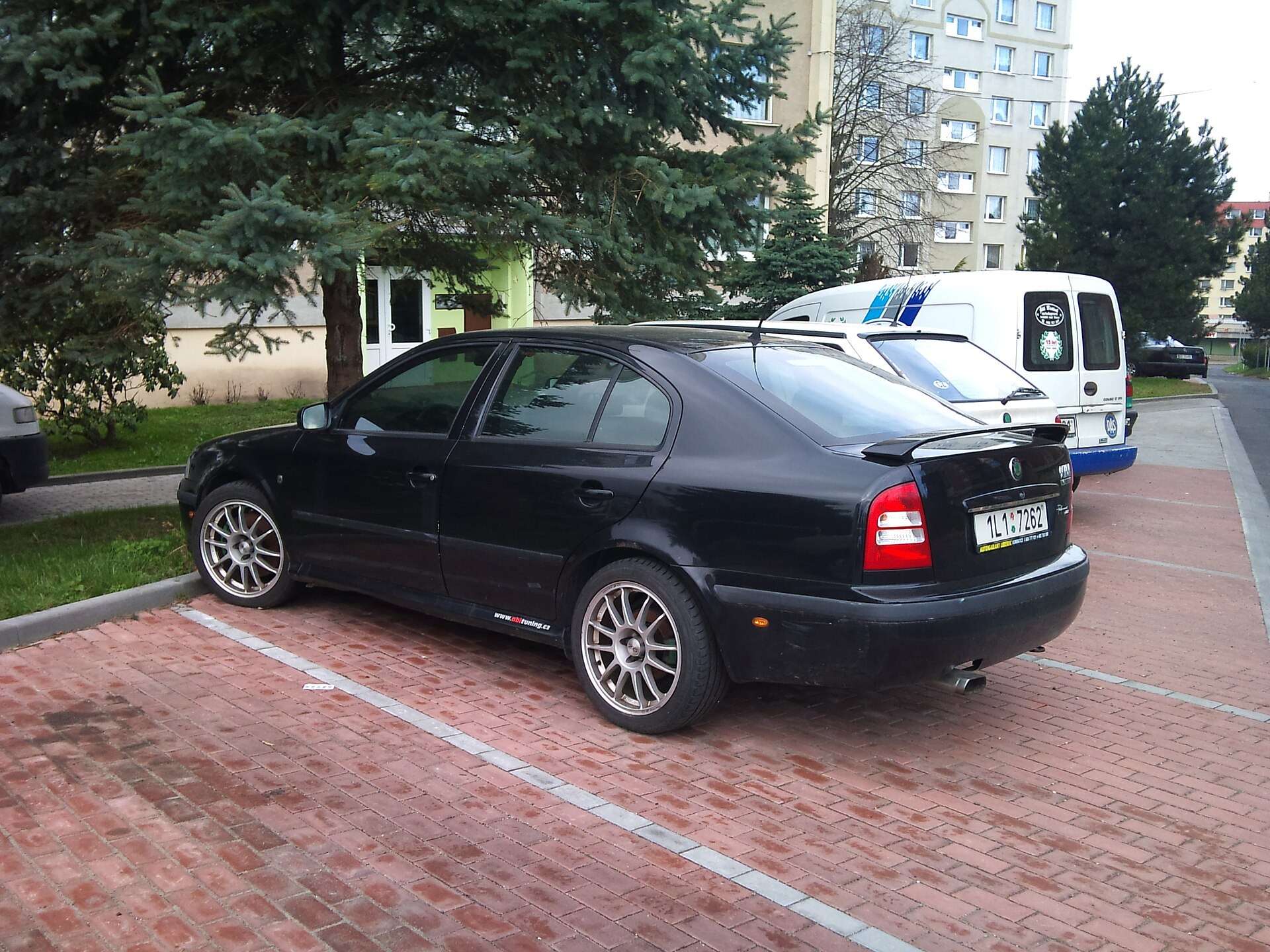
The formula was intentionally restrained. A deeper front bumper, boot spoiler, larger wheels, sports seats and subtle badging distinguished the car, but it remained recognisably an Octavia. That discretion became part of the model’s appeal in Britain, where the vRS name was used.

Engine, gearbox and performance
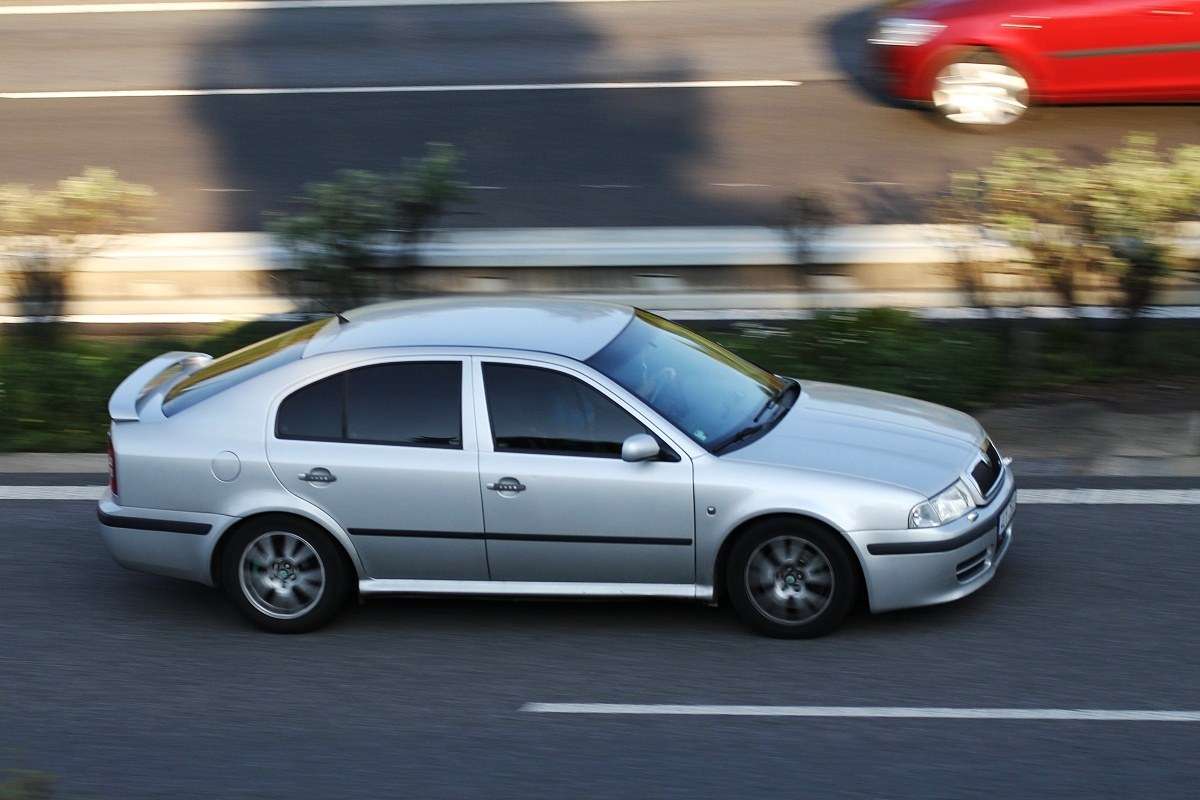
The 1,781cc turbocharged four-cylinder used five valves per cylinder and produced 132 kW, equivalent to 180 PS. Power went to the front wheels through a six-speed manual gearbox. Škoda quoted 235 km/h, or about 146 mph, making this the fastest production car in the marque’s range at launch.
The engine’s broad mid-range delivery suited the Octavia’s dual role. It could travel quietly with passengers and luggage, then deliver strong overtaking performance without the high-revving manner of some contemporary hot hatchbacks.
Hatchback and estate
| Version | Introduced | Character |
|---|---|---|
| Octavia RS/vRS liftback | 2000 | The original and lightest body style, with a large hatch and discreet rear spoiler. |
| Octavia RS/vRS Combi | 2002 | An estate with the same 180 PS drivetrain and greater luggage capacity. |
More than 17,600 first-generation RS models were produced according to Škoda’s official model history. The number is modest beside later vRS generations, which helps explain why unmodified examples now feel distinctive.
Love cars you don’t see every day?
Get forgotten cars, surprising motoring stories and the most interesting finds from Unusual Cars by email.
Free to join. No spam. Unsubscribe whenever you like. See our privacy policy.
Cabin and everyday use
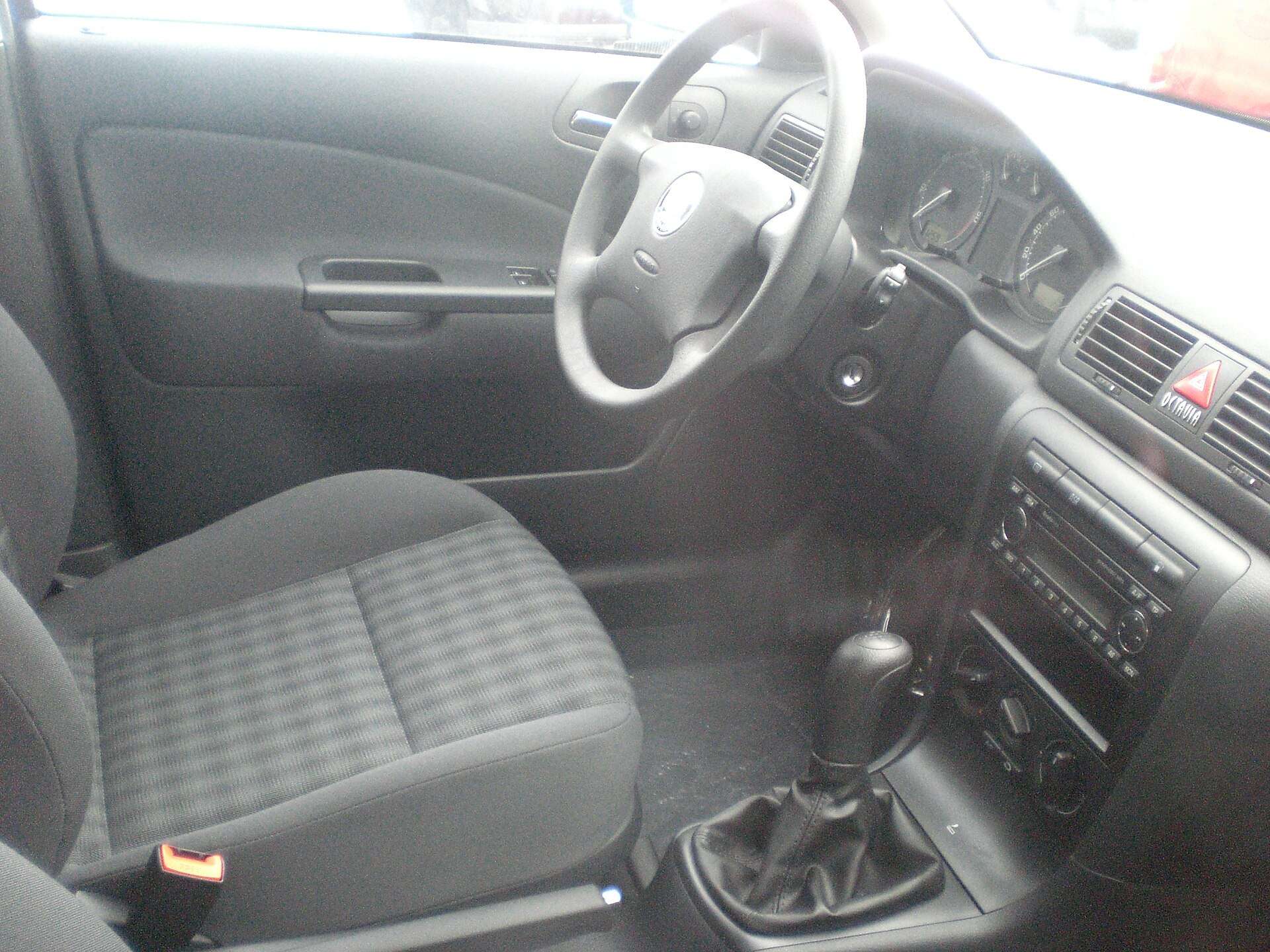
The dashboard architecture is conventional and hard-wearing, while supportive front seats, white-faced instruments and vRS details lift the atmosphere. The liftback opens onto a genuinely useful luggage area and the rear cabin is more accommodating than many hot hatchbacks of the period.
From Octavia WRC to road-car identity
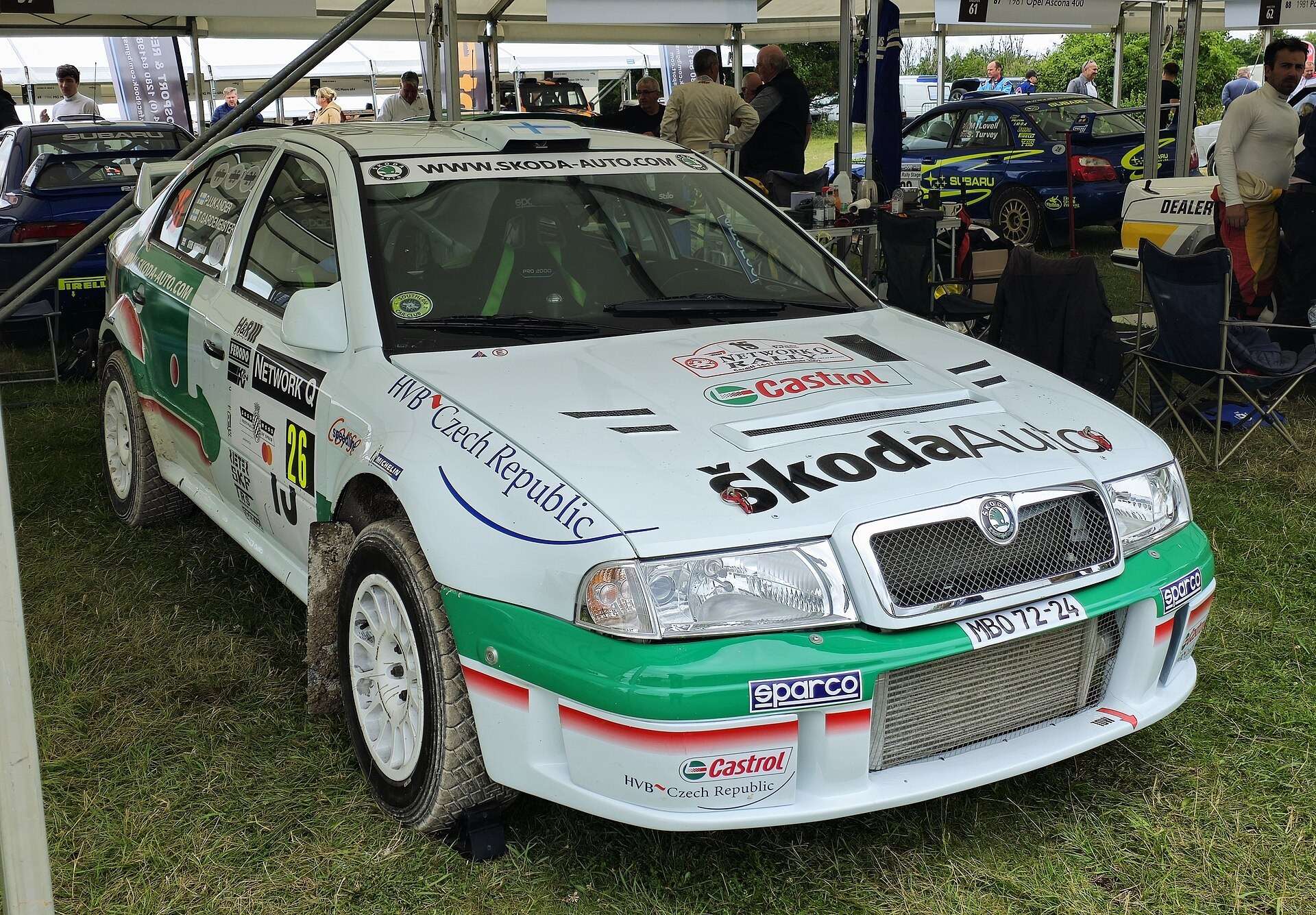
The road vRS was not a homologation special, but it arrived while Škoda was competing internationally with the Octavia WRC. That rally programme gave the Octavia shape a performance association and helped the RS badge feel credible rather than cosmetic.
Škoda Octavia vRS Mk1 buying guide
Engine and servicing
Demand proof of scheduled timing-belt work and sensible oil changes. Check for smoke, boost leaks, hesitant acceleration, unstable idle and neglected crankcase-breather hoses. Cooling fans, thermostat, water pump and temperature stability deserve attention.
Gearbox, clutch and drivetrain
The six-speed gearbox should select cleanly without bearing noise. Test clutch engagement under load, listen for dual-mass-flywheel symptoms and inspect driveshaft joints and engine mounts. Aggressive software or hardware changes should be supported by invoices and careful maintenance.
Chassis, brakes and tyres
Worn front bushes, dampers, springs and anti-roll-bar components can make the car feel loose or noisy. Uneven tyre wear may point to alignment or accident damage. Check that brake upgrades and lowered suspension are properly engineered.
Body, cabin and electrics
Inspect sills, arches, tailgate, door bottoms and the underside rather than assuming galvanised panels are immune. Test climate control, windows, locks, instruments and warning lamps, and look for water entry around doors and the luggage area.
Sources and further reading
- Škoda Storyboard: how the Octavia RS evolved
- Škoda Octavia family press kit
- Škoda RS models: sporty by tradition
Continue the Škoda story
The Octavia established the modern vRS formula. Explore the complete Škoda hub, then meet the diesel-powered first Fabia vRS, then trace the rear-engined Estelle and Rapid line.
Frequently asked questions
When did the first Škoda Octavia vRS arrive?
The original Octavia RS was introduced in 2000, with the estate version following in 2002. UK cars used the vRS badge.
What engine is in the Mk1 Octavia vRS?
It uses a turbocharged 1.8-litre 20-valve petrol engine producing 132 kW, or 180 PS, with a six-speed manual gearbox.
How fast is a Mk1 Octavia vRS?
Škoda quoted a top speed of 235 km/h, approximately 146 mph. Acceleration figures vary slightly by body style and source.
Was the first Octavia vRS available as an estate?
Yes. The hatchback arrived first and the practical Combi estate joined the range in 2002.
What should I check before buying one?
Check timing-belt and water-pump history, turbo and breather health, front suspension wear, corrosion, air conditioning, warning lights and evidence of poor modifications.