UNUSUAL CARS MODEL GUIDE
The Jaguar X-Type was the marque’s compact saloon and estate, built from 2001 to 2009. It remains unusual for combining Jaguar styling with transverse engines, optional all-wheel drive and, later, diesel power and an estate body.
Quick answer: petrol X-Types used 2.0-, 2.5- and 3.0-litre V6 engines, with four-wheel drive on the larger early petrol versions. Diesels and front-wheel-drive petrol models widened the range, while the 2004 estate became Jaguar’s first production estate car.
Why Jaguar built the X-Type
Jaguar needed a smaller model below the S-Type to compete with compact executive saloons. Developed under Ford ownership on the CD132 programme, the X-Type shared part of its architecture with the contemporary Mondeo but received Jaguar-specific bodywork, cabin, suspension tuning, powertrains and four-wheel-drive hardware.
Petrol V6 and all-wheel drive
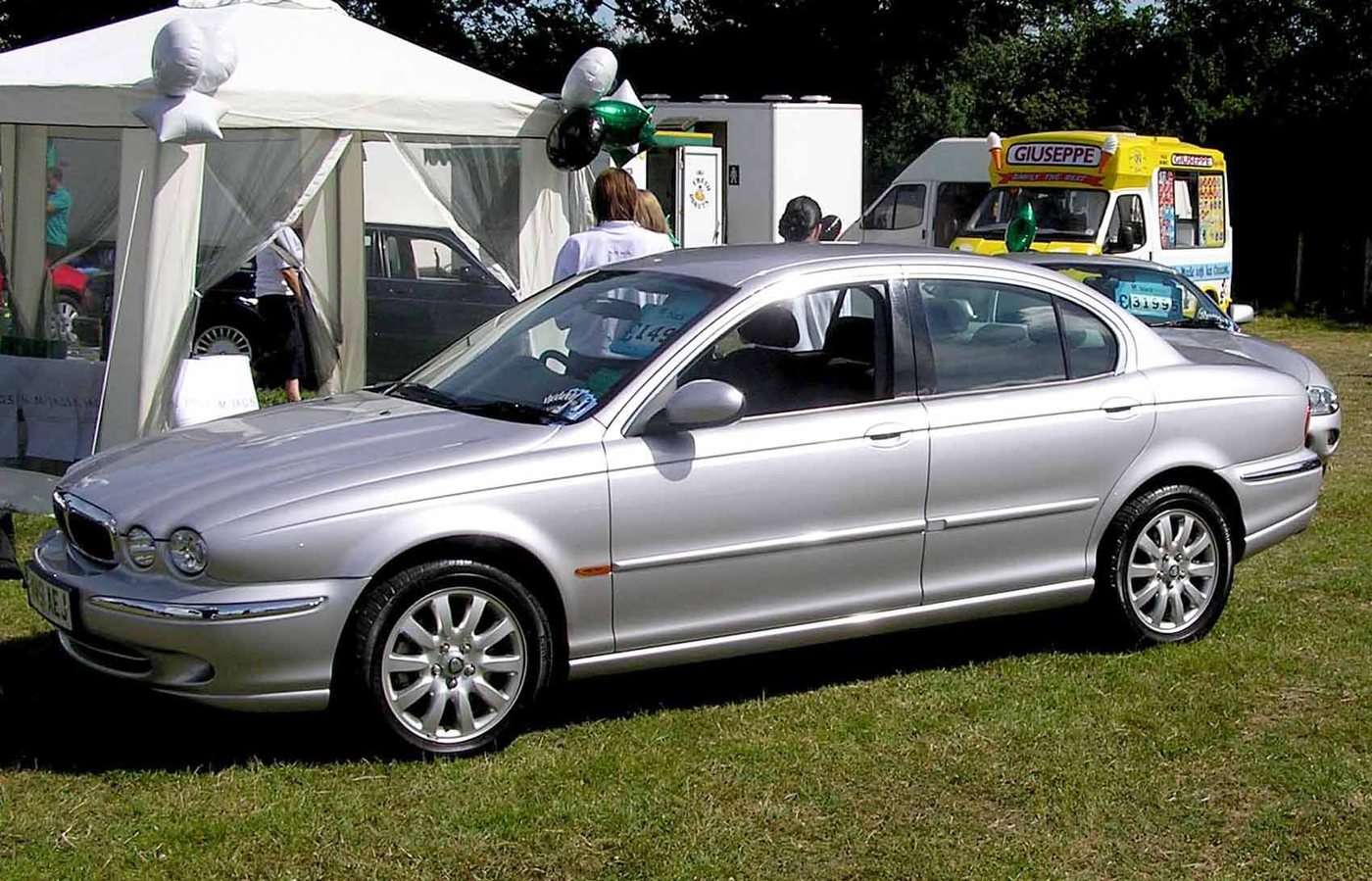
The 2.5- and 3.0-litre petrol cars used Jaguar’s AJ-V6 and permanent all-wheel drive. A 2.0-litre front-wheel-drive V6 followed as a lower-cost entry point. Manual and automatic gearboxes were offered, and Sport versions brought firmer suspension and less traditional trim.
Main Jaguar X-Type versions
| Version | Powertrain | Buyer’s note |
|---|---|---|
| 2.0 V6 | Petrol V6, front-wheel drive | Simpler driveline; check cooling and clutch or automatic operation |
| 2.5 / 3.0 V6 | Petrol V6, all-wheel drive | Inspect transfer case, propshaft and matching tyres |
| 2.0D / 2.2D | Four-cylinder diesel, front-wheel drive | Check injectors, turbo, EGR, dual-mass flywheel and DPF where fitted |
| Estate | Petrol or diesel | Check tailgate wiring, load-area water ingress and rear suspension |

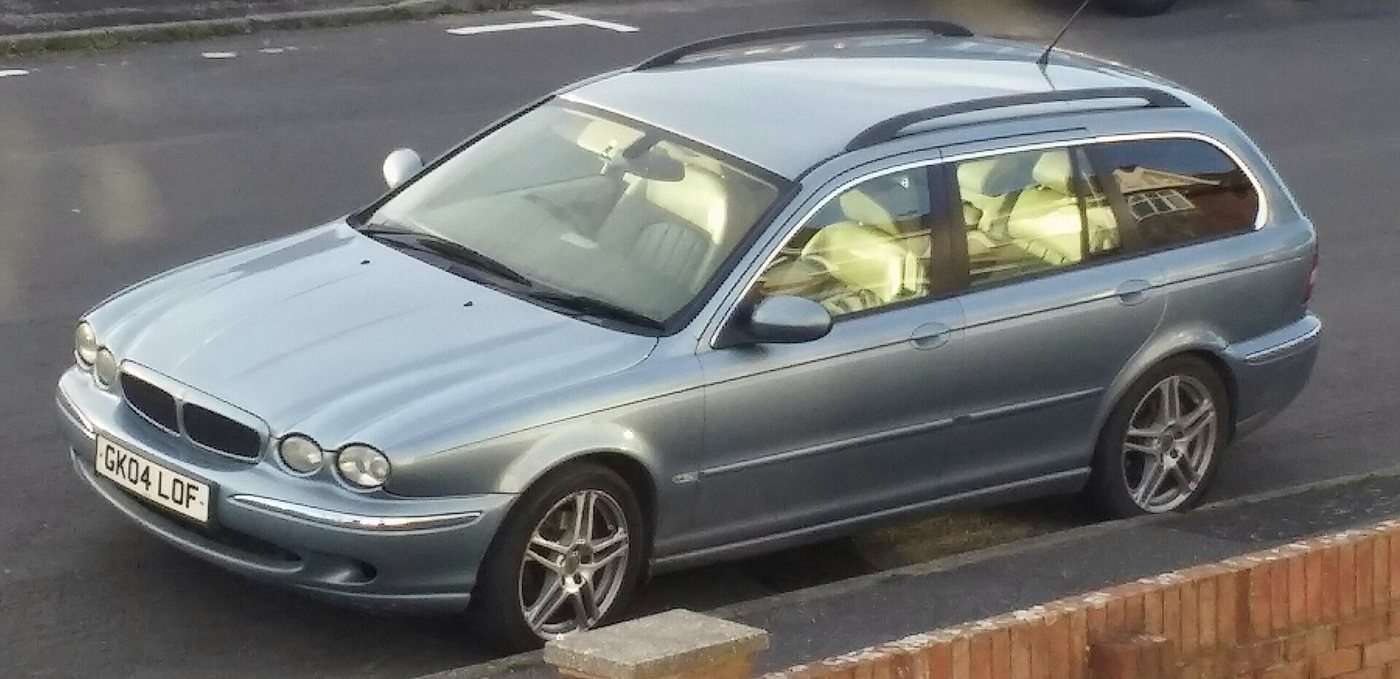
Jaguar’s first production estate
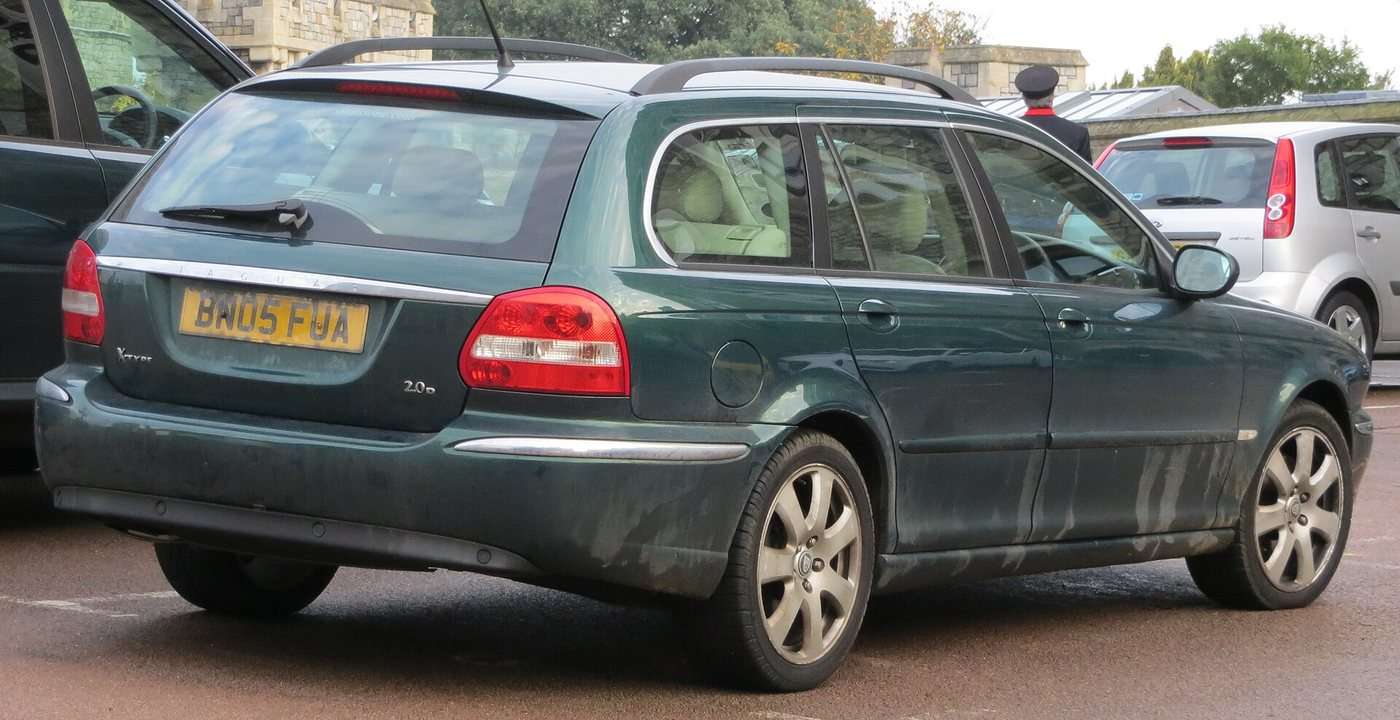
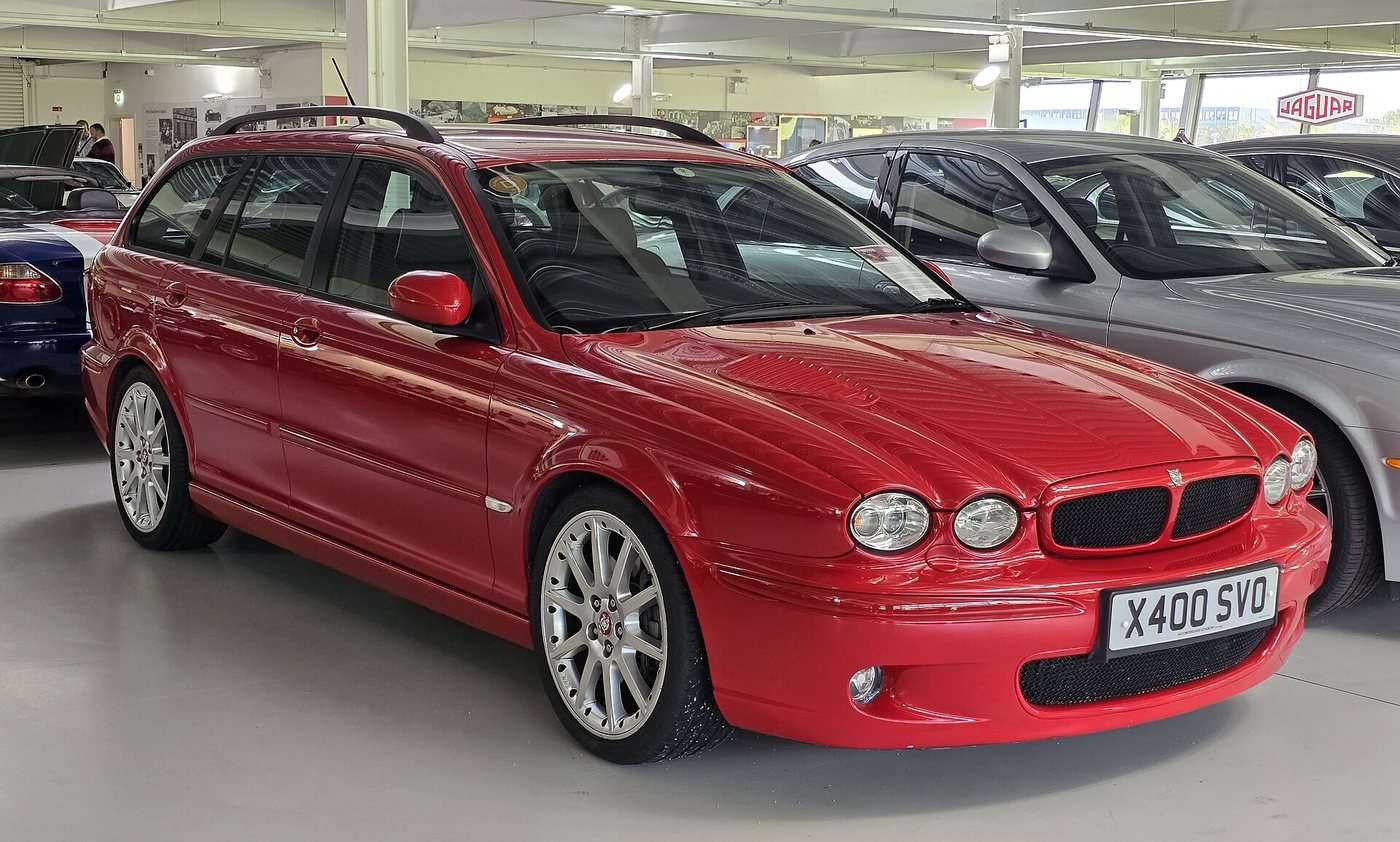
The estate arrived for 2004 with a roof and tailgate engineered specifically for the model rather than simply extending the saloon. It gave Jaguar a practical rival to German compact estates and is now one of the most distinctive X-Type derivatives.
Love cars you don’t see every day?
Get forgotten cars, surprising motoring stories and the most interesting finds from Unusual Cars by email.
Free to join. No spam. Unsubscribe whenever you like. See our privacy policy.
Jaguar X-Type buying guide
Corrosion and water ingress
Inspect sills, jacking points, floor edges, wheelarches, subframes and suspension mounts. Blocked drains and failed seals can wet carpets and damage control modules. Estate tailgates and rear load areas need particular attention.
Driveline and transmission
On all-wheel-drive cars, listen for transfer-case, propshaft and differential noise and confirm that all four tyres match closely. Manuals can suffer clutch and dual-mass flywheel wear; automatics should engage promptly and shift without flare or harshness.
Diesel and petrol-engine checks
Diesels need evidence of injector, turbo, EGR and cambelt maintenance, plus DPF care on later examples. Petrol V6 cars should reach stable temperature without coolant loss, misfires or warning lights. Test every electrical accessory and climate-control function.

Development cars and unrealised performance
Jaguar experimented with supercharged X-Type estates and other high-performance prototypes. They never became regular production models, but they demonstrate how much development potential the compact platform offered.
Research sources
Continue the Jaguar story
Explore the Rare & Performance Jaguar hub, then compare the Jaguar XJS guide and the Jaguar X308 XJR guide.
Frequently asked questions
When was the Jaguar X-Type built?
Jaguar produced the X-Type from 2001 to 2009.
Is the Jaguar X-Type four-wheel drive?
The 2.5- and 3.0-litre petrol cars were generally all-wheel drive; several other versions were front-wheel drive.
Was the X-Type Jaguar’s first estate?
Yes. The X-Type Estate launched for 2004 as Jaguar’s first series-production estate car.
Which X-Type engine is best?
The answer depends on use: the 3.0 V6 offers the strongest character, while a well-maintained 2.2 diesel suits economical long-distance use.
What are the main X-Type problems?
Check corrosion, water ingress, suspension, all-wheel-drive components, automatic or clutch condition, diesel ancillaries and electrical systems.