UNUSUAL CARS MODEL GUIDE
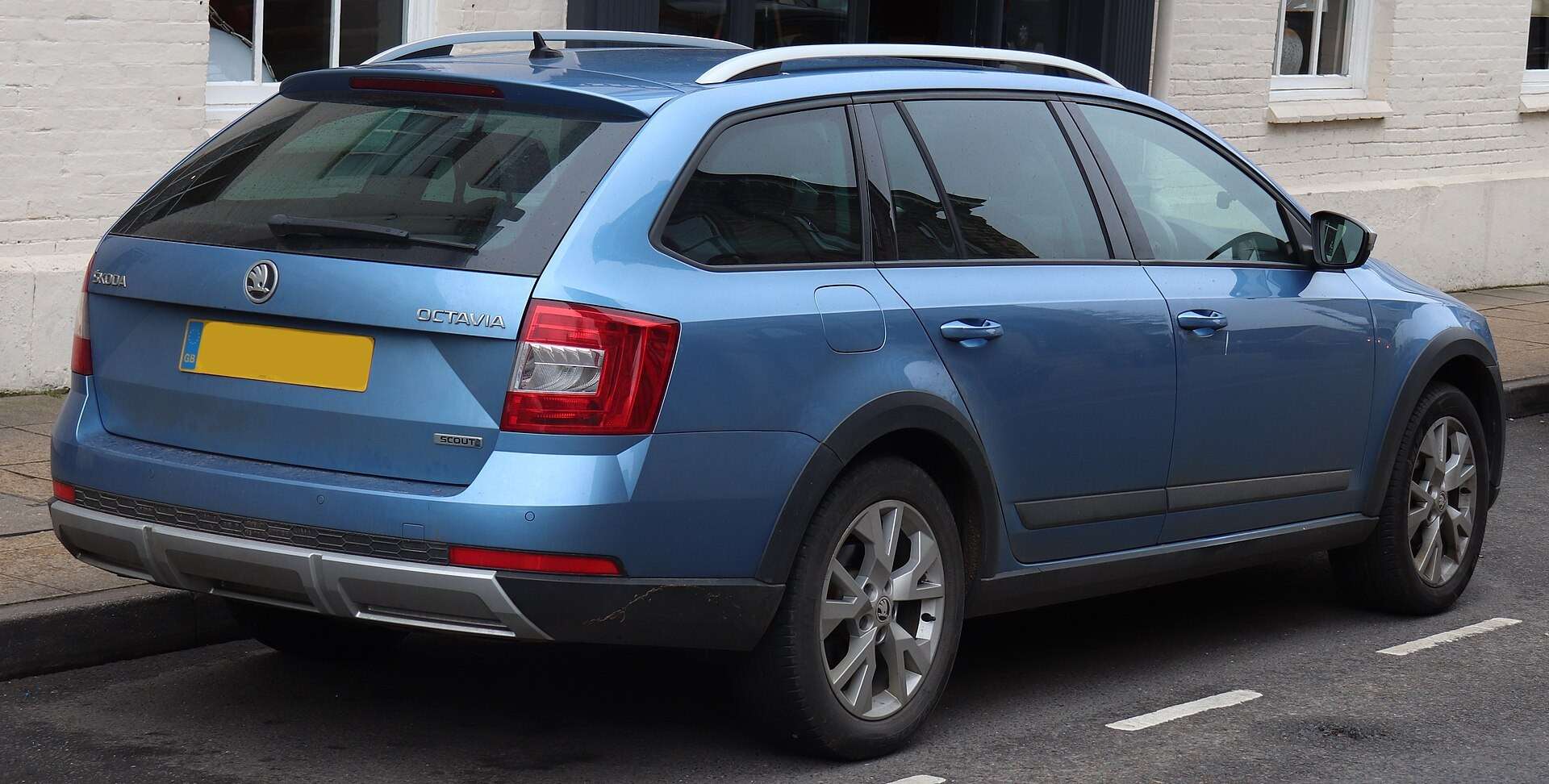
The Škoda Octavia Scout was Britain’s raised, four-wheel-drive Octavia estate. It added protective cladding, extra ground clearance, underbody protection and an off-road driving emphasis without becoming a full SUV. UK retail buyers received second- and third-generation Scouts; the fourth-generation version was restricted mainly to emergency-services fleets.
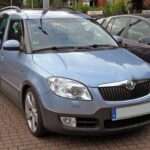
Featured image: 2008 UK-market Škoda Octavia Scout 2.0 TDI. Photograph by Vauxford, CC BY-SA 4.0, via Wikimedia Commons; locally hosted.
Where the Scout fits
The Scout followed the European tradition of adapting a conventional estate for light off-road use. Instead of the height, weight and packaging compromises of a dedicated SUV, Škoda retained the Octavia’s long luggage floor and road-car driving position. Revised bumpers, dark wheelarch extensions, sill protection and a raised chassis supplied the visual identity.
The name matters. A full Octavia Scout combines the styling changes with four-wheel drive and chassis hardware. Later ScoutLine versions on other Škodas could be appearance packages without the same drivetrain. Used adverts sometimes blur that distinction, so confirm the VIN specification rather than relying on black plastic trim.
Second- and third-generation Scouts
| Generation | UK-market character | Identification |
|---|---|---|
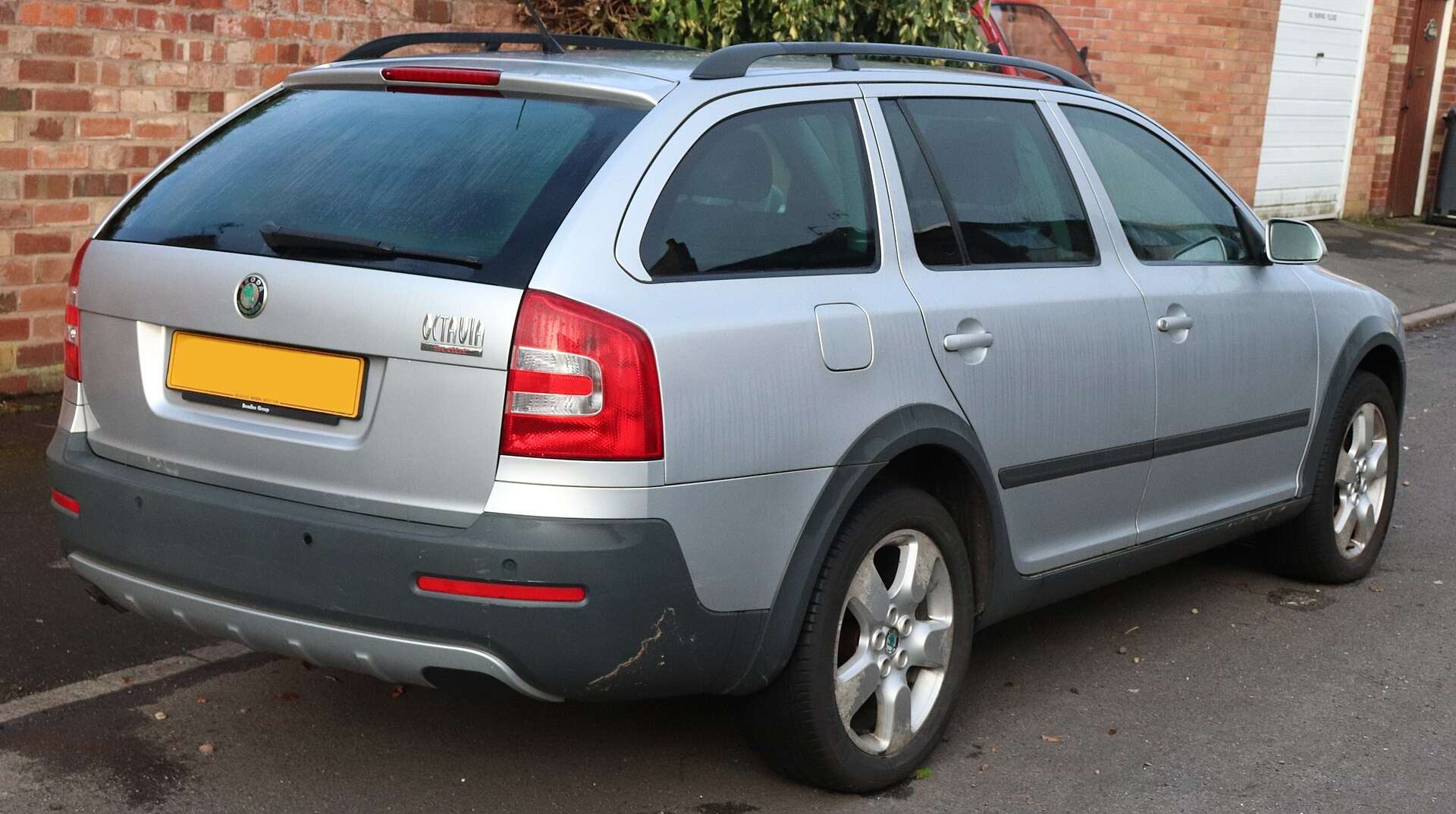
| Octavia II Scout | Introduced the familiar raised estate formula to many British buyers; commonly found with 2.0 TDI power. | Rounded Mk2 body, silver-look lower protection and pronounced cladding. |
| Octavia II facelift | Revised front styling and later powertrain developments. | Facelift headlamps and grille; verify engine code and emissions equipment. |
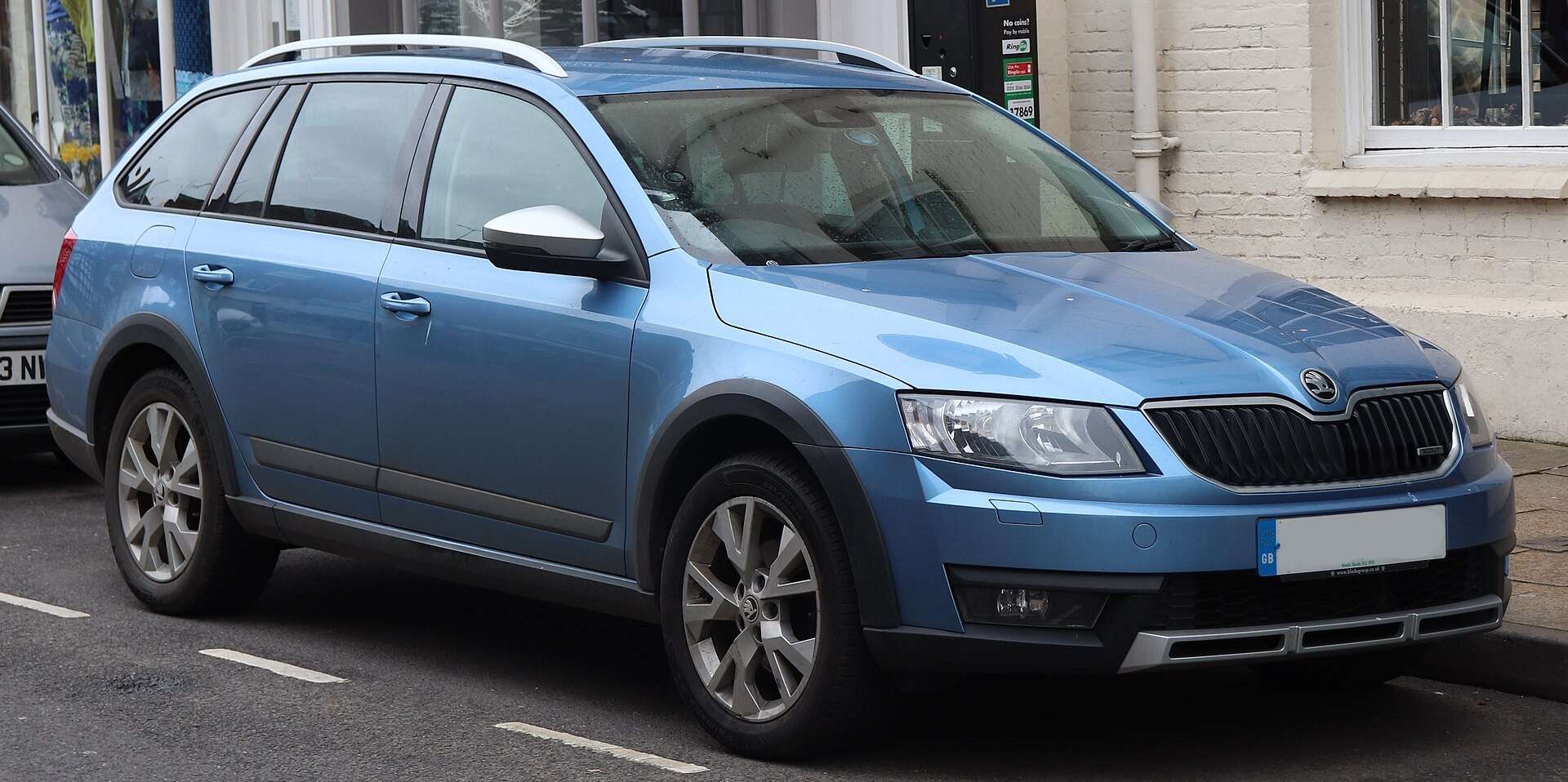
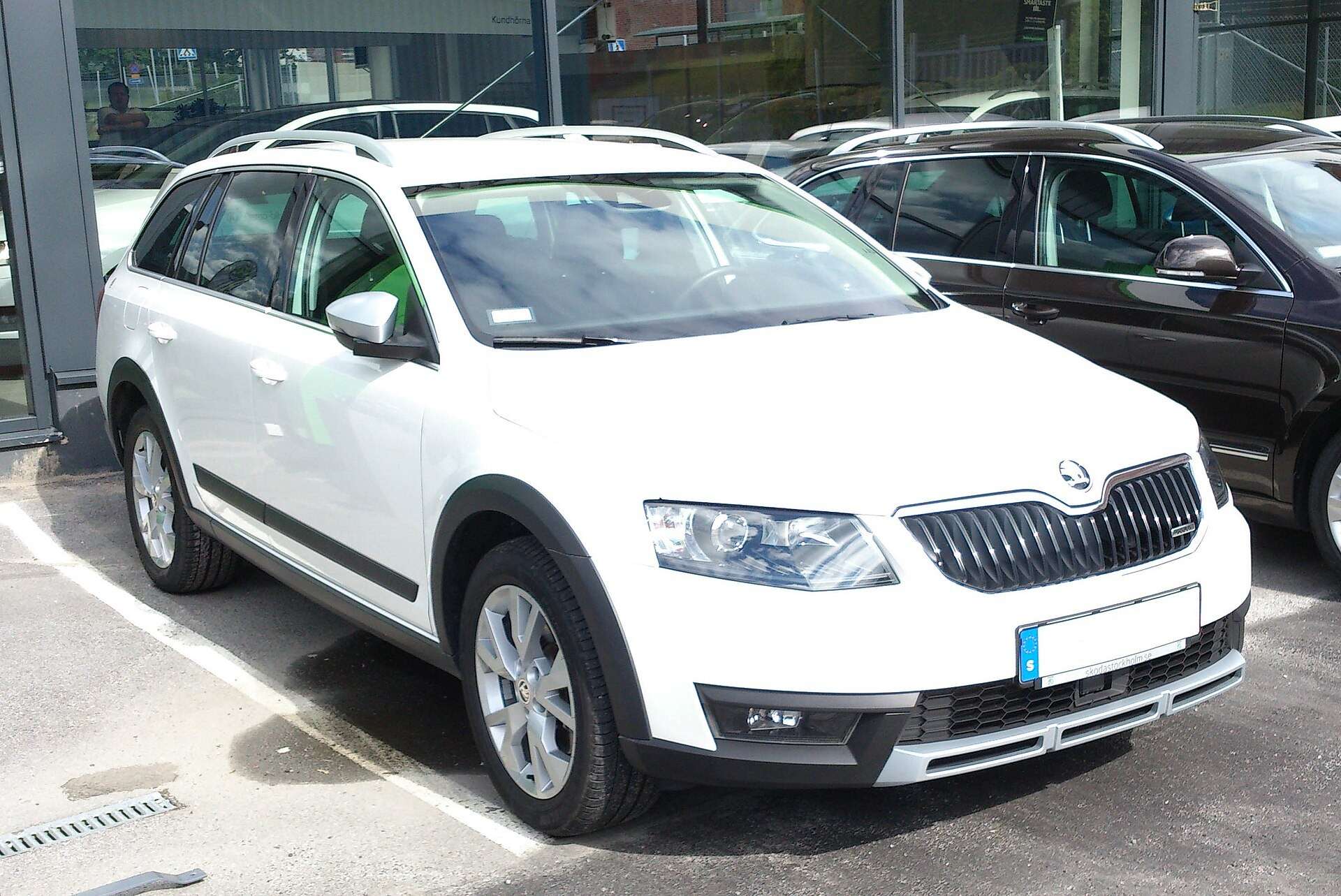
| Octavia III Scout | More modern cabin, lower weight and broader driver-assistance availability. | Sharper body, later infotainment and generation-specific 4×4 system. |

The third-generation car
The Mk3 Scout built on the successful Octavia estate introduced in 2013. Škoda’s history records the Scout as an important expansion of the estate range, combining automatic-transmission availability and advanced four-wheel drive with the model’s strong load-carrying reputation. UK cars are most often diesels, making them natural tow cars and long-distance family transport.
Love cars you don’t see every day?
Get forgotten cars, surprising motoring stories and the most interesting finds from Unusual Cars by email.
Free to join. No spam. Unsubscribe whenever you like. See our privacy policy.
How the four-wheel drive works
An electronically controlled multi-plate coupling sends drive to the rear axle when conditions require it. It is designed to react quickly rather than operate as a permanently locked system. The arrangement improves traction on wet roads, snow, grass and loose surfaces, but it still depends on four correctly sized, closely matched tyres.
Ground clearance and underbody protection help on rutted tracks, yet the Scout retains road-biased tyres, passenger-car suspension travel and vulnerable bodywork. Evidence of heavy off-road use or careless towing should prompt a more detailed inspection.
Buying guide
Engine and emissions equipment
Identify the engine code before applying any maintenance advice. Check timing-belt requirements, oil specification and cooling-system history. Diesel cars need clean starting, progressive boost and no DPF, EGR or AdBlue warnings where those systems are fitted. Regular short journeys are a poor match for later diesel emissions hardware.
DSG, clutch and four-wheel drive
Manual cars need a progressive clutch and quiet dual-mass flywheel. DSG cars should engage smoothly cold and hot and have documented fluid servicing. The four-wheel-drive coupling also needs the correct fluid maintenance. Diagnostic scans can reveal stored faults that a brief road test misses.
Tyres, suspension and underside
All four tyres should match in size and preferably brand and wear. Check wheel alignment, broken springs, tired dampers, bushes and bearings. Inspect the floor, exhaust, heat shields, fuel lines and protective panels for impact damage. Mud packed behind plastic cladding can retain moisture.
Body and cabin
Inspect the tailgate, spare-wheel well, roof rails, door bottoms and sills for damage or water ingress. Test air conditioning, infotainment, parking sensors, tow-bar electrics and driver-assistance systems. A clean cabin does not guarantee gentle use, so compare wear with the recorded mileage.
The fourth-generation UK exception
The newest Scout was not a normal British retail derivative. Škoda UK promoted it for emergency-services fleets with 150 PS and 200 PS diesels, DSG and four-wheel drive. That distinction should be stated whenever the generations are compared: a privately owned UK Mk4 may have unusual fleet history or be an import.
Why it matters
The Octavia Scout offers a genuinely different answer to the family-SUV question. It is lower, longer and more discreet, with an estate-car boot and useful all-weather hardware. As SUVs became dominant, this sort of specialised raised estate became easier to overlook.
Sources
- Škoda UK: 25 years of the Octavia estate
- Škoda UK: fourth-generation Octavia Scout fleet specification
- Škoda UK: four-wheel-drive technology
Continue the Škoda story
The Scout added poor-weather ability without abandoning the Octavia estate format. Explore the complete Škoda hub, then compare the road-focused Octavia vRS Mk2, then continue with the Škoda Yeti.
Frequently asked questions
Was the Škoda Octavia Scout sold in the UK?
Yes. Second- and third-generation Octavia Scout estates were offered to British retail customers. The fourth-generation Scout was supplied in the UK primarily through emergency-services channels.
Is every Octavia Scout four-wheel drive?
The UK Scout models covered here use an electronically controlled four-wheel-drive system. Ordinary ScoutLine appearance versions should not be confused with a full Scout.
How is a Scout different from a normal Octavia estate?
A Scout combines raised suspension, protective body cladding, underbody protection and four-wheel drive with the Octavia estate’s normal passenger and luggage space.
Which engines were available?
UK availability varied by generation and model year, but 2.0-litre TDI diesel engines dominate. Some markets and periods also offered petrol power, so imported cars require specification checks.
What should be checked before buying?
Verify timing-drive and emissions-system maintenance for the exact engine, DSG servicing where fitted, four-wheel-drive coupling service, matched tyres, suspension, underbody damage and water leaks.