UNUSUAL CARS MODEL GUIDE
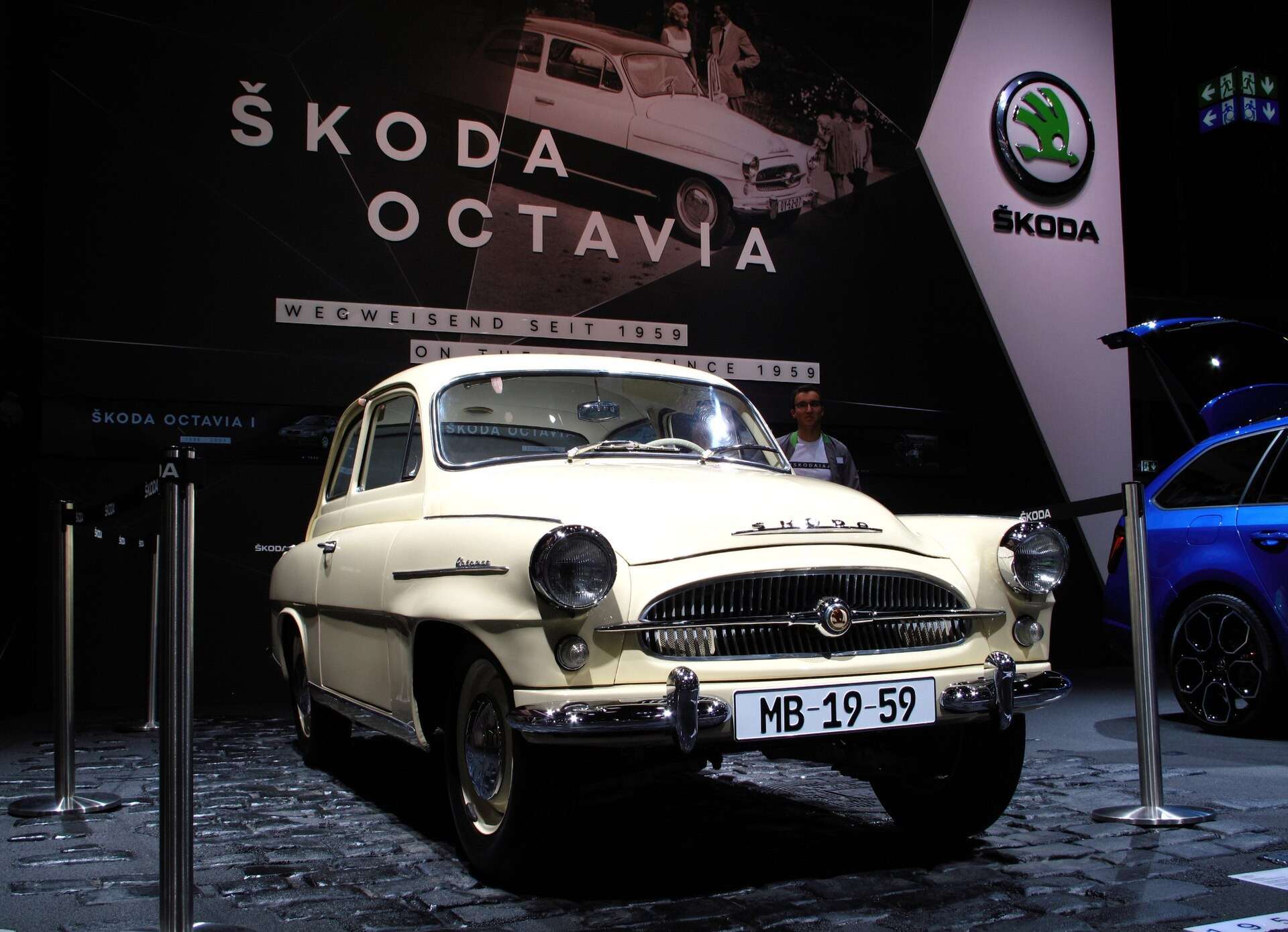
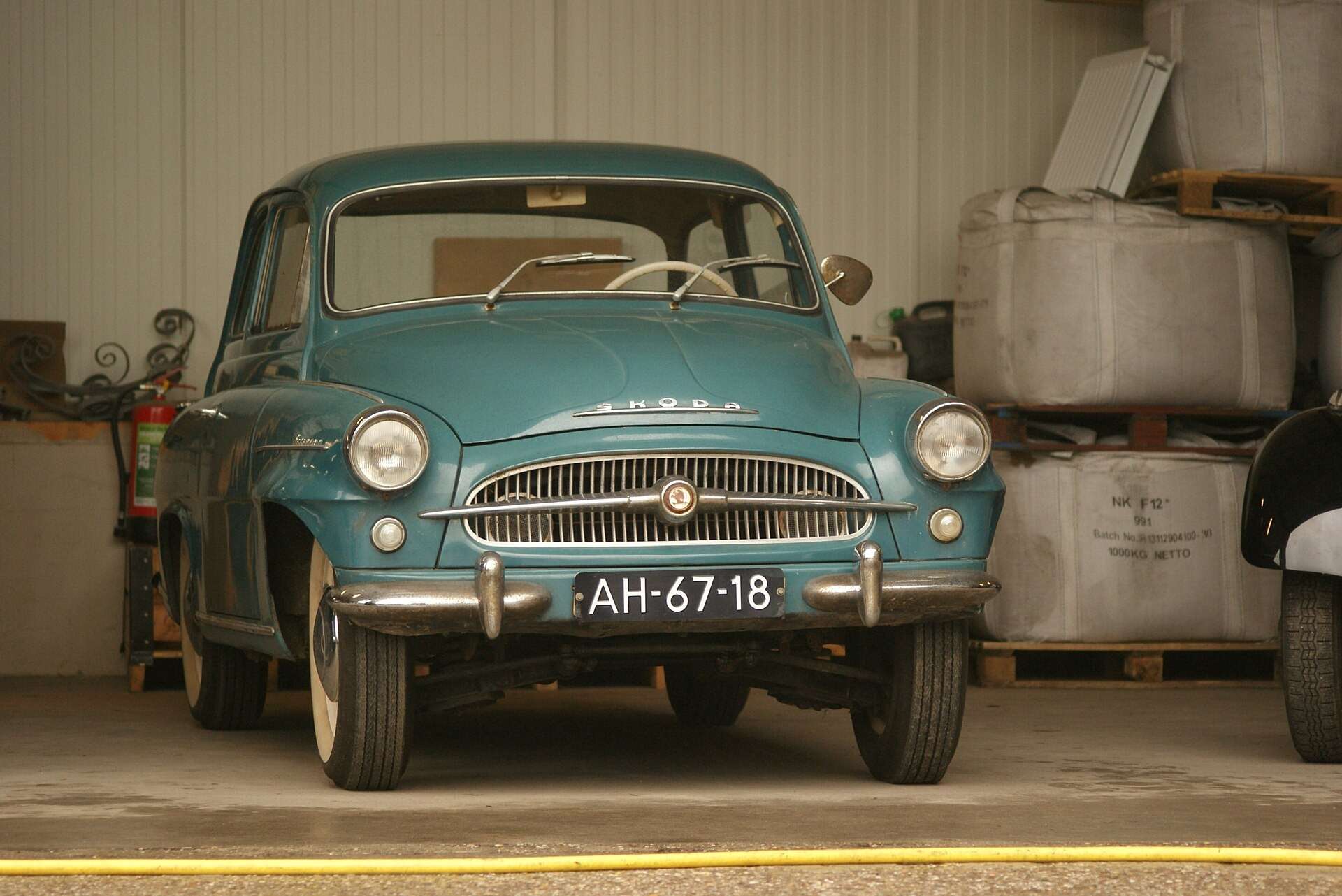
Long before the familiar modern hatchback, the original Škoda Octavia was a compact front-engined, rear-wheel-drive saloon launched in 1959. The Octavia Super added useful power, the Touring Sport went rallying and the remarkably practical Combi estate remained in production until 1971. UK imports made it part of Britain’s early Škoda story.
Featured image: 1959 Škoda Octavia saloon. Photograph by Rutger van der Maar, CC BY 2.0, via Wikimedia Commons; locally hosted.
Why the name Octavia
Octavia means eighth. The name marked Škoda’s eighth post-war model and arrived with a substantial revision of the 440 Spartak. Coil-sprung independent front suspension replaced the earlier transverse leaf spring, while the central backbone chassis and rear-wheel-drive layout continued.
The body retained rounded 1950s proportions but gained a cleaner grille and numerous mechanical refinements. It was conventional in size yet unusual in construction, offering durability on rough roads and simple maintenance for export customers.
Models and specifications
| Model | Engine and output | Production role |
|---|---|---|
| Octavia | 1,089 cc, about 40 PS | Core saloon from 1959. |
| Octavia Super | 1,221 cc, about 45 PS | More torque and improved cruising ability. |
| Touring Sport | Tuned 1.1/1.2 engines | Higher-output competition-oriented version. |
| Octavia Combi | Estate body, 1961–1971 | Fold-flat practicality and unusually long production life. |
More than 360,000 first-generation Octavias were built, including over 54,000 estates. Saloon production ended in 1964, but the Combi continued because its replacement range lacked an equivalent load carrier.

Love cars you don’t see every day?
Get forgotten cars, surprising motoring stories and the most interesting finds from Unusual Cars by email.
Free to join. No spam. Unsubscribe whenever you like. See our privacy policy.
The exceptionally practical Combi
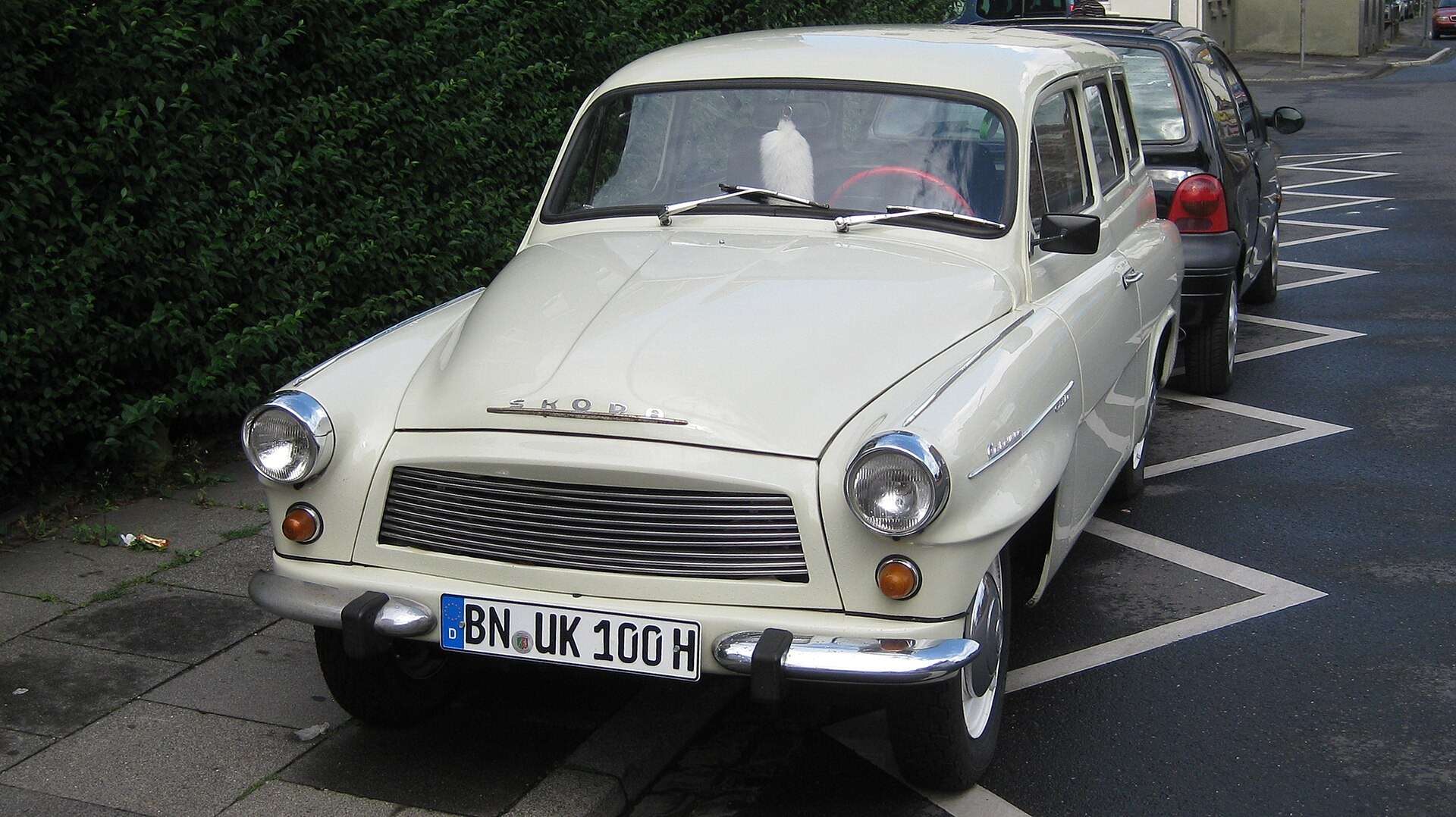
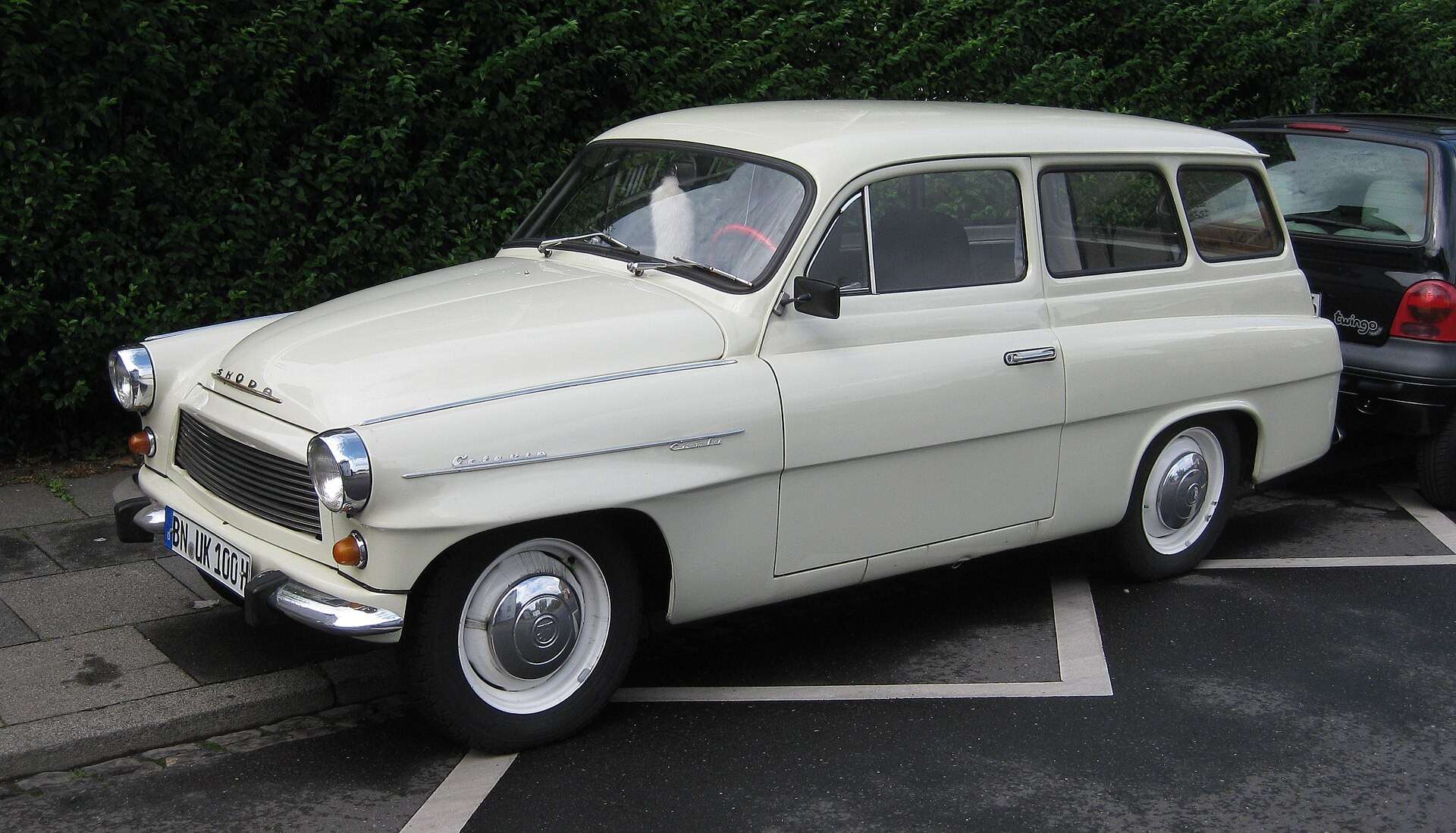
The Combi prototype appeared in 1959 and series production began in 1961. Its split tailgate, long load floor and folding rear seat turned a small car into an adaptable estate. Contemporary publicity even showed the interior arranged as a sleeping platform.
That versatility explains why the Combi outlived the saloon by seven years. For British enthusiasts it also provides a genuinely different alternative to small estates from Ford, Vauxhall and BMC, although right-hand-drive survivors are scarce.
Motorsport and Touring Sport
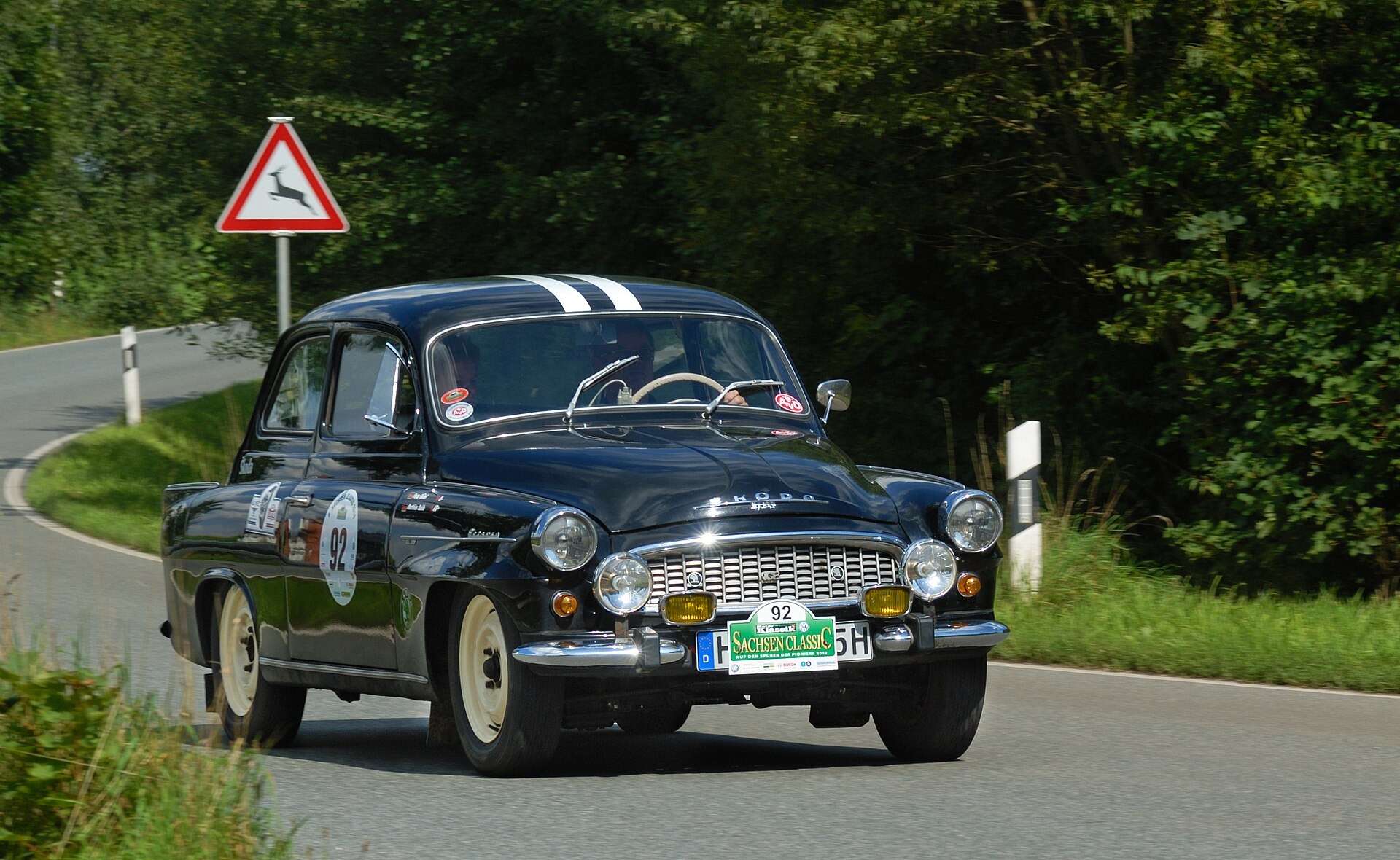
Octavia Touring Sport versions established a rally reputation before the rear-engined era. Their combination of compact dimensions, traction and robust running gear worked well on snow and rough events. Period competition success adds historical depth, but a road car wearing rally lamps or decals is not automatically a genuine Touring Sport.
Verify chassis numbers, engine type and documentary history before paying a premium for a claimed competition derivative.
Buying an original Octavia
Structure and corrosion
Inspect the backbone chassis, suspension mountings, floors, sills, door posts, wheelarches and boot. Estate tailgates, rear floors and load-area trim deserve additional attention. Poor door alignment can reveal weakness or an old accident.
Mechanical condition
Check cold starting, oil pressure, overheating, fuel leaks and charging output. The four-speed gearbox should shift cleanly and the rear axle should not howl. Brakes and steering need sympathetic maintenance rather than modern expectations.
Completeness
Original instruments, brightwork, lamps, hubcaps, seats and badges are valuable. On a Combi, confirm that the split tailgate, catches, seals and folding-seat hardware are present and functional.
Sources
- Škoda Storyboard: classic Felicia history
- Škoda Storyboard: 60 years of Octavia
- Škoda Storyboard: 1000 MB history
- Škoda UK: Škoda 100 history
- Škoda UK: modern Felicia anniversary
Continue the Škoda story
These cars chart Škoda’s route from post-war engineering to its modern Volkswagen-era identity. Explore the complete Škoda hub, then see the related Felicia convertible, then follow Škoda’s switch to the 1000 MB.
Frequently asked questions
When was the original Škoda Octavia built?
The saloon was produced from 1959 to 1964, while the Octavia Combi estate continued until 1971.
Why was it called Octavia?
The Latin-derived name referred to it being Škoda’s eighth post-war model line.
Was there an estate version?
Yes. The Octavia Combi entered production in 1961 and offered a folding rear seat and large, flexible load area.
Was the original Octavia sold in the UK?
Yes. Škoda exported the model to Britain, although surviving right-hand-drive examples are uncommon.
How is it related to the modern Octavia?
It shares the historic name but not the platform or mechanical layout; the modern front-wheel-drive Octavia arrived decades later.