UNUSUAL CARS MODEL GUIDE
The second-generation SEAT Toledo hid one of the Volkswagen Group’s most unusual engines beneath an understated saloon-shaped body. The 2.3-litre V5—mechanically a narrow-angle VR-family five-cylinder—gave the Toledo smooth, distinctive performance while its large hatchback boot made it more practical than its profile suggested.
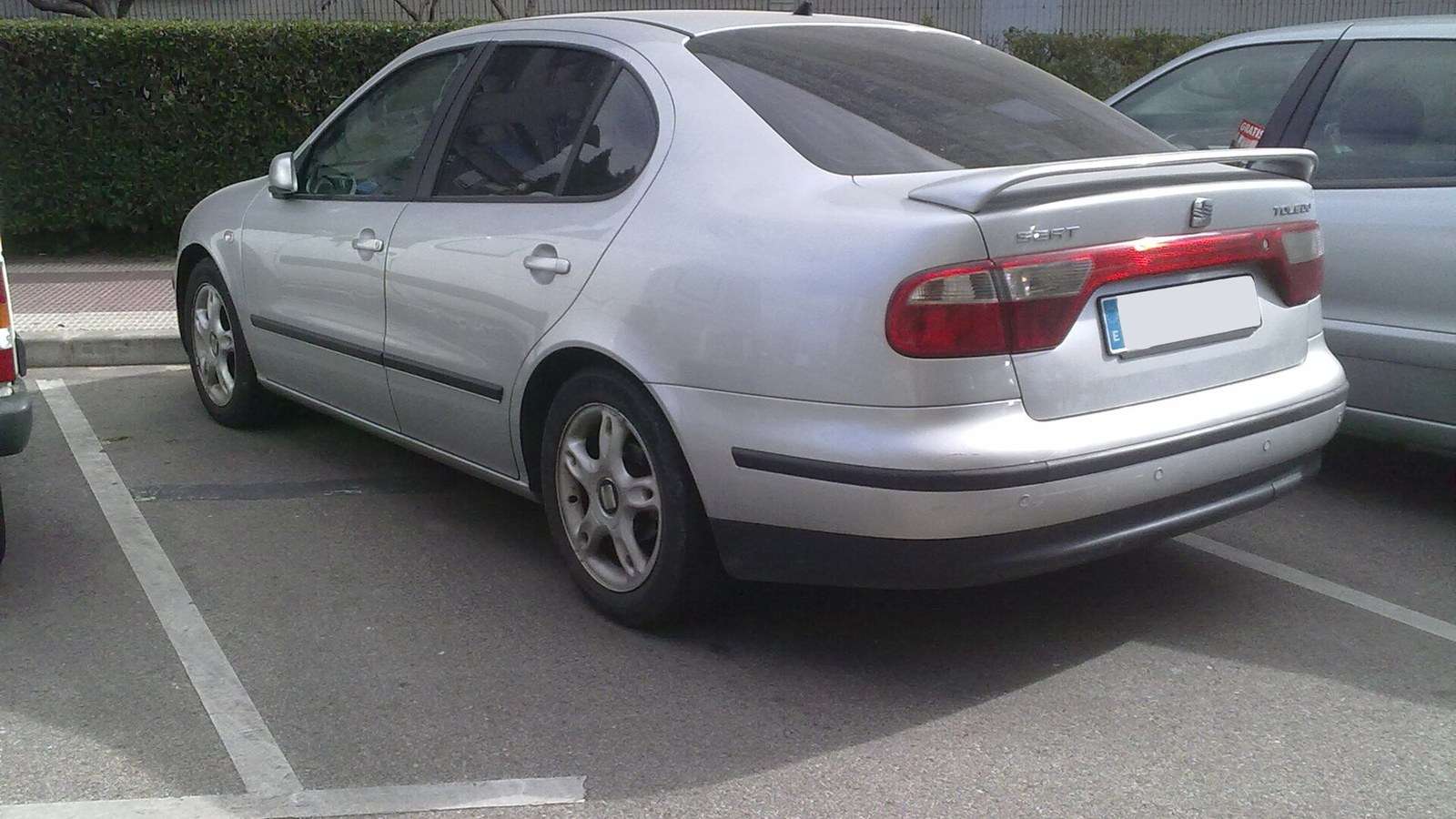
Featured image: second-generation SEAT Toledo Sport body style. Photograph by Juancar22, CC BY-SA 3.0, via Wikimedia Commons; locally hosted.
A saloon that was really a hatchback
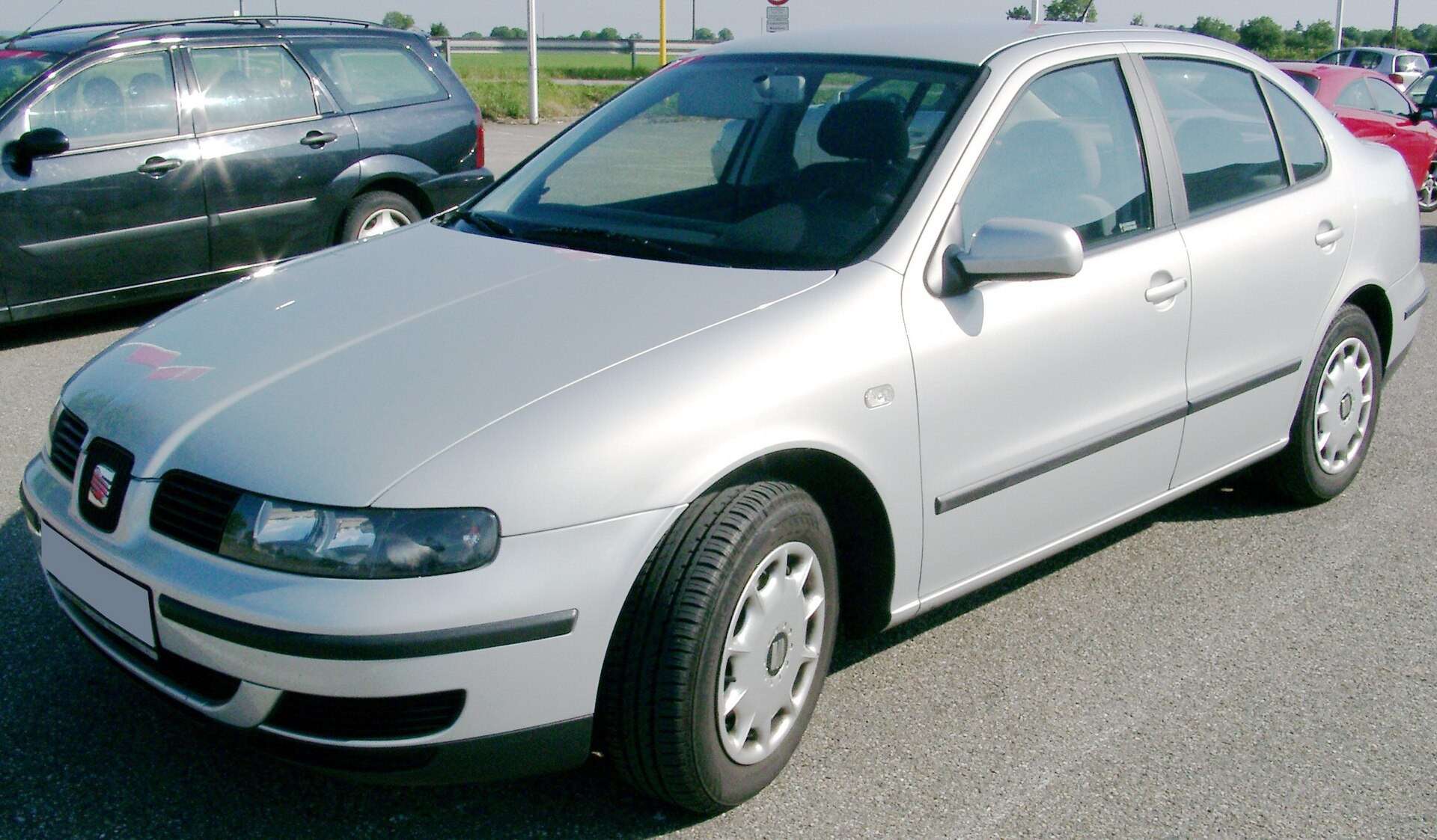
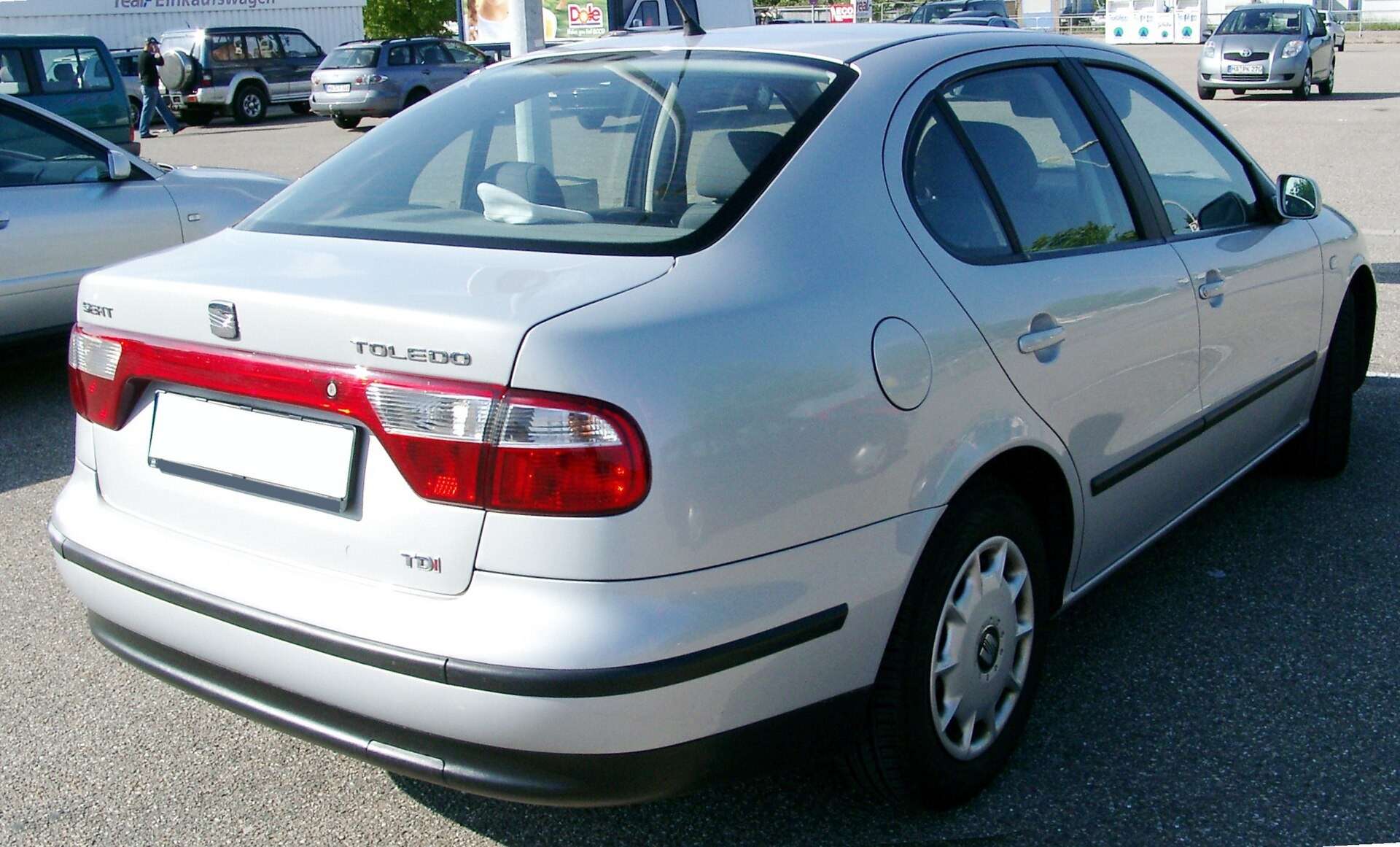
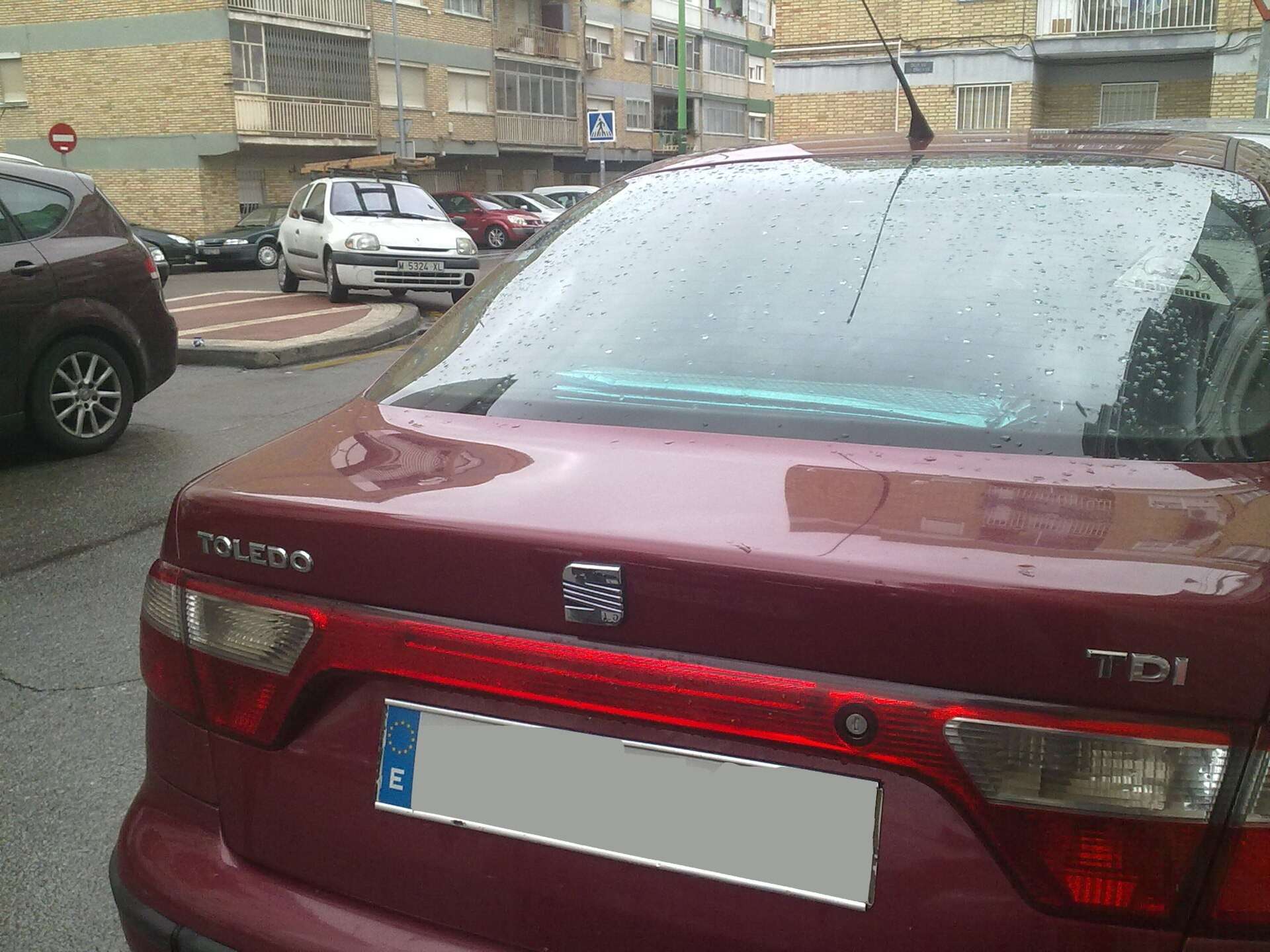
Launched in 1998 and sold in Britain from 1999, the second Toledo shared its platform with the Mk1 Leon, Volkswagen Golf Mk4 and related Volkswagen Group cars. Its crisp bodywork looked like a conventional four-door saloon, but the rear glass lifted with the boot lid to reveal an exceptionally useful cargo opening.
That combination of executive appearance and family-car practicality was central to the Toledo’s appeal. The V5 sat near the top of the range, offering character and equipment rather than the overt styling of a dedicated sports model.
Models and specifications
| Version | Engine and output | Notes |
|---|---|---|
| Toledo V5 150 | 2.3-litre narrow-angle five-cylinder, 150 PS | Earlier ten-valve version. |
| Toledo V5 170 | 2.3-litre narrow-angle five-cylinder, 170 PS | Later twenty-valve development introduced around 2001. |
| Body | Five-door liftback | Saloon profile with a large hatch and deep boot. |
| Drive | Front-wheel drive | Manual and automatic availability varied by year and market. |
SEAT badged the engine V5, although its cylinders sit in a narrow-angle staggered arrangement related to Volkswagen’s VR concept rather than a conventional wide V. The layout packages five cylinders into a compact space and gives the car a distinctive exhaust note.
Love cars you don’t see every day?
Get forgotten cars, surprising motoring stories and the most interesting finds from Unusual Cars by email.
Free to join. No spam. Unsubscribe whenever you like. See our privacy policy.
The V5 engine
The early 150 PS unit uses two valves per cylinder; the later 170 PS engine uses four. Both favour smoothness and sound over lightweight simplicity. A healthy car should start promptly, idle evenly and pull without chain rattle, misfire or overheating.
Listen carefully at cold start and when the engine is fully warm. Timing-chain and tensioner work is labour-intensive. Inspect the cooling system, thermostat housing, radiator, fans, hoses and expansion tank. Coil packs, sensors and breather components can cause uneven running, while poor oil-change history accelerates wear.

Space and everyday character
The Toledo’s greatest trick is its boot. The hatch opening is broad, the luggage area is deep and the rear seats fold for awkward loads. It offers much of an estate car’s usefulness without the appearance of one.
On the road the V5 is a rapid grand tourer rather than a sharp hot hatch. The engine adds weight over the front axle, but strong mid-range performance, stable cruising and discreet styling suit long journeys. Good tyres and healthy suspension are essential to preserve that composed character.
Chassis, body and equipment
Check front wishbone bushes, anti-roll-bar links, dampers, springs, wheel bearings and rear axle bushes. Uneven tyres or a steering wheel that sits off-centre can reveal alignment problems or old accident damage.
Inspect sills, arches, jacking points, door bottoms, tailgate edges and the floor around suspension mounts. Test climate control, windows, central locking, instruments, cruise control and warning lamps. Door-membrane or drain leaks can leave damp carpets and electrical trouble.
How to buy the right V5
Confirm the engine
Use the VIN, engine code, registration history and invoices. Exterior trim alone cannot prove that a car is a V5, and Sport equipment appeared with other engines.
Budget for age, not price
A cheap purchase still needs quality tyres, brakes, suspension, cooling components and specialist diagnosis. Deferred maintenance can exceed the car’s market value quickly.
Prefer complete cars
Original wheels, badges, intake parts, exhaust, interior trim and documentation all matter because V5-specific cars are now uncommon. A tidy standard example with a continuous history is more convincing than a heavily modified car with unexplained gaps.
Sources
Continue the SEAT story
The Toledo V5 combined family-car practicality with an uncommon engine, while its Leon sibling carried the same platform toward a much more overt performance identity. Explore the complete SEAT hub. Compare the closely related Leon Cupra R. Continue to the later Exeo.
Frequently asked questions
Is the SEAT Toledo V5 a saloon?
It has a saloon-like profile, but the rear window lifts with the boot lid, making it a five-door liftback.
How much power does the Toledo V5 have?
Earlier ten-valve cars produce 150 PS; later twenty-valve versions produce 170 PS.
Why is it called V5?
SEAT used V5 badging for Volkswagen’s compact narrow-angle five-cylinder engine, which is related to the VR engine family.
Was the Toledo V5 sold in the UK?
Yes. Both V5 versions were offered in Britain during the second-generation Toledo’s life.
What should buyers check first?
Confirm that the car is a genuine V5, then inspect timing-chain noise, cooling-system condition, suspension wear, rust and electrical operation.