UNUSUAL CARS MODEL GUIDE
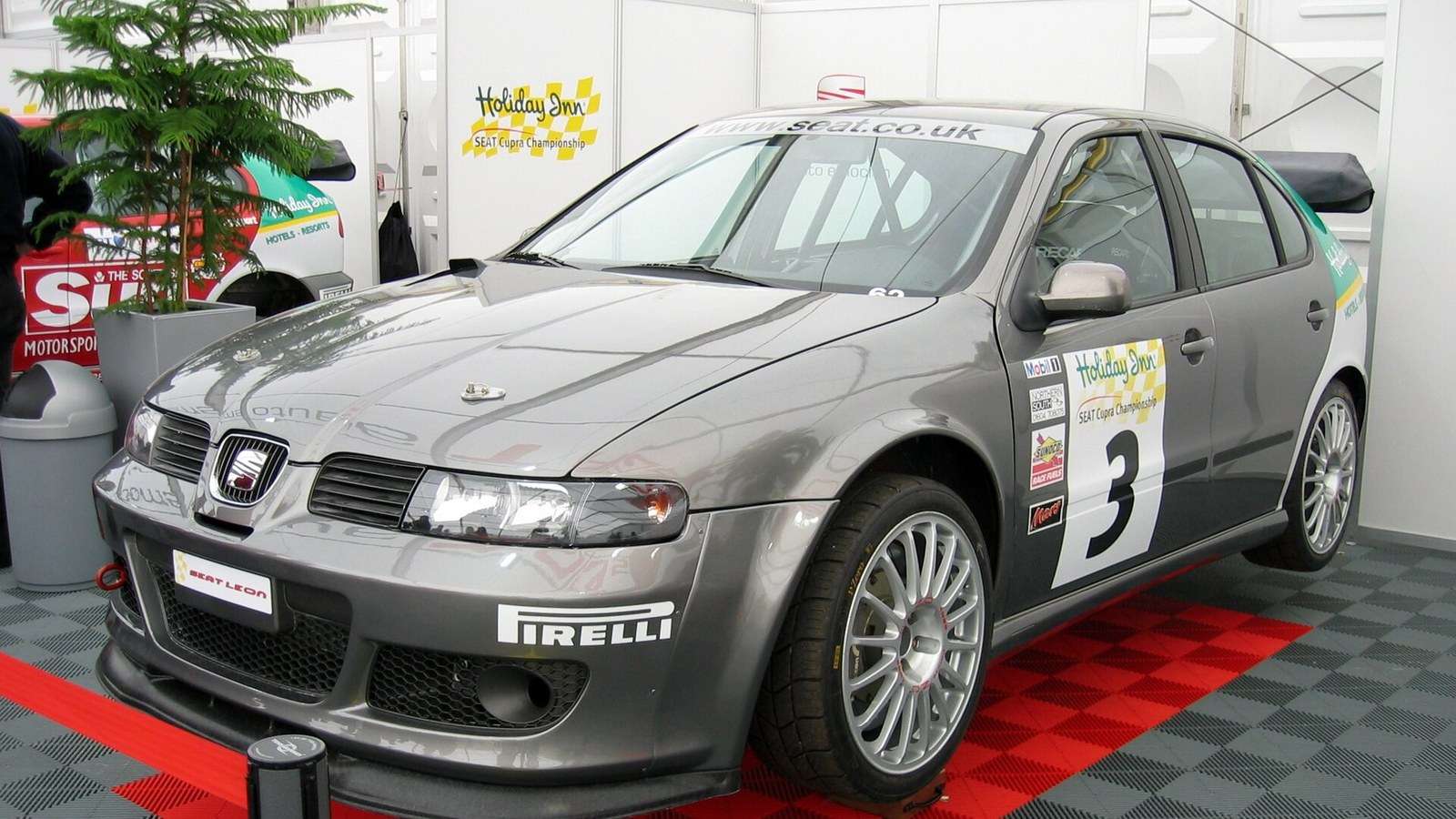
The first-generation SEAT Leon Cupra R turned an already quick family hatchback into one of the most distinctive front-wheel-drive performance cars of the early 2000s. With a turbocharged 1.8-litre engine, six-speed gearbox, Brembo front brakes and a chassis developed by SEAT Sport, it gave British buyers serious pace without the price or familiarity of the Volkswagen Group cars beneath it.
Featured image: SEAT Leon Cupra R Mk1. Photograph by Richard King from Sheffield, UK, CC BY 2.0, via Wikimedia Commons; locally hosted.
Why the first Leon mattered
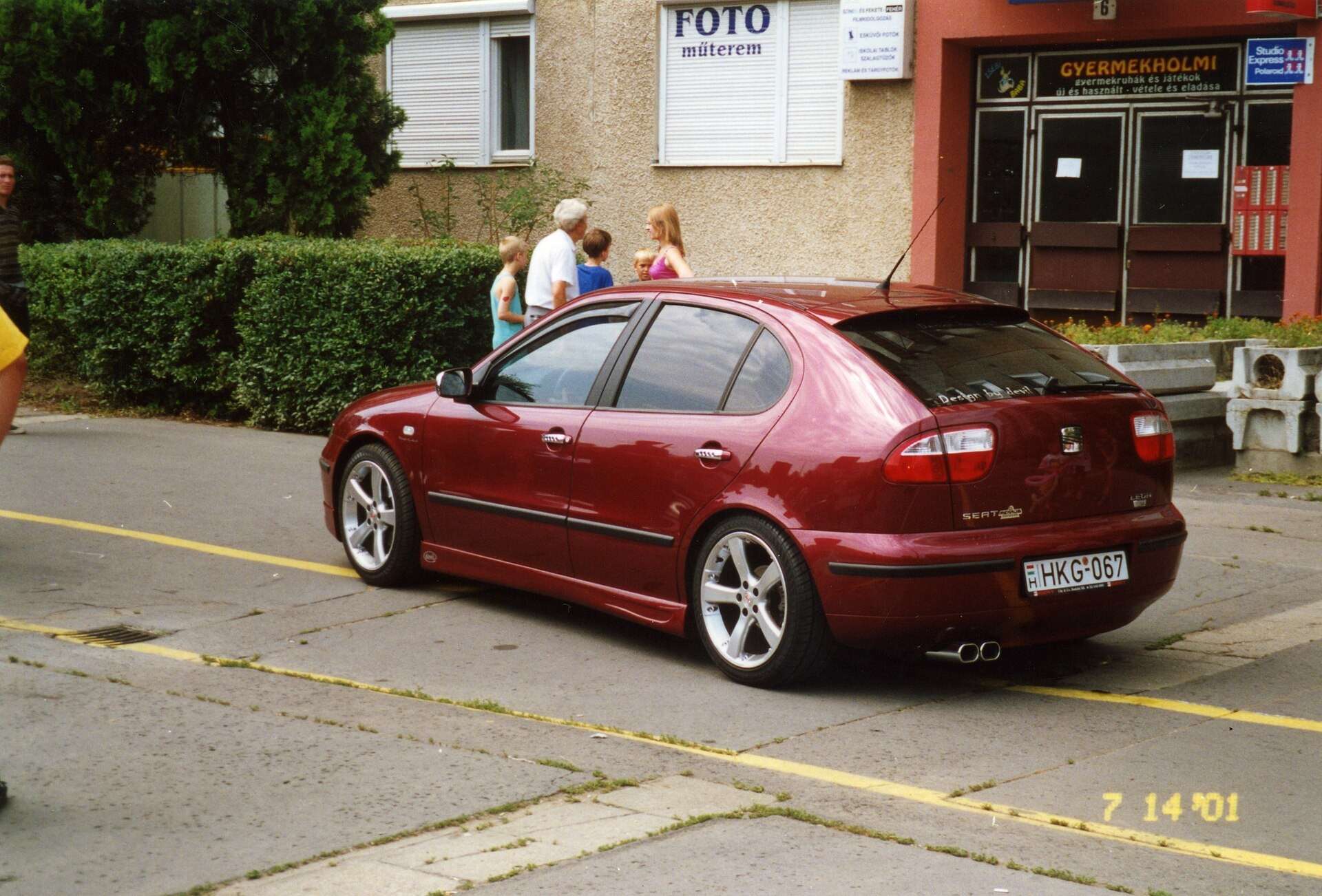
SEAT launched the original Leon in 1999 as a five-door hatchback related to the contemporary Volkswagen Golf, Audi A3 and Škoda Octavia. It brought a younger, more sporting identity to the brand and gave SEAT a compact car above the Ibiza for the first time.
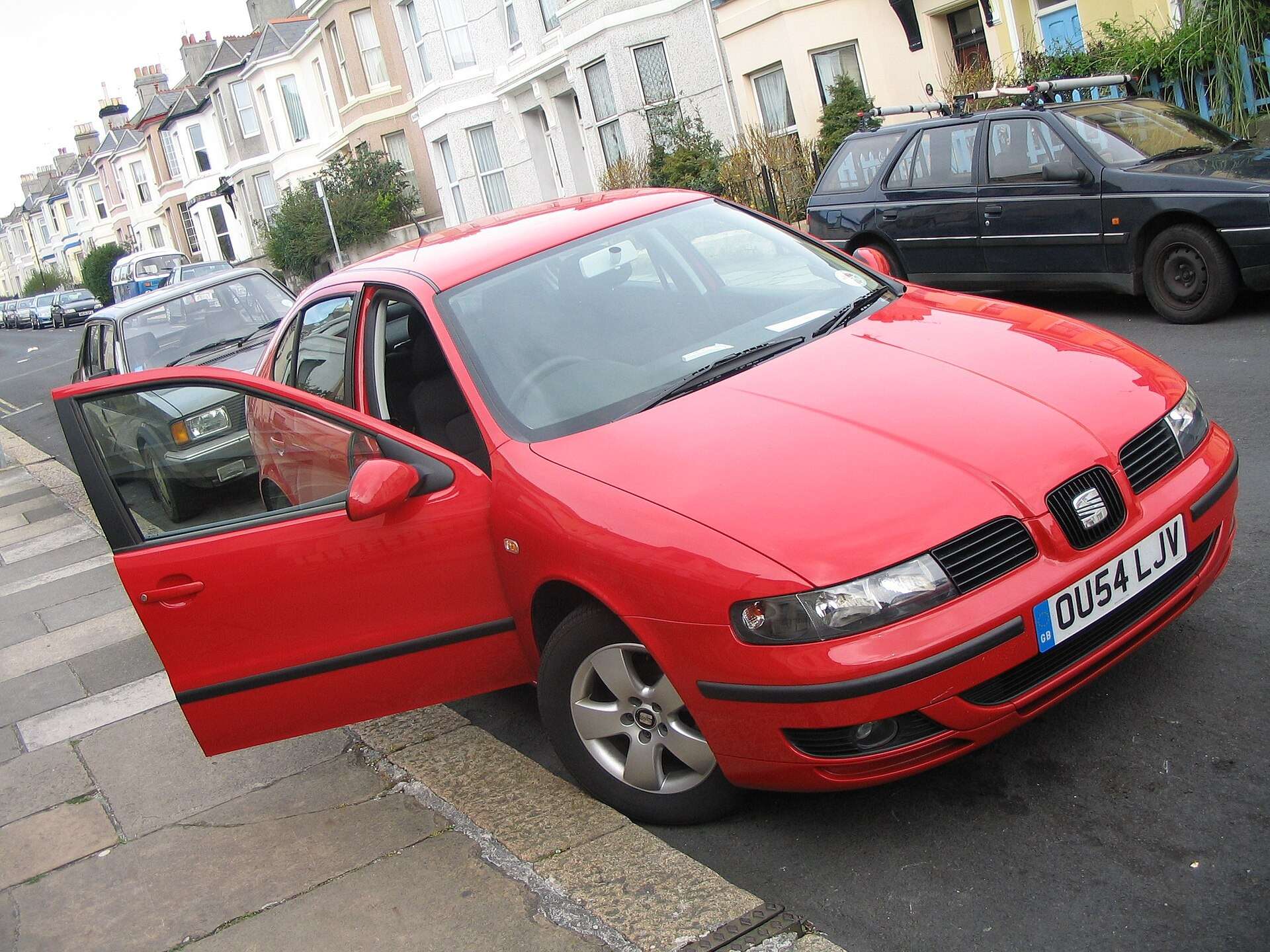
Early 20VT and Cupra versions proved that the platform could carry substantial power. The Cupra R then pushed the formula further with sharper suspension, conspicuous front brakes, deeper bumpers, larger wheels and a cabin that mixed everyday practicality with red-accented performance details.
Models and specifications
| Version | Engine and output | Key details |
|---|---|---|
| Cupra R 210 | 1.8-litre 20V turbo, 210 PS | Early UK car with six-speed manual gearbox, front-wheel drive and Brembo front brakes. |
| Cupra R 225 | 1.8-litre 20V turbo, 225 PS | Introduced during 2003 with revised engine calibration and detail changes. |
| Body | Five-door hatchback | Useful rear doors and boot distinguish it from many contemporary coupés. |
The two outputs are closer in real-world pace than the badges suggest. Condition and specification matter more than choosing solely by the number on the engine cover. Standard cars have become increasingly valuable because many were remapped, lowered or fitted with mixed-quality induction and exhaust parts.

Love cars you don’t see every day?
Get forgotten cars, surprising motoring stories and the most interesting finds from Unusual Cars by email.
Free to join. No spam. Unsubscribe whenever you like. See our privacy policy.
Engine and performance
The 1.8T engine uses five valves per cylinder and a K04 turbocharger in the Cupra R. Strong mid-range torque makes the car easy to drive quickly, while the six-speed gearbox keeps the engine in its useful band. Healthy examples feel urgent rather than peaky and should pull cleanly without hesitation, smoke or surging boost.
Service history is essential. The timing belt, tensioners and water pump should have documentary evidence, not a verbal assurance. Split breather and vacuum hoses, tired diverter valves, failing coil packs and airflow-meter issues are familiar faults. None is unusual for the engine family, but several together can hide a poorly maintained or aggressively modified car.
Chassis, brakes and driving character
The Cupra R feels more focused than an ordinary Mk1 Leon. Firm damping, strong front-end grip and powerful Brembo brakes suit fast road use, but the car still has five-door practicality. It can tramline on worn tyres or poor geometry, and the ride exposes tired bushes and dampers quickly.
Check the expensive front brake hardware carefully. Sticking calipers, corroded pistons, worn carriers and cheap discs can undermine the system. Uneven tyre wear suggests alignment or suspension problems. Listen for knocks from front wishbone bushes, anti-roll-bar links, top mounts and rear axle bushes, and inspect springs for breaks.

Body, cabin and originality checks
Inspect front wings, sills, jacking points, wheelarches, door bottoms and the tailgate for corrosion or poor repairs. The deep bumpers and low front splitter are vulnerable to kerbs, while accident damage can leave inconsistent panel gaps and mismatched paint. Confirm that the correct wheels, badges, seats and steering wheel remain with the car.
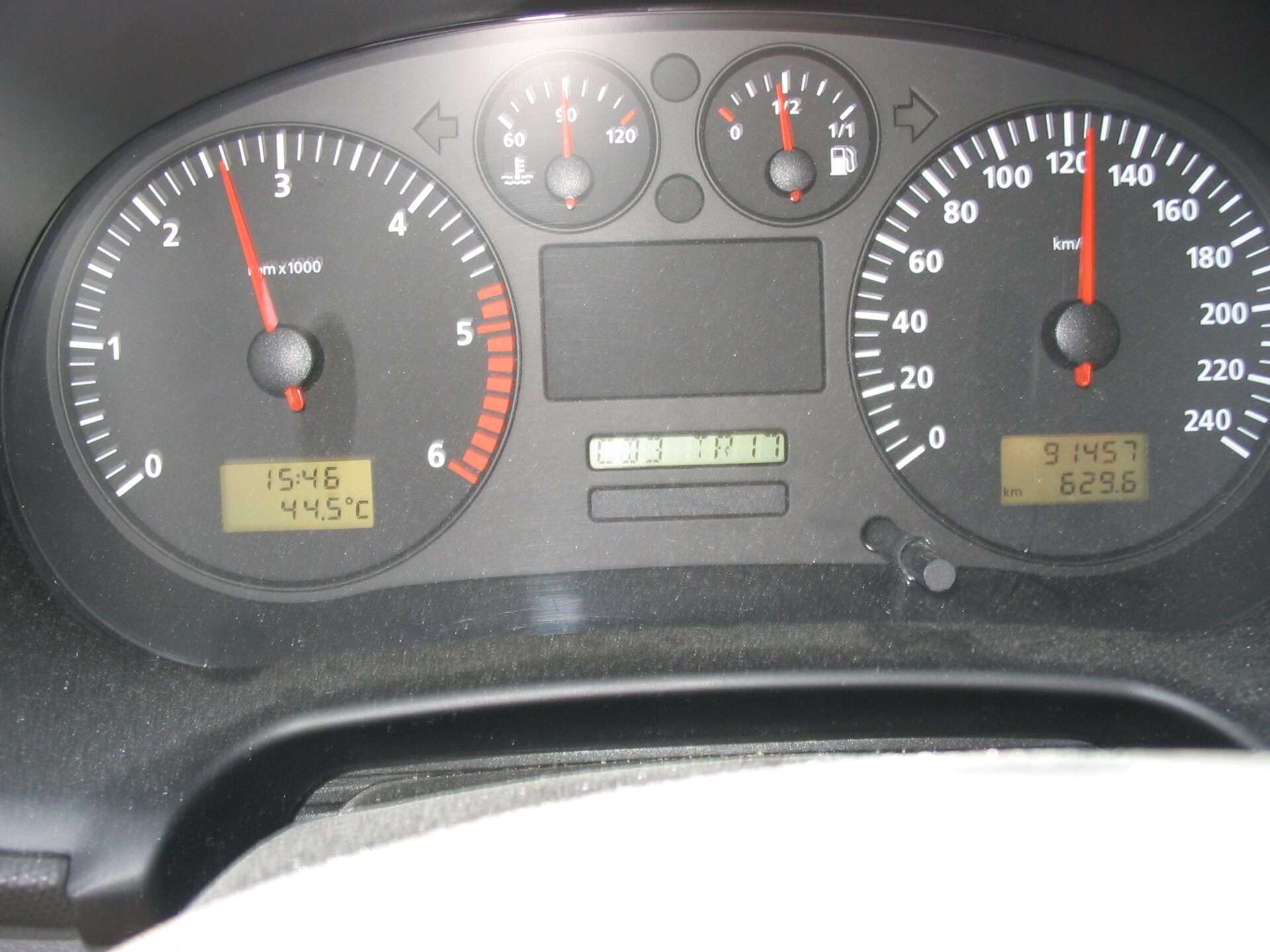
Inside, test the climate control, electric windows, central locking, instruments and warning lamps. Damp carpets may indicate blocked drains, damaged seals or door-membrane leaks. Pixel loss and tired soft-touch finishes are cosmetic, but an airbag or engine warning light needs diagnosis before purchase.
What to look for before buying
Cold start and boost
View the car cold. It should start promptly, idle steadily and build boost smoothly. Blue smoke, rattling, coolant loss or persistent misfires justify a specialist inspection.
History and modifications
Ask for invoices covering belts, water pump, oil changes, clutch, turbo and suspension. A professional remap with supporting maintenance can be acceptable; unknown software, cut wiring, crude intake plumbing and unexplained boost gauges are warnings.
Road test
The clutch should take up cleanly, the gearbox should not baulk and the steering wheel should remain straight under acceleration and braking. Allow for road camber, but reject strong torque steer, vibration or pulling until the cause is known.
Sources
- SEAT: company history, 2000s
- SEAT: first-generation Leon history
- Autocar: Leon Cupra and Cupra R Mk1 buying guide
- evo: Leon Cupra R buying checkpoints
Continue the SEAT story
The Cupra R established the Leon as a credible performance hatch and helped turn Cupra from a trim badge into a lasting performance identity. Explore the complete SEAT hub. Read how the Ibiza created the Cupra name. See the closely related Toledo V5.
Frequently asked questions
How much power does a Mk1 Leon Cupra R have?
Early UK cars produce 210 PS; later cars produce 225 PS.
Is the Leon Cupra R Mk1 four-wheel drive?
No. UK Cupra R models use front-wheel drive and a six-speed manual gearbox.
Which engine does it use?
It uses a turbocharged 1.8-litre 20-valve four-cylinder engine from the Volkswagen Group family.
What are the main buying risks?
Neglected timing-belt work, boost leaks, poor modifications, worn suspension, damaged Brembo brakes and corrosion are the principal concerns.
Is the 225 PS car much faster than the 210 PS version?
The later car has more quoted power, but condition and originality make a greater difference to real-world performance and ownership value.