UNUSUAL CARS MODEL GUIDE
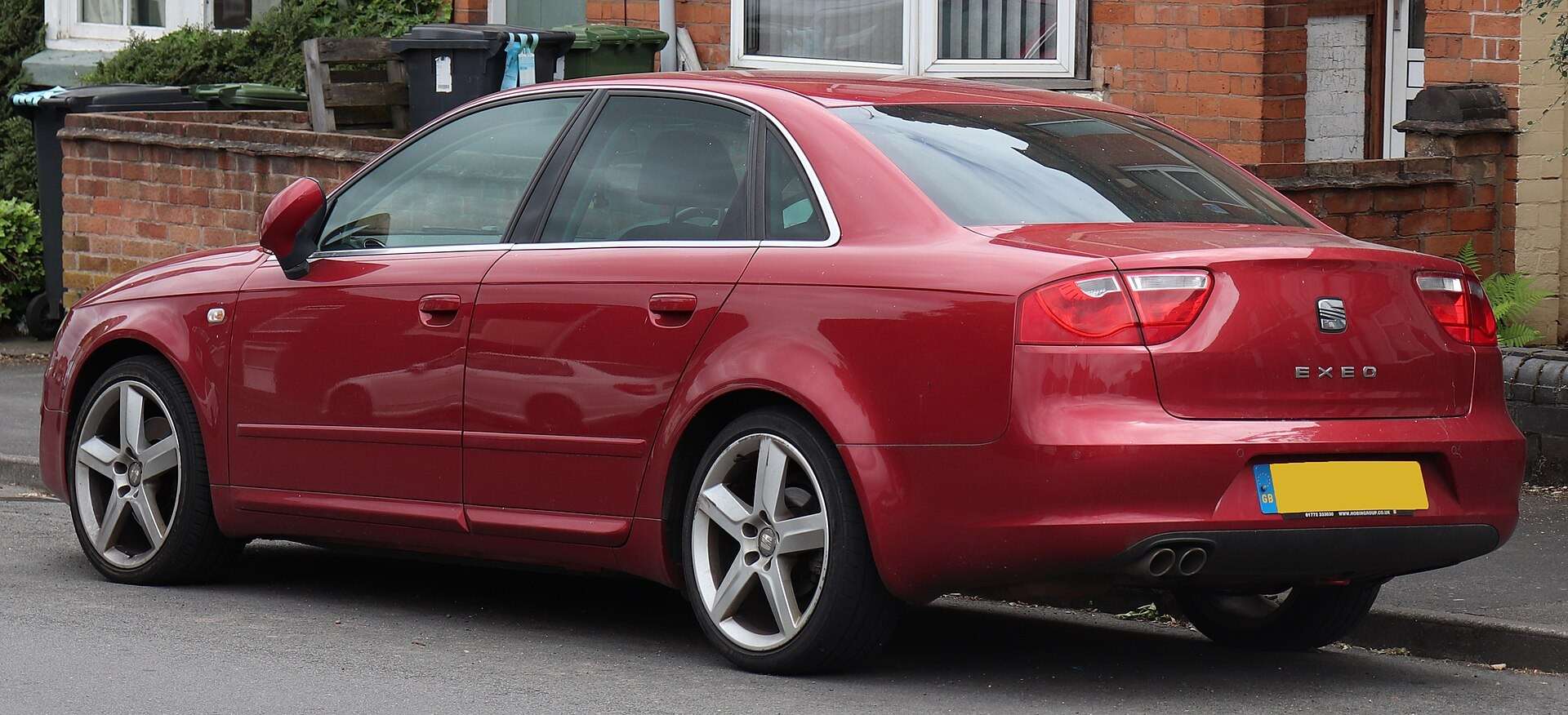
The SEAT Exeo was a compact executive saloon and estate built from proven Audi A4 hardware. Launched in Britain in 2009, it combined the previous-generation A4’s longitudinal-engine platform and high-quality cabin structure with SEAT styling, revised suspension and a value-focused equipment list. It was neither a simple rebadge nor a conventional clean-sheet SEAT, which makes it one of the brand’s most interesting modern cars.
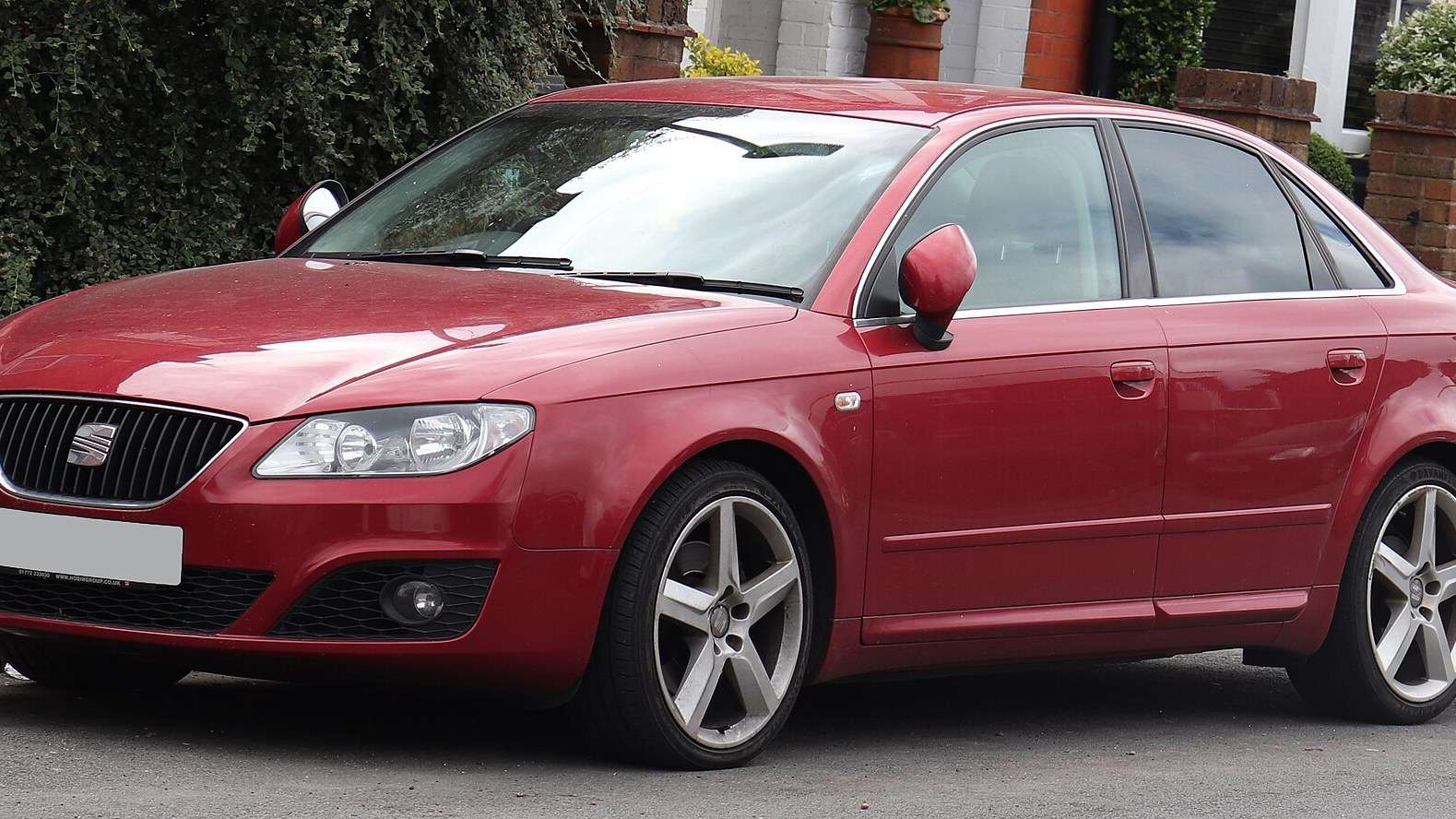
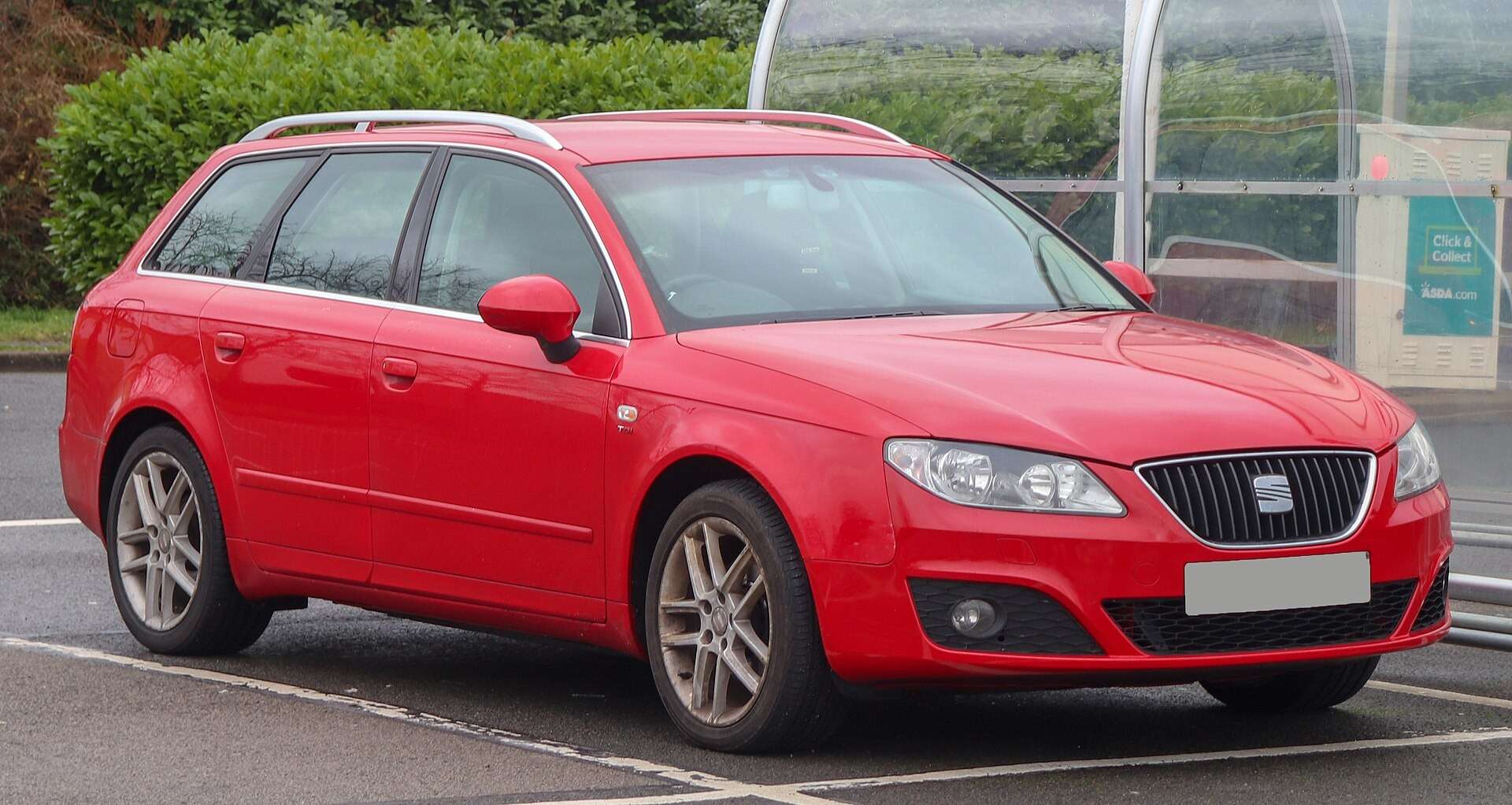
Featured image: 2011 SEAT Exeo Sport Tech. Photograph by Vauxford, CC BY-SA 4.0, via Wikimedia Commons; locally hosted.
Why SEAT built the Exeo
SEAT needed a model above the Toledo and Leon without the cost of developing an entirely new executive car. Volkswagen Group transferred tooling and engineering from the outgoing Audi A4 generation to Martorell, where SEAT reshaped the front and rear, revised detail engineering and installed its own equipment and trim strategy.
The interior makes the connection obvious, particularly in its architecture and perceived quality, although the Exeo adopted elements associated with the A4 Cabriolet dashboard. The result was conservative but solid, aimed at private buyers and company fleets seeking value rather than novelty.

Models and specifications
| Version | Typical UK engines | Notes |
|---|---|---|
| Exeo saloon | 1.8 turbo/TSI, 2.0 TFSI, 2.0 TDI | Four-door body with a large conventional boot. |
| Exeo ST | Similar petrol and diesel range | Estate body with more useful load access. |
| Outputs | Approximately 120–211 PS | Varied by engine, model year and market specification. |
| Production | 2008–2013 | UK sales began in 2009; facelift arrived for 2011. |
Most British cars are 2.0 TDI manuals. Higher-output petrol versions are much rarer and can be appealing sleepers, but their scarcity makes condition and parts identification particularly important.
Love cars you don’t see every day?
Get forgotten cars, surprising motoring stories and the most interesting finds from Unusual Cars by email.
Free to join. No spam. Unsubscribe whenever you like. See our privacy policy.
Saloon or ST estate
The saloon is quiet, composed and usefully anonymous. Its boot is large but accessed through a conventional lid. The ST estate adds a hatch and folding rear seats, making it the more versatile choice without significantly changing the car’s compact footprint.
Neither body is especially roomy in the rear by modern standards because the underlying platform was designed in the early 2000s. Drivers, however, gain a low seating position, clear instruments and a cabin that feels more substantial than many contemporary value-priced rivals.
Engines and transmissions
The 2.0 TDI common-rail diesels replaced the older pump-injector technology associated with some A4s. They offer strong economy and torque, but buyers should check the diesel particulate filter, exhaust-gas-recirculation system, turbocharger, injectors and dual-mass flywheel. Repeated short journeys are poor preparation for DPF health.
Petrol cars avoid some diesel emissions hardware but need equally careful history. Check oil consumption, breather systems, ignition coils, cooling components and timing-belt or chain requirements for the exact engine code. Manuals are common; Multitronic continuously variable transmissions need specialist inspection and proof of correct fluid servicing.

Facelift and equipment
A 2011 update brought revised headlights with LED daytime running lights, new grille details and equipment changes. Trims such as SE, Sport and Sport Tech varied over time, so confirm the original specification rather than assuming every apparently well-equipped car left the factory that way.
Test climate control, parking sensors, navigation, Bluetooth, electric seats where fitted, all windows and dashboard displays. Water ingress can damage control units and carpets, while intermittent warning lights may require more than a replacement battery.

Buying checks
Service history
Match invoices to the exact engine code. Timing-belt intervals, water-pump renewal, oil specification and transmission servicing matter more than a stamped book without detail.
Suspension and tyres
The multi-link front suspension gives accurate steering but contains numerous arms and bushes. Listen for knocks, inspect tyre wear and check that the car tracks straight. Cheap mismatched tyres undermine the chassis.
Body and cabin
Look for accident repairs, corrosion around damaged paint, blocked drains and signs of estate load damage. The cabin should feel tightly assembled; rattles, damp or missing trim often indicate neglect.
Sources
Continue the SEAT story
The Exeo shows how SEAT used proven Volkswagen Group engineering to enter a market segment it had never occupied before—and has not revisited since. Explore the complete SEAT hub. Read about the Toledo V5 executive hatchback. See the performance-led Leon Cupra R.
Frequently asked questions
Is the SEAT Exeo based on an Audi A4?
Yes. It uses the longitudinal-engine architecture and much of the tooling from the Audi A4 B7/8E generation, with SEAT-specific styling and development.
Was the Exeo sold as an estate?
Yes. The estate version is called the Exeo ST.
When was the Exeo sold in the UK?
UK sales began in 2009 and the model ended in 2013.
Which Exeo engine is most common?
The 2.0 TDI common-rail diesel is the most frequently encountered UK engine, offered in several outputs.
What are the principal buying risks?
Check timing-belt history, diesel emissions equipment, oil consumption, front suspension wear, transmission servicing and electrical operation.