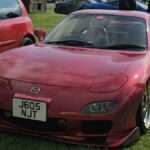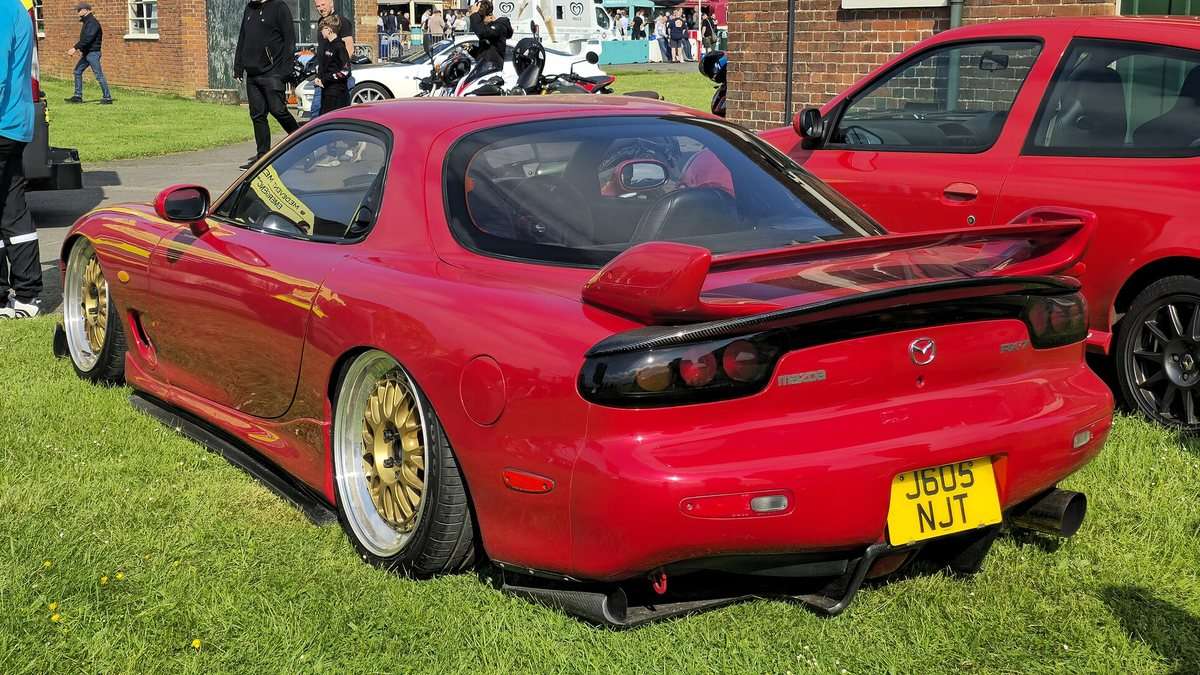
The FD-generation Mazda RX-7 is one of the definitive Japanese performance cars: low, light, rear-driven and powered by a twin-turbo rotary engine unlike almost anything else. Here are ten details behind its enduring appeal.

1. The FD was the third RX-7 generation
Mazda launched the FD3S in Japan in late 1991, with overseas markets receiving it from 1992. It was the final RX-7 generation and remained in production for the Japanese market until 2002.
2. Its engine has no pistons
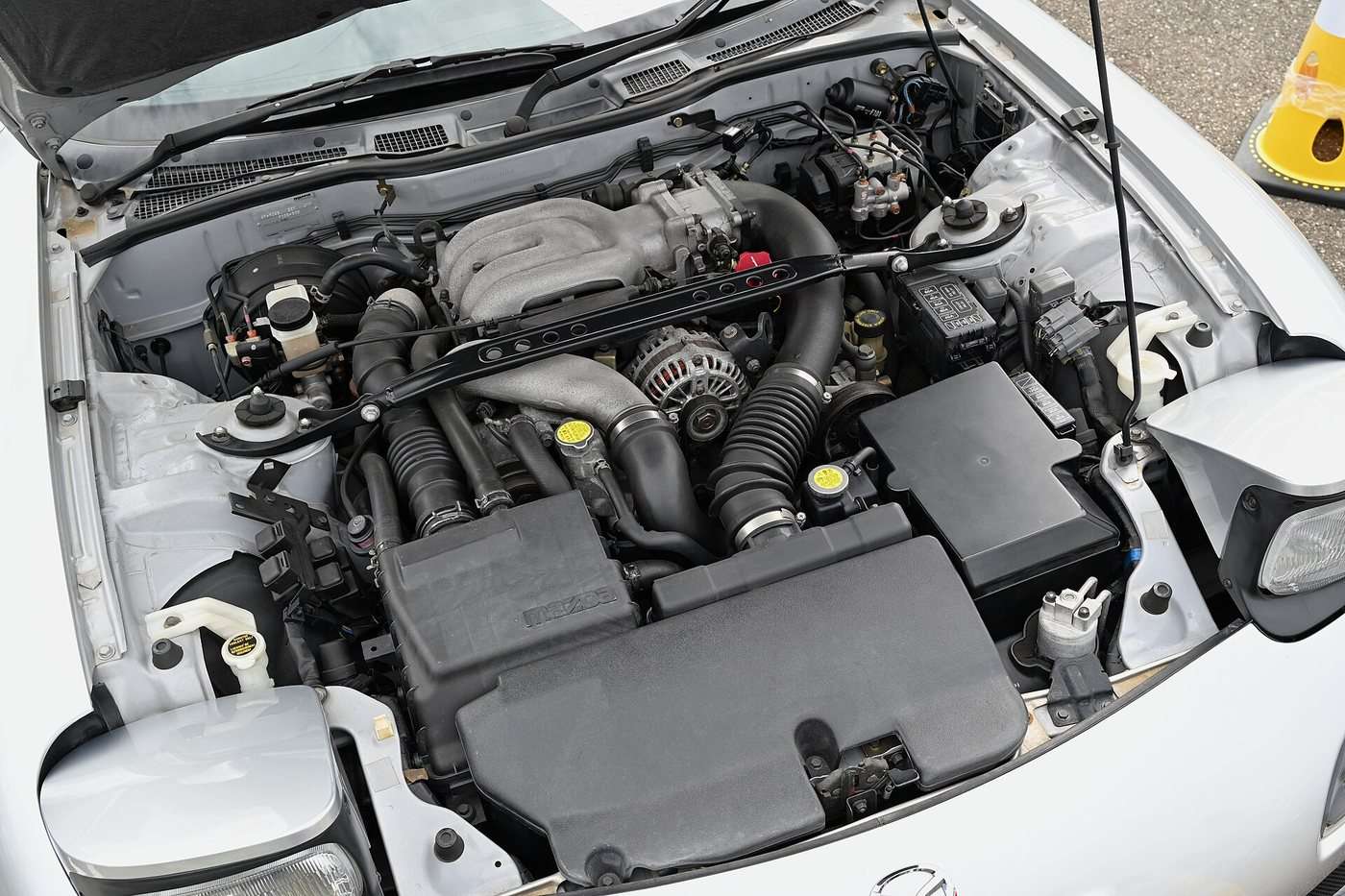
The 13B-REW is a twin-rotor Wankel engine. Instead of pistons moving up and down, triangular rotors turn inside oval-like housings to complete the combustion cycle.
3. “1.3 litres” does not tell the whole story
Its two chambers total 1,308cc by the conventional rotary measurement, but a rotary engine’s breathing and combustion characteristics make direct comparisons with a piston engine misleading.
4. The turbos work in sequence
The FD’s 13B-REW used sequential turbocharging: one turbo provides response at lower revs, then the second joins in as engine speed rises. It was Mazda’s answer to the lag that could make earlier turbo cars feel abrupt.
Love cars you don’t see every day?
Get forgotten cars, surprising motoring stories and the most interesting finds from Unusual Cars by email.
Free to join. No spam. Unsubscribe whenever you like. See our Privacy Policy.
5. It was designed around low mass
With a compact engine positioned well back in the nose, the FD combined a low bonnet line with near-ideal weight distribution. That packaging is a large part of why the car feels so different from a conventional front-engined coupé.
6. Japan’s 280PS agreement shaped its brochure figure
Later Japanese-market cars were officially rated at 280PS, the ceiling observed by many domestic manufacturers at the time. The engineering story matters more than a single headline output: Mazda continually refined the engine and turbo system through the FD’s life.
7. It became the RX-7 most associated with the 13B-REW
Earlier RX-7s used rotaries too, but the FD made the 13B-REW and its sequential-turbo delivery the model’s defining combination.

8. British cars are often imports
The FD was sold in relatively small numbers in Europe and became a popular grey import from Japan. That means specification, history and even power output can vary considerably from one UK-registered car to the next.
9. Mazda kept refining it until the end
Late special editions included the Type RZ and the final Spirit R. The Spirit R brought together the most focused late-FD specification and has become one of the most sought-after factory RX-7s.

10. The RX-7 line made Mazda’s rotary heritage mainstream
Mazda calls the RX-7 the best-selling rotary-powered vehicle in history. The FD is the glamorous final chapter: a car whose engineering is as central to its legend as its shape.
Love cars you don’t see every day?
Get forgotten cars, surprising motoring stories and the most interesting finds from Unusual Cars by email.
Free to join. No spam. Unsubscribe whenever you like. See our Privacy Policy.