UNUSUAL CARS MODEL GUIDE
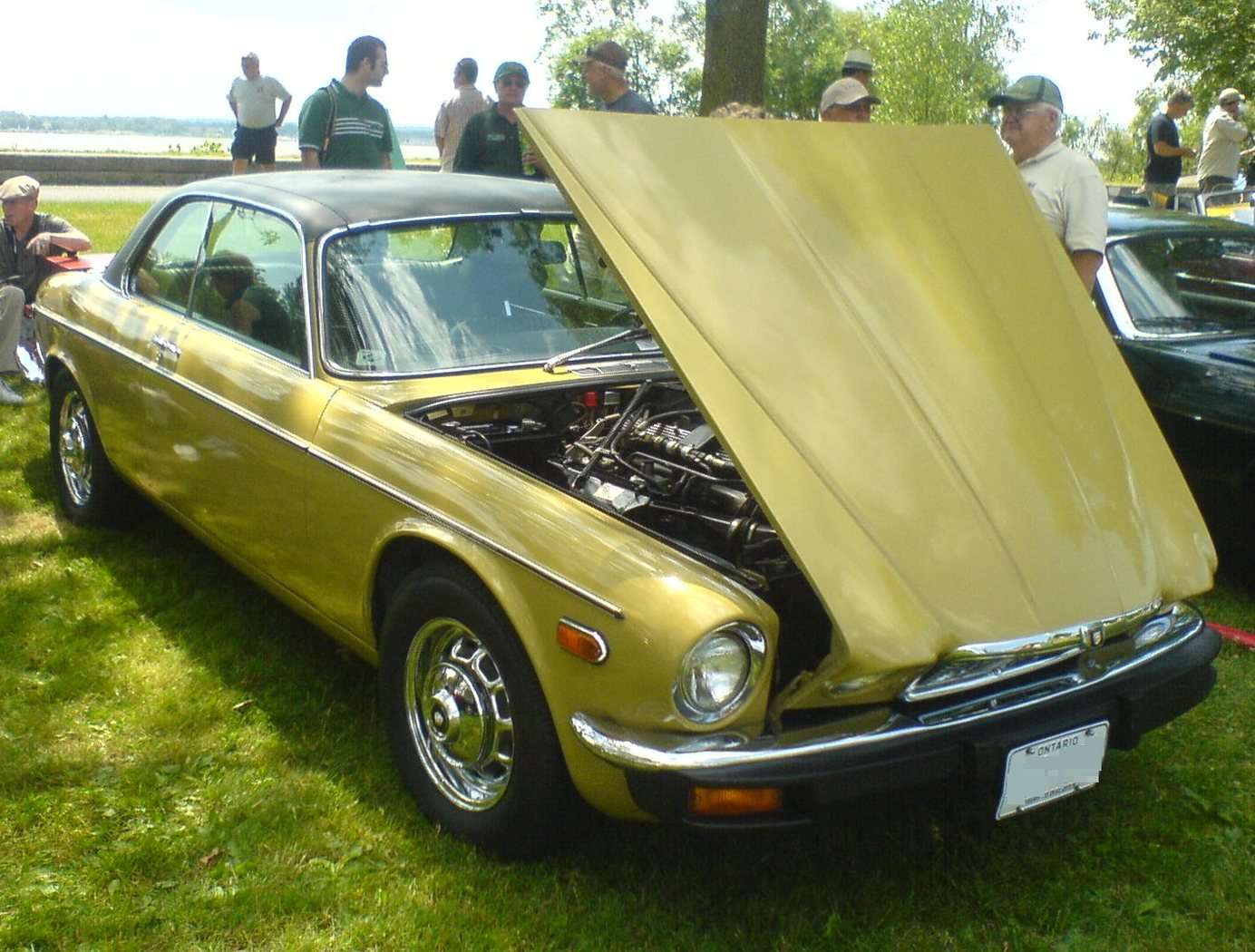
The Jaguar XJ-C was the pillarless two-door version of the Series II XJ, produced in small numbers during the 1970s. Offered with 4.2-litre six-cylinder and 5.3-litre V12 power, it is one of Jaguar’s most elegant and restoration-sensitive classics.
Quick answer: The XJ-C was announced in 1973 but production delays meant customer cars arrived later. Its shortened wheelbase, frameless glass and vinyl roof created a distinctive profile. Rust, window sealing, structural repairs, cooling and originality dominate any purchase.
A pillarless coupé derived from the XJ
Jaguar shortened the saloon platform and removed the central door pillar to create a true two-door grand tourer. Achieving acceptable sealing and refinement around the large frameless windows proved difficult, contributing to delayed production.

Six-cylinder and V12 versions
Jaguar offered the 4.2-litre XK straight-six and the 5.3-litre V12, with Daimler-badged equivalents in selected markets. Automatic transmission was common, while specifications and emissions equipment varied by destination.
Main versions and specifications
| Version | Powertrain | Buyer’s note |
|---|---|---|
| XJ 4.2C | 4.2-litre XK straight-six | Most accessible mechanical specification |
| XJ 5.3C | 5.3-litre V12 | Cooling and fuel-system history critical |
| Daimler Sovereign/Double Six coupé | Six-cylinder or V12 | Rarer luxury-badged derivatives |

Why restoration quality matters
Many surviving cars have undergone extensive body repairs. The vinyl roof can hide corrosion, while complex glass alignment and seals make superficially attractive cars expensive to perfect. Documentary evidence and inspection beneath trim are essential.

Love cars you don’t see every day?
Get forgotten cars, surprising motoring stories and the most interesting finds from Unusual Cars by email.
Free to join. No spam. Unsubscribe whenever you like. See our privacy policy.
Jaguar XJ-C buying guide
Body and structure
Inspect roof edges, pillars, sills, floors, jacking points, arches, screen surrounds, door apertures, boot floor and suspension mounts. Check panel gaps and frameless-window alignment.
Engine and transmission
Both engine families need stable cooling, oil pressure and evidence of regular servicing. V12 fuel hoses and cooling systems deserve specialist inspection. Test transmission engagement and differential noise.
Suspension, brakes and electronics
Inspect steering, suspension bushes, inboard rear brakes and tyres. Test windows, locks, instruments, climate equipment and lighting; window mechanisms and seals are particularly important.
Why it matters
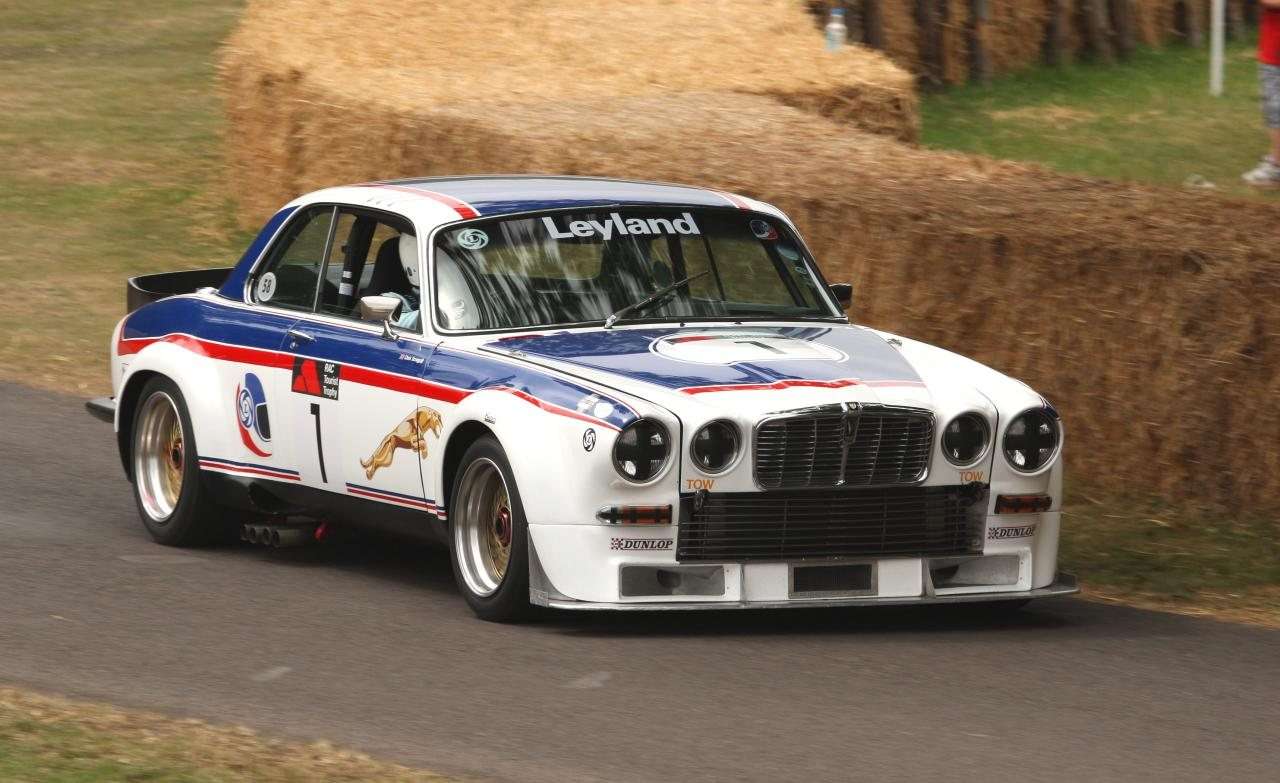
The XJ-C combines the original XJ’s engineering with one of Jaguar’s rarest production body styles. Its beauty, scarcity and restoration complexity make it an ideal Unusual Cars subject.
Research sources
Continue the Jaguar story
Explore the Rare & Performance Jaguar hub, then compare the Jaguar XJ40 guide and the Jaguar X350 XJR guide.
Frequently asked questions
When was the Jaguar XJ-C produced?
Series production took place during the mid-to-late 1970s after the model was announced in 1973.
Which engines were available?
Jaguar offered a 4.2-litre straight-six and a 5.3-litre V12.
Does the XJ-C have a central door pillar?
No. Its pillarless side profile uses large frameless windows.
Why do many XJ-Cs have vinyl roofs?
The vinyl was part of the production appearance and can conceal corrosion around the roof structure.
What are the main buying checks?
Inspect structural corrosion, roof and window sealing, restoration quality, cooling, fuel systems, brakes and originality.