UNUSUAL CARS MODEL GUIDE
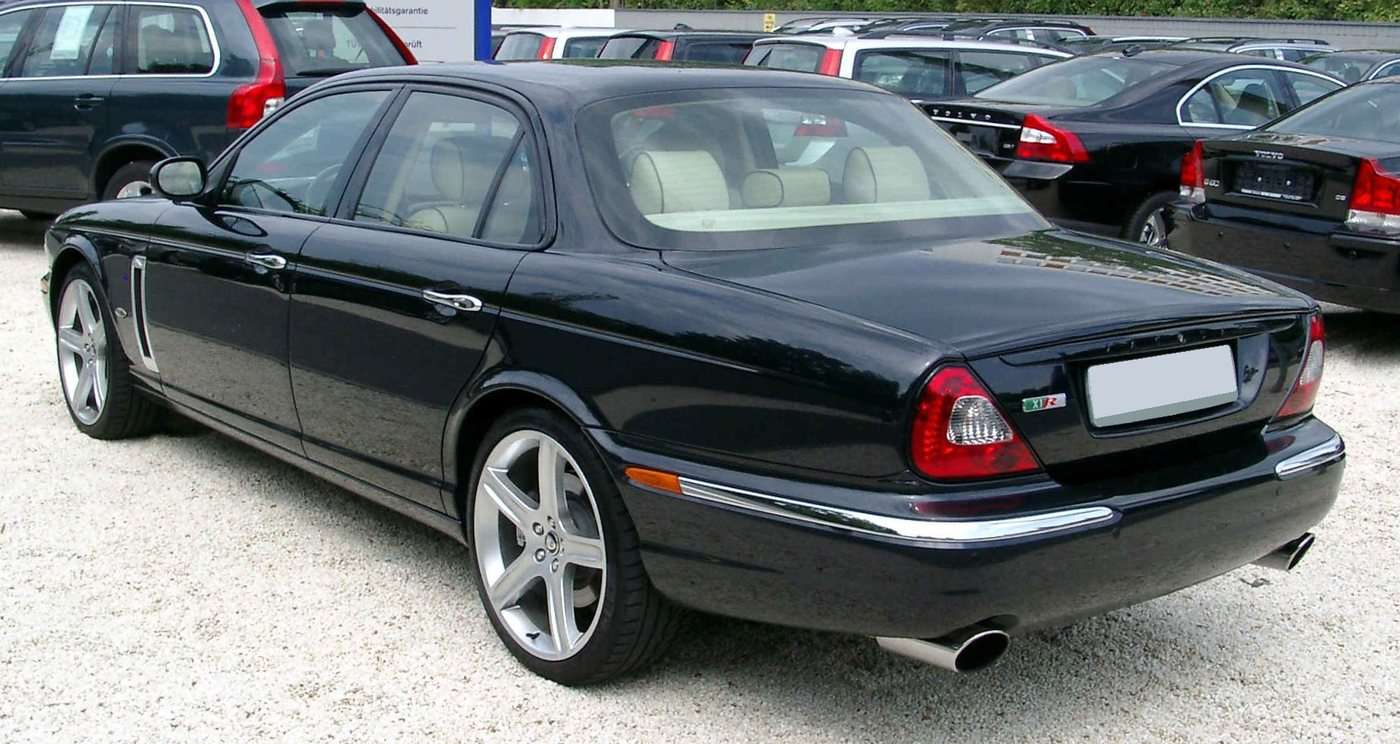
The X350 Jaguar XJR moved the performance XJ into aluminium construction. Launched for 2003 with a 400PS supercharged 4.2-litre V8, it looked traditional but was lighter, stiffer and far more technically adventurous than the steel-bodied X308.
Quick answer: the X350 XJR combines an aluminium monocoque, air suspension, six-speed automatic and supercharged V8. The 2007 X358 facelift changed its appearance rather than its basic formula. Buyers must check corrosion of aluminium and steel interfaces, air suspension, cooling, gearbox service and electronics.
Why the X350 was a major change
Jaguar retained familiar XJ proportions but replaced the conventional steel shell with riveted and bonded aluminium construction. This reduced mass while improving body stiffness and interior space. The XJR exploited that advantage with R-specific chassis tuning and the 4.2-litre supercharged AJ-V8.

Four hundred horsepower and air suspension
The supercharged V8 produced 400PS and drove through a ZF six-speed automatic. Computer-controlled air springs replaced conventional coils across the range, allowing the XJR to combine compliant cruising with firmer responses when driven quickly.
X350 and X358 versions
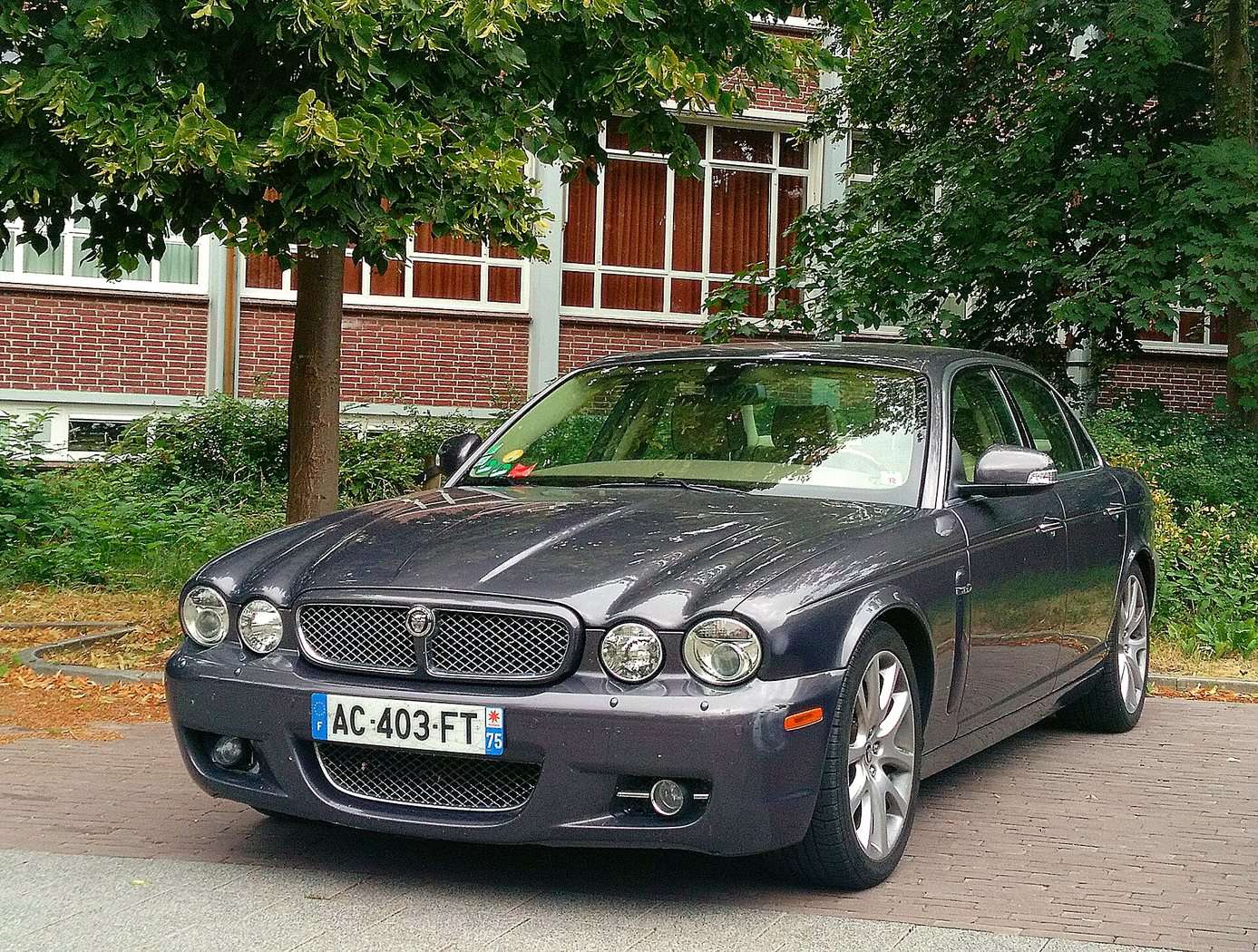
| Version | Powertrain | Buyer’s note |
|---|---|---|
| X350 XJR | 4.2 supercharged V8, 400PS | Original 2003 styling and aluminium structure |
| X358 XJR | 4.2 supercharged V8, 400PS | 2007 exterior facelift with the same core drivetrain |
| Super V8 | 4.2 supercharged V8 | Luxury-focused relation; verify exact factory specification |
The X358 facelift
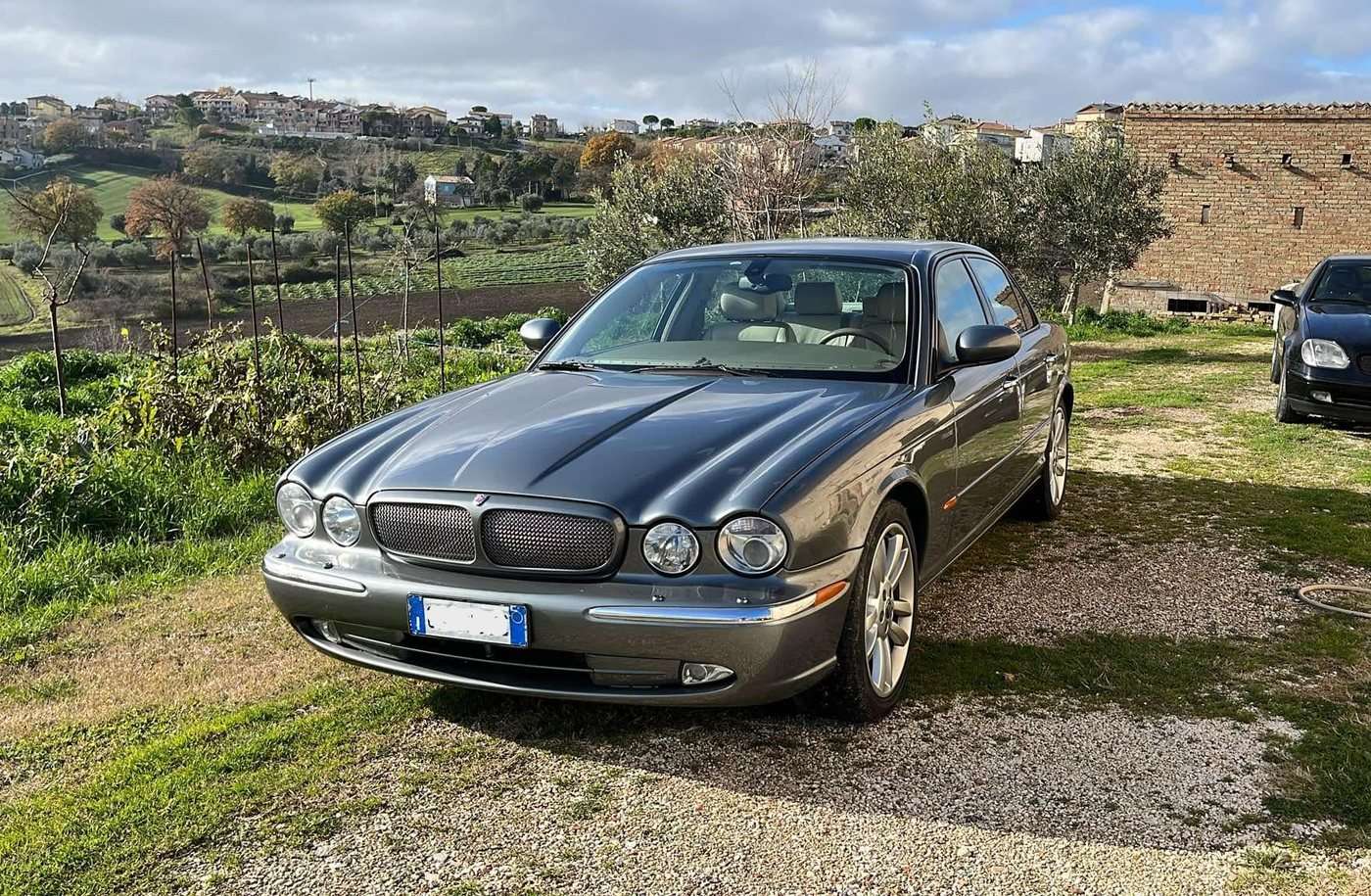
For 2007 Jaguar gave the XJ a more assertive grille, bumpers, side vents and revised trim, creating the X358 designation used by enthusiasts. Underneath, the aluminium body, air suspension and supercharged drivetrain continued with evolutionary changes.
Love cars you don’t see every day?
Get forgotten cars, surprising motoring stories and the most interesting finds from Unusual Cars by email.
Free to join. No spam. Unsubscribe whenever you like. See our privacy policy.
Jaguar X350 and X358 XJR buying guide
Aluminium structure and corrosion
Aluminium does not rust like steel, but it can oxidise and suffer galvanic corrosion where dissimilar metals meet. Inspect door bottoms, wheelarches, bootlid, floor and suspension mounting areas, and look for poor accident repairs or bubbling beneath paint.
Air suspension
Check that the car rises promptly, remains level after standing and shows no suspension warnings. Air springs, compressor, valve block, height sensors and control faults can each produce similar symptoms, so diagnosis matters.
Engine, gearbox and electronics
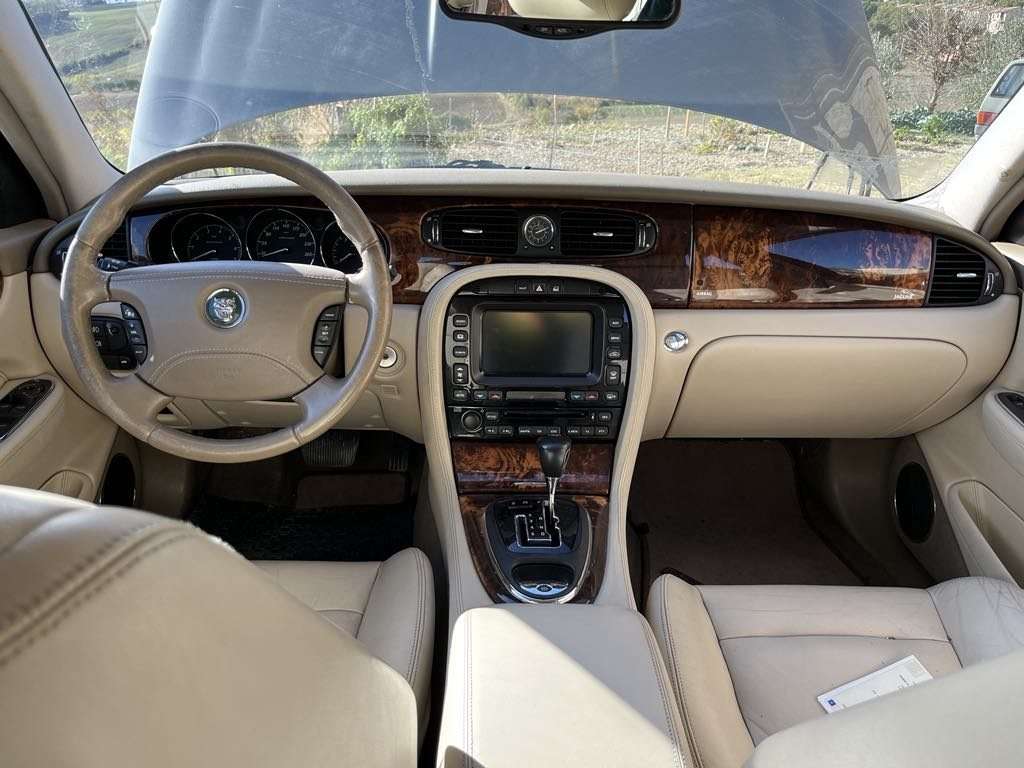
Confirm stable cooling, clean oil, quiet timing gear and a healthy supercharger drive. The automatic should shift smoothly and benefits from fluid servicing. Test the electronic parking brake, climate control, seats, audio, navigation, parking sensors and charging system.
Why the aluminium XJR matters
The X350 XJR disguised advanced lightweight construction beneath deliberately conservative styling. It is one of the clearest examples of Jaguar engineering moving ahead of public perception, and a well-maintained car remains exceptionally capable.

Research sources
Continue the Jaguar story
Explore the Rare & Performance Jaguar hub, then compare the Jaguar X308 XJR guide and the Jaguar X100 XKR guide.
Frequently asked questions
What is the Jaguar X350 XJR made from?
Its body structure is primarily riveted and bonded aluminium.
How much power does the X350 XJR have?
The supercharged 4.2-litre V8 produces 400PS.
What is an X358 Jaguar XJR?
X358 is the enthusiast designation for the 2007 facelift of the X350-generation XJ.
Does the X350 XJR have air suspension?
Yes. The generation uses electronically controlled air suspension.
What are the main X350 XJR buying checks?
Inspect aluminium corrosion and accident repair, air suspension, engine cooling, gearbox operation, electronic parking brake and cabin electronics.