UNUSUAL CARS MODEL GUIDE
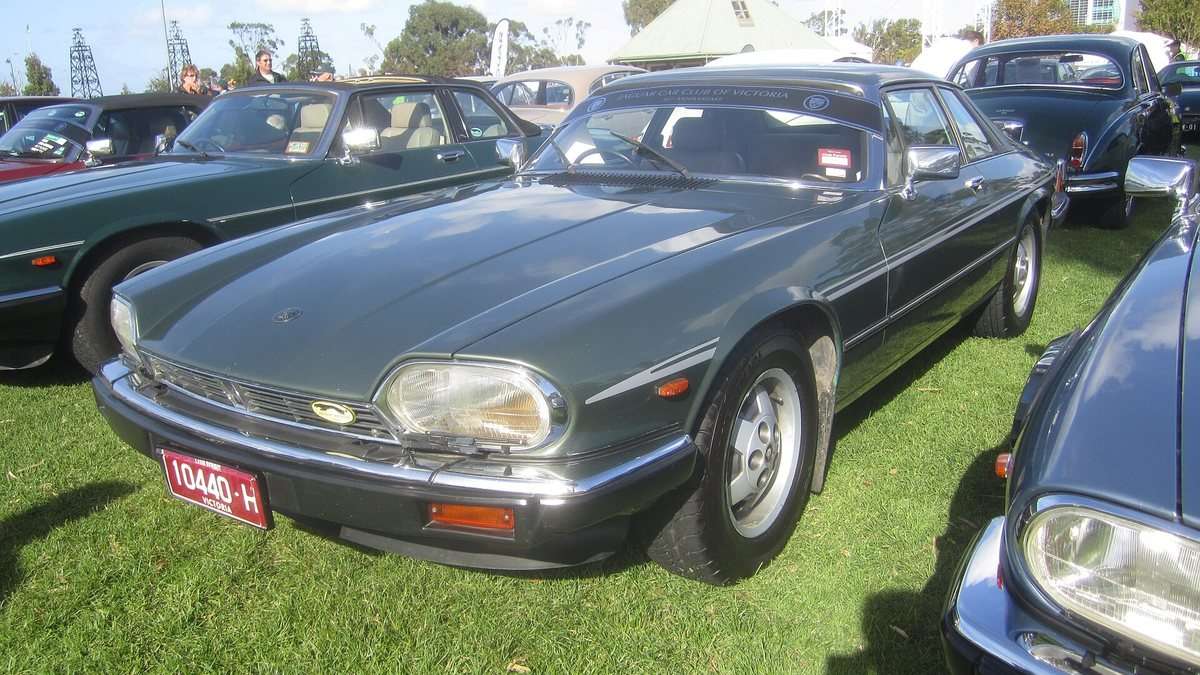
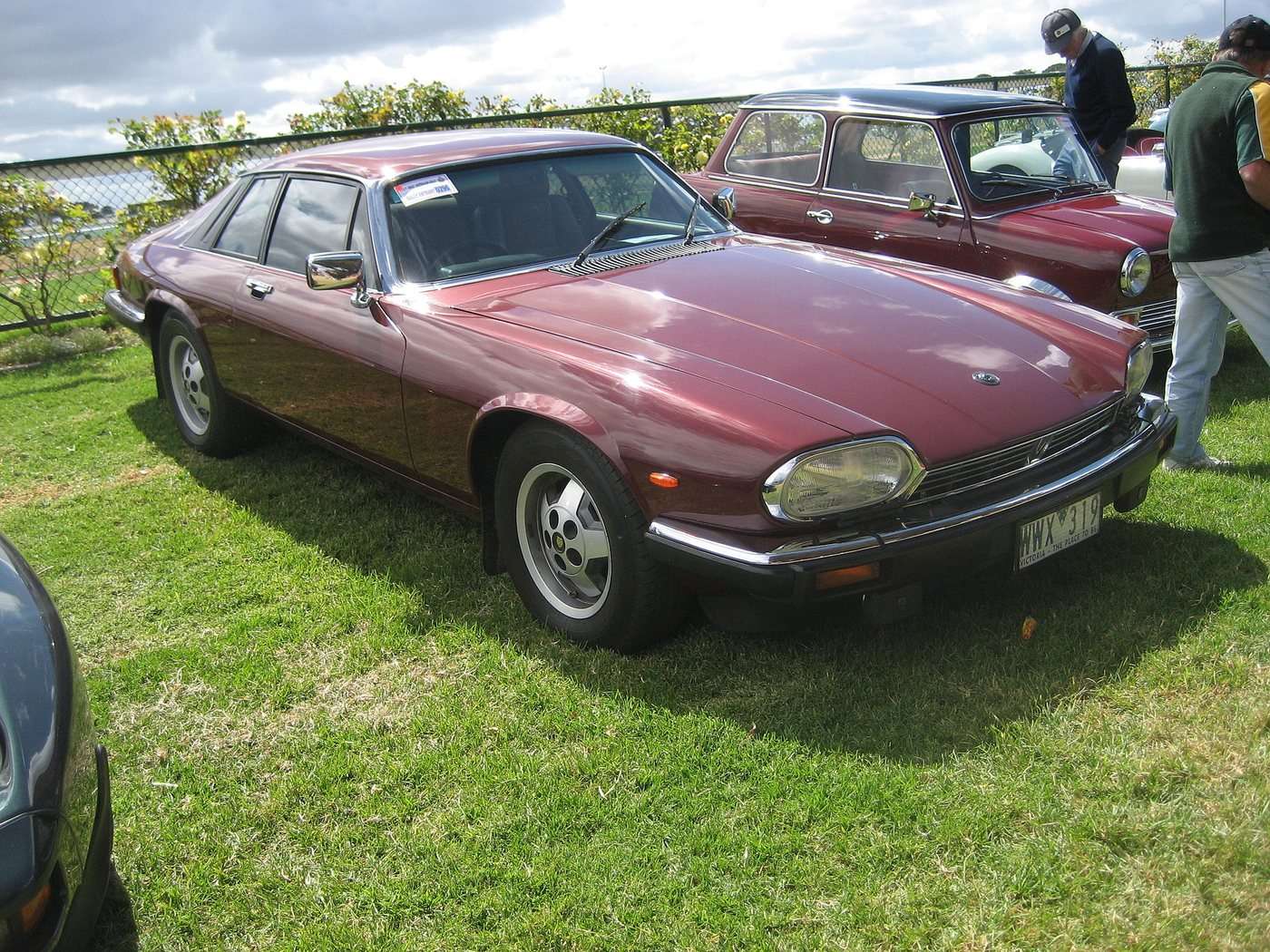
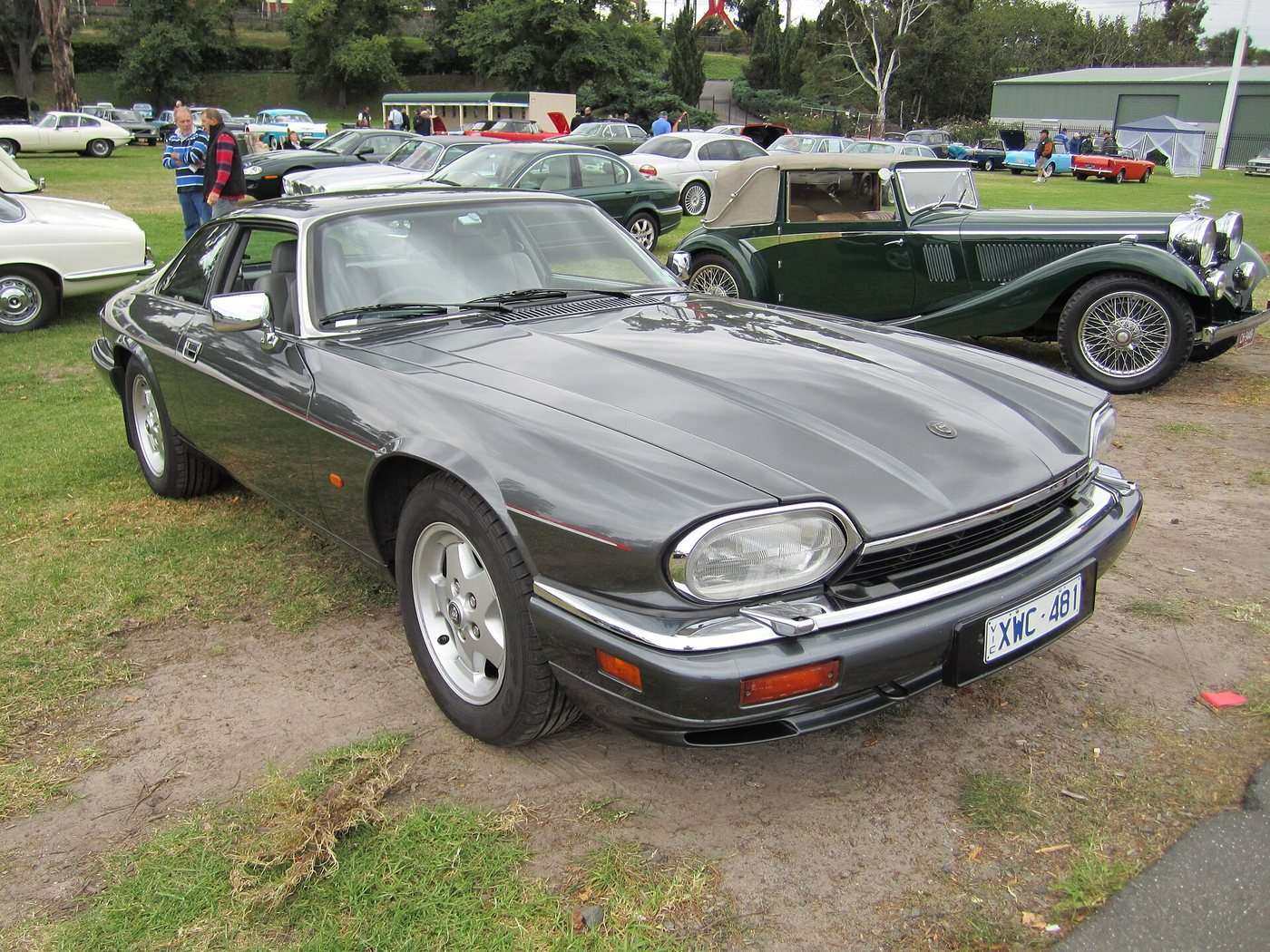
The Jaguar XJ-S and later XJS was Jaguar’s long-lived grand tourer, produced from 1975 to 1996. It succeeded the E-type without copying it, combining distinctive flying-buttress styling with V12 refinement and, later, six-cylinder engines and a factory convertible.
Quick answer: early cars used the 5.3-litre V12; the more efficient HE version arrived for 1981, six-cylinder models broadened the range, the full convertible appeared in 1988 and a major facelift followed in 1991. Condition and maintenance matter more than headline mileage.
Why Jaguar replaced the E-type differently
Jaguar designed the XJ-S as a sophisticated high-speed GT rather than another compact sports car. Malcolm Sayer’s aerodynamic work produced the low nose, broad rear pillars and controversial flying buttresses. The cabin emphasised long-distance comfort while the suspension and brakes drew on Jaguar saloon engineering.
V12, HE and six-cylinder development
The original 5.3-litre V12 delivered smooth performance but arrived during an energy crisis. The 1981 HE engine used Michael May’s high-efficiency combustion design to improve economy. Jaguar later added the AJ6 straight-six, first at 3.6 litres and subsequently at 4.0 litres, giving buyers a less complex alternative.

Major Jaguar XJS phases
| Period | Main versions | Key distinction |
|---|---|---|
| 1975–1981 | 5.3 V12 coupé | Original styling and pre-HE V12 |
| 1981–1991 | V12 HE, 3.6 six-cylinder, cabriolet and convertible | Efficiency improvements and a broader body/engine range |
| 1991–1996 | Facelift 4.0 and 6.0 models | Simplified rear treatment, revised cabin and later powertrains |
Cabriolet and convertible
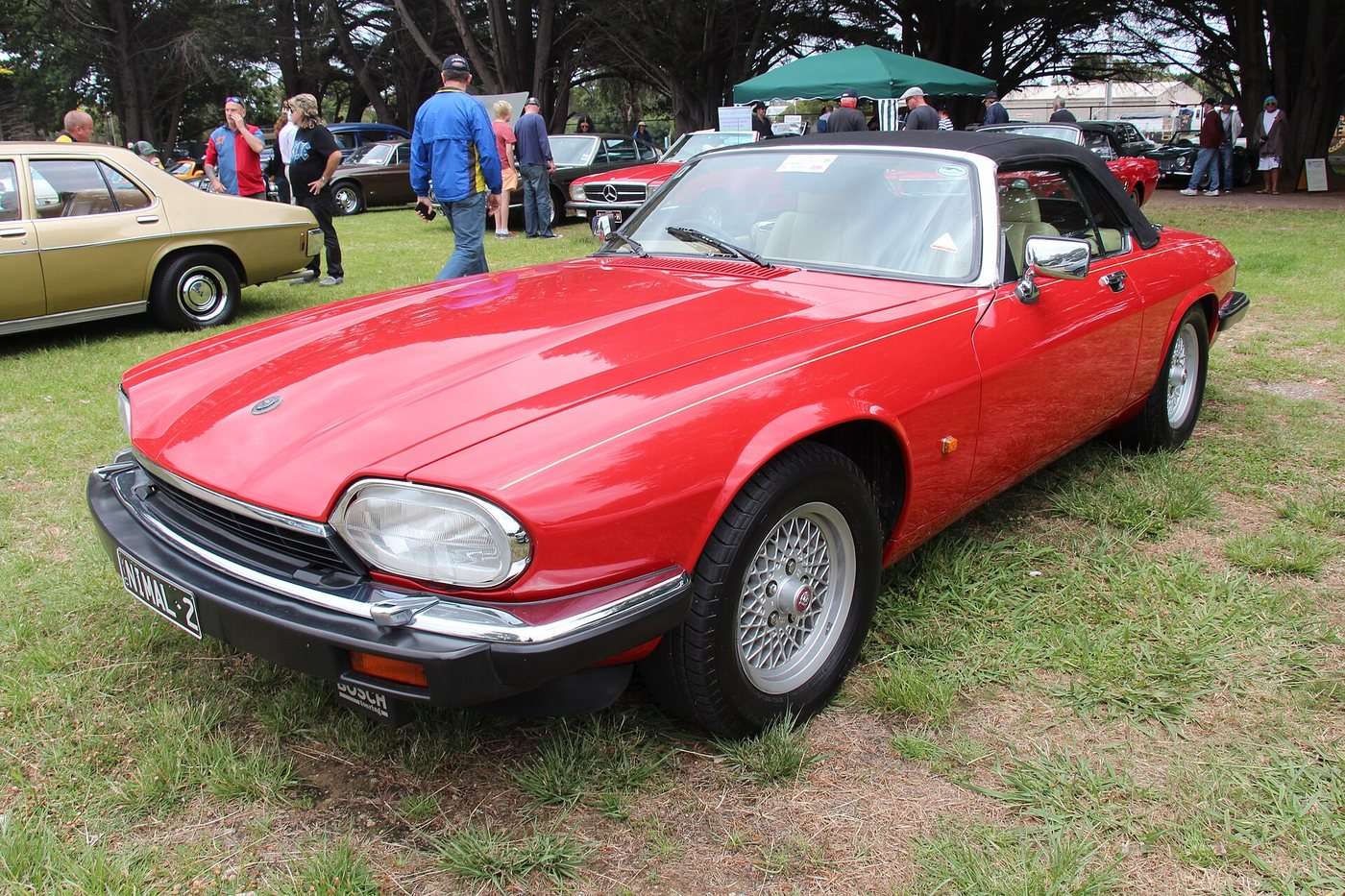
The early XJ-SC used removable roof panels and a fixed central structure. Jaguar introduced a fully open factory convertible in 1988. These cars require careful inspection around the floors, sills, roof mechanism, rear quarters and drainage points because structural repairs are expensive.
Love cars you don’t see every day?
Get forgotten cars, surprising motoring stories and the most interesting finds from Unusual Cars by email.
Free to join. No spam. Unsubscribe whenever you like. See our privacy policy.
TWR and competition history
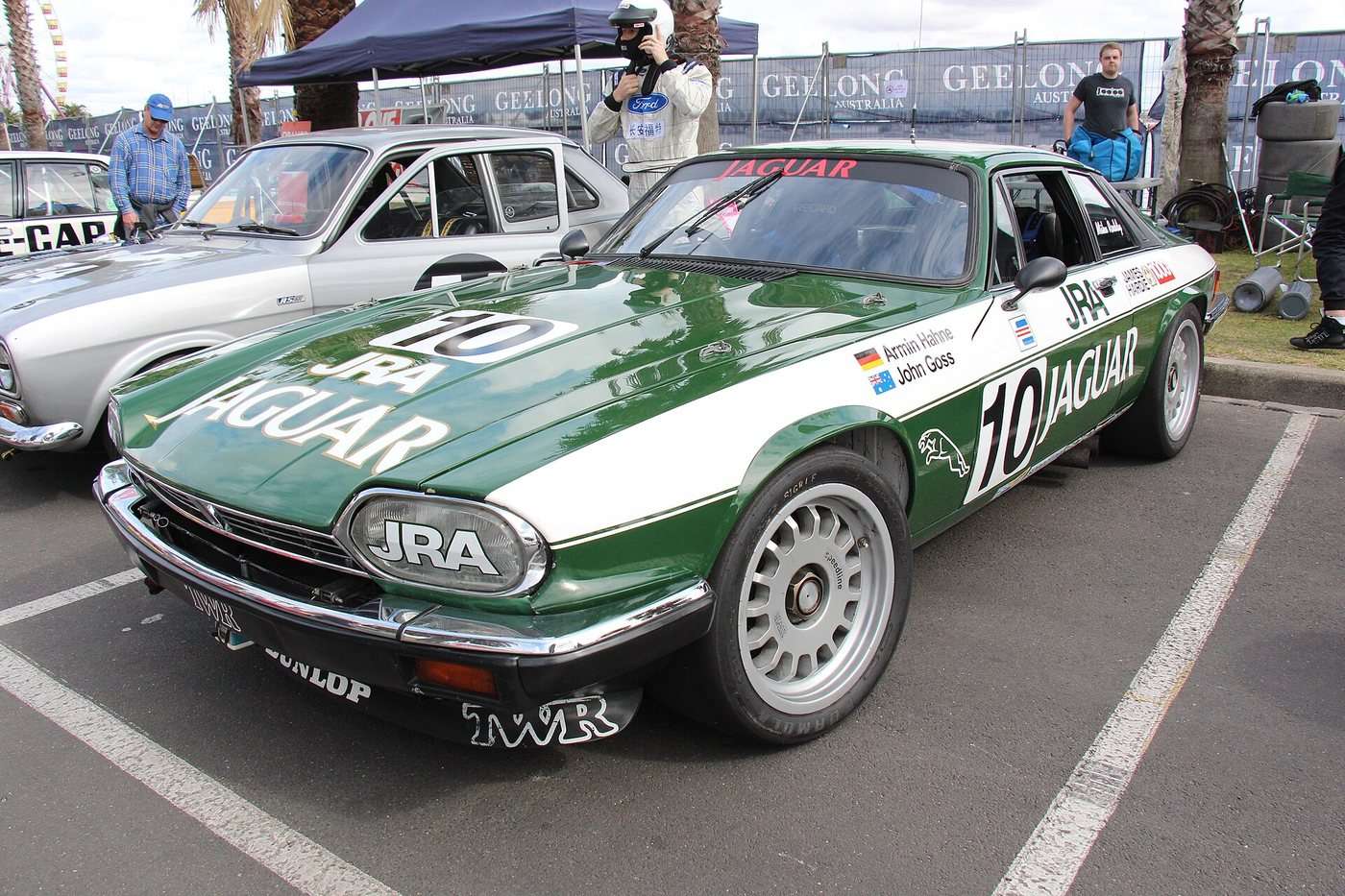
Tom Walkinshaw Racing developed the XJ-S for European touring-car competition, winning the 1984 European Touring Car Championship and the Spa 24 Hours. TWR also offered road-car upgrades, but genuine period conversions need invoices and identifying evidence because later replicas and mixed specifications are common.
Jaguar XJS buying guide
Corrosion and body structure
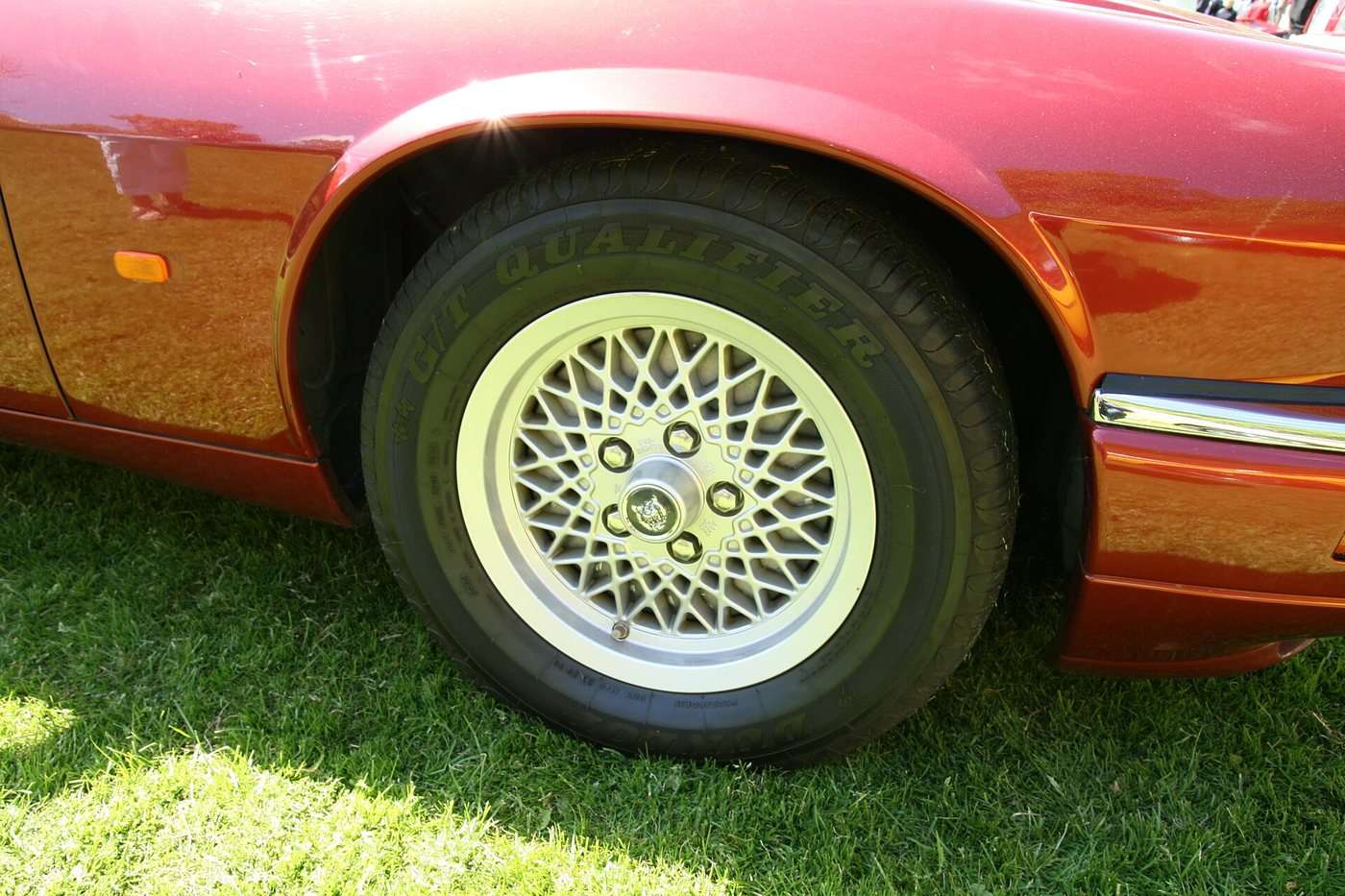
Inspect front and rear screen surrounds, sills, floors, jacking points, wheelarches, front crossmember, suspension mounts, boot floor and convertible reinforcement. Water ingress can damage trim and electrical systems before rust becomes obvious outside.
Cooling and fuel systems
Both V12 and six-cylinder cars need stable cooling. Check radiator condition, hoses, fans, expansion system and evidence of overheating. Old fuel hoses are a serious risk on V12 cars. Require proof of methodical servicing rather than assuming a smooth idle means everything is healthy.
Transmission, brakes and electrics
Test clean automatic shifts, differential noise, steering, suspension bushes, inboard rear brakes on earlier cars and every electrical accessory. Vacuum systems, climate control and past alarm installations can create time-consuming faults.
Research sources
Continue the Jaguar story
Explore the Rare & Performance Jaguar hub, then compare the Jaguar XJ220 guide and the Jaguar X100 XKR guide.
Frequently asked questions
When was the Jaguar XJS built?
Jaguar produced the model from 1975 to 1996; the name changed from XJ-S to XJS during the facelift era.
Which engines were available in the Jaguar XJS?
The range included 5.3- and 6.0-litre V12 engines plus 3.6- and 4.0-litre AJ6-family straight-sixes.
What is an XJ-SC?
The XJ-SC is the earlier cabriolet with removable roof panels and a fixed central structure, distinct from the later full convertible.
Did the Jaguar XJS race?
Yes. Tom Walkinshaw Racing developed successful European touring cars, including the 1984 championship-winning programme.
What are the main Jaguar XJS buying checks?
Prioritise corrosion, cooling and fuel-system maintenance, transmission and differential condition, brakes, electrics and evidence of correct specialist servicing.