UNUSUAL CARS MODEL GUIDE
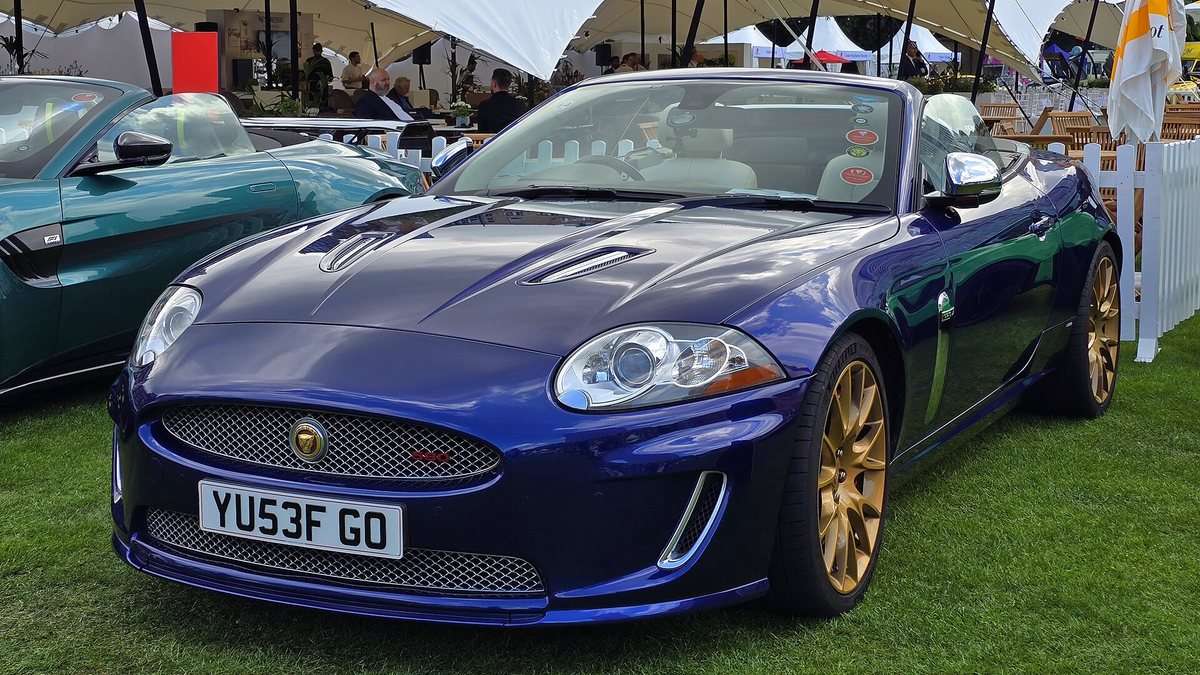
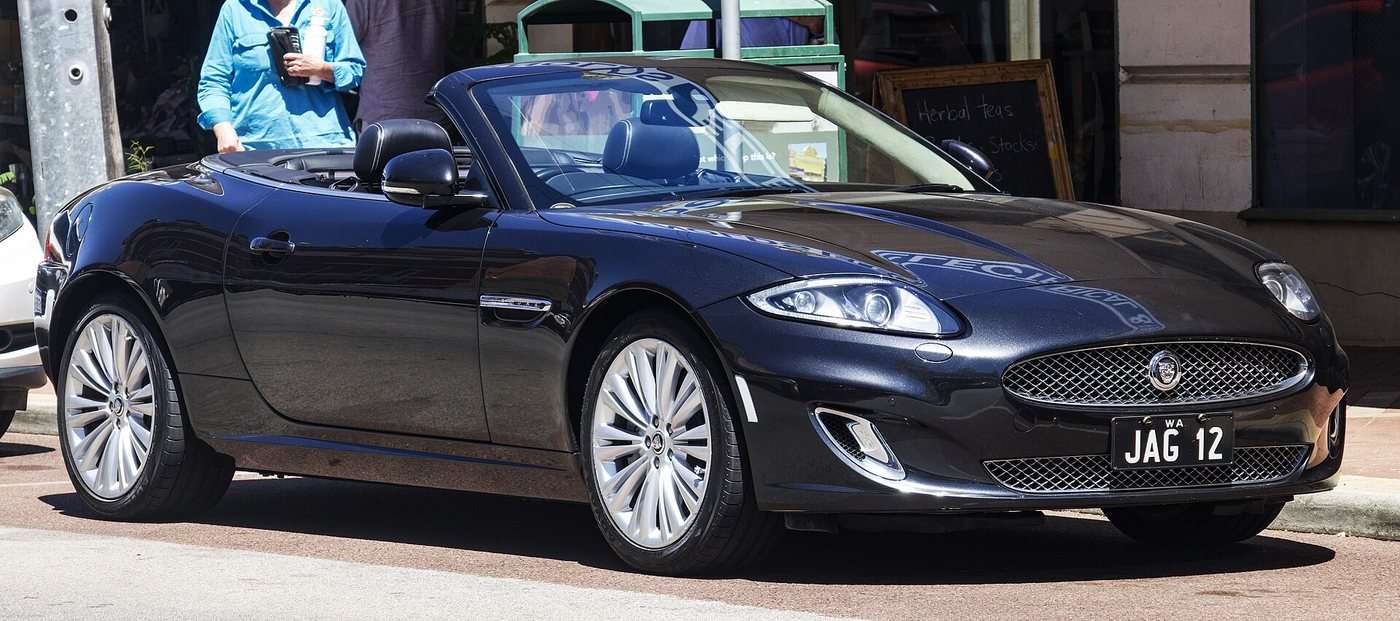
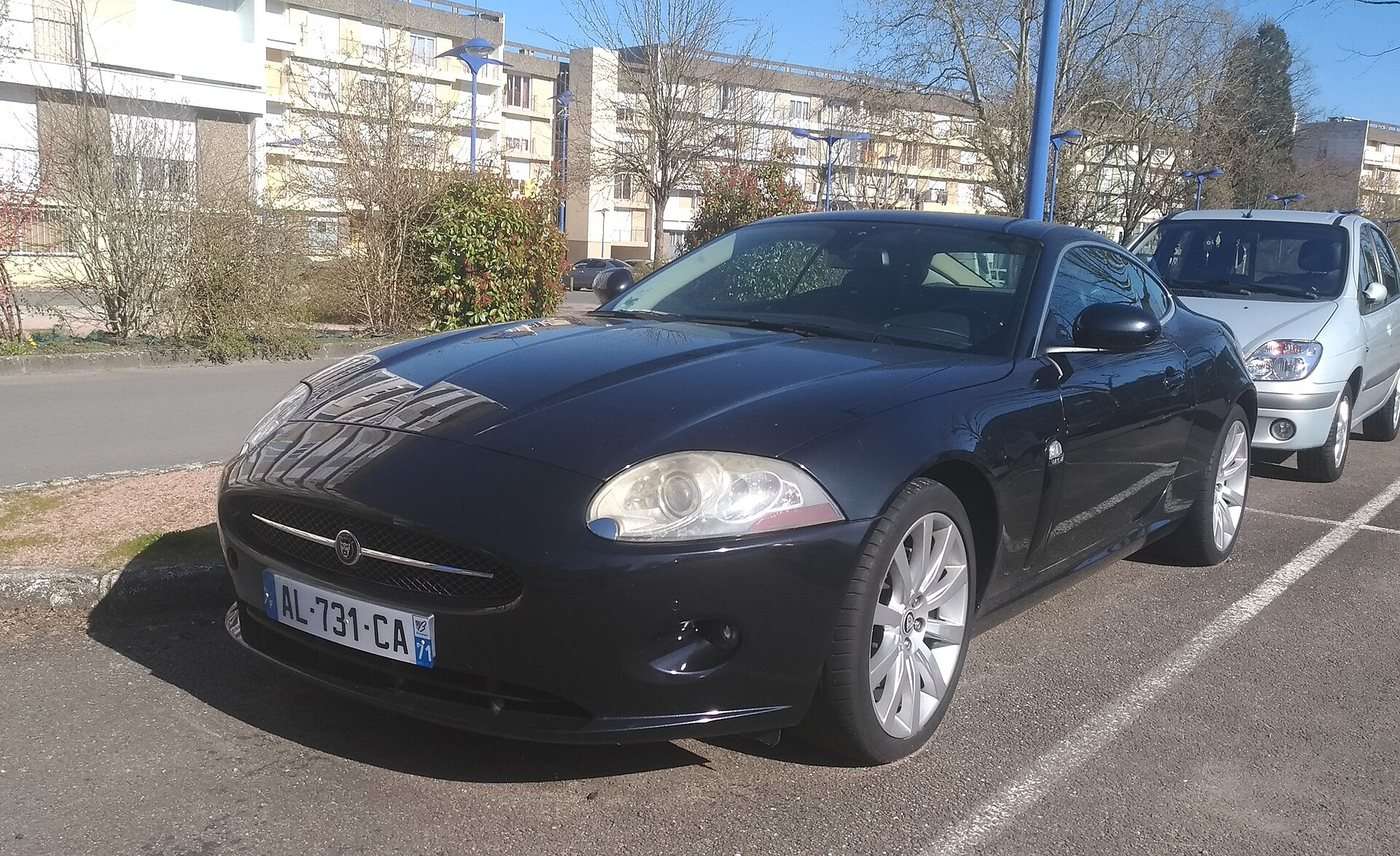
The X150 Jaguar XK replaced the X100 in 2006 with an aluminium body, modern chassis and a broader performance range. It appeared as XK and supercharged XKR coupés and convertibles, later gaining 5.0-litre engines and the focused XKR-S.
Quick answer: Early cars use 4.2-litre naturally aspirated or supercharged V8s. The 2009 update brought 5.0-litre direct-injection engines, while the XKR-S raised performance further. Buyers should prioritise aluminium-body condition, cooling, drivetrain servicing, suspension and convertible-roof operation.
An aluminium successor to the X100
Designed under Ian Callum, the X150 retained classic long-bonnet proportions but adopted a riveted and bonded aluminium structure related to Jaguar’s contemporary XJ technology. The lower mass improved performance, refinement and efficiency without abandoning the XK’s grand-touring role.
From 4.2 litres to the 5.0-litre XKR-S
Launch cars used the familiar 4.2-litre AJ-V8, with an Eaton-supercharged version in the XKR. A major update introduced 5.0-litre direct-injection engines and revised styling. The later XKR-S added more power, sharper suspension and distinctive aerodynamic treatment.

Main versions and specifications
| Version | Powertrain | Buyer’s note |
|---|---|---|
| XK 4.2 | Naturally aspirated V8 | Simplest early drivetrain |
| XKR 4.2 | Supercharged V8 | Check cooling and supercharger system |
| XK/XKR 5.0 | Direct-injection V8 | Later styling and stronger performance |
| XKR-S | High-output supercharged 5.0 V8 | Verify originality and specialist history |

Coupé or convertible
The coupé is structurally simpler and provides more secure luggage space. The convertible offers open-air touring but adds hydraulic mechanisms, drains, seals and fabric that need careful inspection. Both bodies can suffer corrosion at aluminium and steel interfaces or from unsuitable accident repair.
Love cars you don’t see every day?
Get forgotten cars, surprising motoring stories and the most interesting finds from Unusual Cars by email.
Free to join. No spam. Unsubscribe whenever you like. See our privacy policy.
Jaguar X150 XK and XKR buying guide
Body and structure
Inspect panel fit, wheelarches, door bottoms, bootlid, undertrays and mounting points for oxidation, bubbling or accident repair. On convertibles, cycle the roof repeatedly and inspect hydraulic components, drains, seals and wet carpets.
Engine and transmission
Check cooling stability, water pump, thermostat, hoses, supercharger drive and oil leaks. The six-speed automatic should engage promptly and shift cleanly; fluid-service evidence is valuable despite historic sealed-for-life language.
Suspension, brakes and electronics
Listen for worn suspension bushes, wheel bearings and differential noise. Test adaptive damping where fitted, electronic parking brake, climate control, seats, navigation and every warning message.

Why it matters
The X150 combined genuinely lightweight construction with one of Jaguar’s last purely combustion-era grand tourers. Its 5.0-litre XKR and XKR-S derivatives are already recognised as significant modern performance Jaguars.

Research sources
Continue the Jaguar story
Explore the Rare & Performance Jaguar hub, then compare the Jaguar XJ40 guide and the Jaguar X350 XJR guide.
Frequently asked questions
When was the X150 Jaguar XK built?
The X150 generation was produced from 2006 to 2014.
Is the X150 XK aluminium?
Yes. Its body structure is primarily riveted and bonded aluminium.
What engines were offered?
The range used naturally aspirated and supercharged 4.2- and 5.0-litre V8 engines.
Was the X150 available as a convertible?
Yes. Jaguar offered both coupé and full-convertible versions.
What are the main buying checks?
Inspect aluminium-body condition, cooling, gearbox service, suspension, electronics and convertible-roof systems.