UNUSUAL CARS MODEL GUIDE
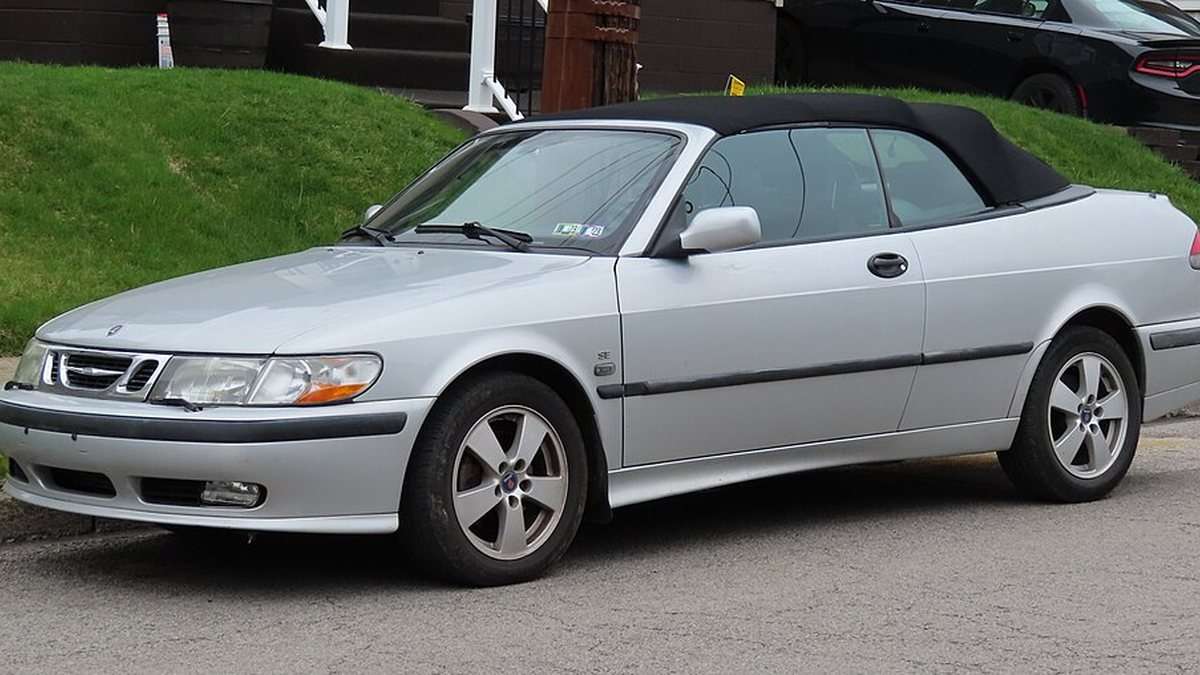
The Saab 9-3 Convertible combined four adult seats and year-round usability with the company’s turbocharged engines and distinctive cockpit. Britain received both generations in right-hand drive: the first evolved from the 900 Convertible, while the second adopted the newer 9-3 platform and remained an important part of Saab’s range until production ended.
First-generation 9-3 Convertible
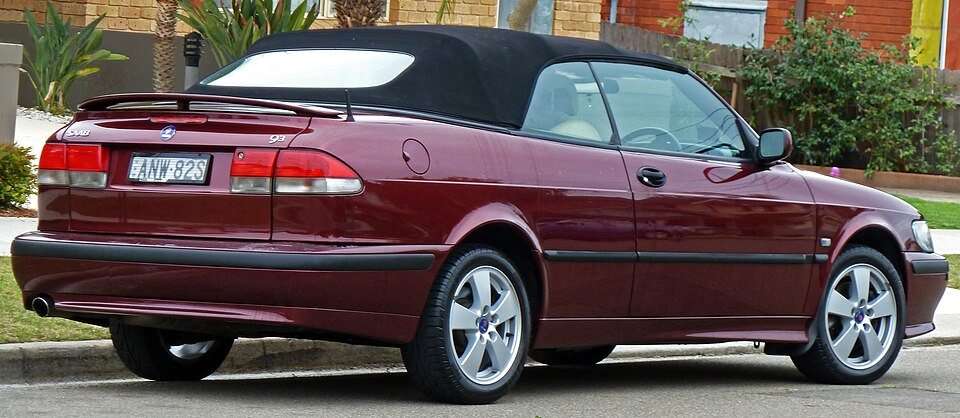
The first 9-3 Convertible was an extensive development of the 900 NG cabriolet and continued to be assembled in Finland. Its fabric roof folded beneath a hard tonneau, leaving the familiar Saab profile with the roof raised and a clean open shape when lowered.
UK engines included naturally aspirated and turbocharged four-cylinder petrol units, with trims ranging from straightforward S models to SE, Aero and limited editions. The Viggen Convertible was the rare performance flagship, but mainstream turbo cars provide much of the same relaxed, torque-rich character at lower cost.

Second-generation Convertible
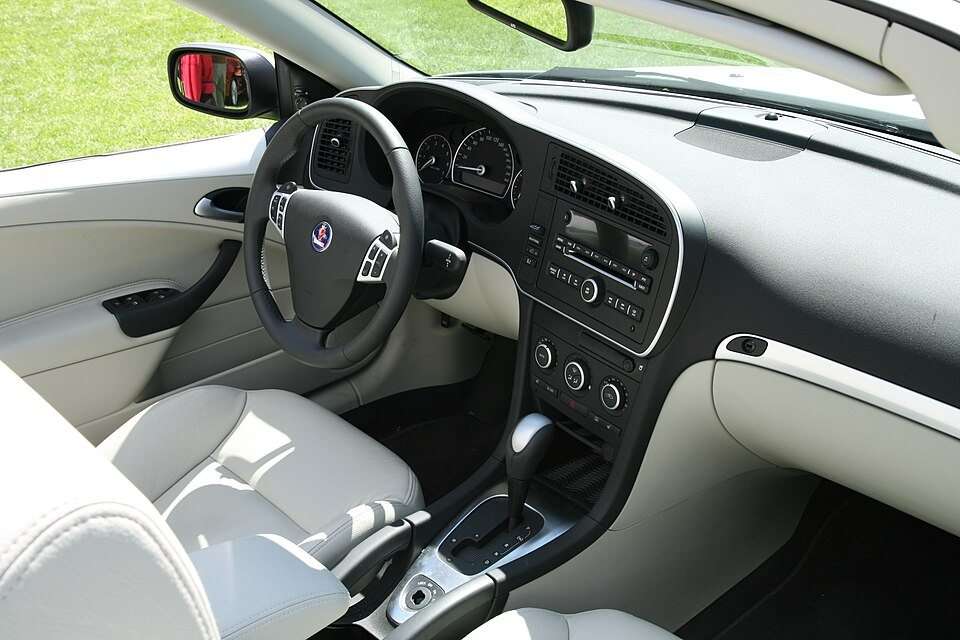
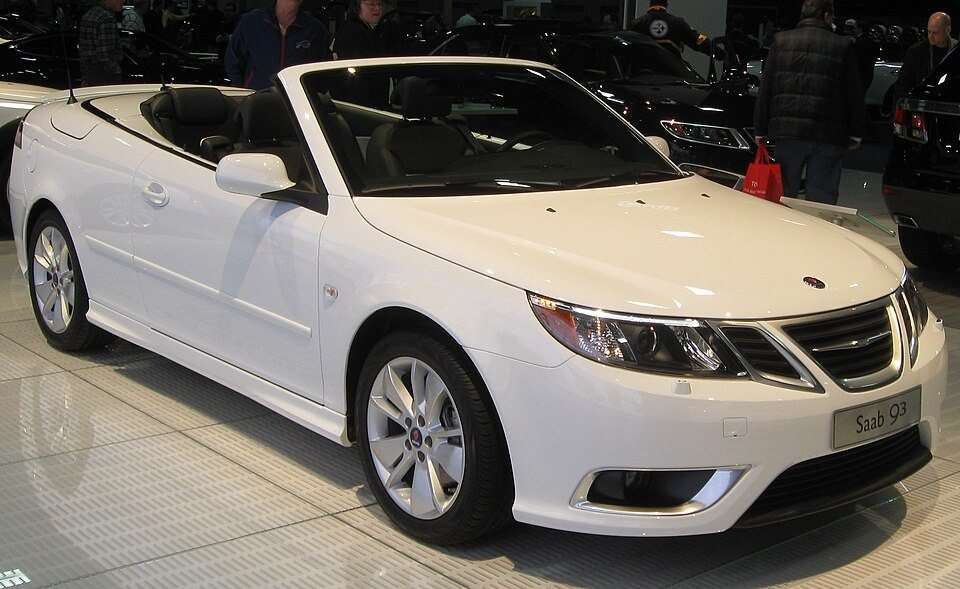
The second-generation 9-3 Convertible arrived for the 2003 model year on the newer Sport Sedan architecture. Production moved to Magna Steyr in Austria. The body was stiffer, the roof mechanism more sophisticated and the cabin more contemporary, although the open car retained four seats and a useful boot for its class.
Four-cylinder turbo petrol engines formed the core of the UK range. Later cars added the 2.8-litre turbocharged V6 in Aero specification, while diesel convertibles appealed to high-mileage drivers. Facelifts brought revised front styling, lighting and interior details.

| Generation | UK character | Key check |
|---|---|---|
| 1998–2003 first generation | Classic hatch-derived Saab feel | Roof hydraulics, bulkhead and engine history |
| 2003–07 second generation | New platform and greater refinement | Roof sensors, electronics and suspension |
| 2008–11 facelift | Revised styling and later engines | Model-specific trim, lighting and maintenance |
| Aero/V6 | Performance flagship | Cooling, coils, tyres and brake condition |
Love cars you don’t see every day?
Get forgotten cars, surprising motoring stories and the most interesting finds from Unusual Cars by email.
Free to join. No spam. Unsubscribe whenever you like. See our privacy policy.
What the roof should do
The roof should complete a full opening and closing cycle smoothly, latch securely and leave the windows correctly indexed. Operate it more than once with the engine running. Hesitation, warning messages, uneven movement, fluid stains or manual assistance point to a fault that needs diagnosis.
Do not assume every roof problem is a failed pump. Microswitches, position sensors, wiring, hydraulic rams, hoses, latches and control calibration can all interrupt the sequence. A specialist familiar with the exact generation can diagnose the system more economically than random parts replacement.

Saab 9-3 Convertible buying guide
Water leaks and drainage
Inspect carpets, rear footwells, boot lining, spare-wheel area and the space around electronic modules. Blocked drains or tired seals can allow water to accumulate. Damp smells, misted lamps and corroded connections are evidence, not minor inconveniences.
Petrol and diesel engines
On petrol cars, check oil history, cooling, ignition coils, smooth boost and timing condition appropriate to the engine. Diesels need investigation of EGR, particulate-filter, swirl and dual-mass-flywheel issues. Any tuned car needs invoices and a calibration suitable for its hardware.
Body rigidity and suspension
Convertibles place additional demands on their structure. Listen for excessive scuttle shake and inspect sills, floors, jacking points and previous accident repairs. Worn bushes, springs and dampers can make the car feel far less composed than it should.
Interior and electrical equipment
Test climate control, seat functions, displays, audio, windows, mirrors, central locking and every warning light. Interior trim and tonneau components can be difficult to source in the correct colour.
Roof fabric and rear glass
Look for shrinking, abrasion, damaged stitching, staining and poor sealing around the rear window. A replacement roof should fit evenly and have evidence of professional installation.
Continue the Saab story
Return to the Rare & Performance Saabs hub, then compare the first-generation car with the 9-3 Viggen and explore Saab’s earlier open-car lineage in the classic 900 Turbo guide.
Research sources
Frequently asked questions
Was the Saab 9-3 Convertible sold in the UK?
Yes. Both generations were officially sold in Britain in right-hand drive.
How many generations of Saab 9-3 Convertible are there?
There are two main generations: the hatch-derived first generation from 1998 and the newer-platform car introduced for 2003.
What is the most important roof check?
Run a complete opening and closing cycle more than once and check that every latch, window and tonneau movement completes without warnings or assistance.
Do Saab 9-3 Convertibles leak?
Poor seals, blocked drains or roof faults can cause leaks, so the carpets, boot and electronic-module areas must be checked for moisture.
Which 9-3 Convertible is fastest?
Viggen versions lead the first generation, while 2.8-litre V6 Aero models are among the fastest second-generation cars.