UNUSUAL CARS MODEL GUIDE
The Volvo 240 Turbo transformed Volvo’s durable 200-series family car into both a rapid road model and a championship-winning Group A touring car. Launched in 1981, the European road car used a turbocharged 2.1-litre B21ET engine producing 155hp in Volvo’s historical account.
Quick answer: road-going 240 Turbos were sold as two-door, four-door and estate derivatives depending on market. The competition programme required 500 Evolution cars for Group A homologation. Racing versions developed about 300hp and won both the European Touring Car Championship and the German DTM title in 1985.
From dependable 240 to turbo performance car
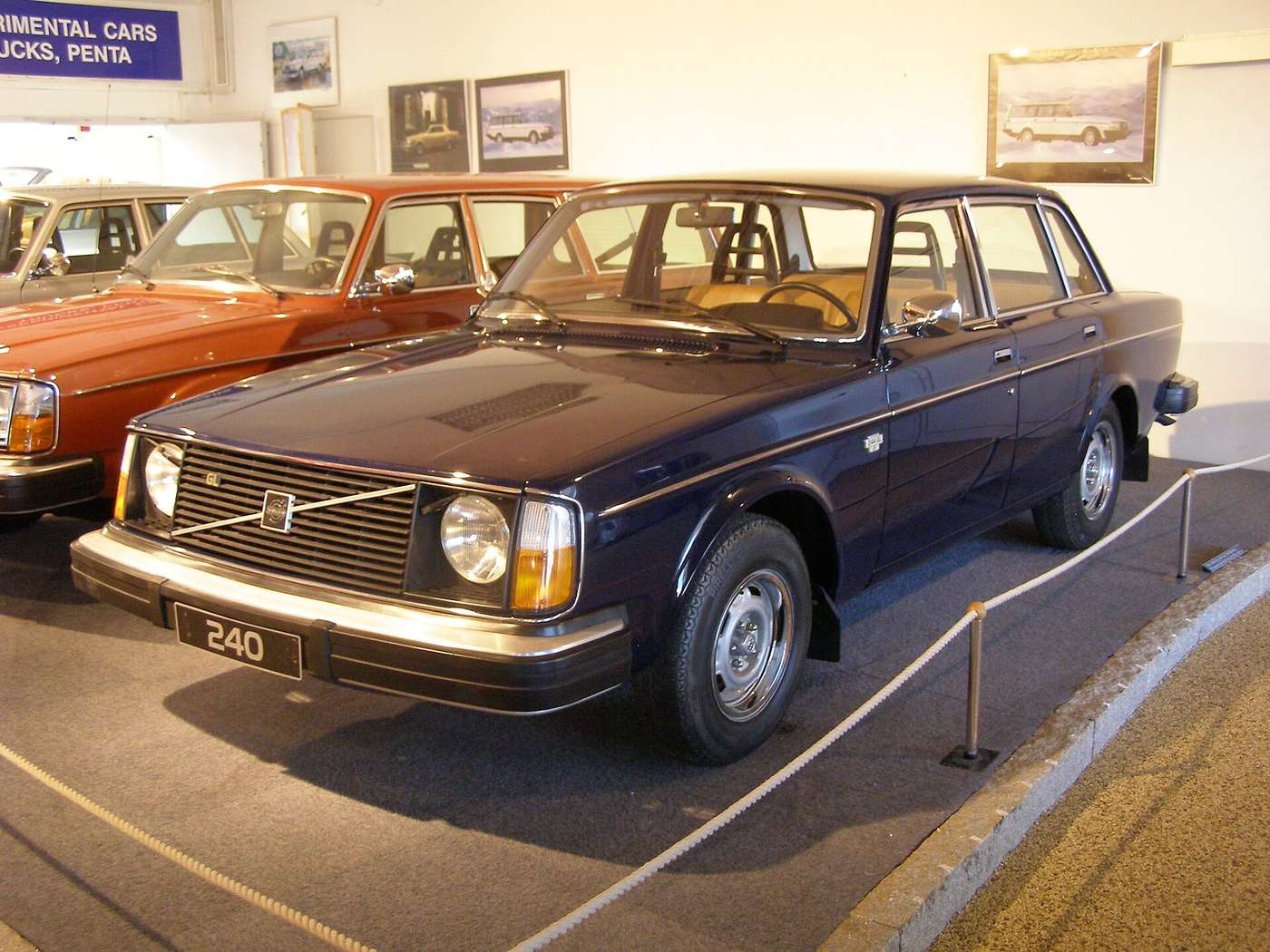
The 240 arrived in 1974 as a development of the 140 series, with major safety and front-suspension changes influenced by Volvo’s VESC experimental car. By 1981 Volvo was ready to challenge the idea that its square family cars could not be fast.
In European specification the 2.1-litre B21ET used Bosch K-Jetronic fuel injection and a turbocharger to produce 155hp. Volvo quoted 0-100km/h in nine seconds and 195km/h. North American B21FT specifications, emissions equipment and output differ and should not be mixed with European figures.
242, 244 and 245 Turbo body styles
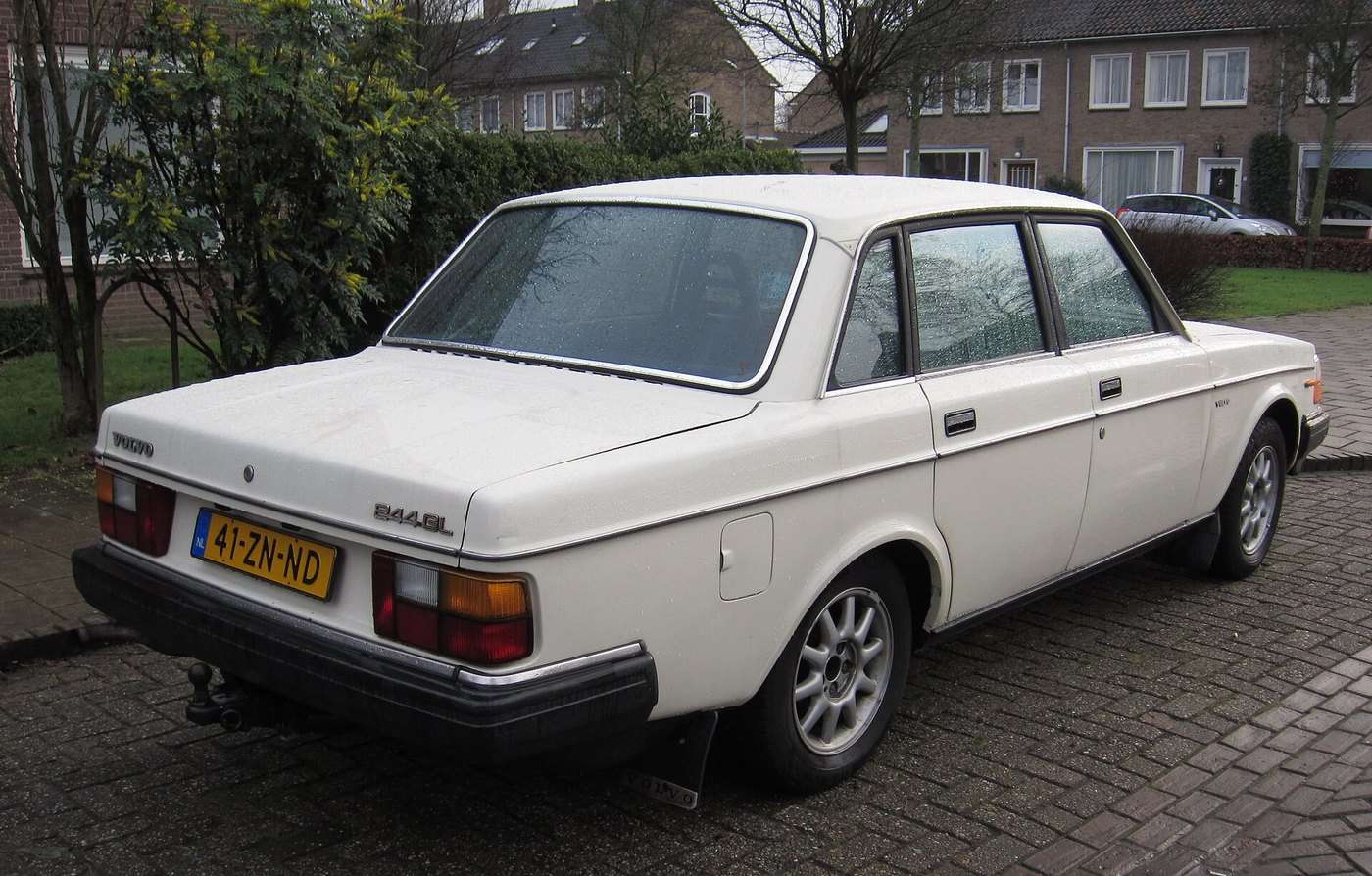
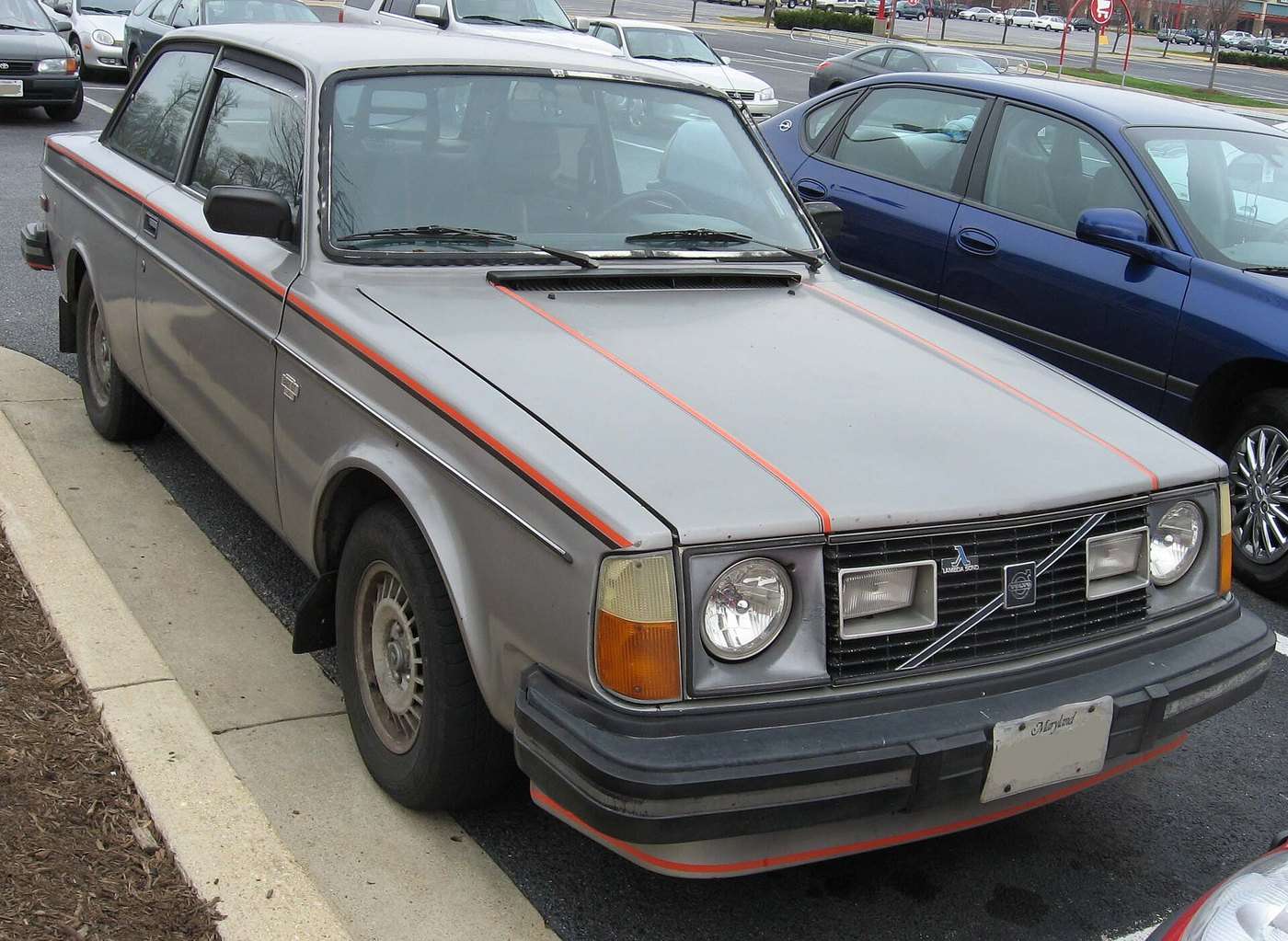
Volvo’s traditional numbering described doors and body form: 242 for the two-door, 244 for the four-door saloon and 245 for the estate, although the company later simplified badges to 240. Availability varied by country.
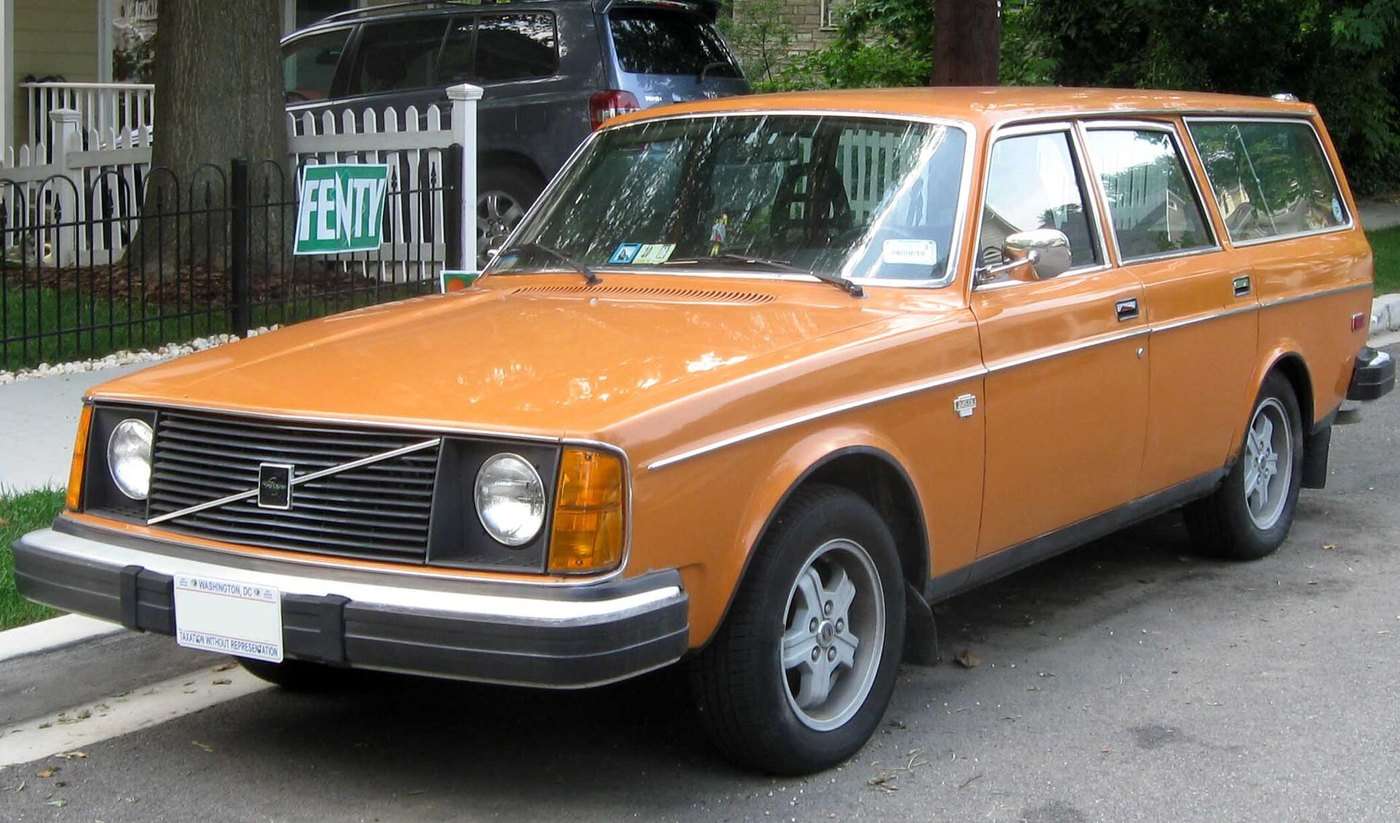
The two-door 242 became the natural competition base. The 244 Turbo offered the same basic performance idea in a conventional saloon, while the 245 Turbo estate became, in Volvo’s words, the world’s fastest estate and the first series-production estate with a turbocharged petrol engine.
Why Group A suited the Volvo
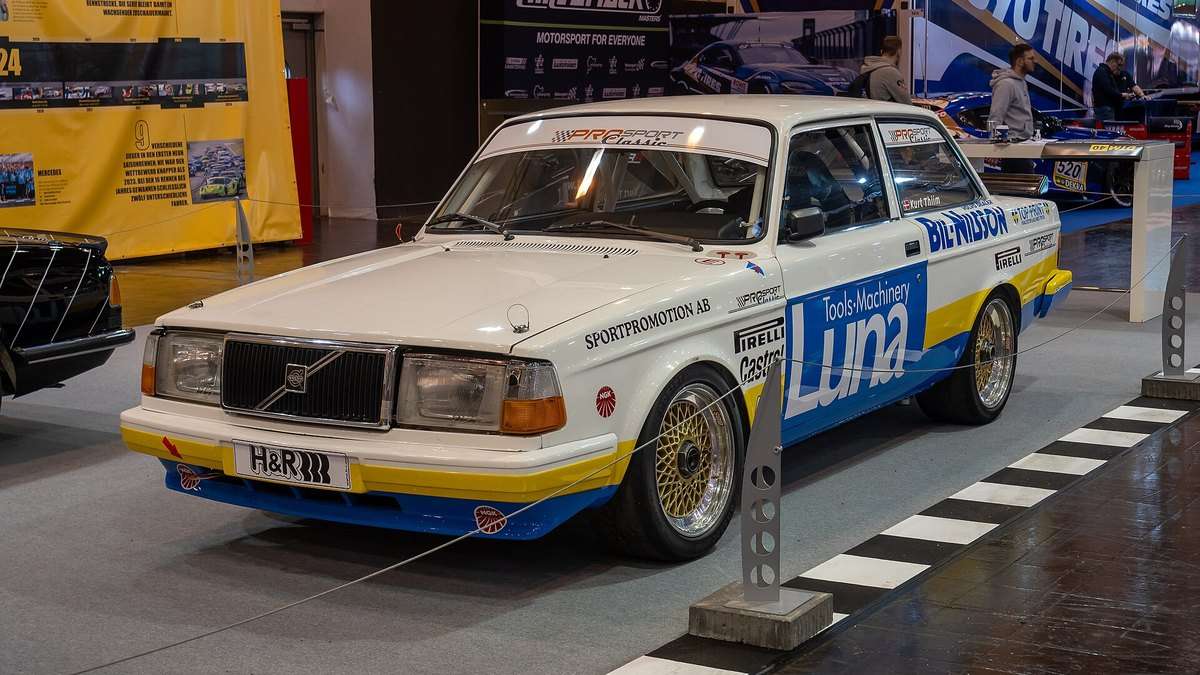
Group A rules introduced for 1982 required a production model built in at least 5,000 examples during a year, with at least four seats and limited freedom for racing modifications. A further 500 Evolution cars were needed to homologate key components.
Volvo assembled those 500 Evolution cars for inspection in the United States in 1983. The homologation package included a larger turbocharger, altered engine management and water injection. The history of what equipment remained on customer cars is complex, which makes documentary evidence essential when evaluating a claimed Evolution.
The Flying Brick in competition
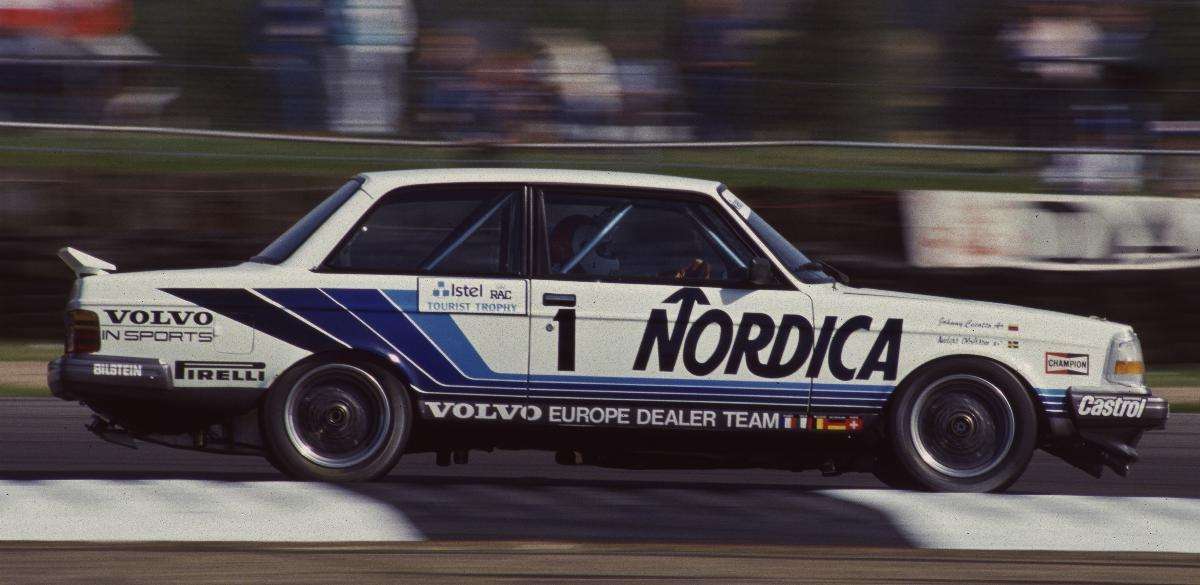
The racing 240 Turbo used an aluminium cylinder head, forged internal components, special Bosch K-Jetronic injection and boost of up to about 1.5 bar. Volvo quotes roughly 300hp and a 260km/h top speed for the competition car.
After two major wins in 1984, the programme reached its peak in 1985. Thomas Lindström and Gianfranco Brancatelli secured the European Touring Car Championship, while Per Stureson won the German DTM title. The square saloon’s pace against BMW and Rover created the enduring “Flying Brick” identity.
Love cars you don’t see every day?
Get forgotten cars, surprising motoring stories and the most interesting finds from Unusual Cars by email.
Free to join. No spam. Unsubscribe whenever you like. See our privacy policy.
Volvo 240 Turbo buying guide
Verify the derivative
Use the chassis number, market records, engine code, build plates and period documents. A standard 240 can accept Turbo wheels and trim, while a genuine Evolution claim requires far more than appearance.
Rust and previous repairs
Inspect windscreen surrounds, bulkhead seams, sills, jacking points, floors, rear arches, boot wells, spare-wheel compartments, suspension mounts and the lower tailgate on estates. Quality of past welding matters as much as the amount.
Fuel injection, turbo and wiring
K-Jetronic works well when pressures, injectors and vacuum systems are correct. Check warm and cold starting, boost control, smoke, oil lines and intercooler hoses. Early-1980s engine-bay wiring looms can deteriorate and deserve close inspection.
Gearbox, overdrive and axle
Manual cars often use a gearbox with electrically operated overdrive. Confirm positive shifts, reliable overdrive engagement and a quiet rear axle. A competition-style differential or modified gearbox must be documented.
Suspension, brakes and modifications
Check bushes, ball joints, dampers, steering, wheel bearings and brake balance. Many 240 Turbos have been modified over decades; upgrades can be valuable, but only when engineered coherently and supported by invoices.
Why the 240 Turbo matters
The 240 Turbo connected Volvo’s safety-focused road cars with serious international motorsport. It proved that a recognisably practical saloon could meet homologation rules, survive endurance racing and beat purposefully sporty rivals.
Research sources
- Volvo Cars: 240 Turbo Group A and 1985 championship history
- Volvo Cars: 40 years of the Volvo 240
- FIA Historic Database: Volvo 240 Turbo
- Classic & Sports Car: Volvo 240 series buyer guide
Continue the Volvo story
Explore the Rare & Performance Volvos hub, then compare the Volvo 480 Turbo guide and the Volvo 850 T-5R and R guide.
Frequently asked questions
When was the Volvo 240 Turbo launched?
Volvo introduced the turbocharged 240 road car in 1981.
How much power did the road-going 240 Turbo have?
Volvo quotes 155hp for the European 2.1-litre B21ET road car; other markets used different specifications.
What was the Volvo 240 Turbo Evolution?
It was the 500-car evolution batch used to homologate competition components for Group A racing.
What did the Volvo 240 Turbo win in 1985?
It won the European Touring Car Championship and the German DTM drivers’ title, as well as national successes.
What should be checked before buying a 240 Turbo?
Confirm identity, then inspect rust, K-Jetronic fuel injection, turbo and cooling systems, wiring, gearbox and overdrive, axle, brakes and modifications.