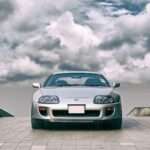
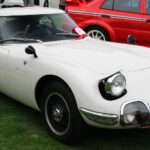
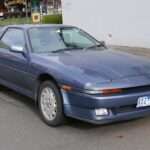
The fourth-generation Toyota Supra is now so famous that the legend can obscure the real car. Launched in 1993, the A80 combined a sophisticated chassis, two versions of Toyota’s 3.0-litre 2JZ straight-six and an unusually broad choice of specifications—years before films, games and tuning culture turned it into a global icon.
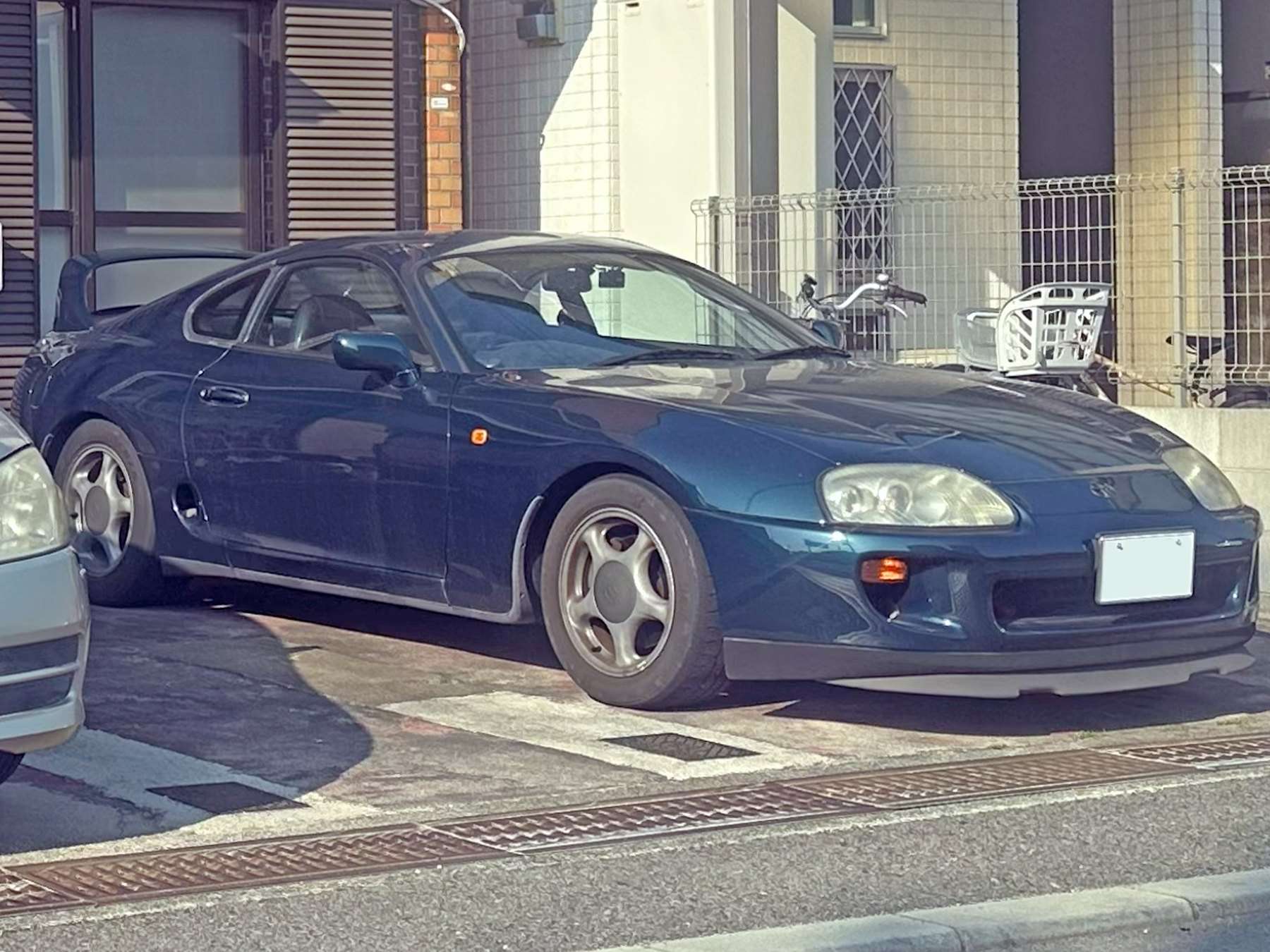
1. “A80” is only part of its real identity
Enthusiasts call it the A80 or Mk4, but Toyota’s model codes are more precise. Six-cylinder cars carry the JZA80 designation because they use a JZ-series engine. The distinction matters when checking Japanese auction sheets, parts catalogues and identity plates: a genuine car is not identified simply by a rounded body and a large rear wing.
2. Toyota deliberately made it more focused than the previous Supra
The A70 was a substantial grand tourer, so the fourth-generation project attacked mass and dimensions. Toyota used aluminium for the bonnet and optional removable sport roof, and the new car was shorter and more tightly packaged. The result still offered everyday refinement, but its proportions and double-wishbone suspension moved the Supra closer to a dedicated sports car.
3. Not every A80 had a turbo—or even the famous rear wing
Japanese buyers could choose naturally aspirated SZ versions powered by the 2JZ-GE as well as twin-turbo RZ and GZ models using the 2JZ-GTE. Gearboxes, equipment and body details varied by grade and market. A wingless automatic SZ is therefore not necessarily a modified or incomplete Turbo; the A80 family was much broader than the best-known poster cars suggest.
4. The twin turbos worked sequentially
The road-going 2JZ-GTE did not simply use two equal turbochargers operating together at all times. Its sequential system brought one turbo into operation first, then introduced the second as engine speed and load increased. Toyota sought strong low-speed response as well as high-rpm power—one reason a healthy standard car feels more flexible than its tuning reputation might imply.
Love cars you don’t see every day?
Get forgotten cars, surprising motoring stories and the most interesting finds from Unusual Cars by email.
Free to join. No spam. Unsubscribe whenever you like. See our Privacy Policy.

5. Its six-speed manual was a Toyota first
The RZ’s Getrag-developed six-speed manual was the first six-speed manual fitted to a Toyota production car. Turbo buyers could alternatively have Toyota’s ECT-iS electronically controlled automatic with a manual-shift mode. The gearbox choice is another reminder that the Supra was engineered as a fast, usable road car rather than a stripped homologation special.
6. Japanese power figures do not tell the whole story
Toyota quoted 280PS for the Japanese 2JZ-GTE, matching the manufacturers’ voluntary ceiling of the period. Export cars were not identical: official UK twin-turbo Supras were rated at 326bhp and used market-specific hardware and calibration. That difference is why specifications should always be tied to a car’s original market rather than copied from a single headline figure.
7. The brakes included technology aimed at cornering
Turbo models received four-channel ABS with a lateral-g sensor, designed to improve braking stability while the car was cornering. Toyota’s 1993 launch material placed unusual emphasis on combining performance with safety, including an impact-absorbing body, side-door beams and available driver and passenger airbags.

8. The road car and the famous Japanese race cars did not share the same formula
The A80 became a major force in Japan’s top-level GT championship, winning the GT500 class four times. Yet racing success does not mean every works car relied on a showroom-style 2JZ-GTE. Regulations and weight distribution encouraged radically prepared racing engines and chassis, so the competition Supras should be understood as purpose-built racers wearing the A80 silhouette.
9. Its screen career was bigger than one orange car
The orange Supra in The Fast and the Furious gave the A80 mainstream recognition, but video games had already been building an international following. Toyota itself later credited both the original film and the Gran Turismo series with helping preserve the Supra’s popularity during the 17-year gap before the fifth generation arrived.
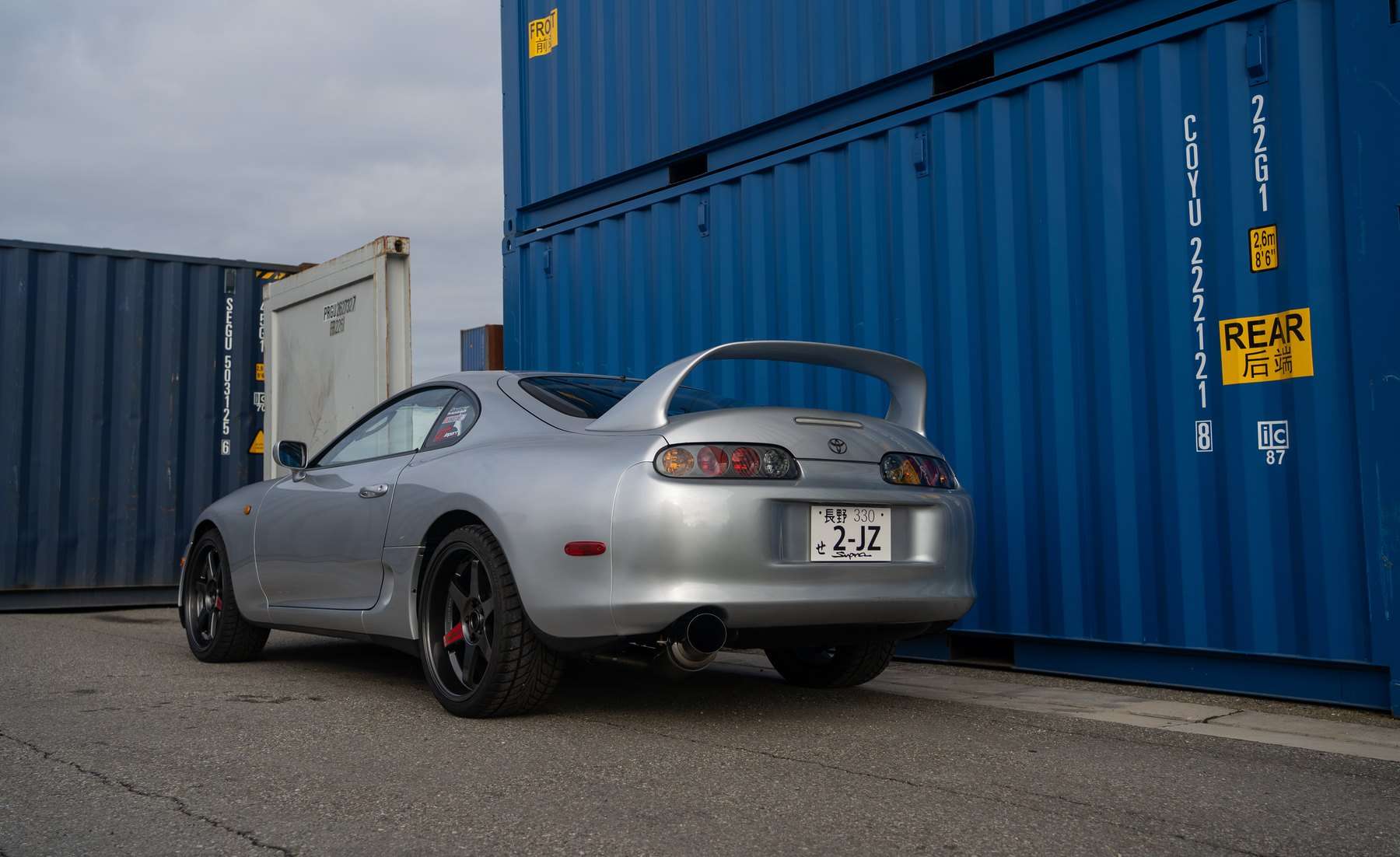
10. Toyota now manufactures genuine A80 parts again
The A80’s survival has become important enough for Toyota Gazoo Racing’s Heritage Parts Project. Toyota announced reproduced components including headlamps, door handles and brake boosters so owners could keep cars on the road using genuine parts. That factory support is a striking second life for a model whose production ended in 2002.
The Supra A80 deserves its reputation, but the real achievement is more interesting than the internet mythology. It was a technically ambitious, highly configurable 1990s sports car whose 2JZ engineering, motorsport record and cultural afterlife reinforced one another.
Love cars you don’t see every day?
Get forgotten cars, surprising motoring stories and the most interesting finds from Unusual Cars by email.
Free to join. No spam. Unsubscribe whenever you like. See our Privacy Policy.