UNUSUAL CARS MODEL GUIDE
The first- and second-generation Mitsubishi Eclipse are American-built sport coupés from the Diamond-Star Motors era. The sought-after GS-T and GSX versions paired Mitsubishi’s turbocharged 2.0-litre 4G63 with front- or all-wheel drive, creating one of the most tunable performance platforms of the 1990s.
Quick answer: choose GS-T for lower weight and simpler front-wheel drive, or GSX for all-weather traction and rarity. In Britain most cars are imports, so establish the generation, market, engine and drivetrain before judging condition or value.
Diamond-Star Motors and the 1G Eclipse
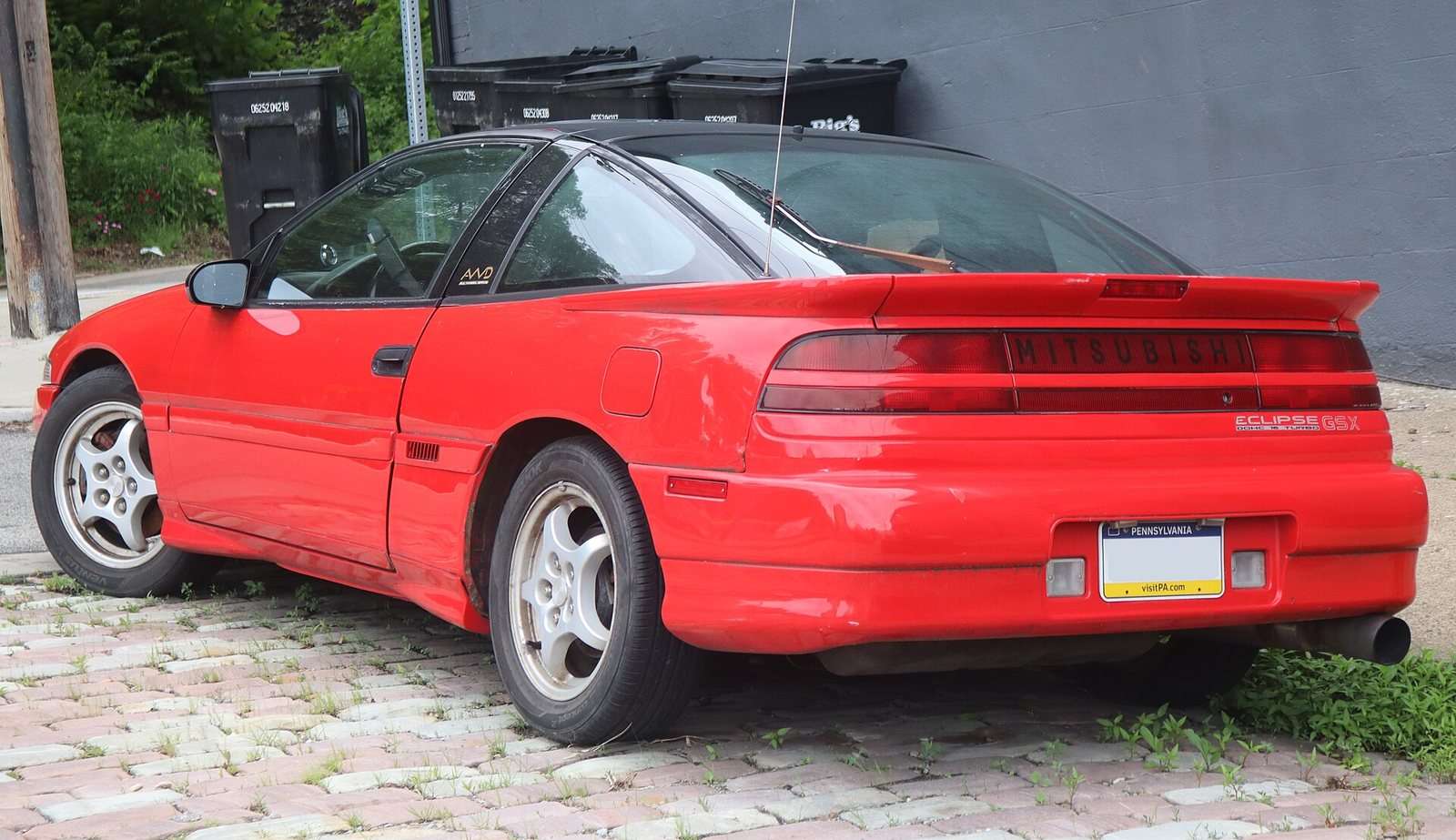
Mitsubishi and Chrysler formed Diamond-Star Motors and built the Eclipse at Normal, Illinois alongside the closely related Eagle Talon and Plymouth Laser. The 1990 model arrived with wedge styling and pop-up lamps. North American grades ranged from base and GS models to turbo GS-T and all-wheel-drive GSX.
GS-T, GSX and the 4G63
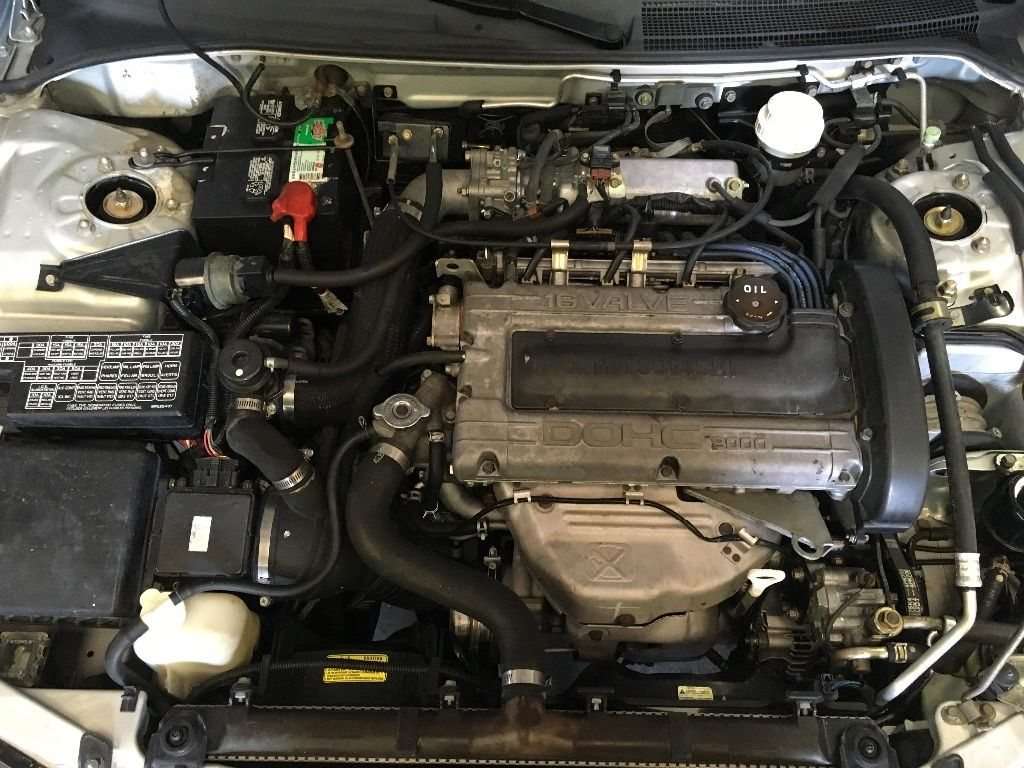
Mitsubishi’s own history records up to 195hp for the first-generation turbo models. The GS-T sends power to the front wheels; the GSX adds all-wheel drive. Non-turbo engines differ by year and market, so the badge, VIN and engine installation must agree.
| Version | Drive | Typical engine | Character |
|---|---|---|---|
| GS | Front | Normally aspirated; market dependent | Simpler road coupé |
| GS-T | Front | 2.0 4G63 turbo | Fast, lighter, traction limited |
| GSX | All-wheel drive | 2.0 4G63 turbo | Maximum traction and complexity |
The curvier 2G Eclipse
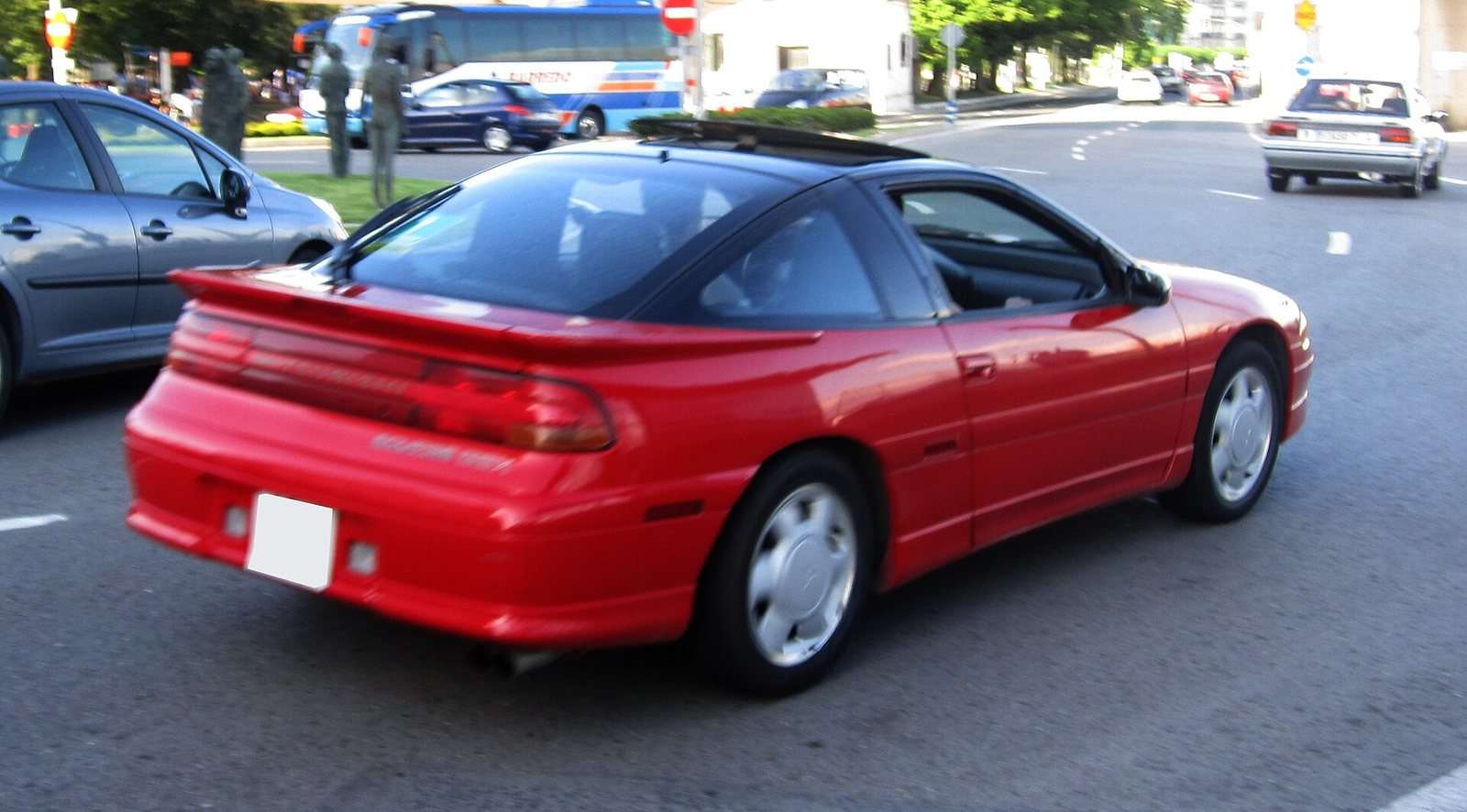
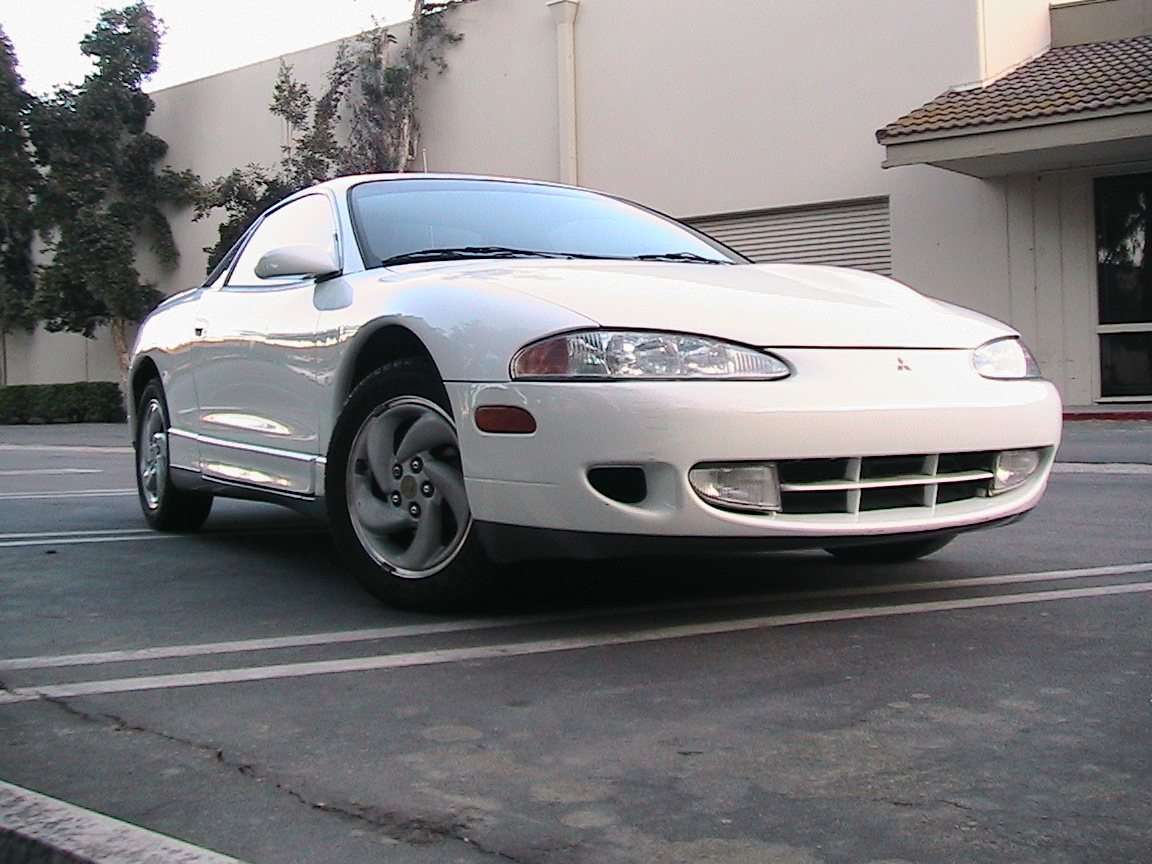
The second generation appeared for the 1995 model year with a cab-forward profile and rounded body. Mitsubishi quotes up to 210hp for later turbo engines. The GS-T and GSX continued, while the Spyder convertible arrived for 1996 in GS and turbo GS-T forms; there was no factory GSX Spyder.
Pop culture and modified cars
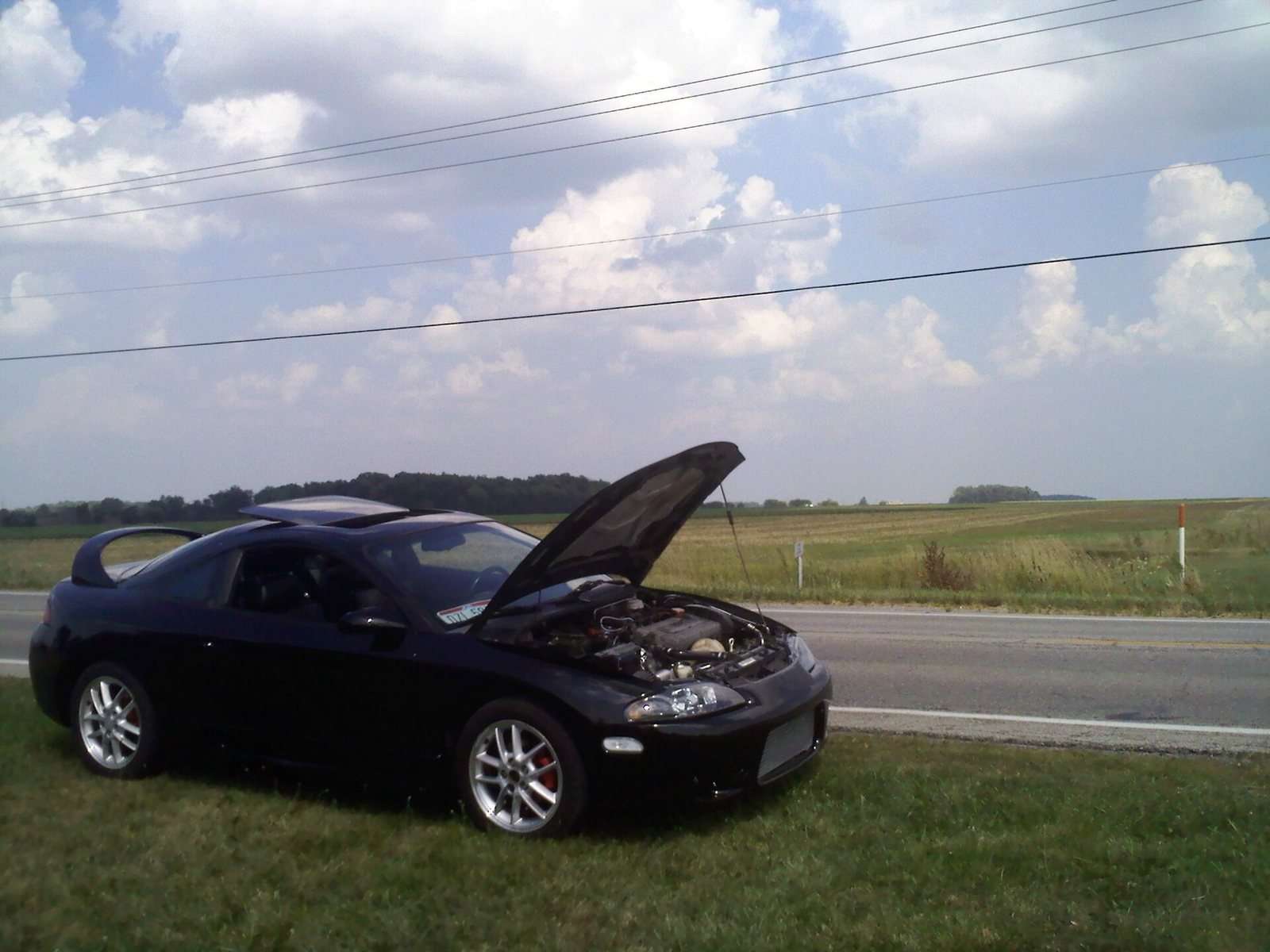
The 2G Eclipse gained a second life through the early-2000s tuning scene and cinema. That fame also means many survivors have non-standard bodywork, wiring, boost control, engines and transmissions. A mostly original car is not automatically perfect, but originality makes identity and prior treatment easier to assess.
Love cars you don’t see every day?
Get forgotten cars, surprising motoring stories and the most interesting finds from Unusual Cars by email.
Free to join. No spam. Unsubscribe whenever you like. See our privacy policy.
Mitsubishi Eclipse buying guide
Identity and import paperwork
Confirm VIN, model year, trim and drivetrain. UK registrations can lag the actual build year, and cosmetic conversions are common. Match turbo, engine orientation, rear differential and transmission to the claimed version.
Structure and accident damage
Inspect sills, floor, suspension mounts, wheelarches, rear hatch area and front rails. Look for uneven seams, overspray and mismatched glass. A powerful imported coupé may have been repaired more than once.
4G63, timing belt and cooling
Evidence for belt, tensioner, water pump and regular oil changes is essential. Check from cold for smoke, leaks, unstable idle, overheating and crankshaft end movement. Modifications require an intelligible parts and tuning record.
Gearbox and all-wheel drive
Manual synchros can wear and hard launches stress clutches, transfer cases, driveshafts and differentials. A GSX should use four correctly matched tyres. Inspect an automatic for clean engagement and service history.
Parts and usability
Mechanical support is better than model-specific trim supply. Lamps, bumpers, interior plastics, glass and original wheels can be awkward to replace in Britain, making a complete car especially attractive.
Research sources
- Mitsubishi Motors: Eclipse car history
- Mitsubishi Motors global vehicle history
- Mitsubishi Motors Canada: Eclipse generations
- 1993 Mitsubishi full-line brochure
Continue the Mitsubishi story
Explore the Rare & Performance Mitsubishis hub, then compare the Lancer Evolution IX and the GTO and 3000GT.
Frequently asked questions
What does DSM mean for a Mitsubishi Eclipse?
DSM means Diamond-Star Motors, the Mitsubishi-Chrysler manufacturing venture in Illinois that produced the Eclipse and its Eagle Talon and Plymouth Laser relatives.
Which Eclipse models have the 4G63 turbo engine?
In North America the first- and second-generation GS-T and GSX used turbocharged versions of Mitsubishi’s 2.0-litre 4G63. Other trims and markets used different engines.
What is the difference between Eclipse GS-T and GSX?
Both are turbocharged, but the GS-T is front-wheel drive and the GSX is all-wheel drive. The GSX adds traction and drivetrain complexity.
Was the Fast and Furious Eclipse a GSX?
The famous green film car was portrayed as a heavily modified Eclipse, but readers should not assume its appearance represents a factory GS-T or GSX specification.
What are the main Eclipse buying checks?
Verify the exact trim and engine, inspect for rust and crash damage, check timing-belt history, test turbo and cooling systems, and examine modified wiring, fuel and drivetrain work carefully.