UNUSUAL CARS MODEL GUIDE
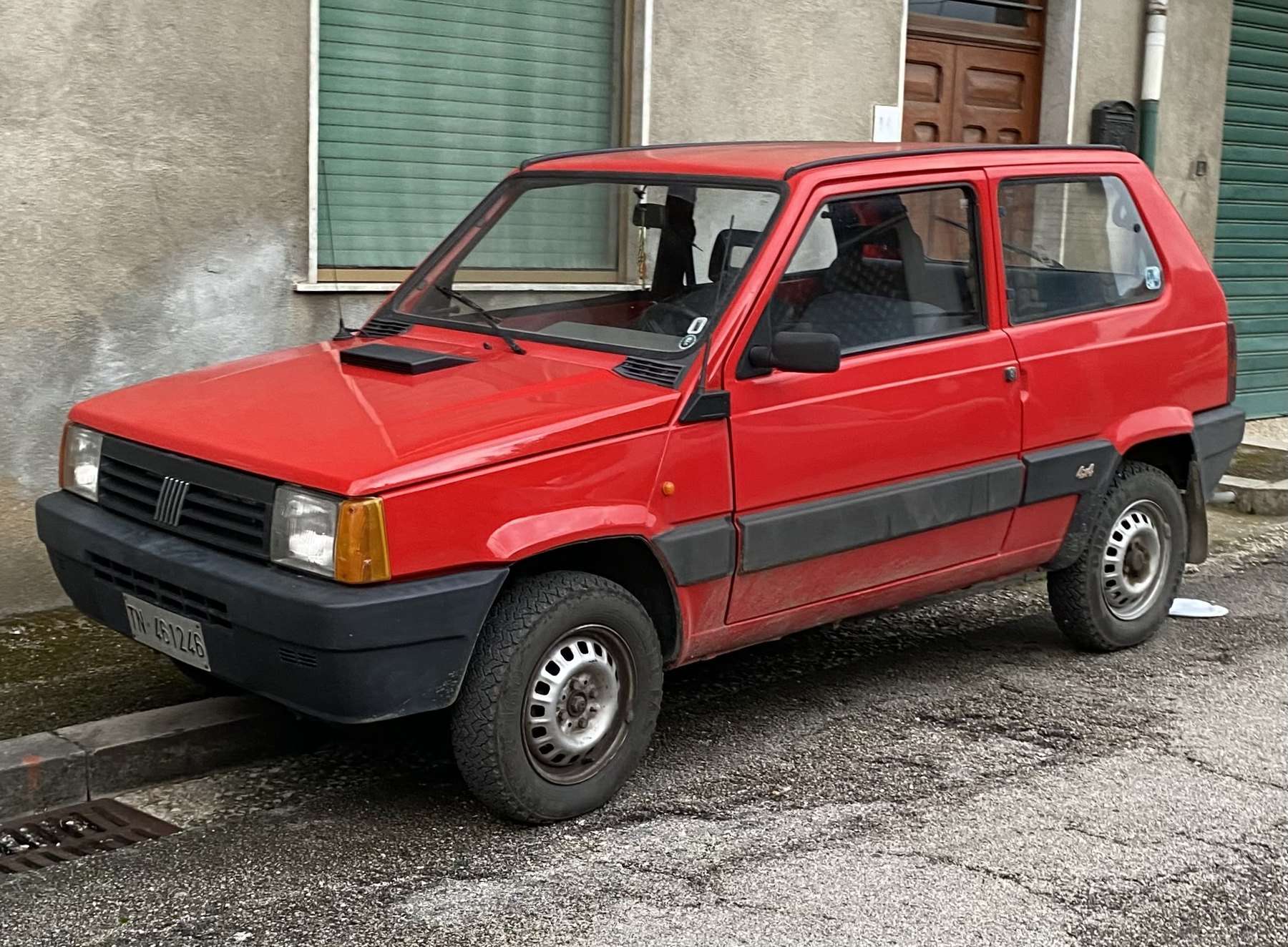
The Fiat Panda 4×4 turned one of Europe’s simplest small cars into a remarkably capable all-weather tool. Since the first production version appeared in 1983, three generations have combined compact dimensions, light weight and an unusually serious four-wheel-drive system.
Quick answer: the original Panda 4×4 is the light, Giugiaro-shaped classic, with a selectable Steyr-Puch driveline and enormous character. The 1986-on FIRE-engined cars are easier to live with, while Sisley and Country Club versions add collectable period detail. Later Pandas are faster, safer and more comfortable. Whichever generation you choose, buy on corrosion, drivetrain health and evidence of sympathetic maintenance.
Why the Panda 4×4 mattered
Fiat launched the front-wheel-drive Panda in 1980 as an inexpensive, practical car with flat glass, hammock-like seats and a cabin designed to be cleaned and rearranged rather than admired. The 4×4 of 1983 preserved that honesty but added a rear axle and transfer system engineered with Steyr-Puch of Austria.
It was not merely a styling package. The first Panda 4×4 had raised suspension, protective bodywork and a five-speed gearbox whose very low first ratio helped on steep or slippery ground. Drive to the rear wheels was engaged manually, and the absence of a centre differential meant four-wheel drive was intended for loose or low-grip surfaces rather than dry tarmac.
First generation: simple, light and effective
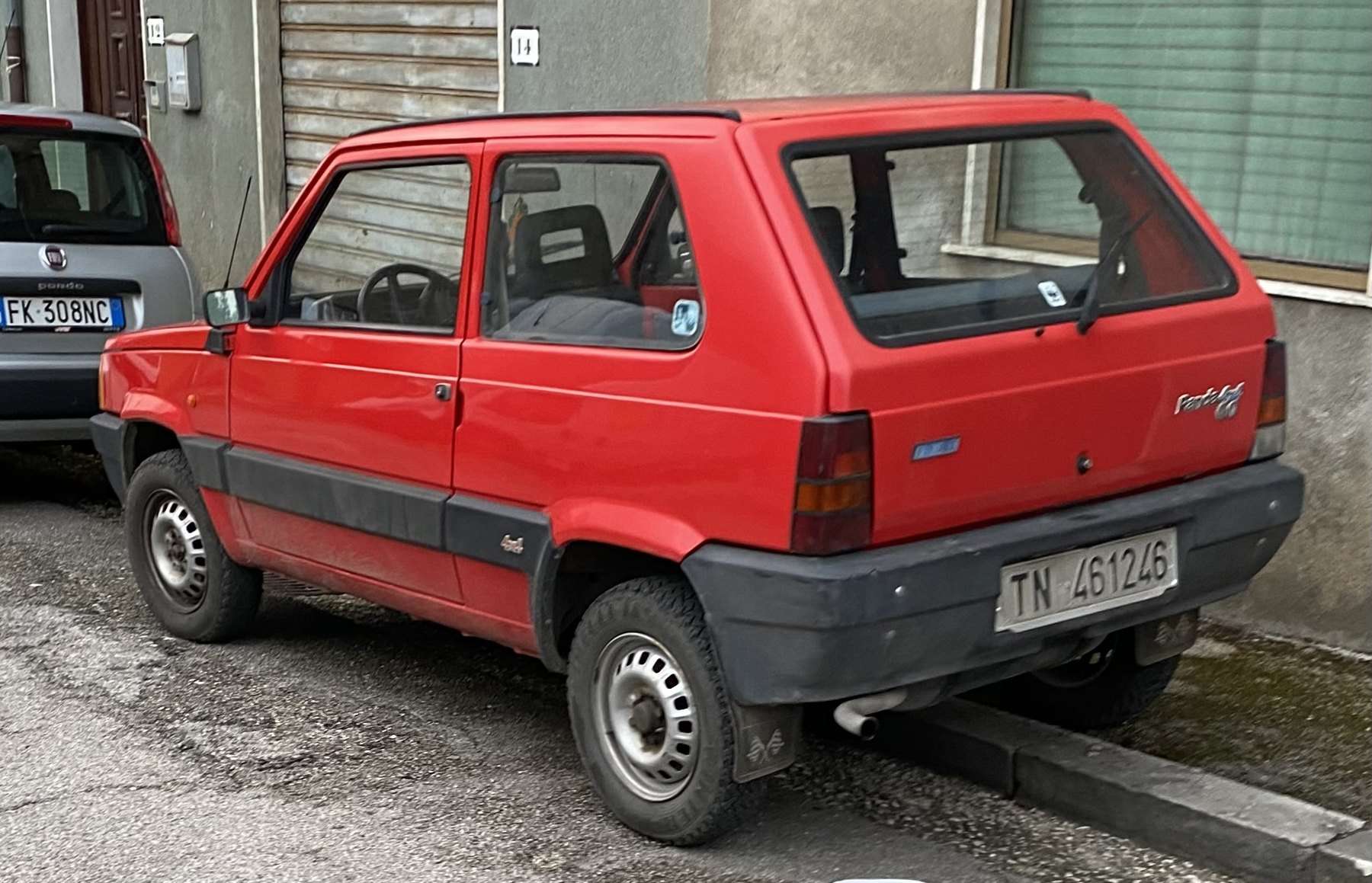
The earliest cars used a 965 cc four-cylinder engine producing about 48 hp and weighed roughly 740 kg. Modest power mattered less than the combination of short gearing, narrow tyres, generous ground clearance and a small footprint. A Panda could reach farm tracks and mountain roads that defeated larger road-biased vehicles simply because it was light and easy to place.
Fiat revised the range in 1986. The later 4×4 adopted the 999 cc FIRE engine, while subsequent versions used the 1,108 cc unit. The facelift also brought changes to the rear suspension and cabin. These later cars generally offer better parts familiarity and everyday usability, but condition is more important than year.

Sisley, Country Club and Trekking
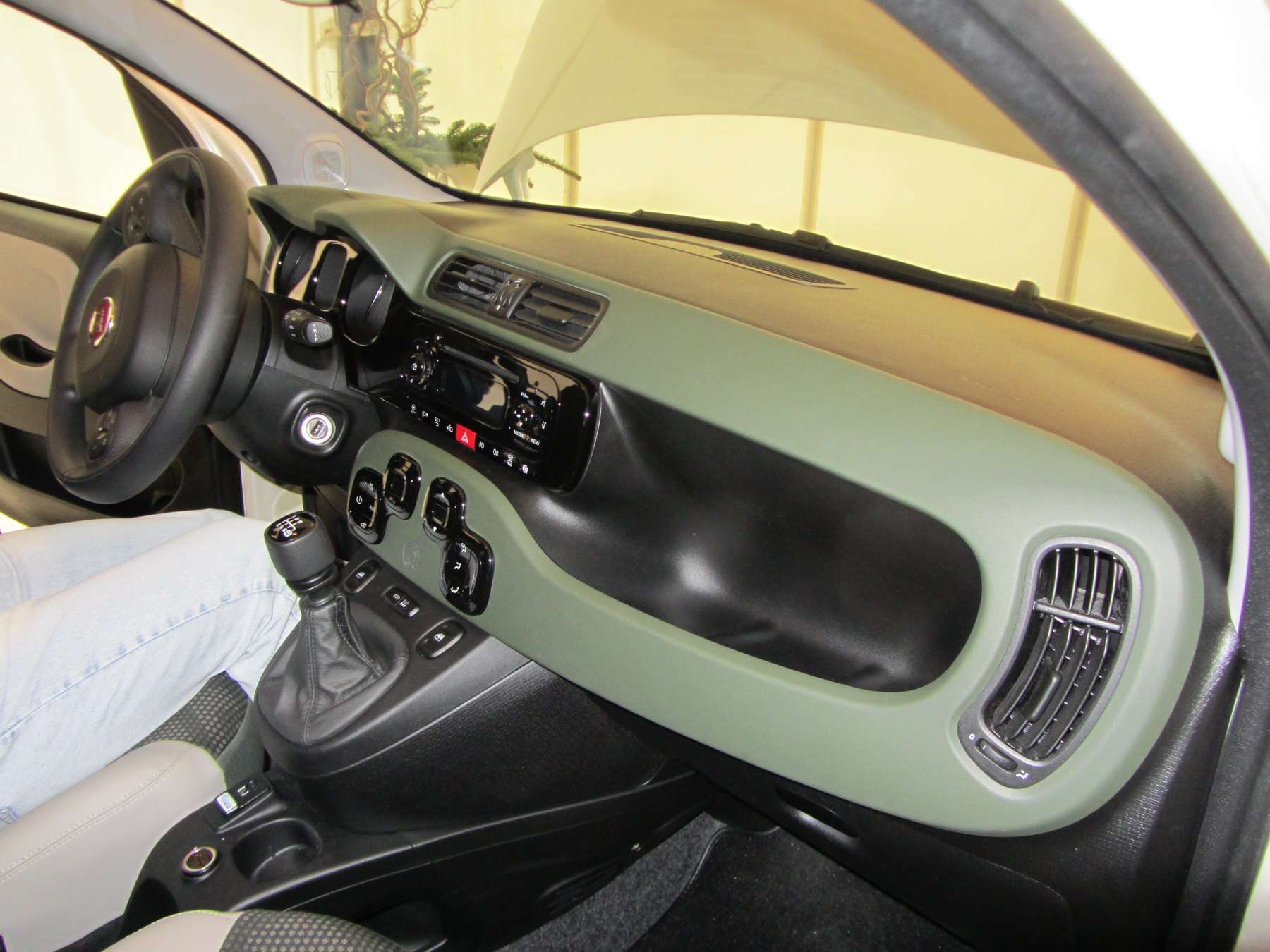
The Sisley is the best-known special version. Introduced in the late 1980s, it combined the mechanical package with metallic paint, white wheels, roof rack, inclinometer, special trim and canoe-themed badging. Country Club and Trekking editions offered other combinations of equipment and appearance.
Special-edition details can be expensive to recreate, and many ordinary cars have acquired Sisley-style accessories. Verify identity through original documentation, build information and consistent surviving trim rather than relying on decals.

Three generations of Panda 4×4
| Generation | Years | What defines it |
|---|---|---|
| Original Panda 4×4 | 1983–2003 | Giugiaro body, selectable Steyr-Puch system, very low weight |
| Second generation | 2004–2012 | Taller five-door body and automatic torque distribution |
| Third generation | 2012–2022 | More refined cabin, electronic traction aids, 4×4 and Cross variants |
The second-generation 4×4 arrived in continental Europe in 2004 and reached the UK in 2005. Its viscous-coupling system sent torque to the rear automatically when the front wheels lost grip. It was heavier than the original but added airbags, modern ergonomics and a more conventional driving position.
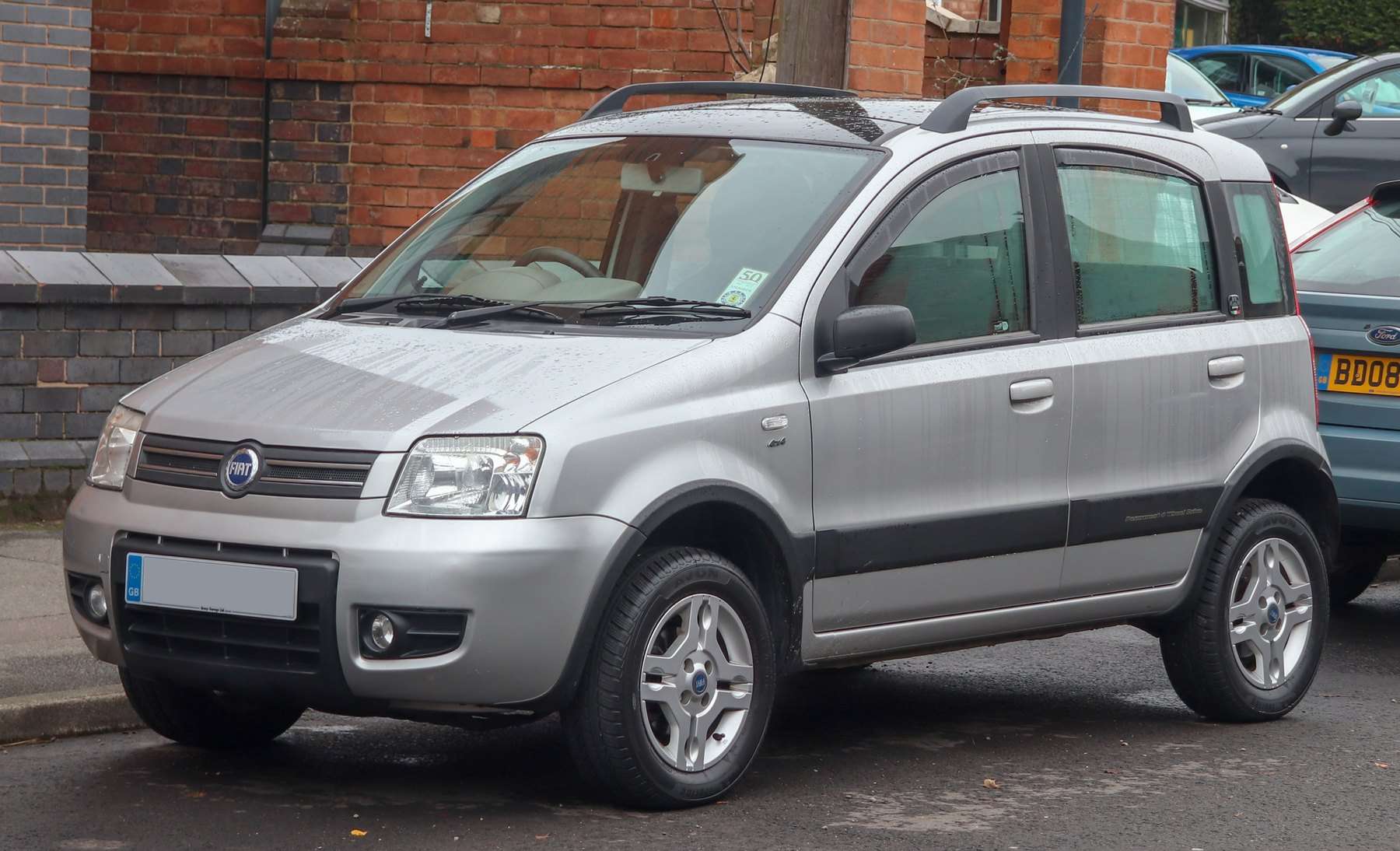
The third generation appeared in 2012. Its permanent on-demand system used an electronically controlled coupling, while an electronic locking differential function braked spinning wheels. The tougher-looking Panda Cross added terrain settings and more protective bodywork. Petrol TwinAir and diesel engines were offered according to market and year.

Love cars you don’t see every day?
Get forgotten cars, surprising motoring stories and the most interesting finds from Unusual Cars by email.
Free to join. No spam. Unsubscribe whenever you like. See our privacy policy.
What a Panda 4×4 is like to drive
An early car is noisy, slow and narrow, but its light controls and panoramic visibility make it engaging at modest speed. The short wheelbase can produce a lively ride, and crosswinds are noticeable. On rough lanes its lack of mass is the secret: it skips over soft ground instead of digging in.
Later generations feel more like ordinary superminis. They cruise more easily and offer better heating, ventilation and crash protection, yet retain the upright driving position and useful compact dimensions. Tyre choice has an unusually large effect on road manners and off-road traction.
Buying checks
Body and corrosion
Inspect sills, floors, suspension mounts, wheelarches, door bottoms, windscreen surrounds and the rear body structure. Lift carpets and check repaired areas carefully. A complete but rusty special edition can cost far more to restore than a sound ordinary car.
Four-wheel-drive system
On an original Panda, make sure the selector operates and the propshaft, universal joints, transfer components and rear differential are quiet. Do not test selectable four-wheel drive on dry high-grip tarmac. On later cars, warning lights, mismatched tyres or delayed engagement can point to coupling or electronic faults.
Engine, cooling and transmission
Look for clean cold starting, stable temperature and evidence of timing-belt and cooling-system maintenance where applicable. Check every gear, listen for bearing noise and examine driveshaft boots. Oil leaks are common, but heavy contamination can hide more serious problems.
Suspension, brakes and steering
Knocks, wandering and uneven tyre wear suggest tired bushes, dampers or poor alignment. Confirm that the handbrake holds, the brakes operate evenly and the steering has no excessive play.
Identity and originality
Special-edition trim, wheels and badges are frequently swapped. Match the VIN, engine number, period documents and specification. Mechanical upgrades are not automatically undesirable, but they should be understood and supported by invoices.
Frequently asked questions
When was the Fiat Panda 4×4 launched?
The first production Panda 4×4 was launched in 1983, three years after the original front-wheel-drive Panda.
Is an original Panda 4×4 permanently four-wheel drive?
No. Its rear axle is engaged manually and should be used on loose or slippery surfaces, not dry high-grip roads.
What is a Panda 4×4 Sisley?
The Sisley is a well-equipped special edition with distinctive paint, trim, wheels, roof rack, inclinometer and canoe-themed details. Specification varies by year and market.
Which Panda 4×4 is best to buy?
An early car offers the purest classic experience; a sound FIRE-engined first-generation car is easier to use; later generations provide more comfort and safety. Condition and maintenance matter more than the badge.
What should I check before buying a Panda 4×4?
Prioritise structural corrosion, four-wheel-drive operation, matching tyres, cooling and timing-belt history, transmission noise and proof that any special edition is genuine.
Research sources
- Stellantis Heritage: Fiat Panda 4×4, 40 years of adventure
- Fiat UK: forty years of Panda
- Fiat UK: second-generation Panda 4×4
- Fiat UK: Panda 4×4 and Cross press pack
- Featured image: Fiat Panda 4×4 by Corvettec6r, CC BY-SA 4.0; resized and compressed for web display.
Continue the Fiat story
Explore the Rare & Performance Fiats hub, discover the tiny Fiat 126 and 126p, or follow the competition career of the Fiat 131 Abarth Rally.