UNUSUAL CARS MODEL GUIDE
The Fiat Barchetta brought affordable Italian roadster style back to showrooms in the mid-1990s. With a rev-happy 1.8-litre engine, a simple manual hood and styling full of references to classic Fiat sports cars, it offered something very different from the Mazda MX-5.
Quick answer: every Barchetta uses a 1,747 cc 16-valve engine with variable valve timing and front-wheel drive. Early and facelift cars share the same basic mechanical package, so condition matters more than year. Prioritise rust, cambelt and water-pump history, a quiet phase variator, dry carpets and a sound hood.
Fiat’s small boat
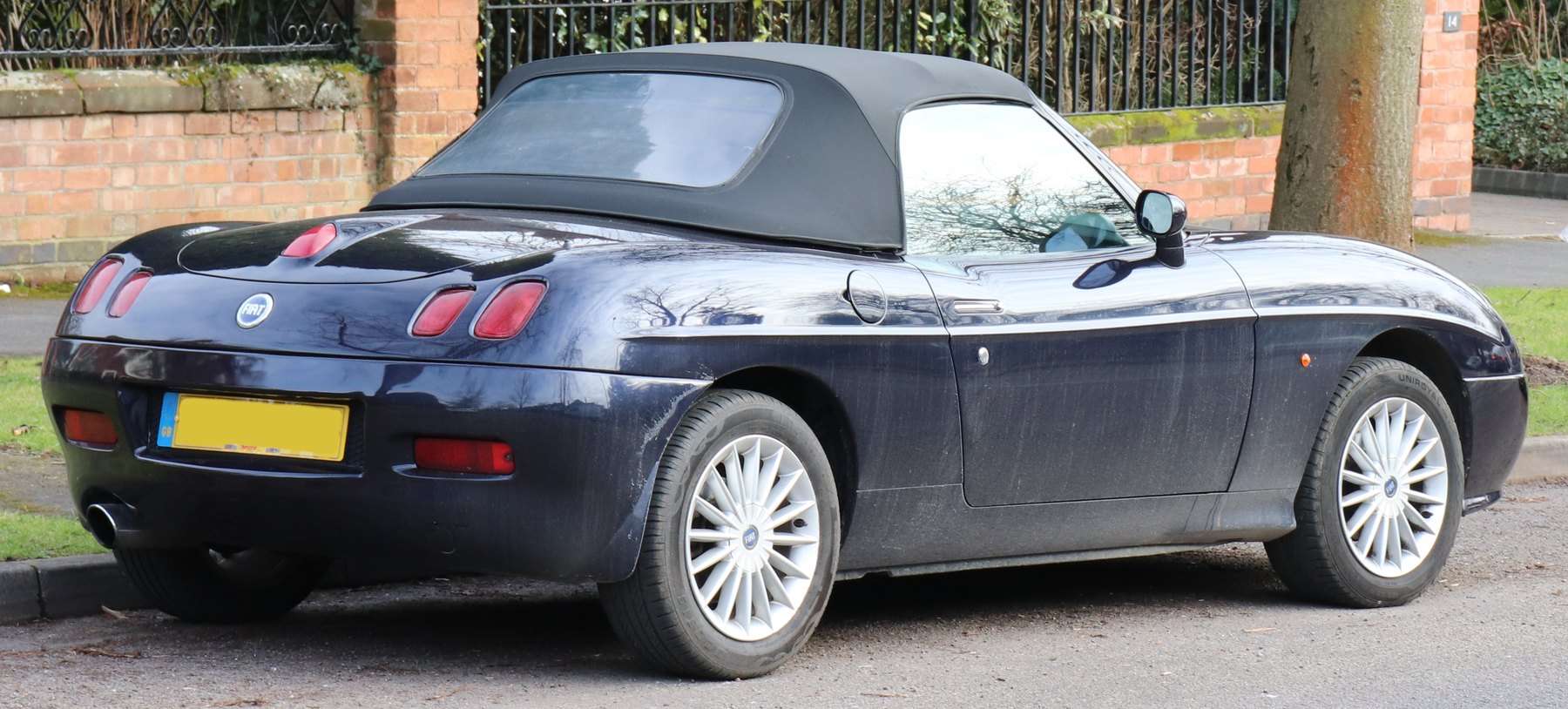
Barchetta means “little boat” in Italian, a name used informally for open sports-racing cars long before Fiat adopted it. The production car appeared in 1995 and was designed under Andreas Zapatinas at Fiat’s Centro Stile. Its rising waistline, scalloped flanks, simple oval grille and separate tail lamps made it recognisably Italian without copying a single historic model.
The Barchetta was based on the first-generation Punto platform, but its shortened, stiffened open body was assembled by specialist coachbuilders. It was left-hand drive only, even in Britain. That limited its mainstream appeal but also helped preserve its distinctly continental character.

Engine and performance
All standard Barchettas use Fiat’s 1,747 cc twin-cam 16-valve four-cylinder engine. Variable inlet timing helps broaden the torque curve, while a five-speed manual gearbox sends power to the front wheels. Fiat quoted 130 bhp at 6,300 rpm for the UK facelift model.
Contemporary figures put 0–62 mph at roughly nine seconds and maximum speed around 125 mph, depending on source and market. The numbers are less important than the delivery: the engine rewards revs, the gearshift is direct and the low seating position makes ordinary speeds feel lively.
Front-wheel drive, but still entertaining
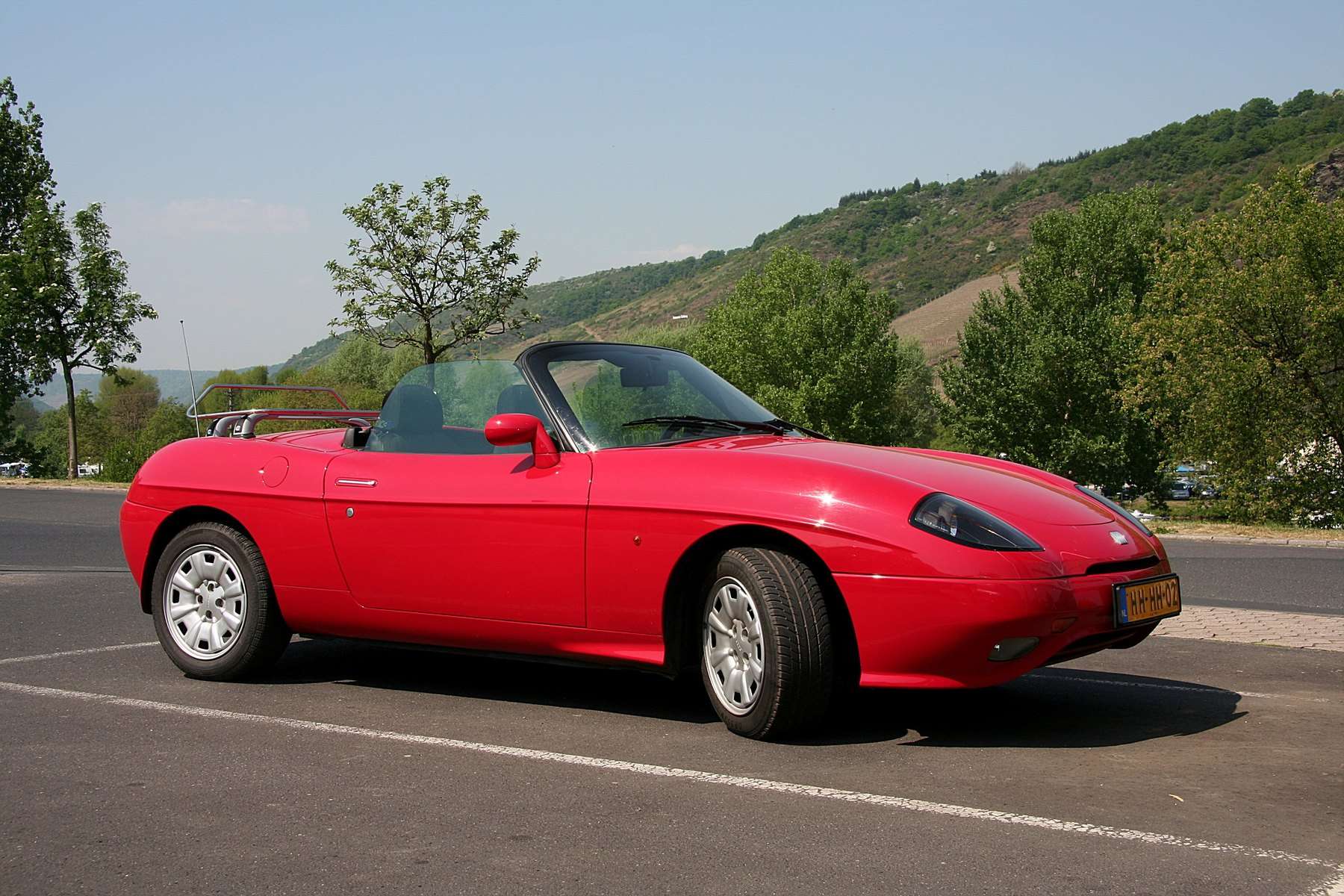
Purists sometimes dismiss the Barchetta because it drives its front wheels. On the road, the layout gives predictable handling and useful traction without removing the sense of occasion. The steering is quick, the wheelbase is short and the structure feels more solid than many inexpensive convertibles of its era.
It is best treated as a responsive touring roadster rather than a tail-sliding sports car. Fresh dampers, correct tyres and good alignment matter enormously; tired suspension can make an otherwise healthy car feel vague and unsettled.
Original and facelift models
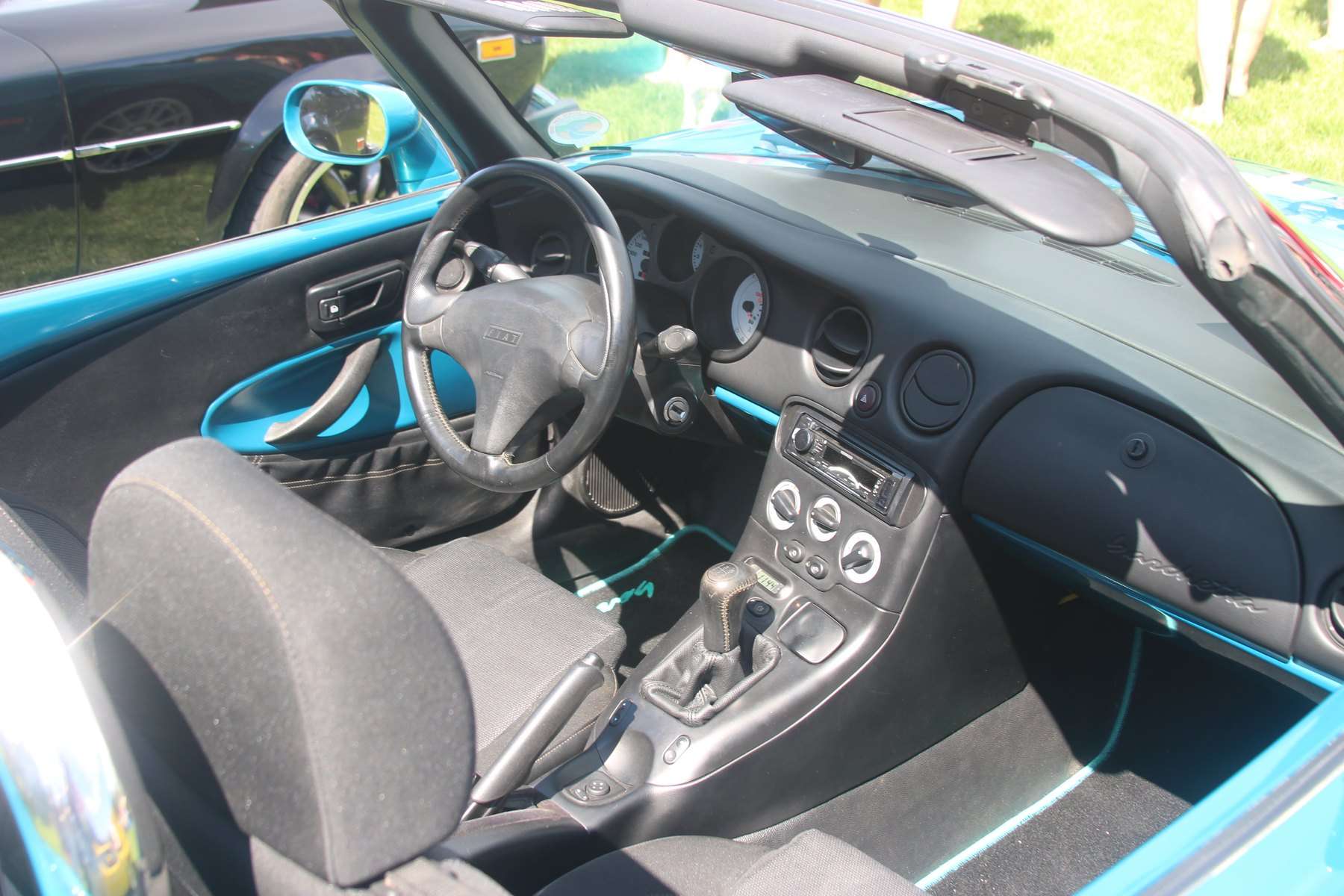
The early car has the cleanest design, with a slim grille opening and delicate bumpers. Production was interrupted after the original contract manufacturer ceased trading, then resumed. In 2003 Fiat introduced a facelift with a deeper front bumper, a more prominent grille and revised rear treatment.
The facelift did not transform the mechanical package. UK cars remained left-hand drive and used the same 1.8-litre variable-valve-timing engine. Equipment varies by market, and many survivors have acquired wheels, seats or styling parts from other versions, so originality should be judged against documentation rather than assumptions.
Love cars you don’t see every day?
Get forgotten cars, surprising motoring stories and the most interesting finds from Unusual Cars by email.
Free to join. No spam. Unsubscribe whenever you like. See our privacy policy.
Fiat Barchetta buying guide
Rust and previous repairs
Examine the floor, inner and outer sills, jacking points, rear wheelarches, front chassis legs, suspension mounting areas and boot well. Look behind liners and under carpets. Poorly repaired accident damage is as concerning as corrosion, especially where it affects hood alignment or door gaps.
Cambelt, water pump and variator
Demand evidence of recent cambelt, tensioner and water-pump replacement by someone familiar with the engine. A diesel-like rattle on start-up can indicate a worn phase variator. Listen from cold, check oil pressure and temperature behaviour, and investigate any coolant loss before buying.
Transmission and clutch
The five-speed gearbox should select cleanly without baulking or bearing noise. Check the clutch for slip, judder and a high biting point, and inspect driveshaft boots. A vague or obstructive change can be linkage-related, but it still needs diagnosis.
Hood and water leaks
Raise and lower the manual hood, inspect the rear window and check the frame for straight operation. Hardened seals, blocked drains and a damaged hood can soak the carpets. Persistent damp encourages electrical trouble and hidden floor corrosion.
Suspension, brakes and tyres
Listen for knocks from bushes, links and mounts. Four-wheel discs and ABS were standard, so warning lamps must behave correctly and the car should stop straight. Old or mismatched tyres can spoil the steering and wet-road balance even if their tread looks adequate.

Which Barchetta should you buy?
An early car offers the purest styling and the widest choice. A facelift is rarer in Britain and may appeal if you prefer its stronger nose. Special colours and well-preserved factory trim add interest, but a structurally sound, standard car with maintenance records is the safest starting point.
Left-hand drive is rarely difficult once familiar, but sit in the car before committing: taller drivers may find the seating position restrictive. A good hardtop adds winter usability, although storage and replacement seals need consideration.
Frequently asked questions
Is the Fiat Barchetta left-hand drive only?
Yes. Fiat did not produce a factory right-hand-drive Barchetta, so official UK-market cars were also left-hand drive.
What engine does the Fiat Barchetta use?
It uses a 1,747 cc twin-cam 16-valve petrol engine with variable inlet timing, driving the front wheels through a five-speed manual gearbox.
When was the Fiat Barchetta facelifted?
The restyled version arrived in 2003 with a deeper front bumper, larger grille and revised exterior details while retaining the established 1.8-litre powertrain.
Is the Fiat Barchetta reliable?
A maintained car can be dependable, but neglected cambelt and cooling work, variator wear, water leaks, tired suspension and corrosion create expensive problems.
What should I check before buying a Barchetta?
Check structural rust, accident repairs, documented cambelt and water-pump work, cold-start variator noise, hood condition, damp carpets, suspension wear and every electrical function.
Research sources
- Fiat UK: restyled Barchetta in the UK
- Fiat UK: Barchetta specifications and offer
- Fiat UK: Barchetta technical specification
- Autocar: Fiat Barchetta used buying guide
- Featured image: 2003 Fiat Barchetta by Calreyn88, CC BY-SA 4.0; resized and compressed for web display.
Continue the Fiat story
Explore the Rare & Performance Fiats hub, meet the ingenious Fiat Multipla, or discover the turbocharged Fiat Punto GT.