UNUSUAL CARS MODEL GUIDE
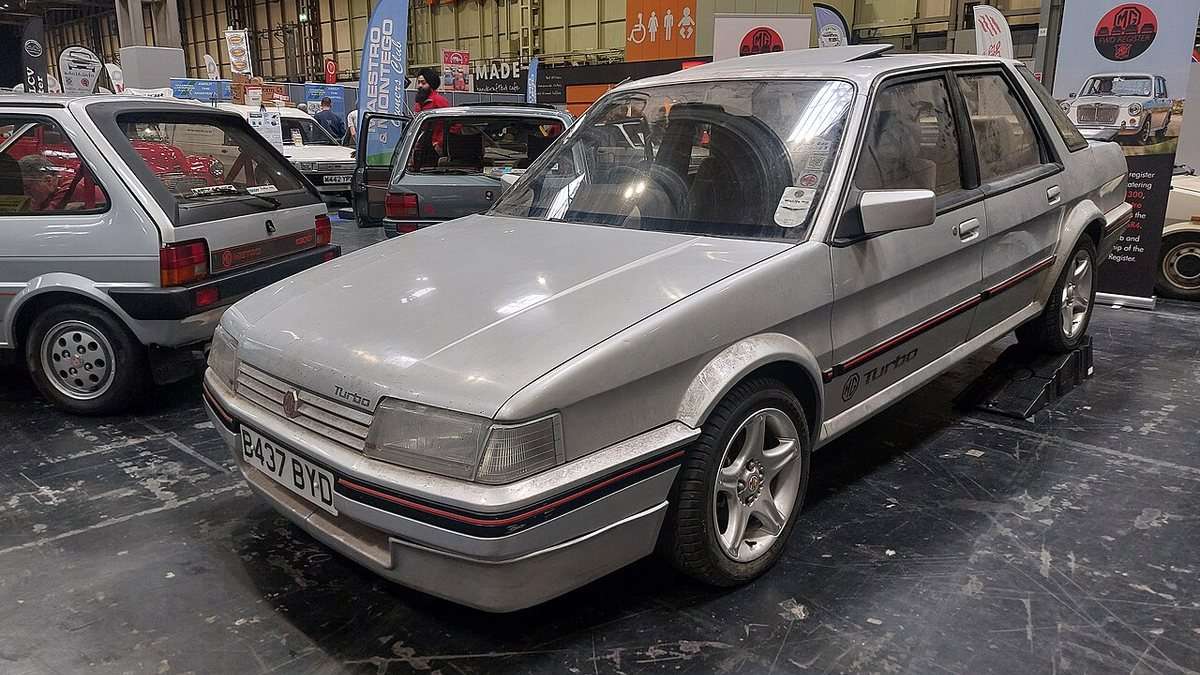
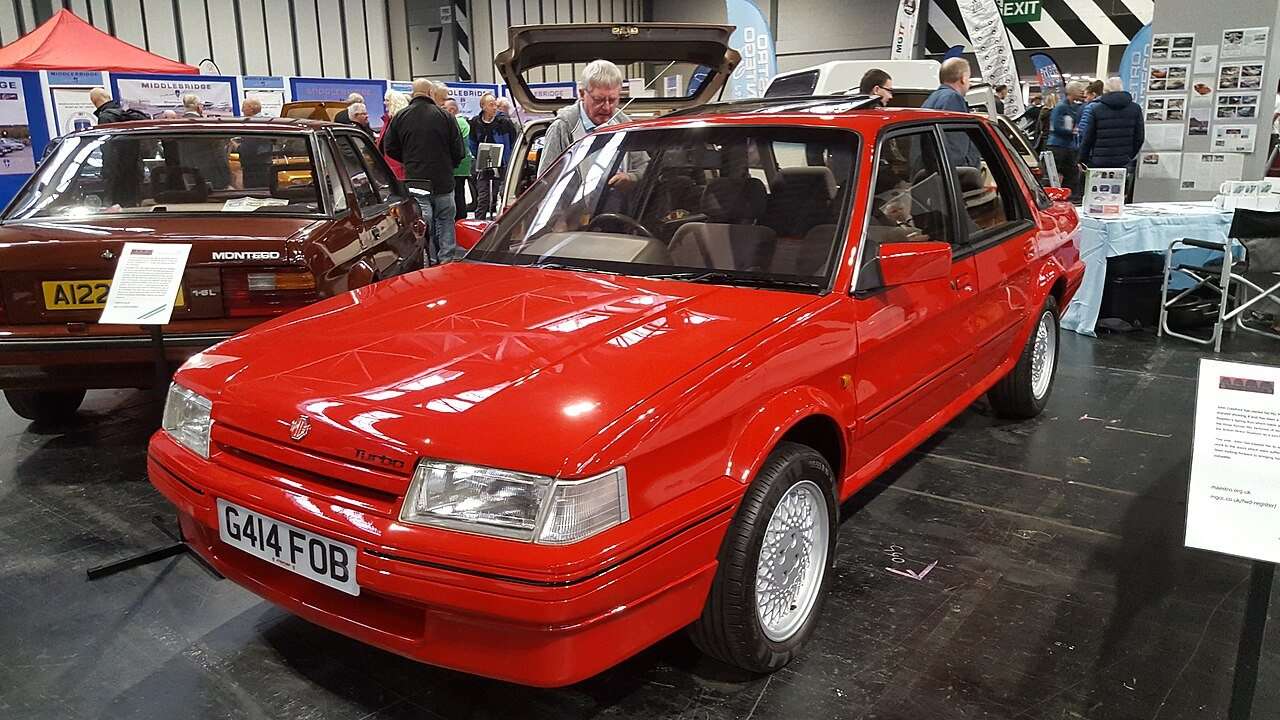
The MG Montego Turbo was the forced-induction flagship of Austin Rover’s Montego range. Introduced in 1985, it combined the 2.0-litre O-series engine with a Garrett turbocharger, carburettor fuelling, front-wheel drive and the practical body of a five-seat family saloon.
Quick answer: the Turbo is fast, rare and mechanically distinctive, but buyers must prioritise structural corrosion, correct turbo and carburettor operation, cooling, gearbox condition and originality. Because survival is low and many cars were modified, documentary identity matters.
From family Montego to MG flagship
The Montego was conceived as a mainstream saloon, but the MG range gave it a sporting role. Earlier naturally aspirated MG versions established the styling and chassis theme before turbocharging delivered the model’s defining performance. Period road tests emphasised its remarkable straight-line speed alongside the challenge of transmitting substantial torque through the front wheels.
O-series turbo engine
The 1,994cc O-series engine used a Garrett turbocharger and pressurised carburettor system. Output is commonly quoted at around 150bhp, although individual cars may differ after rebuilding or tuning. Correct boost control, fuelling and ignition are crucial: a car that merely produces strong acceleration is not necessarily operating safely.
Check cold and hot starting, oil pressure, exhaust smoke, boost delivery and temperature stability. Turbo oil supply, cooling hoses, carburettor seals and vacuum lines deserve specialist attention.
What distinguished the Turbo?
| Area | Turbo specification | Inspection point |
|---|---|---|
| Engine | 2.0-litre O-series with Garrett turbocharger | Original components, boost control, smoke and service history |
| Transmission | Five-speed manual driving the front wheels | Synchromesh, differential noise, clutch and driveshafts |
| Chassis | MG suspension, brakes, wheels and tyres | Correct parts, alignment and evidence of hard use |
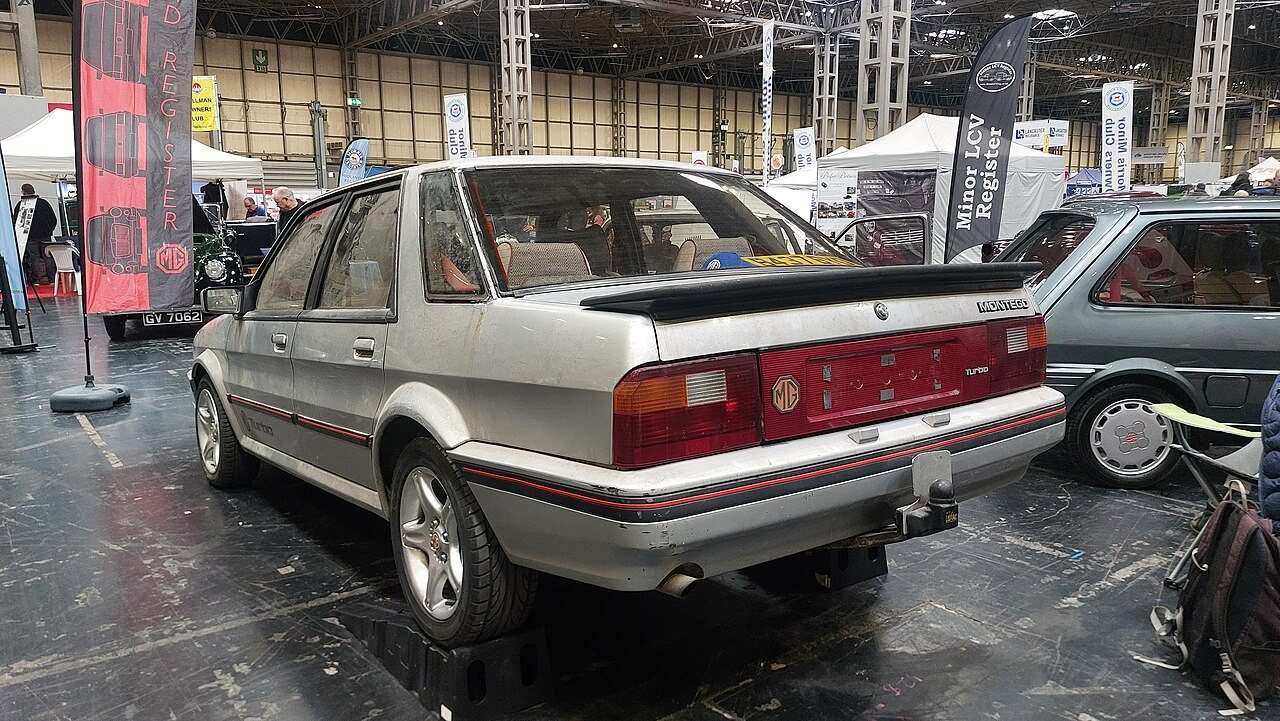
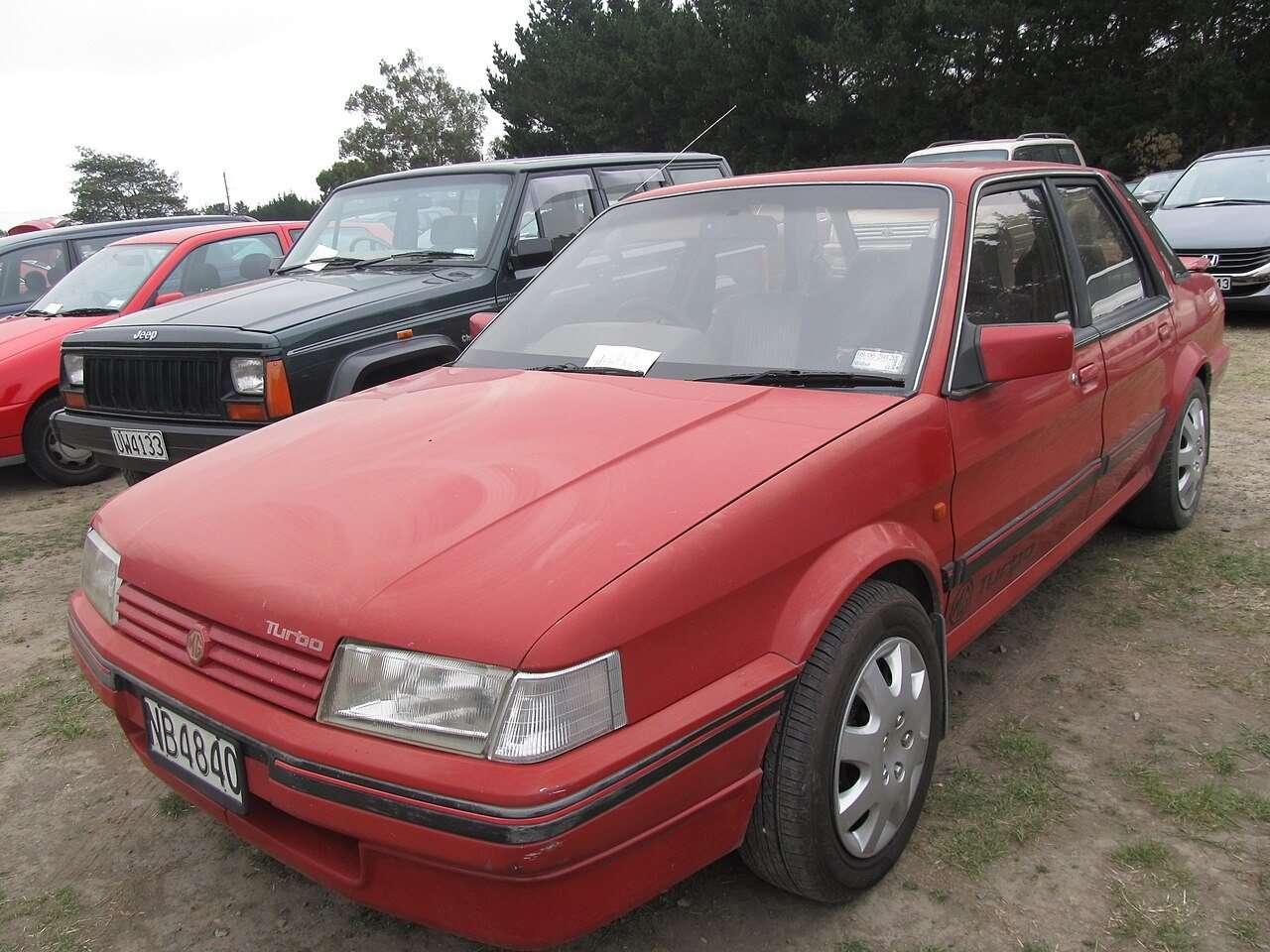
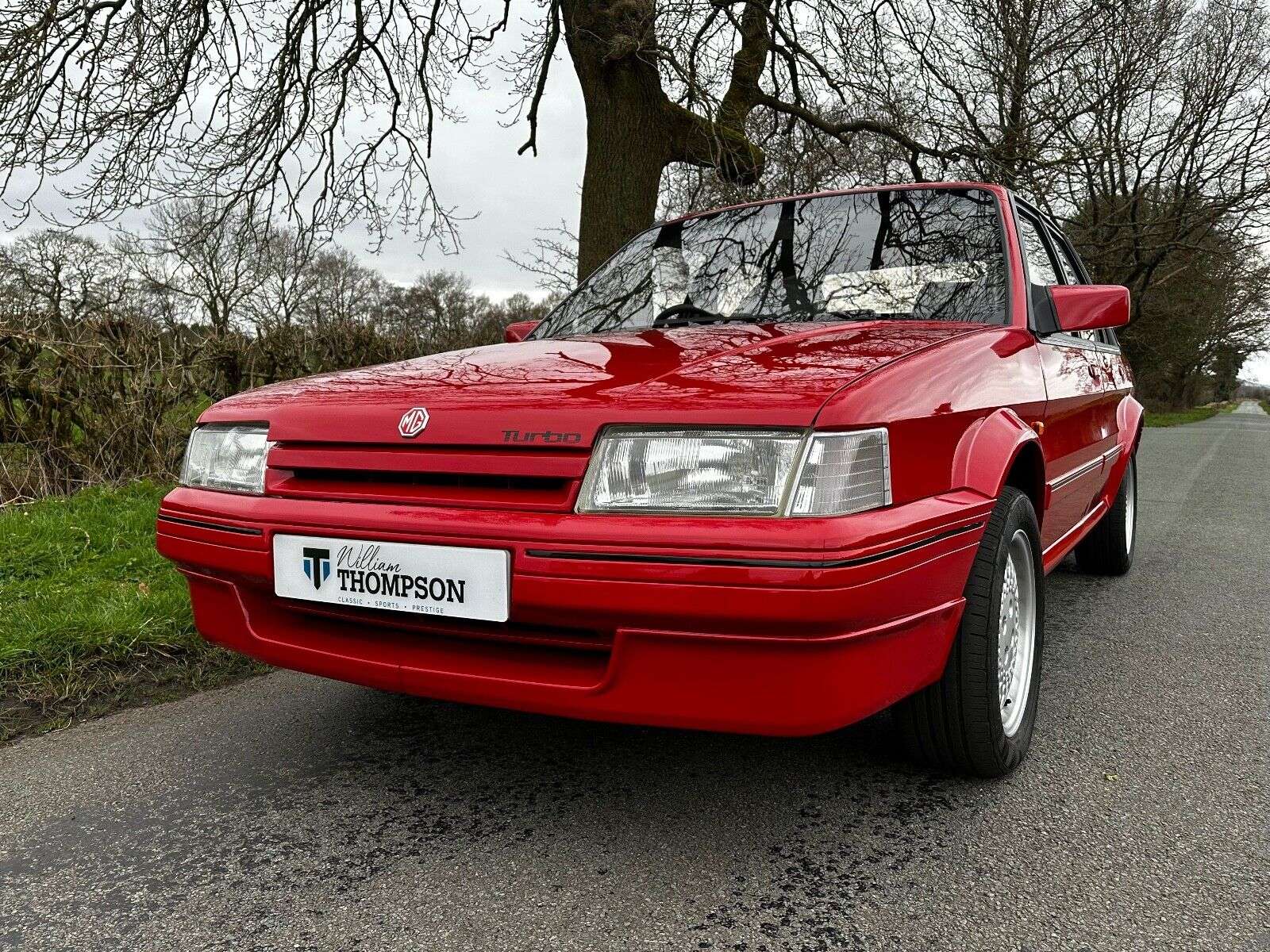
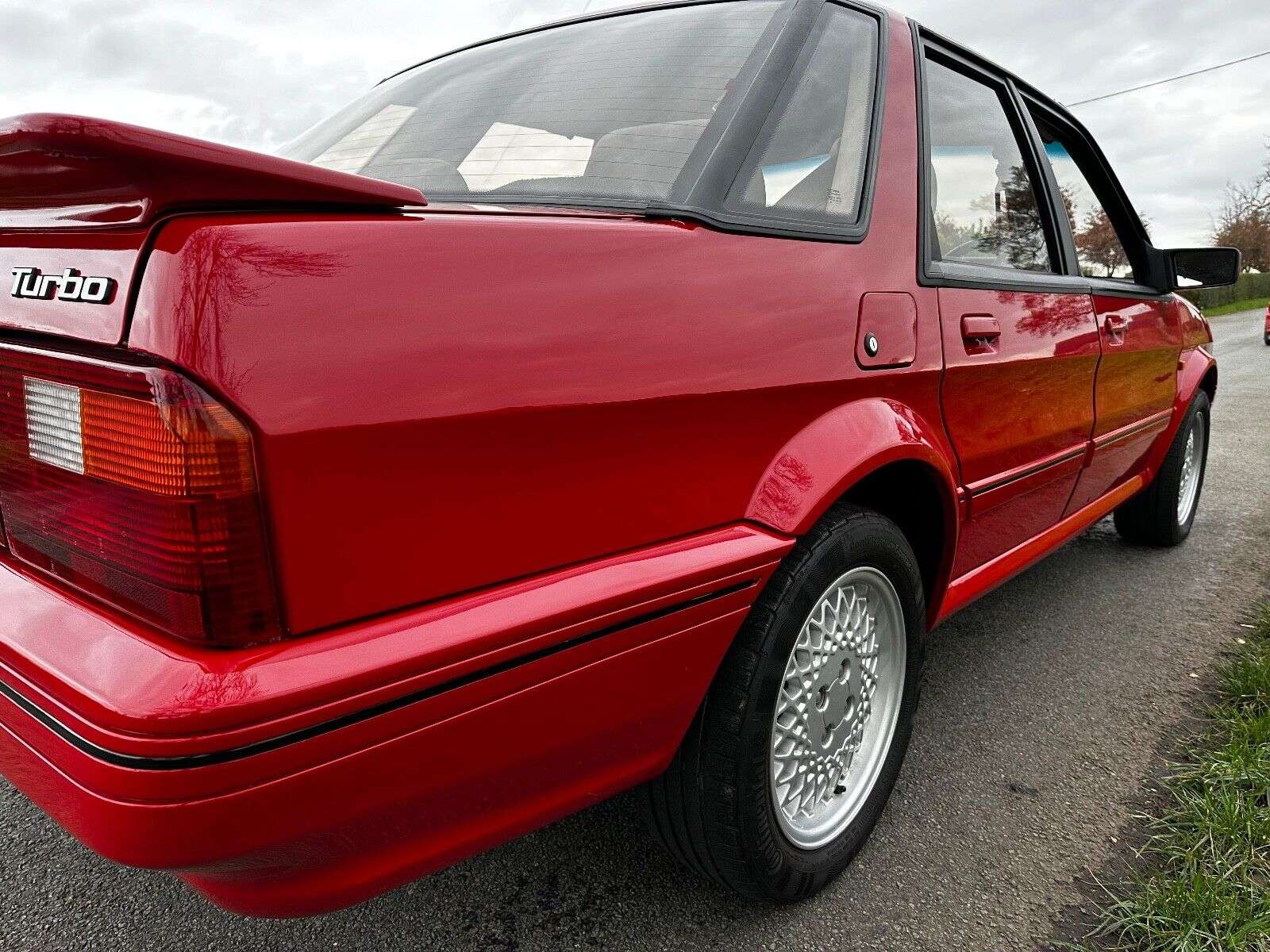
| Body and trim | MG spoilers, graphics and model-specific cabin details | Authenticity, corrosion and scarcity of replacements |
Performance and period reputation
The Turbo arrived when quick front-wheel-drive saloons were still unusual. Its combination of family-car space and forceful acceleration gave it a memorable identity, while torque steer and traction limits became part of the story. Today, a standard car reveals more about that period engineering than one modified beyond recognition.

Love cars you don’t see every day?
Get forgotten cars, surprising motoring stories and the most interesting finds from Unusual Cars by email.
Free to join. No spam. Unsubscribe whenever you like. See our privacy policy.
MG Montego Turbo buying guide
Structural corrosion
Inspect the sills, floor, jacking points, inner wings, bulkhead, windscreen surround, wheelarches, boot floor and suspension mounting areas. Lift trim where possible and look for repairs hidden by underseal. Structural restoration can easily exceed the value of an incomplete project.
Turbocharging and carburettor
Boost should build progressively without detonation, hesitation or heavy smoke. Check the turbo for excessive play, confirm the correct carburettor and pressure-related fittings remain, and investigate improvised pipes, manual boost controls or undocumented tuning.
Cooling, gearbox and brakes
Look for coolant loss, radiator deterioration and fan faults. Test the clutch under load, listen for gearbox and differential noise and check driveshaft joints. Brakes should operate evenly without seized calipers or tired hydraulic components.
Trim and provenance
Original seats, instruments, wheels, spoilers, decals and engine-bay parts can be difficult to replace. Check the chassis identity and continuous history, particularly where a shell has been rebuilt or resprayed.
Preserving an MG Montego Turbo
These cars benefit from sympathetic use, careful rust prevention and specialists who understand the pressurised carburettor installation. Reversible improvements are preferable to permanent changes, and every repair should be photographed and documented for the next owner.
Research sources
Continue the MG and Rover story
Explore the Rare & Performance MG and Rovers hub, then read the MG ZR 160 guide and MG Metro 6R4 guide.
Frequently asked questions
When was the MG Montego Turbo introduced?
The turbocharged MG Montego joined the range in 1985.
What engine does the MG Montego Turbo use?
It uses a turbocharged 1,994cc O-series four-cylinder engine with carburettor fuelling.
How much power does an MG Montego Turbo have?
Standard output is commonly quoted at around 150bhp, but rebuilt and modified cars must be assessed individually.
Is the MG Montego Turbo front-wheel drive?
Yes. Its five-speed manual gearbox drives the front wheels.
What are the main buying checks?
Verify identity and originality, inspect thoroughly for structural corrosion, and check the turbo, carburettor, cooling system, clutch, gearbox, brakes and scarce trim.