UNUSUAL CARS MODEL GUIDE
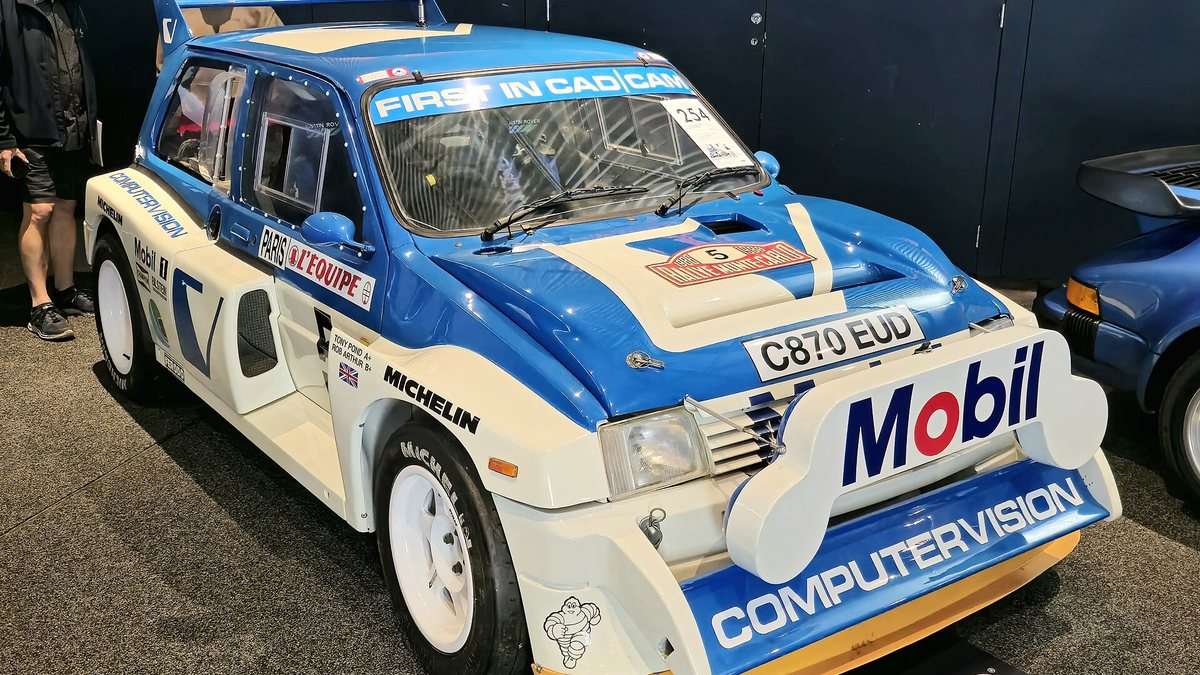
The MG Metro 6R4 was Austin Rover’s purpose-built Group B rally car: a compact, mid-engined four-wheel-drive machine with a naturally aspirated 2,991cc V6. It shared its name and a few visual cues with the Metro road car, but its structure, engine position and drivetrain were fundamentally different.
Quick answer: 6R4 means six-cylinder, rally and four-wheel drive. The FIA records it as Group B homologation number B-277, with six cylinders, 2,991cc and 4WD, homologated from 2 November 1985. Road-going Clubman cars and works-style International competition cars require different identification and inspection priorities.
Why Austin Rover created the 6R4
Group B allowed manufacturers to homologate extraordinarily specialised rally cars in the 1980s. Austin Rover began with the Metro’s recognisable outline but moved the engine behind the cabin and developed a bespoke four-wheel-drive chassis. Williams Grand Prix Engineering assisted the programme, while the compact body helped create a distinctive short-wheelbase competition car.
The V64V engine and four-wheel drive
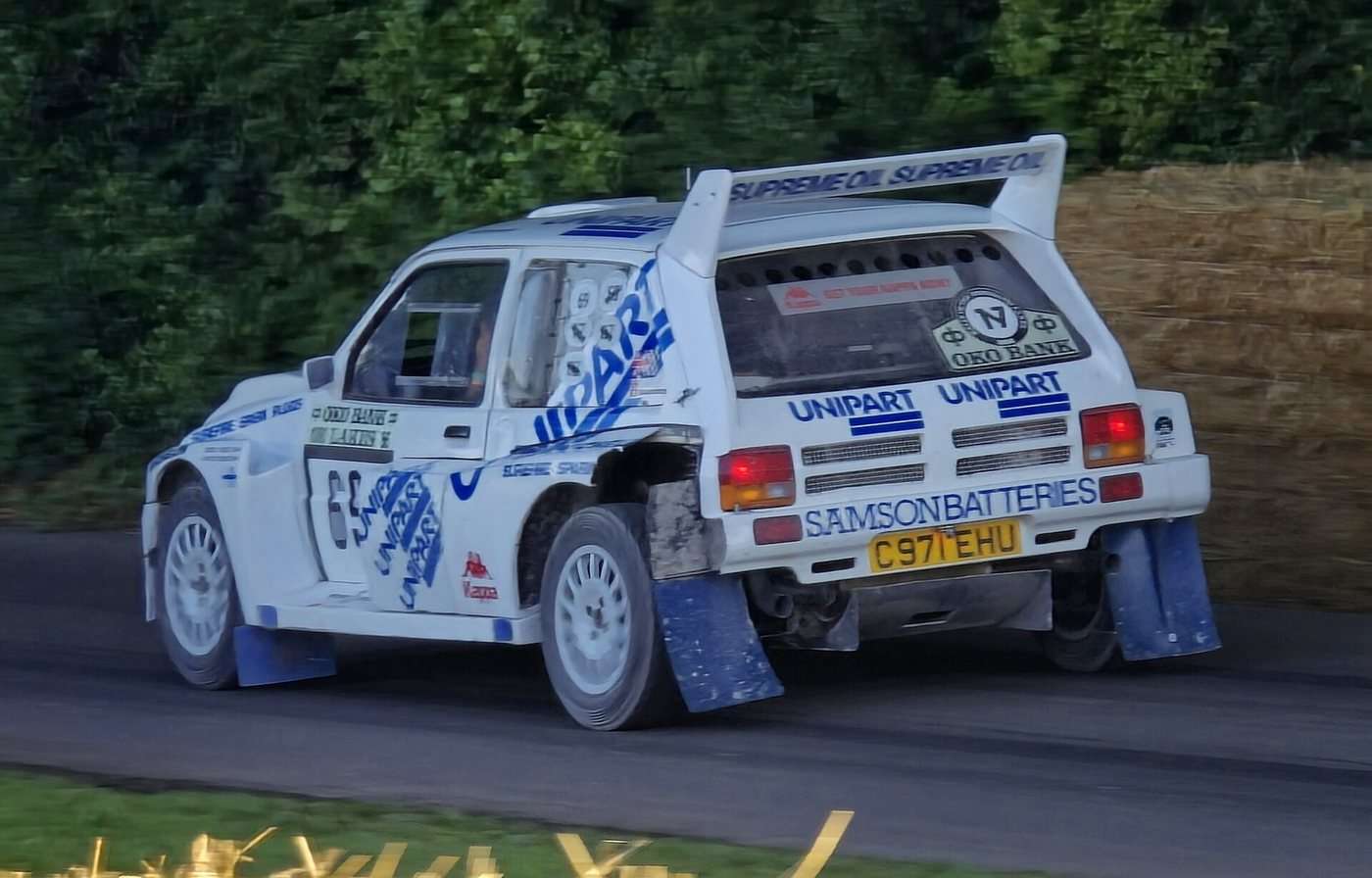
The 6R4 did not follow the turbocharged route used by several rivals. Its V64V engine was a naturally aspirated V6 with four valves per cylinder, valued for immediate response and a broad competition power band. The longitudinal mid-engine layout drove all four wheels through a five-speed transaxle and centre differential.
FIA documentation fixes the homologated capacity at 2,991cc. Quoted power figures vary sharply because Clubman, International and later-developed cars were not one specification; any claimed output should therefore be tied to a documented engine build rather than a badge or seller description.
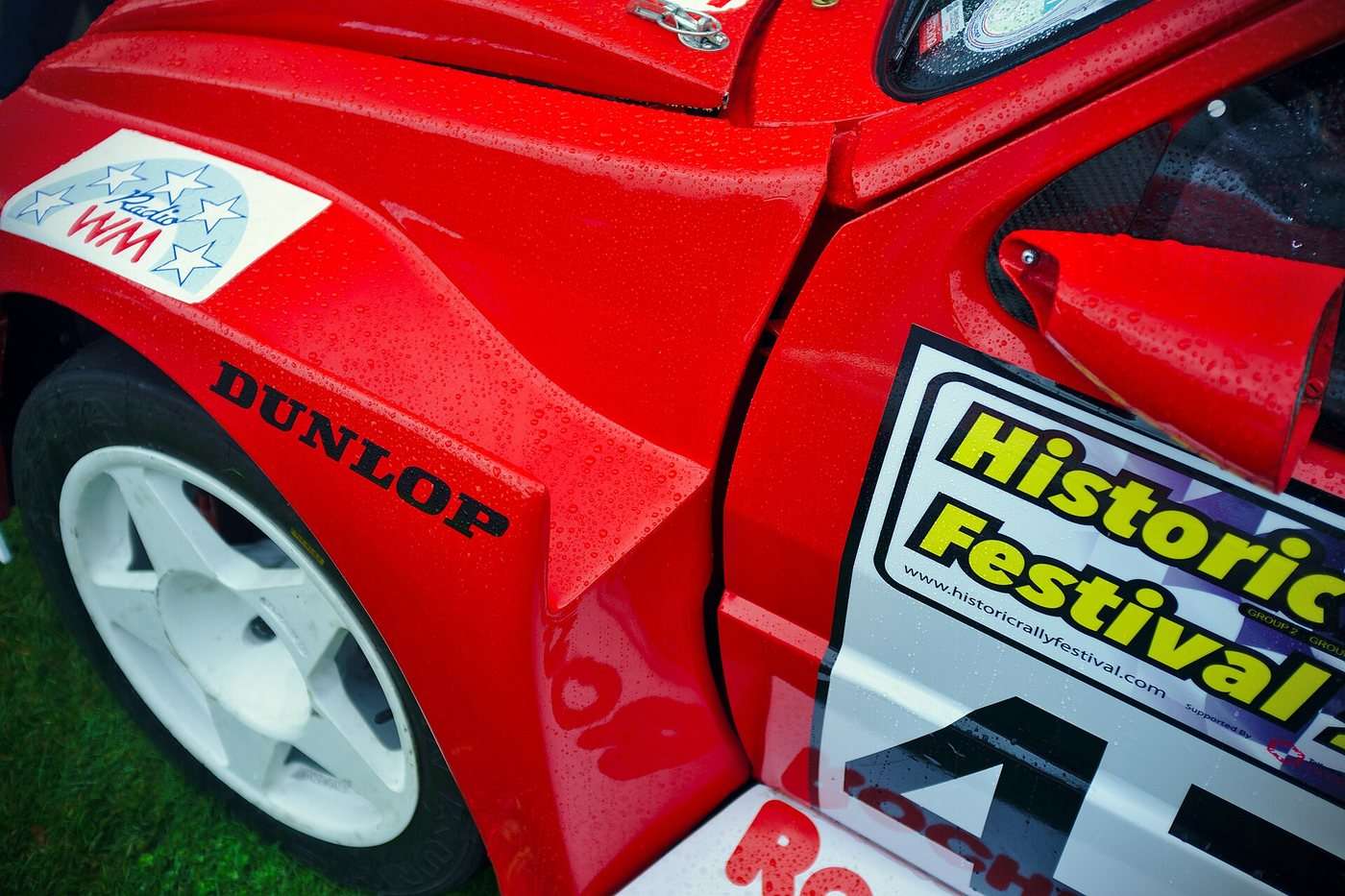
Clubman and International specifications
| Version | Purpose | Typical distinction |
|---|---|---|
| Clubman | Homologation road car and national competition base | Lower-output engine and comparatively simpler competition equipment |
| International | Works and top-level rally specification | Higher-output development, extensive competition preparation and event-specific evolution |
| Later rallycross or rebuilt car | Post-Group B competition | May use heavily modified engines, transmissions, bodywork and modern safety equipment |
The terms are useful starting points, not substitutes for chassis and competition records. Many cars have been rebuilt repeatedly, upgraded towards International specification or recreated around Metro shells and specialist components.
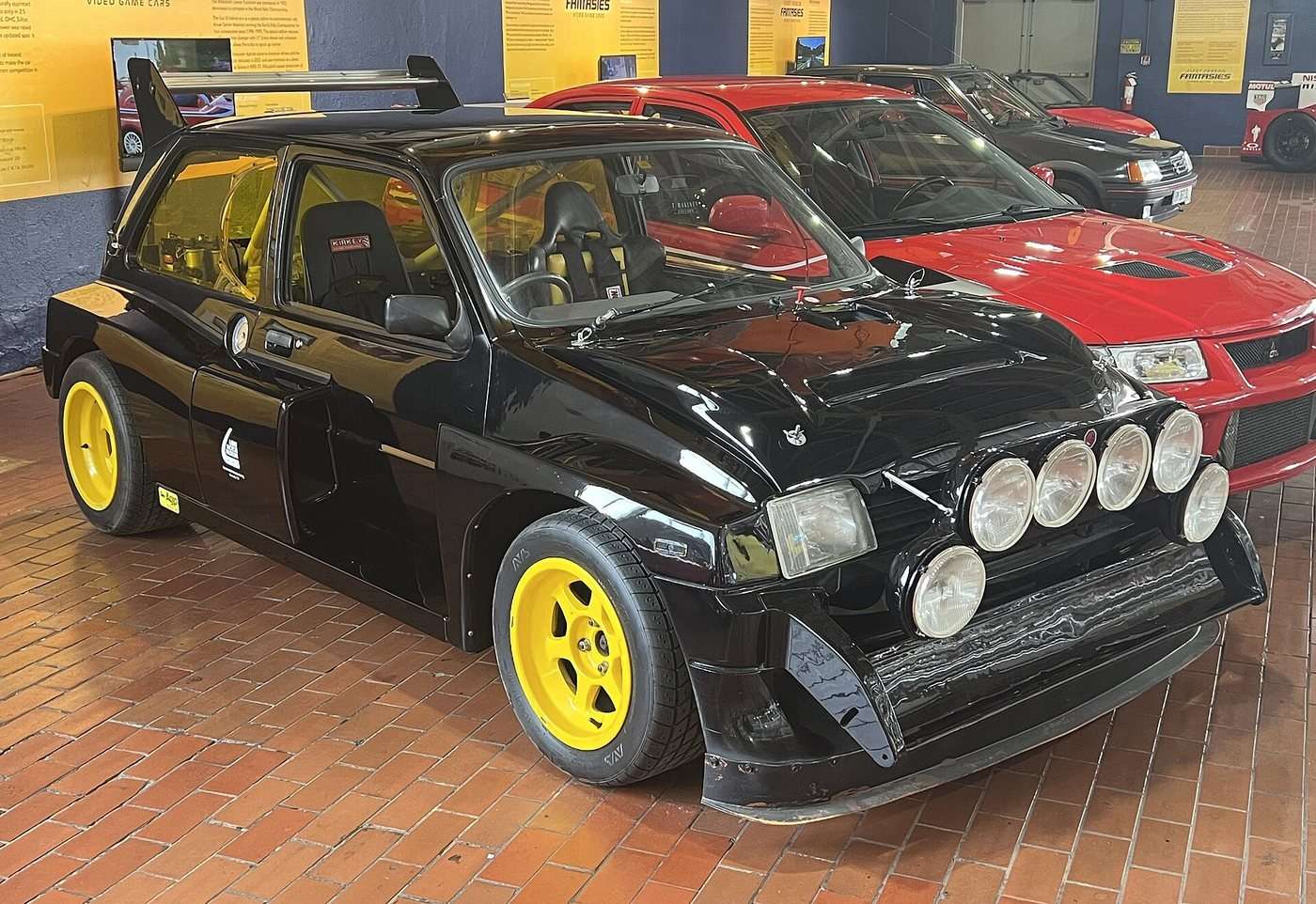
Competition career and lasting reputation
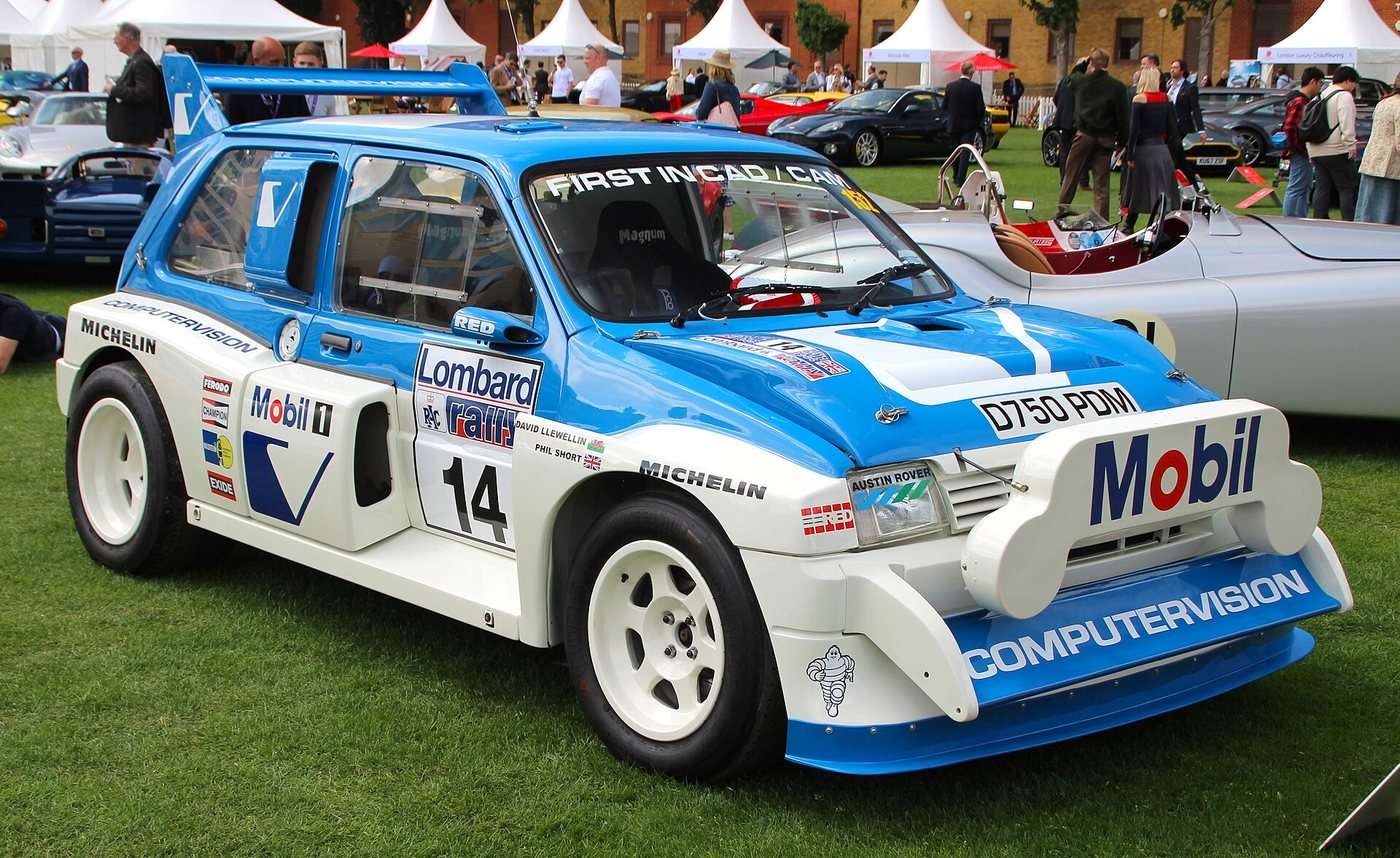
Tony Pond gave the 6R4 an emphatic international debut result with third place on the 1985 RAC Rally. Reliability and rapid Group B development made consistent results difficult, and the category ended after the 1986 season. The car nevertheless found a long second life in British and European national rallying, rallycross, demonstrations and historic motorsport.
Love cars you don’t see every day?
Get forgotten cars, surprising motoring stories and the most interesting finds from Unusual Cars by email.
Free to join. No spam. Unsubscribe whenever you like. See our privacy policy.
How to identify a genuine Metro 6R4
Start with the chassis identity, factory or team records, period photographs, logbooks and bills. A genuine car should tell one coherent story across its structure, stamped numbers, suspension pick-up points, drivetrain and documented competition history. Do not assume authenticity from body panels, livery or the presence of a V6.
Buying and inspection priorities
Structure and accident history
Inspect the spaceframe, suspension mounts, floors, bulkheads and repair seams with a marque specialist. Competition use makes excellent repairs normal, but undocumented distortion or poor fabrication is different from a traceable rebuild.
Engine, cooling and fuel systems
Confirm the engine specification and builder, then check compression, leak-down results, oil pressure, cooling stability and service intervals. Competition fuel cells, pumps and lines have limited lives and must suit the intended use.
Transmission and running gear
Gear ratios, differentials, driveshafts and uprights are specialised and expensive. Noise or imprecise selection requires expert diagnosis. Check brake, damper and wheel specifications against the car’s history and intended eligibility.
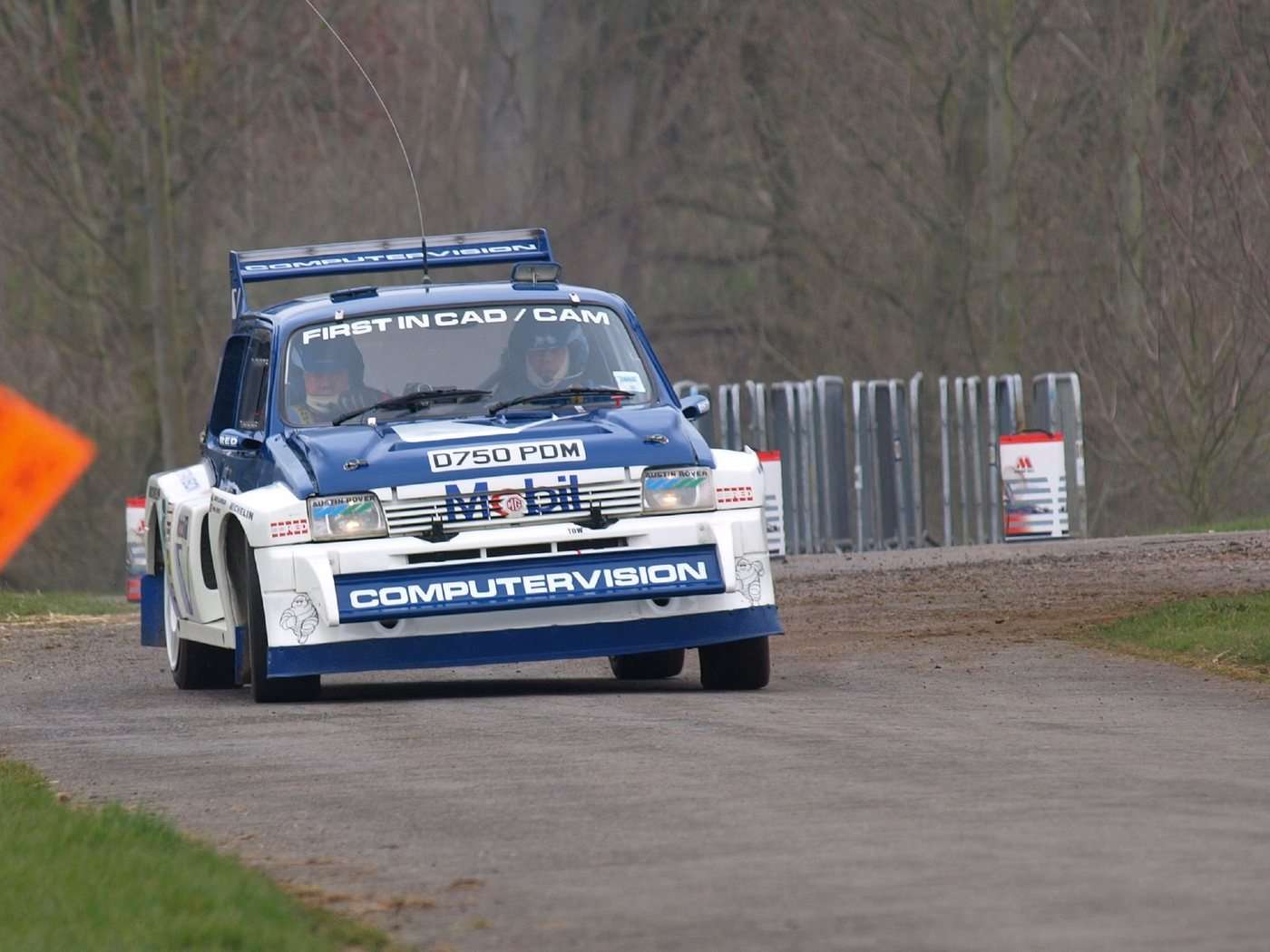
Genuine car, replica or tribute?
A well-built replica can be an exciting car, but it must be described honestly and valued differently. Establish what the chassis began as, who manufactured the frame and panels, which drivetrain it uses and whether any historic identity is claimed. Event eligibility and road registration should be confirmed independently.

Research sources
- FIA Historic Database: Austin MG Metro 6R4, homologation B-277
- British Motor Museum archive
- Motor Sport magazine archive
Continue the MG and Rover story
Explore the Rare & Performance MG and Rover hub, then compare the Rover SD1 Vitesse guide and the MG XPower SV guide.
Frequently asked questions
What does MG Metro 6R4 mean?
The name refers to six cylinders, rally and four-wheel drive.
Is the Metro 6R4 related to a normal Metro?
It borrows the Metro name and visual identity, but its mid-engined structure and four-wheel-drive competition hardware are fundamentally different.
Was the Metro 6R4 turbocharged?
No. Its V64V V6 was naturally aspirated.
What is the difference between Clubman and International cars?
Clubman cars were the homologation road and national-competition base; International cars used much more highly developed works-style equipment.
How can a genuine Metro 6R4 be identified?
Use chassis identity, factory or team records, period photographs, logbooks and a specialist structural inspection rather than appearance alone.