UNUSUAL CARS MODEL GUIDE
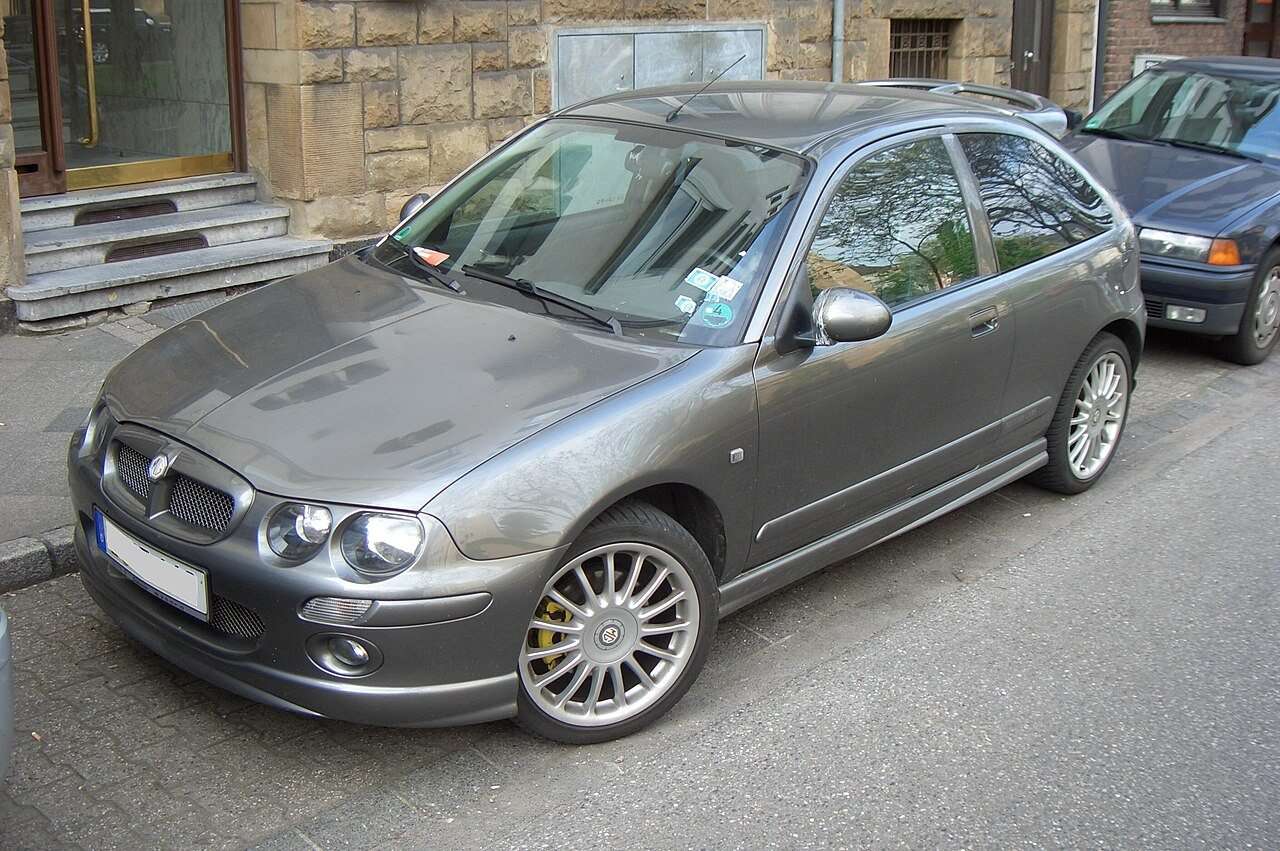
The MG ZR 160 was the performance flagship of the Rover 25-based MG ZR range. It combined the compact hatchback body with a 1.8-litre VVC K-series engine, close-ratio manual gearbox, larger brakes, firmer suspension and aggressive MG styling.
Quick answer: the ZR 160 delivers a light, lively early-2000s hot-hatch experience, but the best car is defined by cooling-system health, structural condition, correct VVC operation and restrained modification. Many surviving examples have been altered, so originality and documented maintenance deserve a premium.
From Rover 25 to MG ZR
MG Rover created the ZR by reworking the Rover 25 rather than designing a separate hatchback. The familiar shell received sharper suspension, quicker visual detailing and a performance-led model range. That modest starting point is part of the ZR’s appeal: it turned an ordinary British supermini-family platform into a genuinely engaging hot hatch.
What made the ZR 160 different?
The 160 used the 1.8-litre VVC version of the K-series, with variable valve control supporting stronger performance at higher engine speeds. It was paired with a five-speed manual gearbox and more serious brakes and suspension than lesser ZRs. Large wheels, spoilers and MG-specific cabin details completed the package.
| Version | Character | Buyer’s note |
|---|---|---|
| ZR 105 | Entry performance model | Lower running costs but not the 160’s engine or brakes |
| ZR 120 | Mid-range 1.8-litre model | Useful performance; verify exact engine and trim |
| ZR 160 | VVC flagship | Confirm engine identity, VVC health, brakes and original specification |
| Facelift ZR | Revised 2004 styling and cabin details | Check panel fit, electrical items and model-year accuracy |
Three-door, five-door and facelift cars
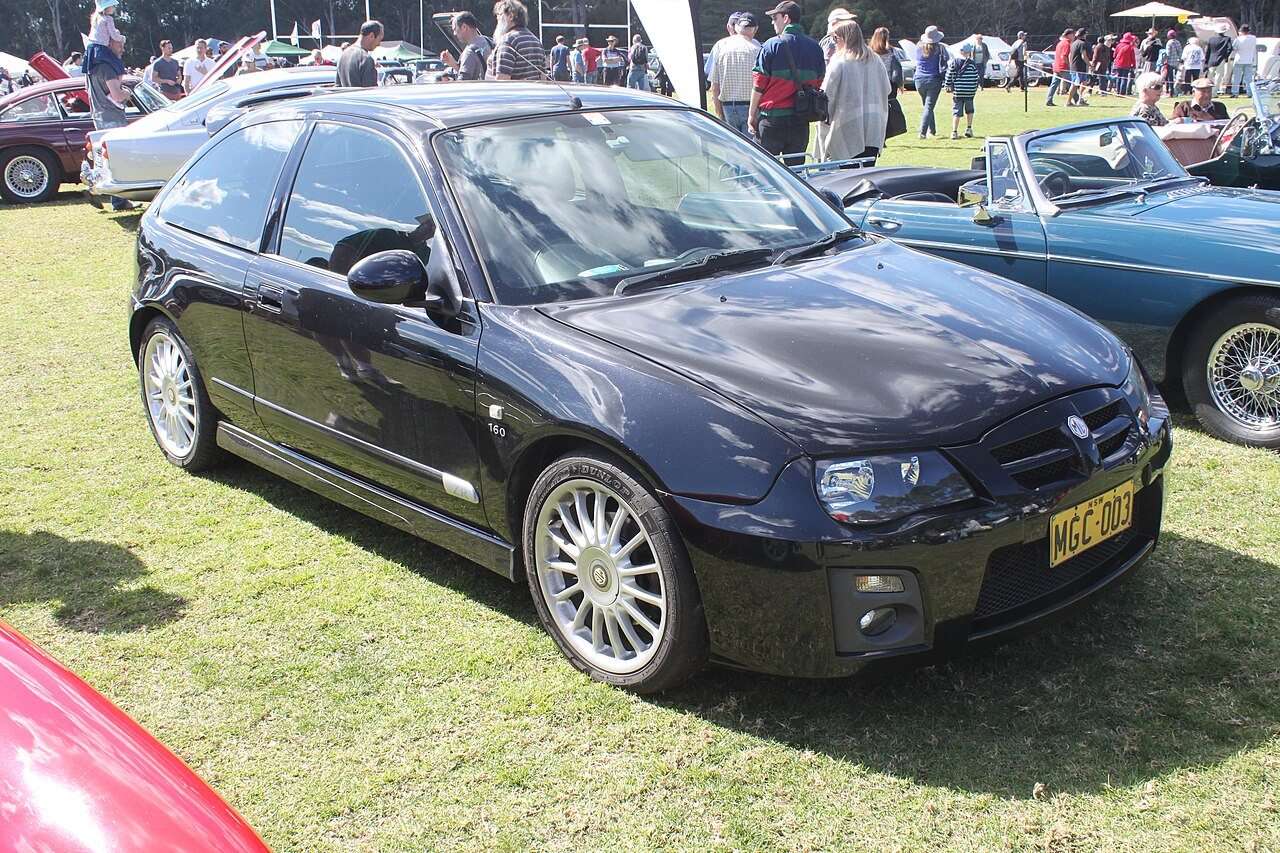
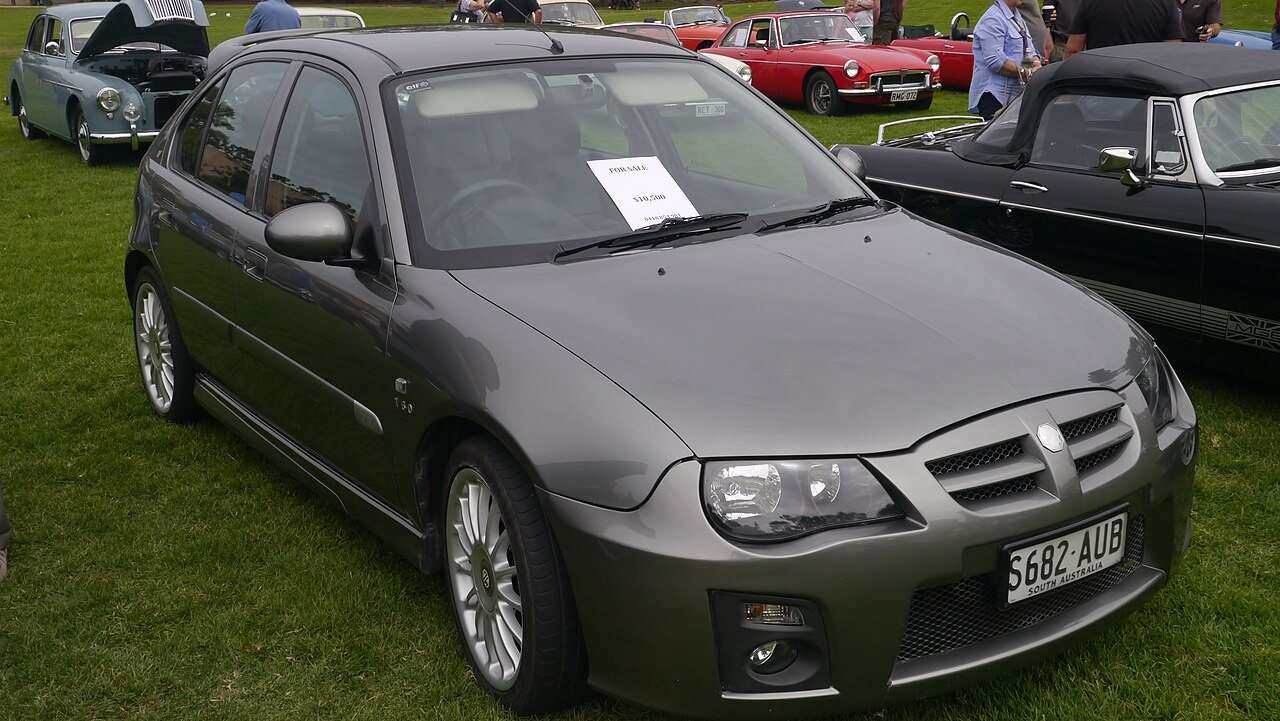
The ZR was available with three or five doors, making the same mechanical package either more overtly sporting or more practical. The 2004 facelift replaced much of the earlier Rover-derived front-end appearance and revised the dashboard. Enthusiasts often prefer one style, but neither body form removes the need for a thorough structural inspection.
K-series cooling and VVC checks
As with other K-series cars, cooling-system condition is central. Check for coolant loss, unstable temperature, staining around joints, neglected pipes and evidence of repeated overheating. A head-gasket replacement is reassuring only when supported by invoices and evidence that the radiator, thermostat, pump and associated fault were addressed.
The VVC mechanism should operate cleanly without abnormal rattles or flat performance. Confirm cambelt-related maintenance and correct oil level and pressure, then examine the engine mounts, gearbox and driveshafts for signs of hard use.

Love cars you don’t see every day?
Get forgotten cars, surprising motoring stories and the most interesting finds from Unusual Cars by email.
Free to join. No spam. Unsubscribe whenever you like. See our privacy policy.
MG ZR 160 buying guide
Corrosion and accident repairs
Inspect sills, jacking points, floor edges, rear arches, suspension mounts and subframes. Many cars lived inexpensive daily-driver lives and later became modification projects, so examine welding, paint transitions, panel gaps and tyre wear carefully.
Suspension, brakes and tyres
The chassis should feel precise rather than harsh and loose. Listen for worn bushes and wheel bearings, check dampers and springs, and make sure the larger 160 brakes are complete and operating evenly. Cheap tyres can undermine both handling and braking.
Interior and electrical equipment
Look for damaged seat bolsters, loose trim and poorly installed audio or alarm wiring. Test the instruments, fan, windows, locking, lighting and rear wiper. Original mats, seats, wheels and badges increasingly help distinguish a preserved car.
Modified ZRs
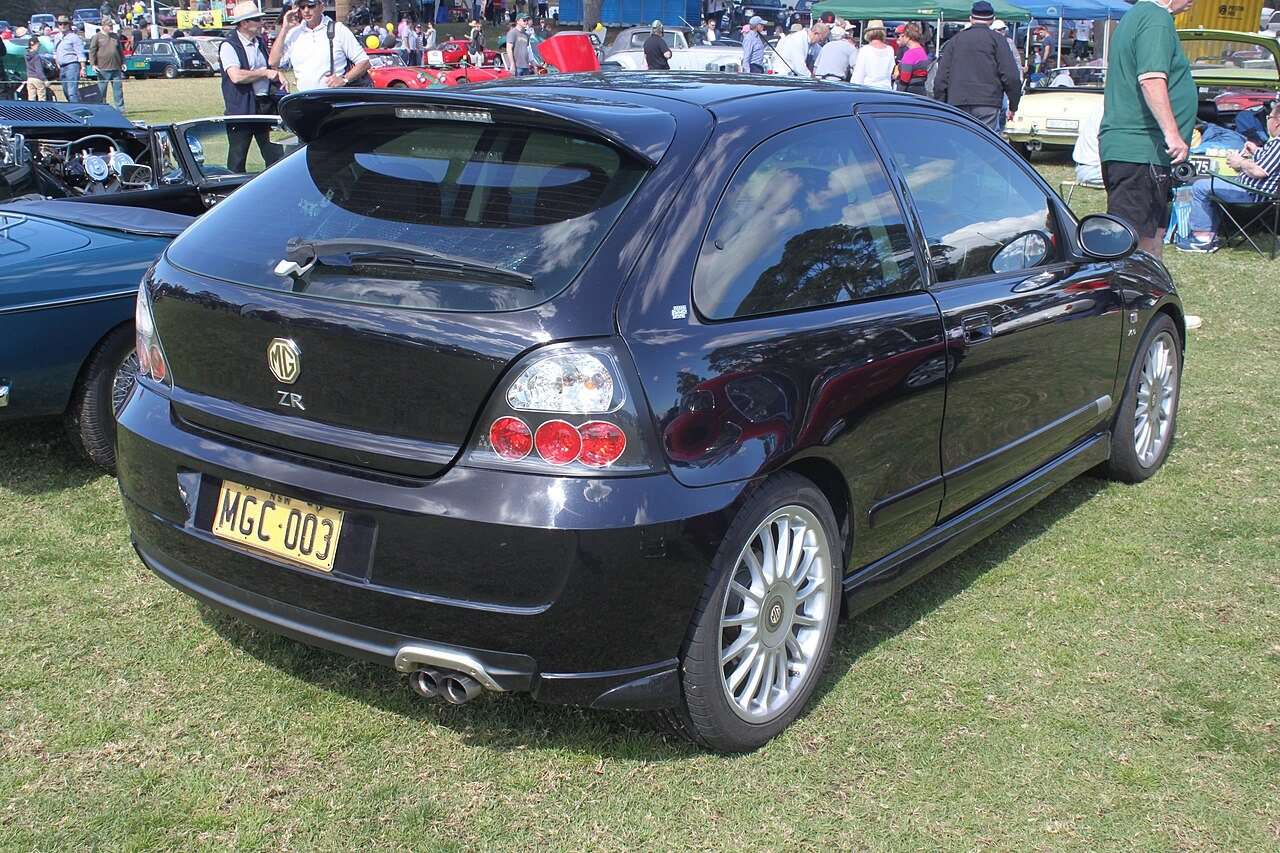
Period modifications are part of the model’s history, but quality varies enormously. Suspension that is excessively low, oversized wheels, improvised induction systems and undocumented engine work can make a car slower or less reliable. Judge every change by engineering quality and paperwork.

Research sources
Continue the MG and Rover story
Explore the Rare & Performance MG and Rovers hub, then read the MG ZS 180 guide and MG ZT 260 guide.
Frequently asked questions
What engine is in the MG ZR 160?
It uses the 1.8-litre VVC version of Rover’s K-series four-cylinder engine.
Was the MG ZR 160 available with five doors?
Yes. The ZR range included both three-door and five-door hatchbacks.
What are the main MG ZR 160 problems?
Cooling-system neglect, earlier overheating, corrosion, suspension wear, electrical faults and poor-quality modifications are the principal concerns.
How can a genuine ZR 160 be checked?
Confirm the VIN and build specification, VVC engine identity, brakes, trim and documented history rather than relying on badges.
Is the MG ZR 160 becoming collectible?
Original, well-documented cars are increasingly scarce, but condition and provenance matter more than rarity claims alone.