UNUSUAL CARS MODEL GUIDE
The Suzuki Ignis Sport HT81S was a light, upright hot hatch sold in Britain in the early 2000s. Its naturally aspirated 1.5-litre M15A engine produced about 109 PS, a five-speed manual gearbox drove the front wheels and kerb weight stayed around 950 kg. It became the direct spiritual predecessor to the modern Swift Sport.
Quick answer: the Ignis Sport is entertaining because it combines low mass, close gearing, firm suspension and eager throttle response. Buy on rust prevention, gearbox and clutch condition, correct Sport trim and evidence of careful servicing; scarce model-specific parts make a complete standard car especially desirable.
From compact hatchback to rally-flavoured Sport
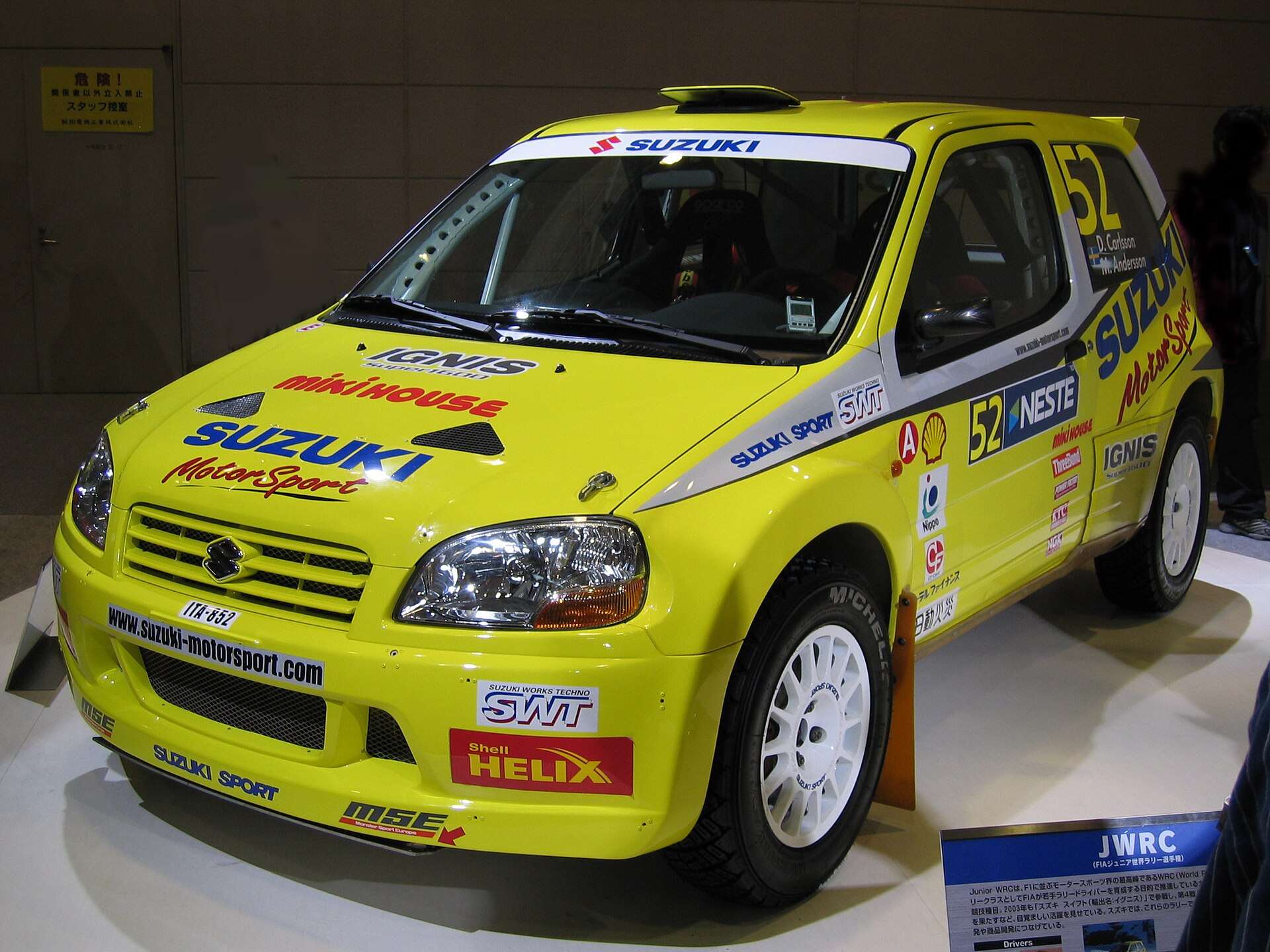
The ordinary Ignis was a tall small car, but Suzuki’s motorsport programme gave the range a performance identity. The Ignis Super 1600 competed internationally, while the road-going Sport used visual cues, firmer suspension, supportive seats and a higher-output M15A engine rather than pretending to be a direct homologation special.
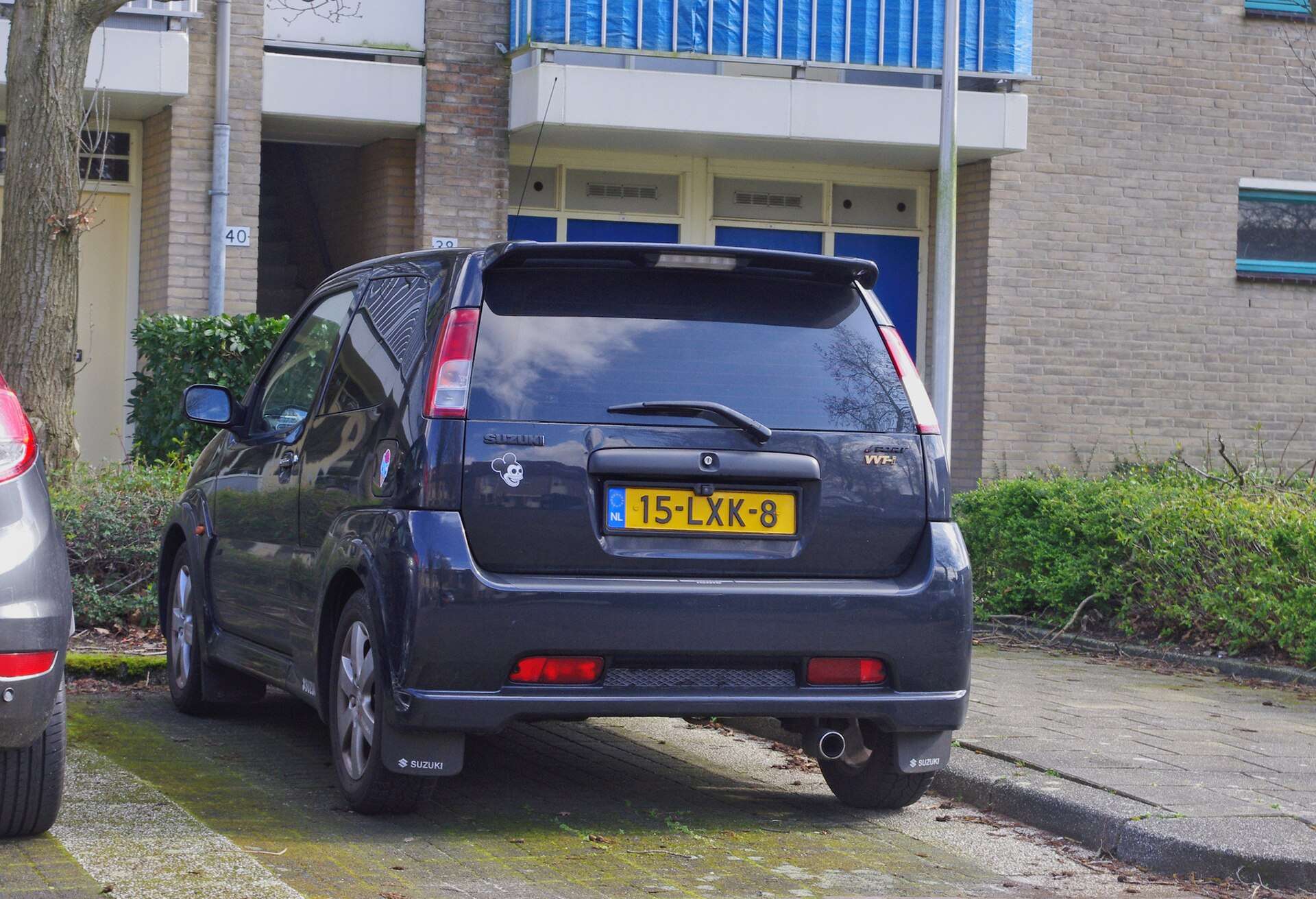
That distinction matters. The road car is related in spirit and marketing to the rally machine, but it is not mechanically identical. Its strengths are affordability, simplicity and an unusually animated driving experience rather than exotic competition hardware.
| Feature | UK-market guide |
|---|---|
| Model code | HT81S |
| Engine | 1.5-litre M15A naturally aspirated four-cylinder |
| Output | Approximately 109 PS / 107 bhp, depending on source and market convention |
| Transmission | Five-speed manual, front-wheel drive |
| Kerb weight | Approximately 945–950 kg |
Love cars you don’t see every day?
Get forgotten cars, surprising motoring stories and the most interesting finds from Unusual Cars by email.
Free to join. No spam. Unsubscribe whenever you like. See our privacy policy.
What it is like to drive
The engine rewards revs rather than delivering modern turbocharged torque. Short gearing keeps it busy, and the tall seating position makes the speed feel vivid. The chassis is firm and can be abrupt over poor surfaces, but accurate responses and modest grip levels encourage involvement without extreme road speeds.
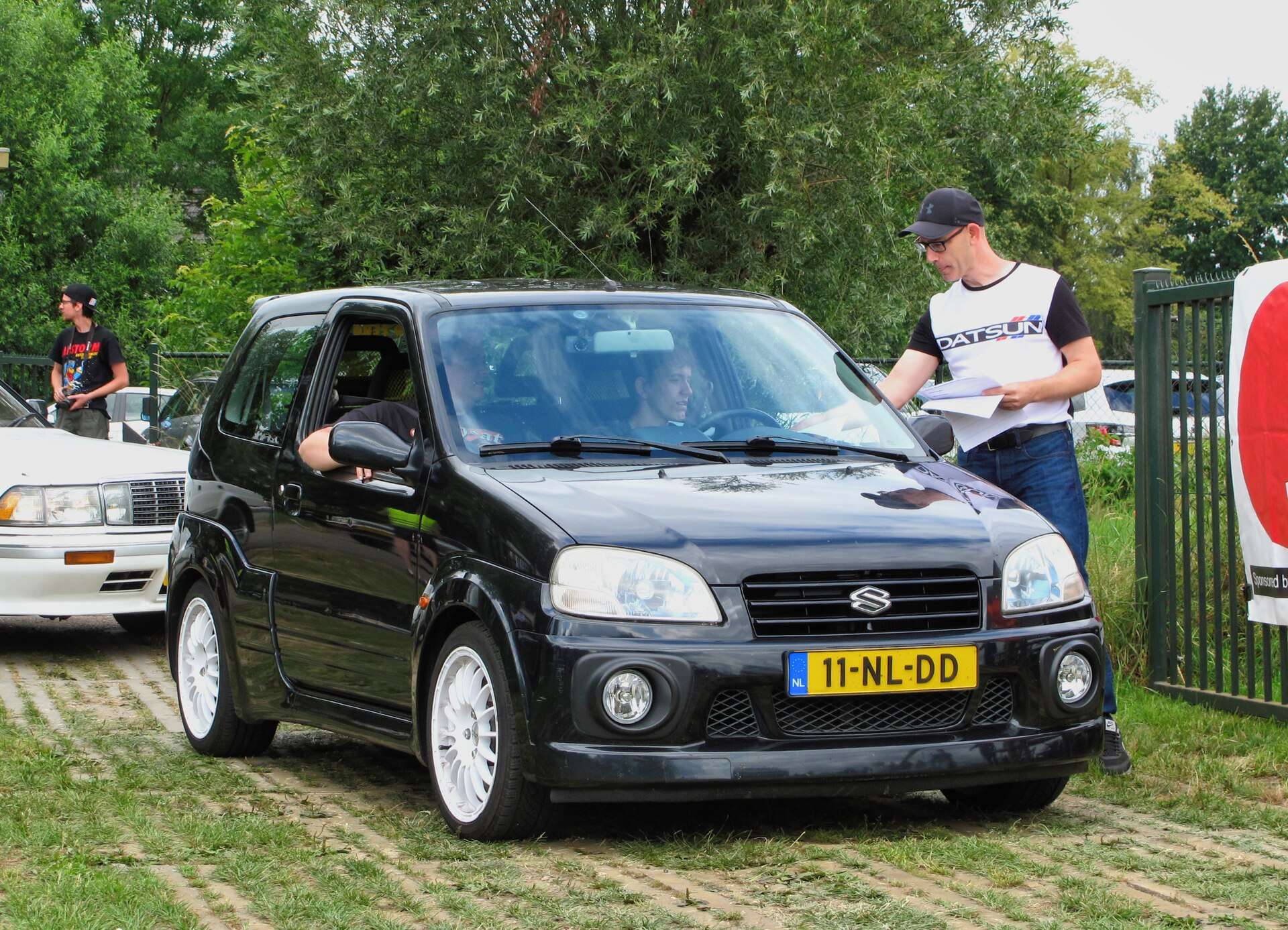
Road noise and simple cabin materials are part of the period. A healthy car should feel energetic and tightly controlled, not crashy, vague or reluctant. Heavy steering, vibration or a car that pulls under braking deserves investigation.
Engine and transmission
Start the M15A from cold and listen for persistent chain or valvetrain noise. Check oil and coolant levels, service intervals, exhaust condition and signs of overheating. Misfires may reflect ignition components or neglected plugs, while erratic idle can involve intake leaks or dirty control hardware.

The five-speed gearbox should engage cleanly, particularly second and third when cold and hot. Test the clutch for slip and a high bite point, listen for driveshaft clicks and inspect engine mounts. Hard driving is not automatically harmful, but missed shifts and poor maintenance are.
Body, corrosion and accident checks
Inspect sills, jacking points, floors, rear arches, front subframe, suspension mounts and brake pipes. Cars used through British winters need proof of rust prevention. Check the roof, bonnet, door shuts and boot floor for accident repairs and compare paint colour across panels.
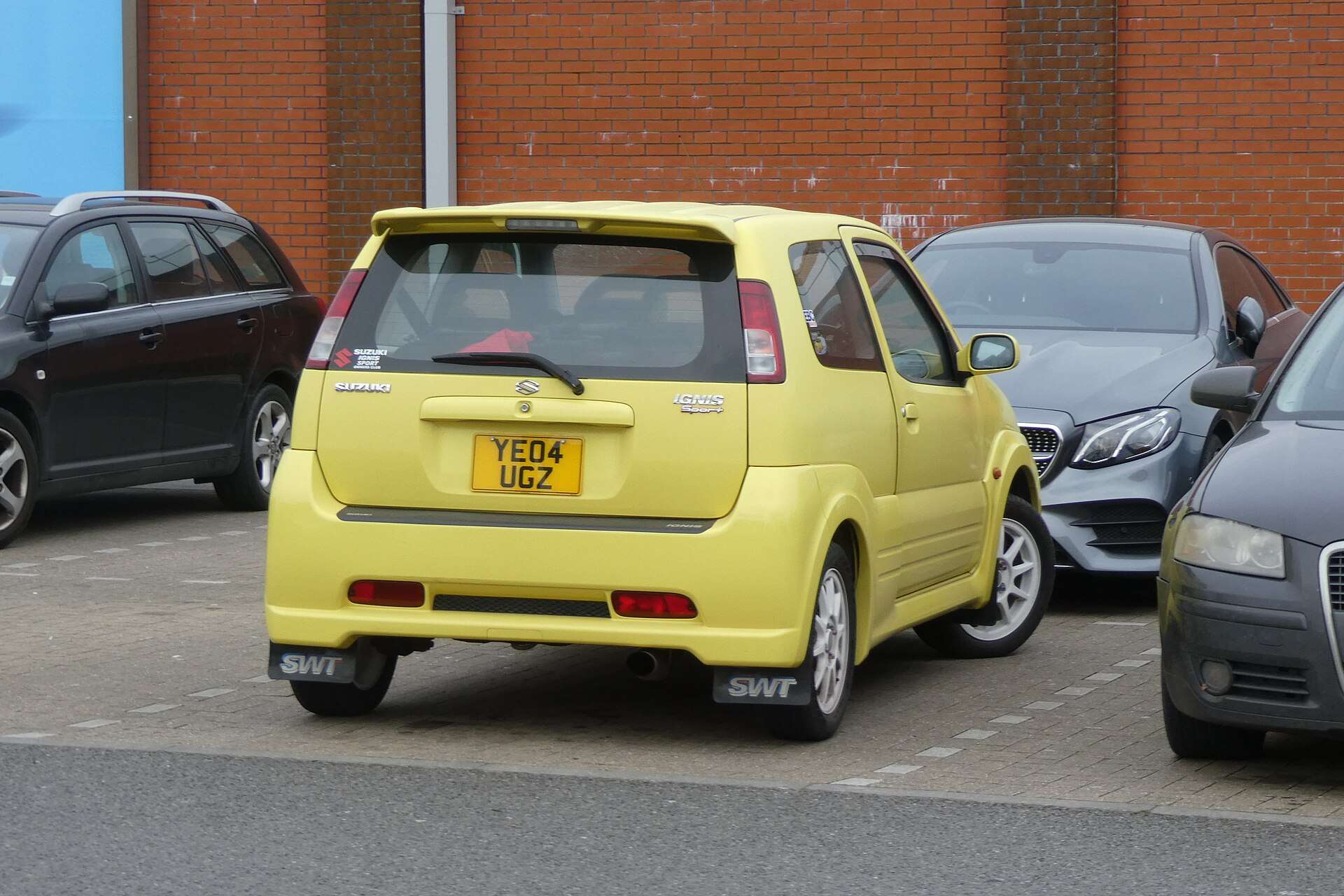
Sport bumpers, side skirts, rear spoiler, alloy wheels, seats and trim are important. A missing part may be harder to replace than a routine mechanical component, and rally-style additions do not compensate for lost factory equipment.
Suspension, brakes and tyres
Worn dampers, top mounts, bushes and drop links exaggerate the already firm ride. Check wheel bearings, steering joints and tyre age. The brakes should operate evenly without a long pedal or seized rear components. Quality matching tyres preserve the balance better than the cheapest available replacements.
Modifications need context. A well-chosen exhaust or damper set can suit the car, but badly lowered suspension, oversized wheels and stripped interiors often reduce usability without adding meaningful performance. Ask for the original parts and alignment records.
Why the Ignis Sport matters
It established a formula Suzuki would refine with the Swift Sport: modest power, very low weight, clear controls and affordable running costs. Its rarity now makes preservation important, but the car remains most enjoyable when used rather than treated as a static collectible.
Sources and further reading
- Suzuki Sport: HT81S technical context
- Suzuki: global automobile history
- Car Enthusiast: 2004 Ignis Sport road test
Continue the Suzuki story
The Ignis Sport previewed the lightweight, attainable performance formula later perfected by the Swift Sport. Explore the Suzuki hub, the Swift Sport guide, the Swift GTi guide.
Frequently asked questions
What engine is in the Suzuki Ignis Sport?
The HT81S uses Suzuki’s naturally aspirated 1.5-litre M15A four-cylinder engine.
How much power does an Ignis Sport have?
UK and European references commonly quote about 109 PS, equivalent to roughly 107 bhp; figures can differ slightly by market convention.
Is the Ignis Sport a rally homologation car?
No. It shares styling and marketing links with Suzuki’s Super 1600 rally programme, but the road car is not mechanically identical to the competition car.
Is the Ignis Sport the predecessor to the Swift Sport?
Yes in character and product positioning: it established Suzuki’s modern lightweight, naturally aspirated affordable hot-hatch formula.
What should be checked before buying?
Inspect corrosion, accident repairs and scarce Sport trim, then test the engine, five-speed gearbox, clutch, driveshafts, suspension, steering, brakes, tyres and every modification.