UNUSUAL CARS MODEL GUIDE
The MG F and MG TF are mid-engined, rear-wheel-drive British roadsters built around the K-series engine. The hydragas-suspended MG F arrived in 1995; the more conventionally sprung MG TF replaced it for 2002 and continued, with interruptions and later Chinese-backed production, into the following decade.
Quick answer: both cars offer accessible mid-engined handling, but buyers should prioritise cooling-system condition, cylinder-head-gasket history, corrosion, suspension health and evidence of careful servicing. A replacement gasket is not automatically a problem when the underlying cooling fault was diagnosed and the repair was completed correctly.
Why the MG F mattered
MG had not offered a new mainstream two-seat sports car for many years when the F appeared. Instead of recreating the front-engined MGB, Rover Group placed the engine behind the seats and used interconnected Hydragas suspension. The result felt modern while retaining compact dimensions, an open roof and familiar MG identity.
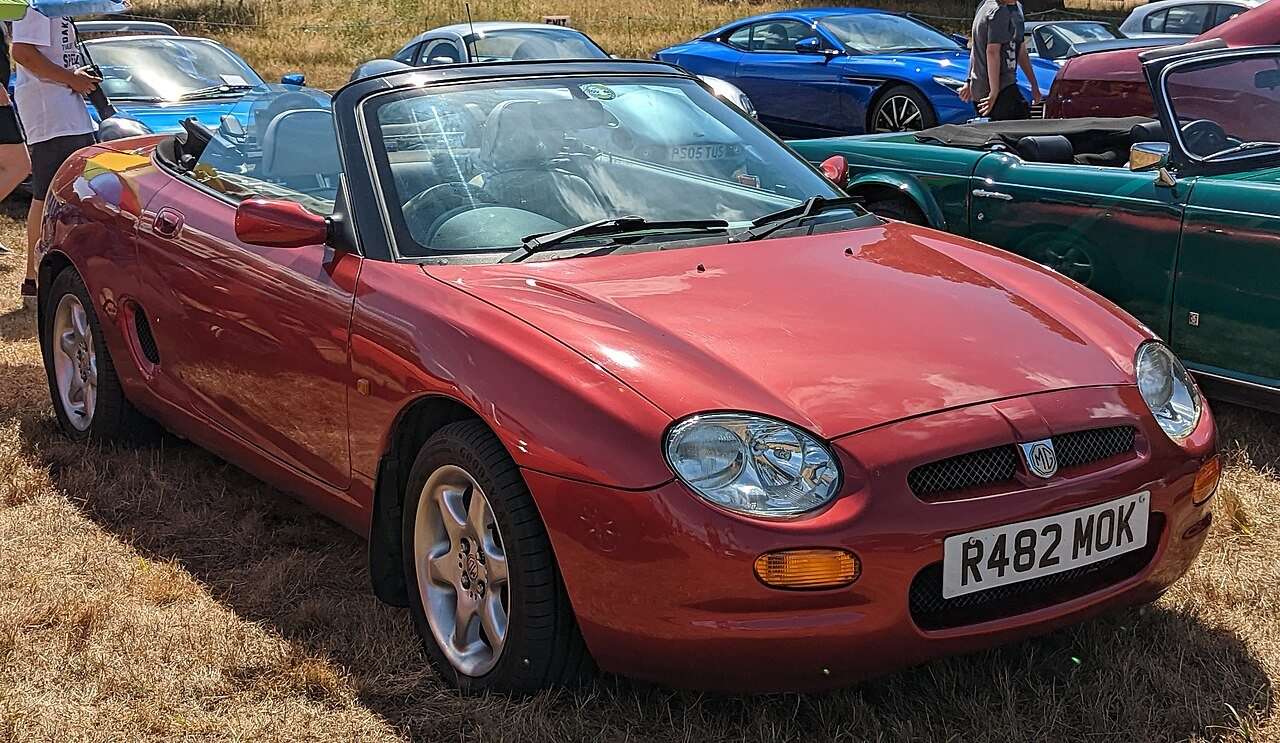
MG F engines and versions
Most MG Fs used the 1.8-litre K-series four-cylinder engine. Standard versions offered approachable performance, while the VVC used variable valve control for stronger high-rev output. Limited editions changed colours, trim, wheels and equipment; they should be valued for condition and originality rather than a badge alone.
| Model family | Defining feature | Buying emphasis |
|---|---|---|
| MG F 1.8i | Regular 1.8-litre K-series roadster | Cooling history, Hydragas ride height and corrosion |
| MG F VVC | Higher-output variable-valve-control engine | Correct operation, service history and evidence of overheating |
| MG TF | Revised body, conventional coil springs and sharper chassis tune | Suspension wear, ride quality and underbody structure |
| TF 160 | Performance flagship using the VVC engine | Original specification, cooling upgrades and complete trim |

How the MG TF changed the formula
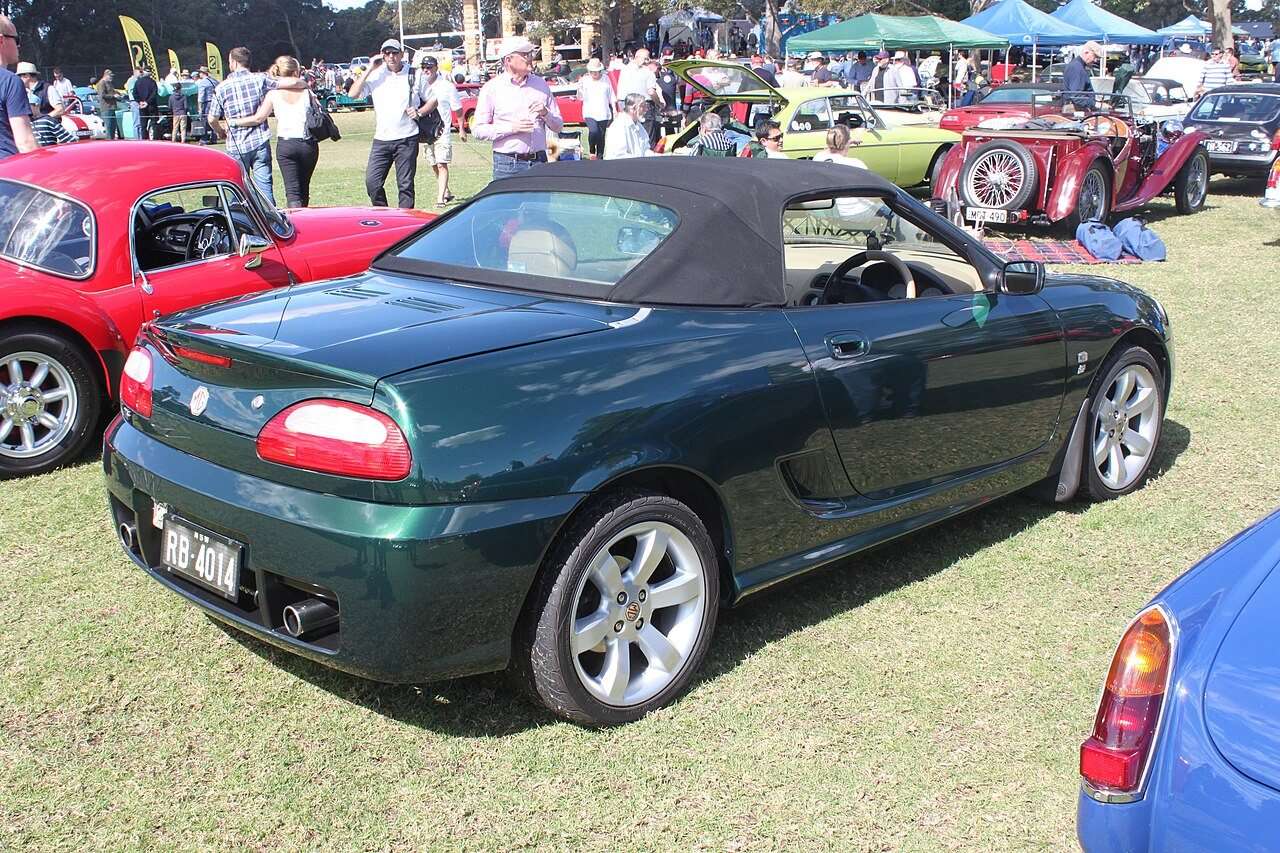
The TF retained the mid-engined layout but replaced Hydragas with conventional springs and dampers. Revised bodywork, steering and suspension tuning created a firmer, more overtly sporting car. Some owners prefer the TF’s response; others value the F’s more supple ride, so condition matters more than assuming one generation is universally better.
Head-gasket and cooling-system reality
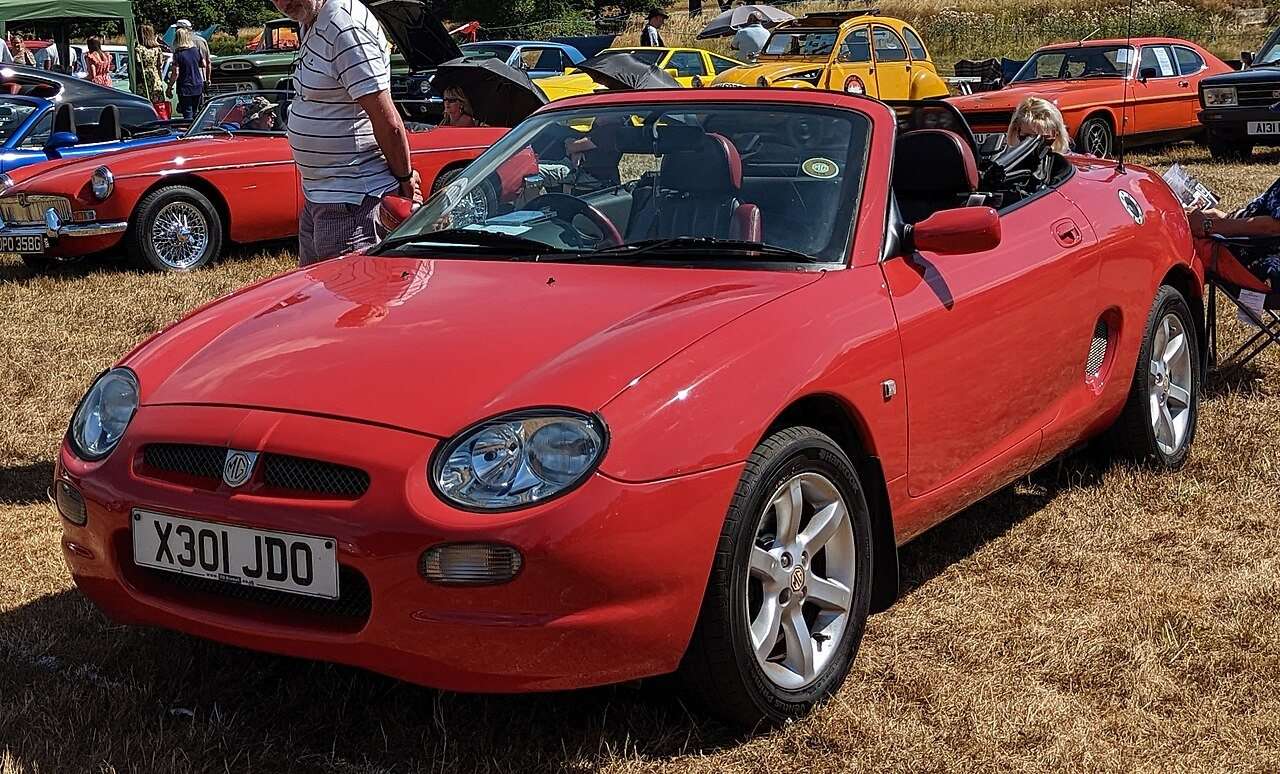
K-series head-gasket failure dominates discussion of these cars, but the cooling system must be considered as a complete circuit. The long coolant pipes, radiator, expansion tank, cap, thermostat arrangement, water pump and correct bleeding procedure all matter. A sound purchase has documentary evidence of diagnosis, appropriate parts and a cooling system that holds pressure without unexplained coolant loss.
Inspect the oil and coolant, but do not rely only on the absence of visible contamination. Check for prior overheating, unstable temperature, hardened hoses, poor heater output and fans that fail to operate.
Love cars you don’t see every day?
Get forgotten cars, surprising motoring stories and the most interesting finds from Unusual Cars by email.
Free to join. No spam. Unsubscribe whenever you like. See our privacy policy.
MG F and TF buying guide
Body and corrosion
Inspect the sills, floor, subframes, suspension mounting areas, wheelarches and seams around the boot and engine bay. Check panel gaps and the condition of the front and rear crash structures. Water leaks can damage carpets, electrical connections and interior trim.
Suspension and steering
An MG F should sit at the correct Hydragas ride height and ride consistently from side to side. Very low cars may simply need correct servicing, but leaking or damaged units require informed assessment. On a TF, listen for knocks and check springs, dampers, bushes, ball joints and tyres.
Roof and cabin
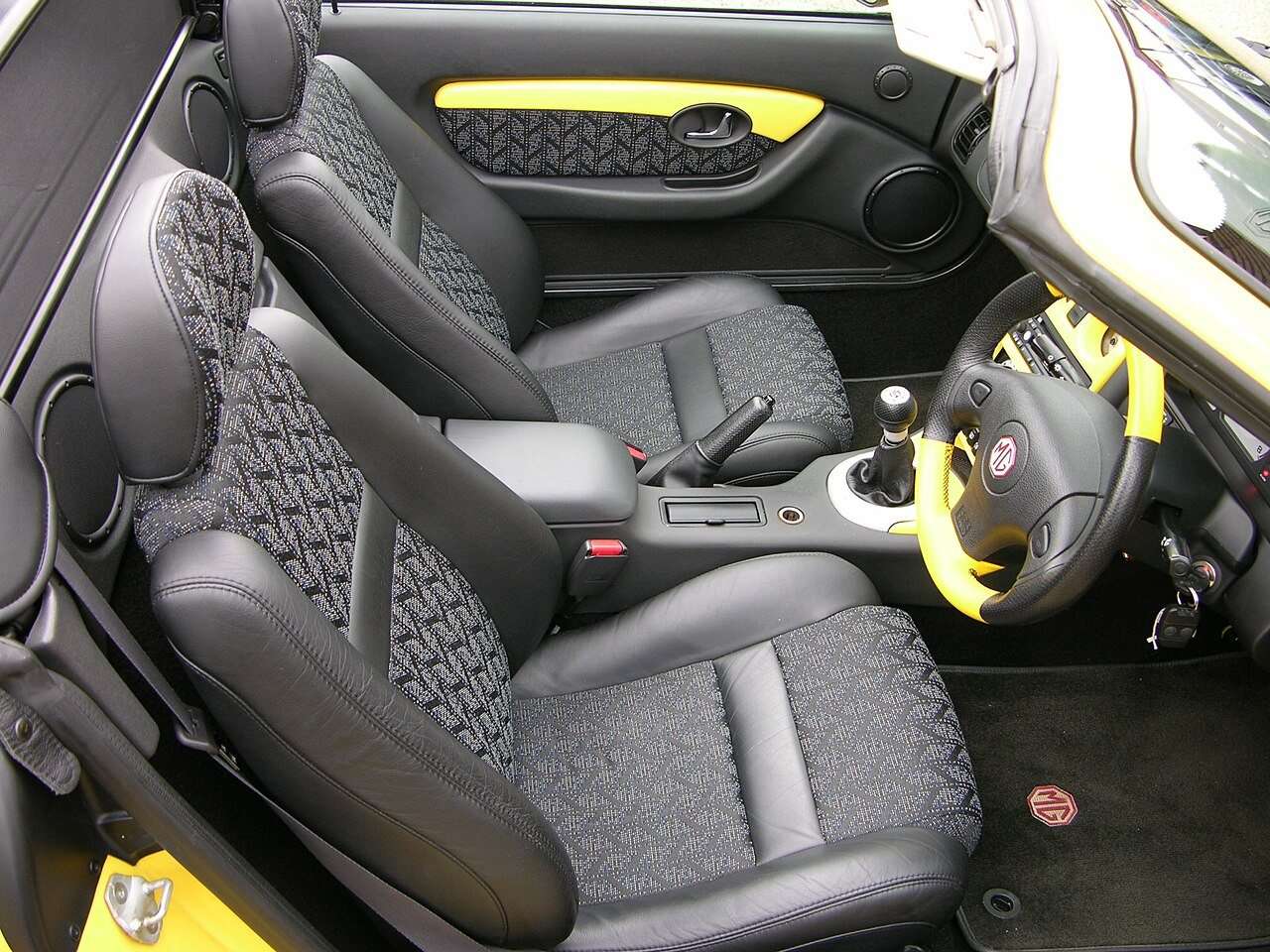
Raise and lower the hood, inspect the rear window and seals, and check the drains. Test windows, heater, blower, instruments, central locking and alarm. Dampness behind the seats or beneath the carpets needs investigation rather than drying alone.
Which version makes sense?
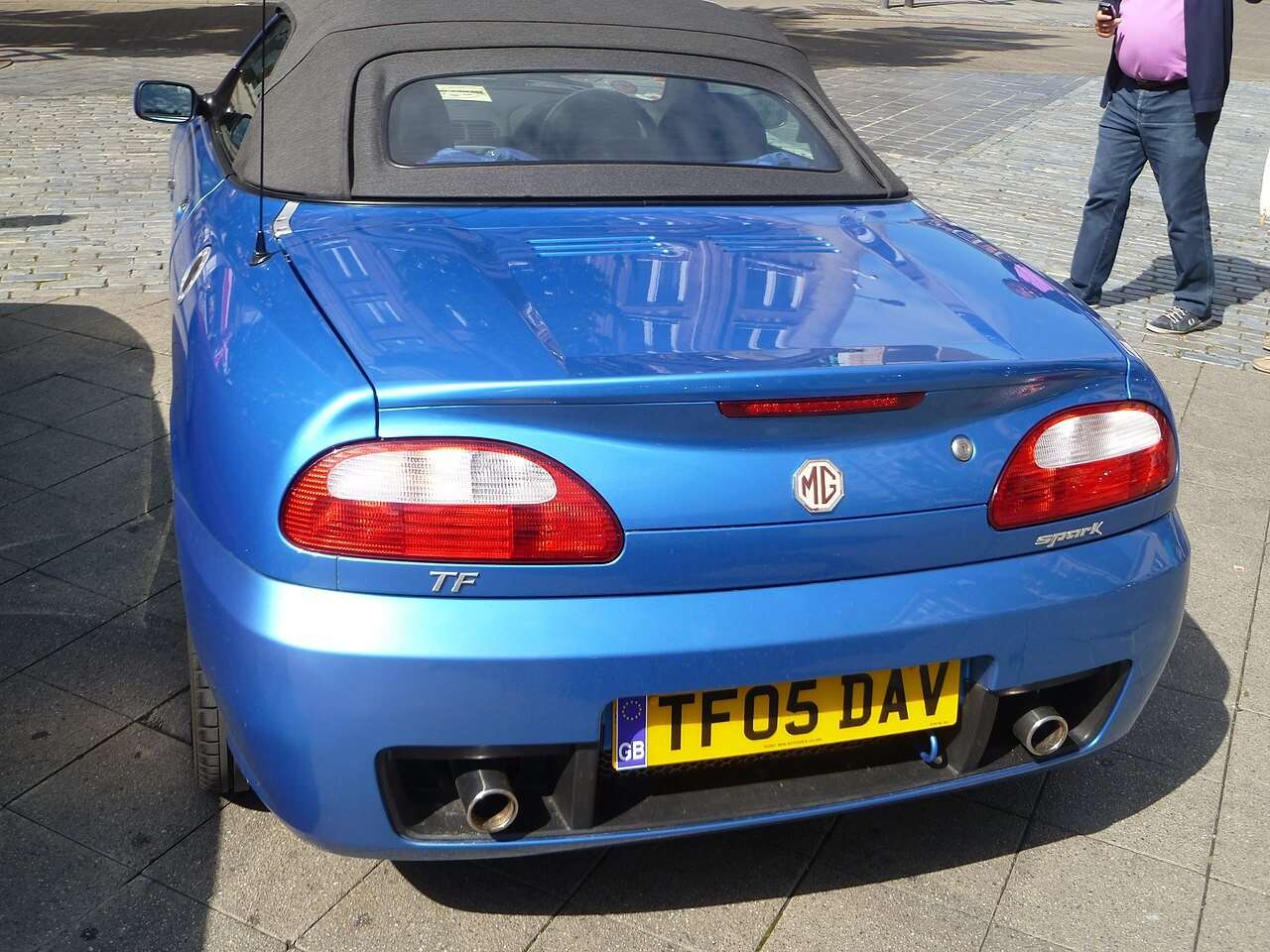
A well-maintained standard F is often the best-value introduction, while the VVC and TF 160 provide the strongest factory performance. An immaculate lower-powered car is normally a safer purchase than a neglected flagship. Modified cars can work well, but suspension, cooling and engine changes need invoices and coherent engineering.
Research sources
Continue the MG and Rover story
Explore the Rare & Performance MG and Rovers hub, then read the MG ZT 260 guide and MG XPower SV guide.
Frequently asked questions
What is the main difference between the MG F and MG TF?
The MG F uses interconnected Hydragas suspension, while the MG TF uses conventional coil springs and received revised styling and chassis tuning.
Do all MG Fs suffer head-gasket failure?
No. Risk depends on cooling-system condition, overheating history, servicing and the quality of any previous repair.
Is the MG F rear-wheel drive?
Yes. Both the MG F and MG TF have a mid-mounted engine driving the rear wheels.
What should an MG F buyer inspect first?
Check cooling-system history, structural corrosion, Hydragas ride height, roof leaks and evidence of overheating.
Which is the fastest regular MG F or TF version?
The VVC-engined TF 160 is the familiar production flagship, although condition and verified specification remain more important than the badge.