UNUSUAL CARS MODEL GUIDE
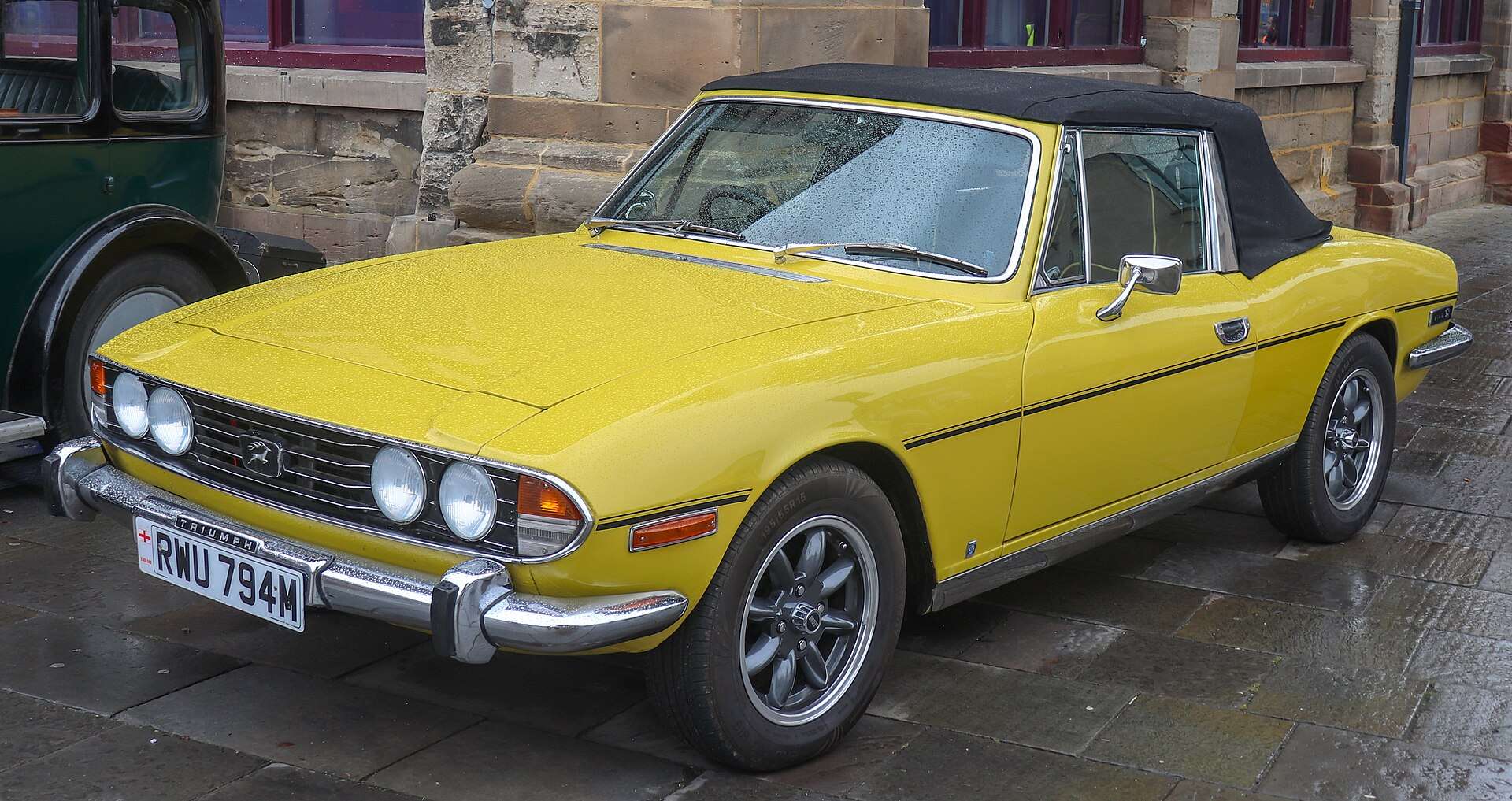
The Triumph Stag was a four-seat grand touring convertible produced from 1970 to 1977. Styled by Giovanni Michelotti and powered by Triumph’s own 2,997 cc V8, it combined open-air touring with a removable hardtop, a distinctive T-bar and a refined cabin.
Quick answer: a properly rebuilt and maintained Stag can be a dependable classic, but cooling-system neglect and poor engine work created the model’s reputation. Buy on engineering evidence, shell condition and completeness rather than paint colour or an unsupported “fully restored” description.
Michelotti’s grand-touring idea
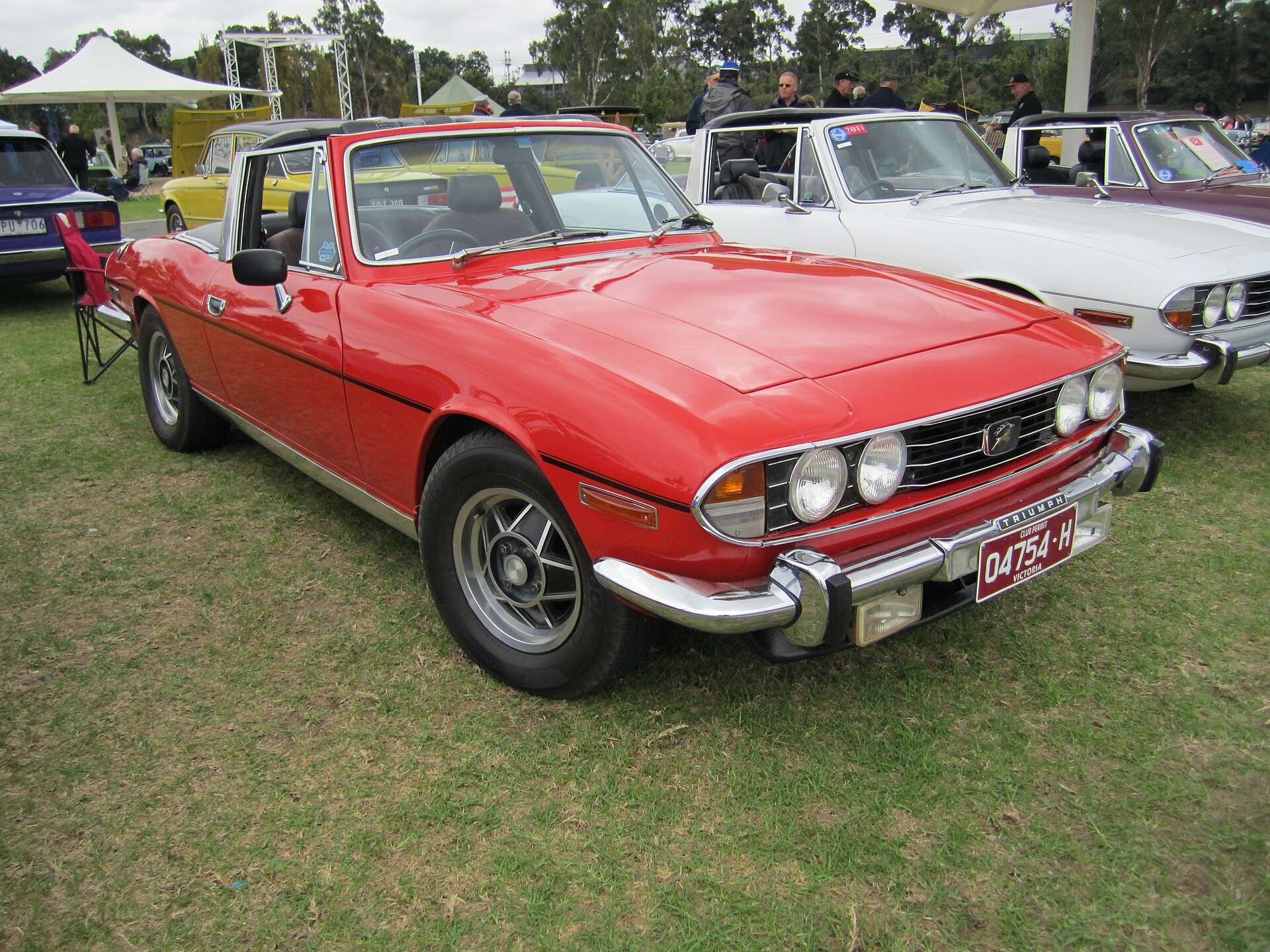
The Stag began when Michelotti reshaped a Triumph 2000 saloon as a styling proposal. Triumph developed the concept into its own model, retaining a four-seat layout and strengthening the open body with a fixed rollover hoop and windscreen-linked T-bar. The result looked elegant with the soft top lowered and remained practical with its removable hardtop fitted.
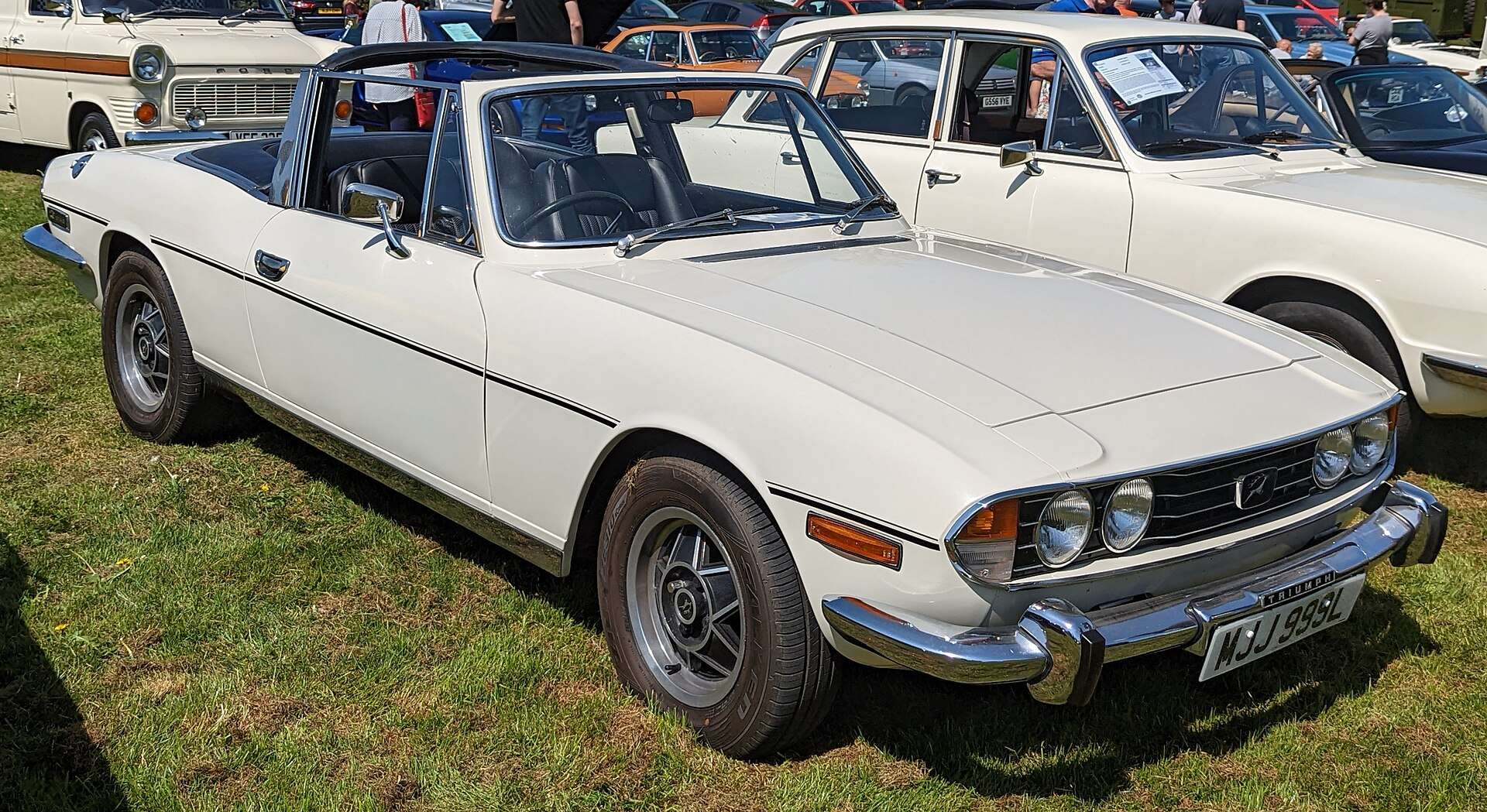
Triumph intended the Stag to compete with European luxury convertibles rather than behave like a stripped sports car. Power steering, electric windows, generous instrumentation and automatic transmission availability supported that touring brief.
The Triumph 3.0-litre V8
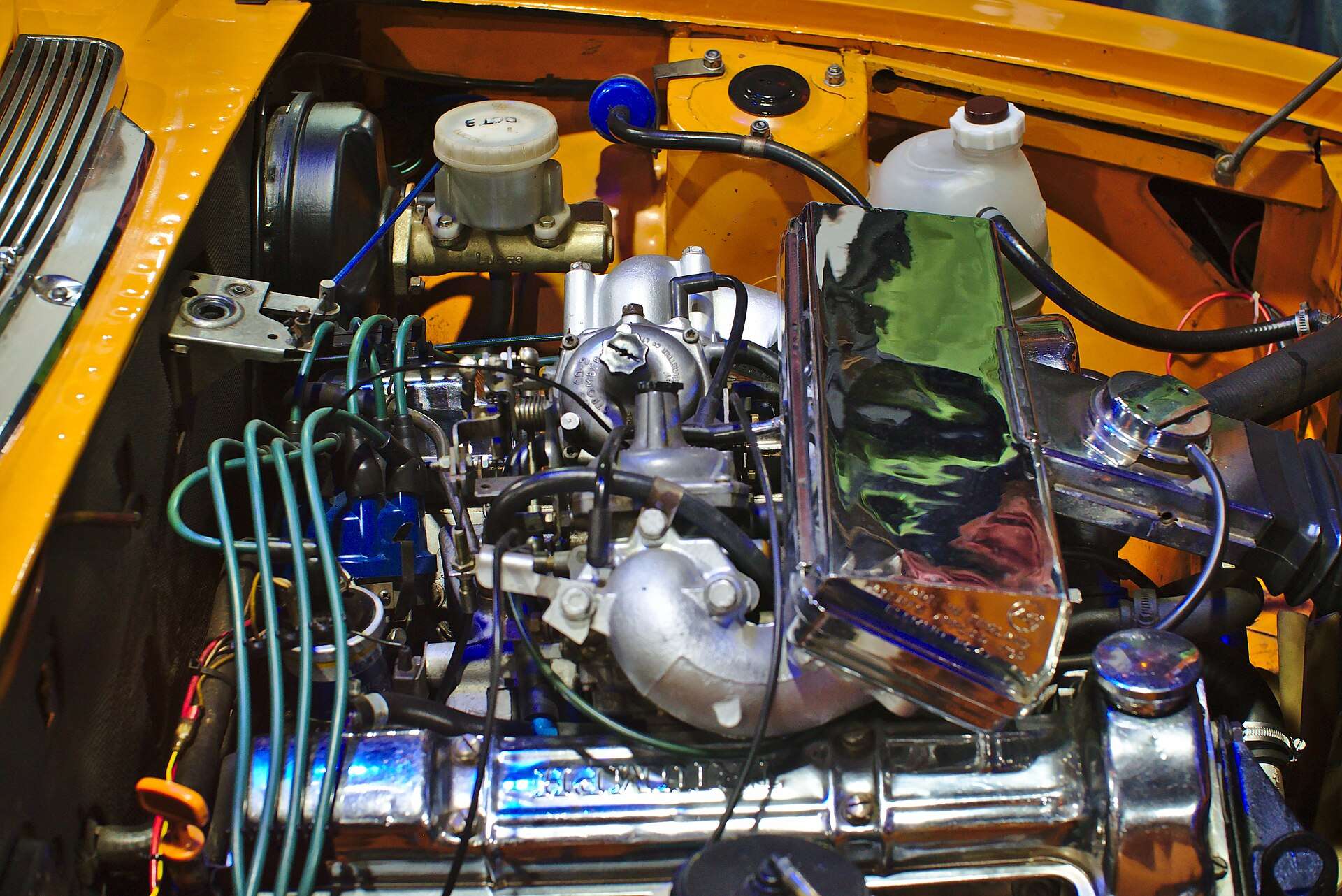
The all-aluminium-head V8 displaced 2,997 cc and used twin Stromberg carburettors. In UK specification it produced roughly 145 bhp. The engine’s sound and smooth delivery are central to the Stag’s identity, which is why conversions to Rover V8 or straight-six power affect originality and value even when competently executed.
| Specification | Triumph Stag |
|---|---|
| Production | 1970–1977 |
| Engine | 2,997 cc overhead-cam V8 |
| Power | Approximately 145 bhp in UK form |
| Transmission | Four-speed manual, usually with overdrive; three-speed automatic optional |
| Layout | Front engine, rear-wheel drive, four seats |
| Roof | Folding soft top and removable hardtop |
Early and later cars
Enthusiasts commonly call Stags Mk1 and Mk2, but Triumph did not formally use those badges. Changes were progressive. Later cars gained revised instruments and trim, different wheels and sills, and detail improvements to cooling, ignition and emissions equipment. Buyers should judge an individual car from its commission number, production date and records rather than rely only on an informal Mk label.
Love cars you don’t see every day?
Get forgotten cars, surprising motoring stories and the most interesting finds from Unusual Cars by email.
Free to join. No spam. Unsubscribe whenever you like. See our privacy policy.
Cooling system and engine checks
Inspect the Stag completely cold. Coolant should be clean and at the correct level; hoses, radiator, pressure cap, expansion tank, water pump and viscous fan must all be sound. Watch the temperature gauge during an extended test and look for bubbles, persistent pressure, steam, oil contamination or coolant loss.
Ask for evidence of regular coolant changes, correct cylinder-head work, timing-chain renewal and water-pump maintenance. Sludge and corrosion can restrict internal waterways. The two cylinder banks use long chains and tensioners, so rattle at start-up or poor maintenance history needs specialist diagnosis.
Body, roof and structure
Check the sills inside and out, floorpans, front chassis legs, suspension turrets, bulkhead, A-pillars, door bottoms, rear arches, boot floor and rear suspension mounts. Hardtops can hide corrosion around the windscreen frame and deck; remove the roof where possible and inspect seals, catches and the T-bar.
Soft-top frames should fold without forcing and the fabric must seal around the side windows. A complete, correctly fitted hardtop is valuable because restoration and storage hardware add cost.
Transmission, steering, suspension and brakes
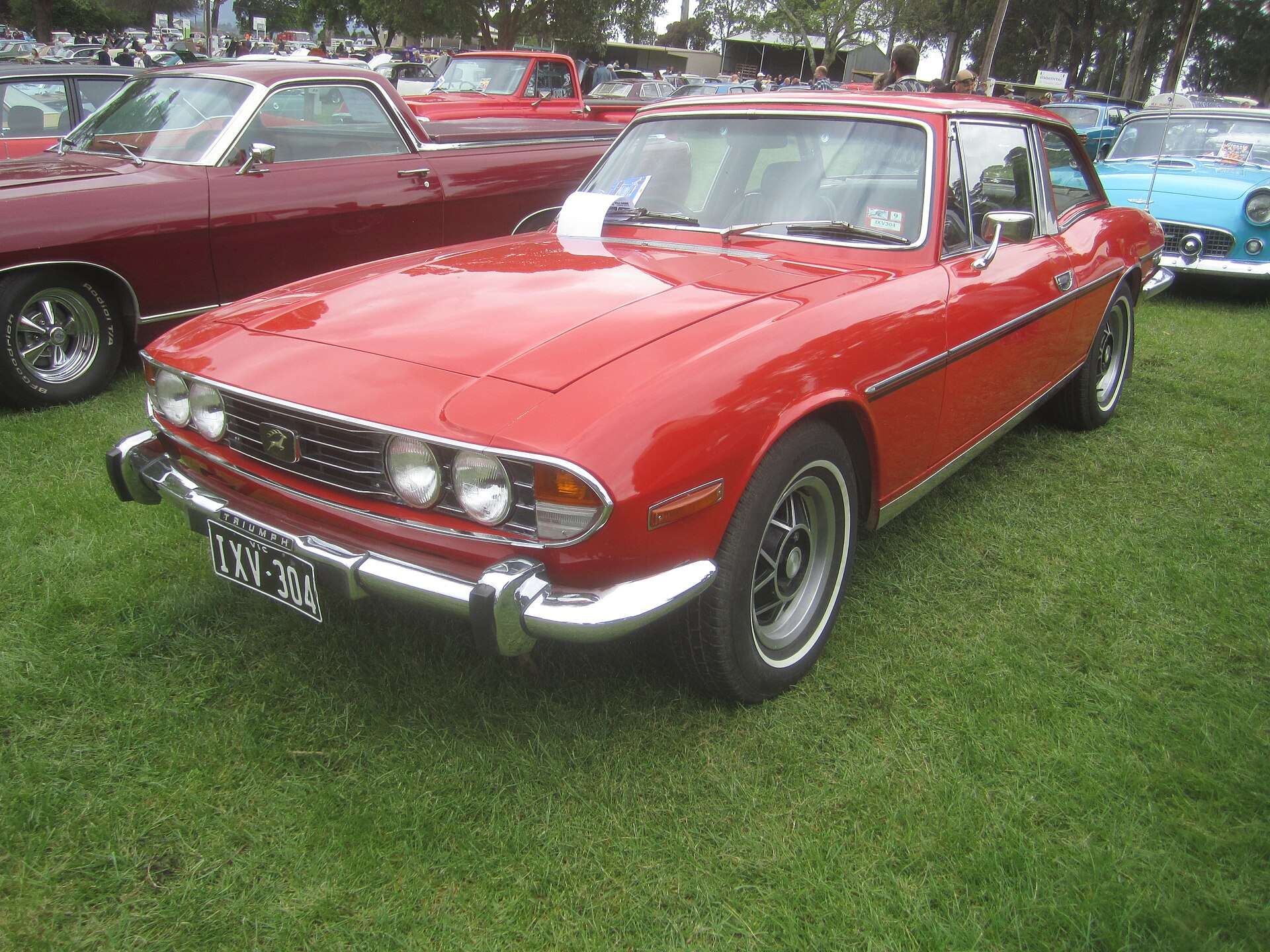
Manual cars should change cleanly and engage overdrive promptly. Automatics should select drive without a long delay and change smoothly when hot. Check propshaft joints, differential mounts and half-shafts for clunks or vibration.
Power steering should not leak heavily or feel imprecise. Inspect front trunnions, bushes, wheel bearings, dampers and rear suspension. The brakes should stop straight with a firm pedal; old hoses and sticking calipers are common on cars used infrequently.
Interior, electrics and originality
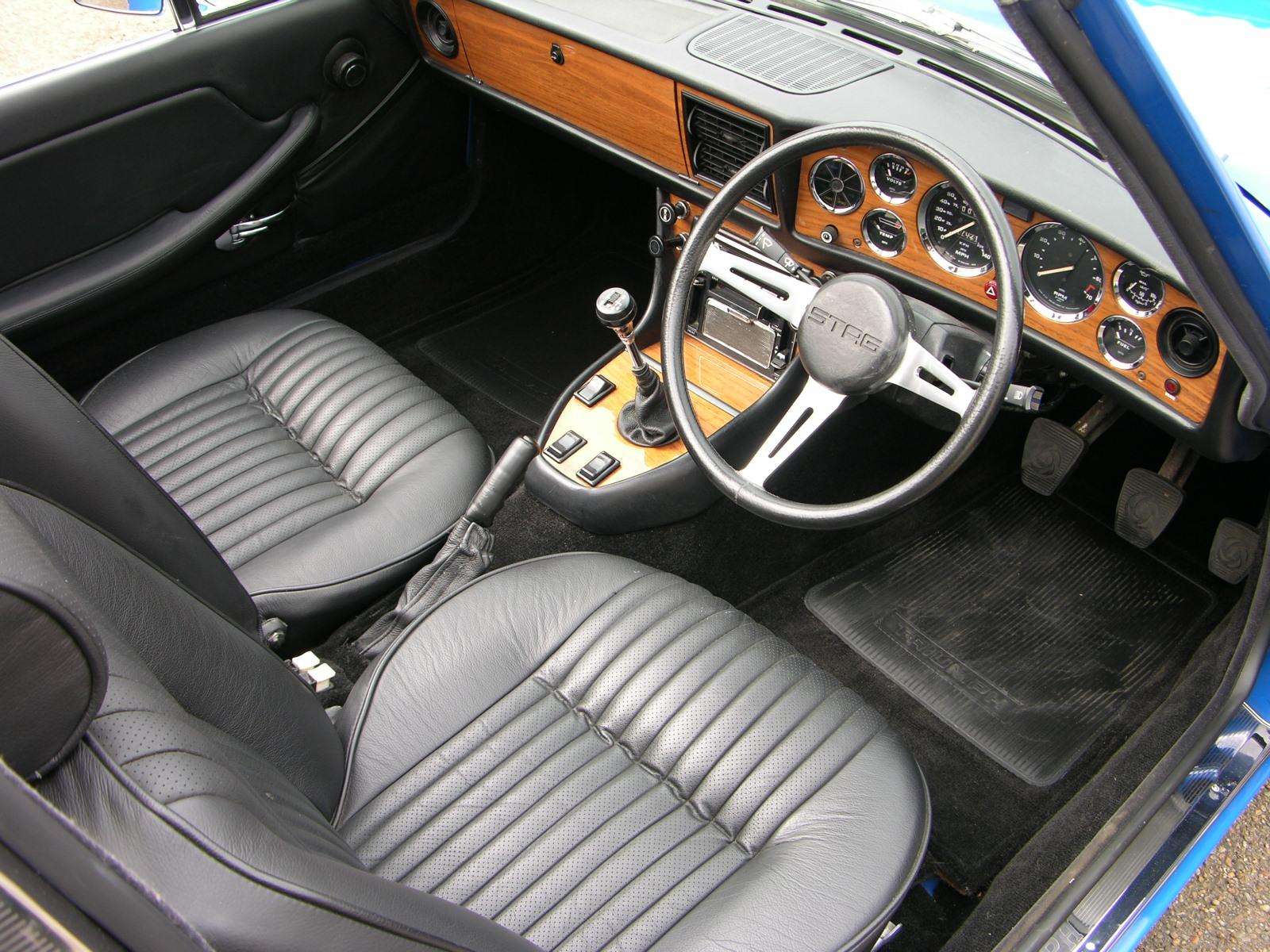
Test the windows, heater fan, wipers, gauges, lights and charging system. Veneer, seat foams, carpets and model-specific trim can be renewed, but a complete cabin is easier and cheaper than locating missing pieces. Water leaks damage the floors and electrical connections.
A Stag with its original V8, documented upgrades and regular use is usually preferable to a dormant low-mileage car. Conversions are not automatically bad, but the seller should identify the engine, gearbox, cooling and braking changes accurately and the price should reflect departure from factory specification.
Sources and further reading
- Stag Owners Club: history of the Stag
- Triumph Stag Club USA: specifications
- Triumph Sports Six Club: Stag buyers’ guide
Continue the Triumph story
The Stag gave Triumph a distinctive V8-powered four-seat grand tourer. Explore the Triumph hub and the TR6 guide and the GT6 guide.
Frequently asked questions
When was the Triumph Stag built?
The Stag was produced from 1970 to 1977.
What engine does the Triumph Stag use?
It uses Triumph’s own 2,997 cc overhead-cam V8, producing roughly 145 bhp in UK specification.
Are Mk1 and Mk2 official Triumph Stag names?
No. Owners use Mk1 and Mk2 informally to distinguish early and later specifications, but Triumph introduced changes progressively rather than officially badging the car that way.
Can a Triumph Stag be reliable?
Yes, provided the cooling system, timing chains, ignition and fuel systems have been rebuilt and maintained correctly and the car is used regularly.
What should be checked before buying a Stag?
Check cold-start and cooling behaviour, engine and timing-chain records, structural corrosion, roof condition, gearbox or automatic operation, steering, suspension, brakes, electrics, trim and identity.