UNUSUAL CARS MODEL GUIDE
The Saab 96 carried the company from a small Scandinavian manufacturer into international recognition. Its aerodynamic shape, front-wheel drive, two-stroke origins and later Ford V4 engine created a compact car that was unconventional on the road and remarkably effective in rallying.
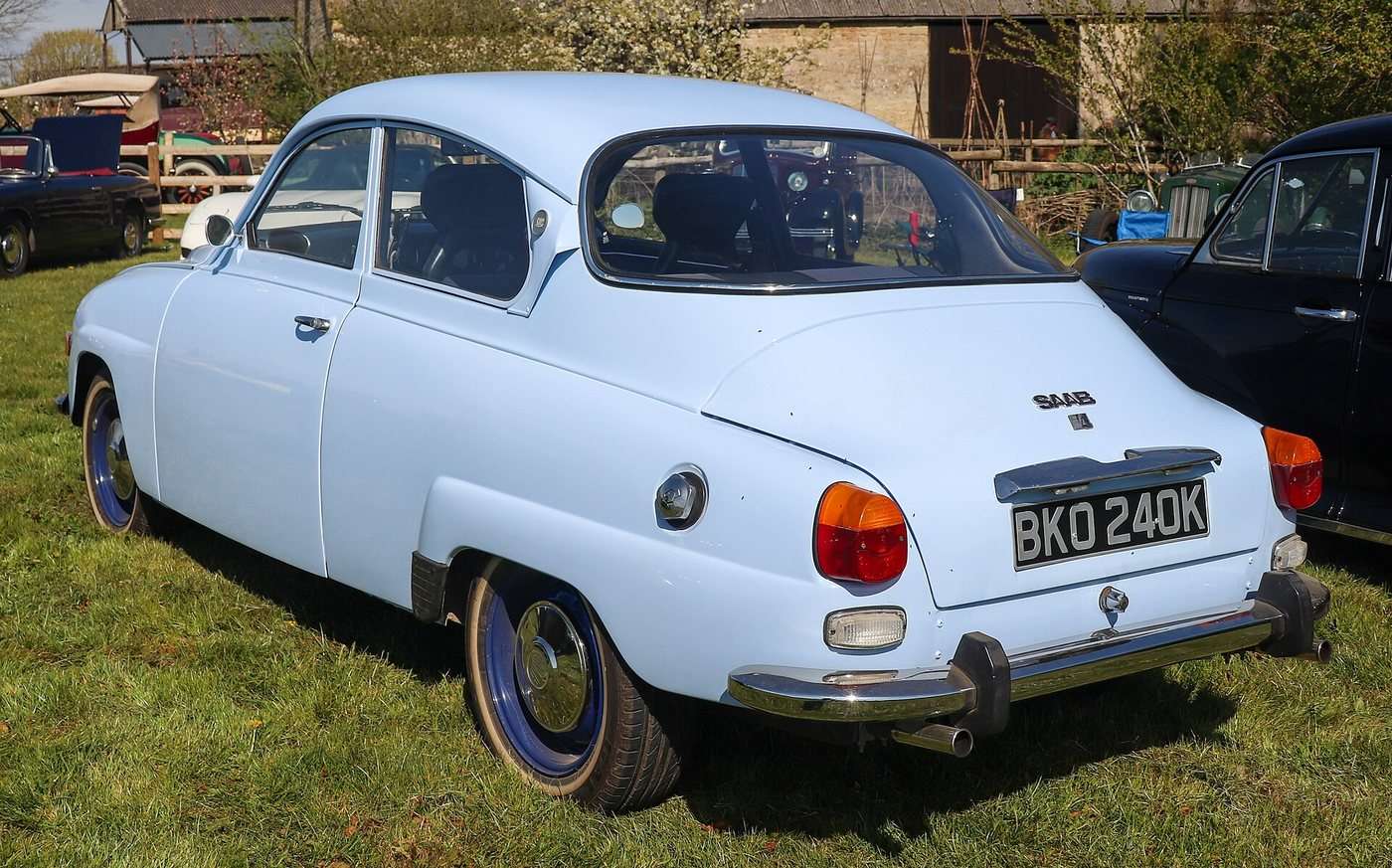
The two-stroke Saab 96
Announced in February 1960, the 96 developed the earlier Saab 93 with a substantially redesigned rear body, larger rear window, improved passenger accommodation and more luggage space. Its 841cc three-cylinder two-stroke engine produced modest road-car power but gave the lightweight front-wheel-drive car a distinctive sound and eager response.
Two-stroke ownership requires a different mindset. Lubrication arrangements, fuel mixture, ignition timing and freewheel operation must be understood rather than treated like those of a conventional four-stroke classic. Correctly maintained cars are rewarding; badly adjusted ones can be difficult and vulnerable to engine damage.
Why Saab adopted the Ford V4
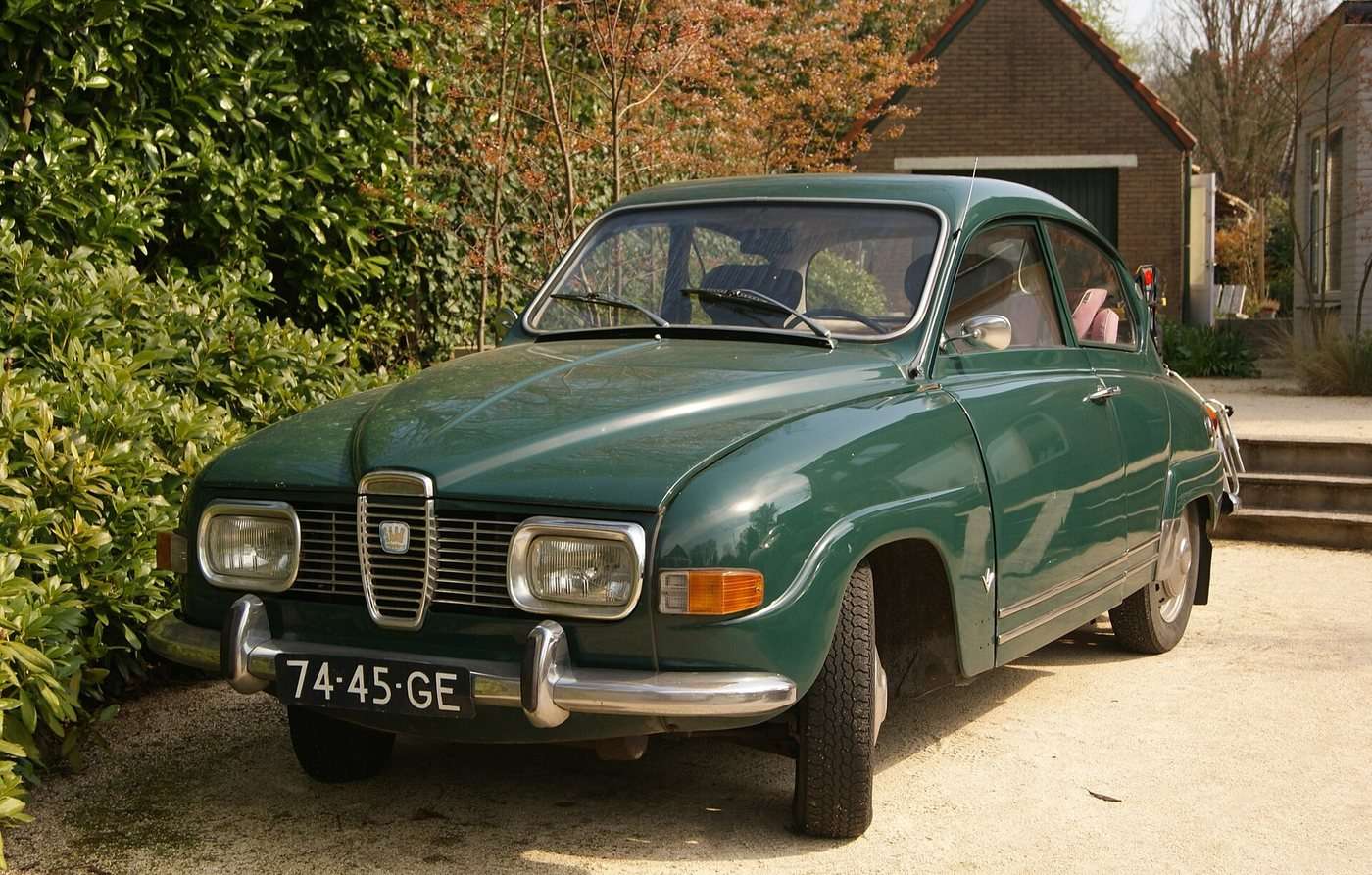
Changing emissions expectations and buyer preferences made a four-stroke engine necessary. Saab installed Ford’s compact 1,498cc V4 for the 1967 model year. It initially produced about 65hp and gave the 96 more flexible everyday performance without requiring a completely new body.
The V4 did not immediately replace the two-stroke in every market, but it quickly became the mainstream choice. Saab continued refining the 96 with safety, lighting, braking and interior changes. Finnish production at Uusikaupunki supplemented Swedish assembly and eventually became the model’s final home.
| Version | Engine | Key character |
|---|---|---|
| 1960–66 96 | 841cc three-cylinder two-stroke | Light, distinctive and historically important |
| Early 96 V4 | 1.5-litre Ford V4 | More flexible road performance |
| Late V4 / 96L | V4 with continuing detail revisions | Improved equipment and easier regular use |
| Competition cars | Specially prepared two-stroke or V4 | Rally provenance must be documented |

Love cars you don’t see every day?
Get forgotten cars, surprising motoring stories and the most interesting finds from Unusual Cars by email.
Free to join. No spam. Unsubscribe whenever you like. See our privacy policy.
Rally success and Erik Carlsson
The 96’s rally reputation is inseparable from Erik Carlsson. Its traction, compact dimensions and ability to maintain momentum made it formidable on snow, loose surfaces and narrow roads. Major international successes established Saab’s engineering credibility far beyond Sweden and helped turn an unusual small car into a recognised competition weapon.
Road cars are sometimes modified to resemble works rally machines. Period-style equipment can be appealing, but it should not be confused with documented competition history. Chassis numbers, period records and continuous provenance matter more than lamps, stripes or replica dashboards.
Saab 96 buying guide
Structure and corrosion
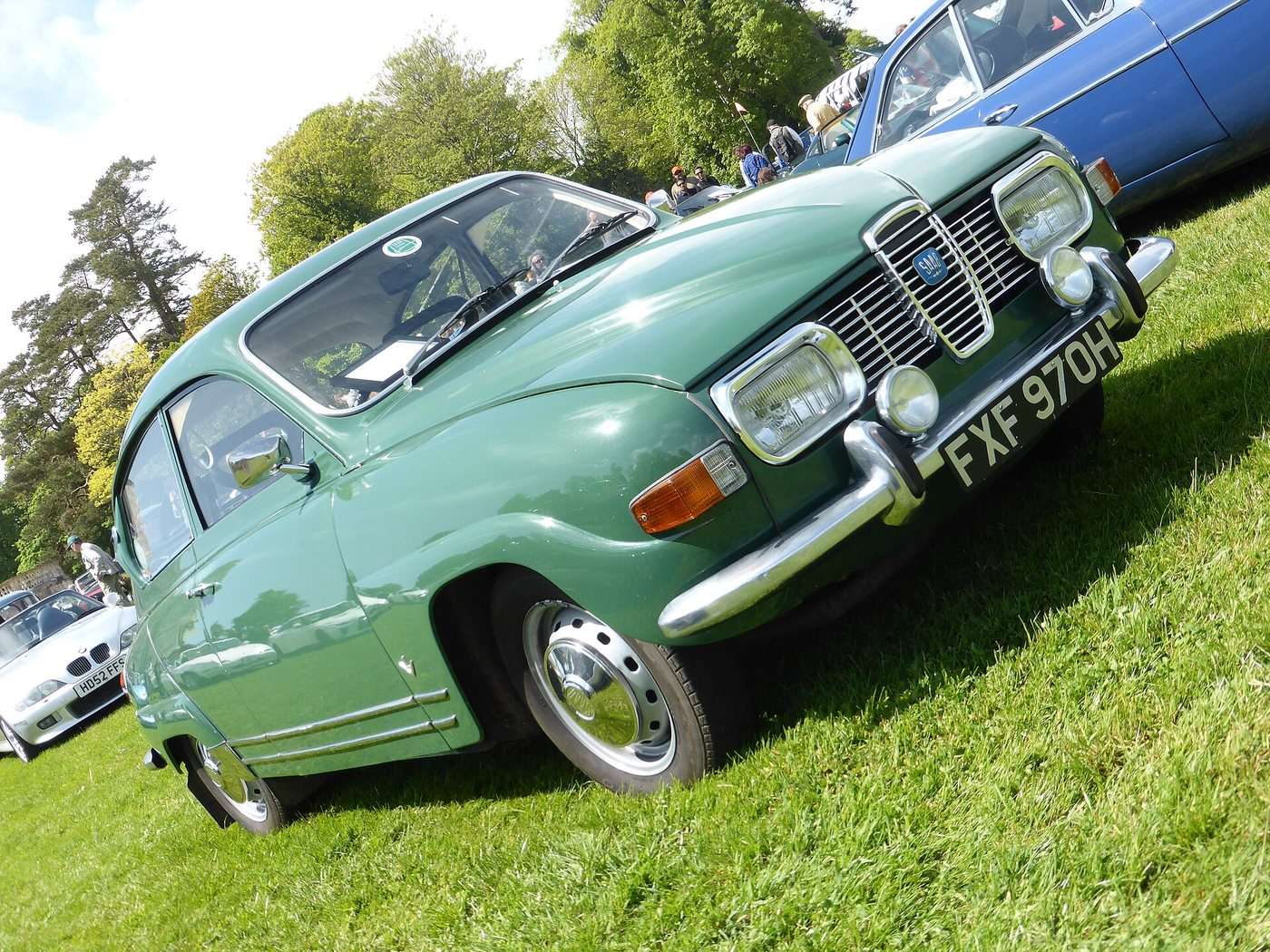
Inspect the floors, sills, suspension mounting areas, bulkhead, inner wings, wheelarches and the seams around the front and rear body. Previous patch repairs can hide more extensive deterioration. A solid body is generally more valuable than a cosmetically bright car with uncertain structure.
Two-stroke engine
Confirm how lubrication is supplied and whether the owner understands the correct oil and mixture. Listen for abnormal mechanical noise, check starting from cold and hot, and assess cooling. Specialists can interpret smoke and sound far better than a buyer familiar only with four-stroke engines.
V4 engine and cooling
The Ford V4 is robust when maintained, but timing gears, cooling condition, carburettor wear, oil leaks and neglected ignition can create problems. Look for stable temperature, good oil pressure, clean acceleration and evidence of regular servicing.
Transmission and freewheel
Check every gear, listen for bearing noise and make sure the column change is positive. Understand the freewheel control and test it safely. Transmission repairs require model knowledge, so whining, jumping out of gear or a vague selection mechanism deserve investigation.
Originality and parts
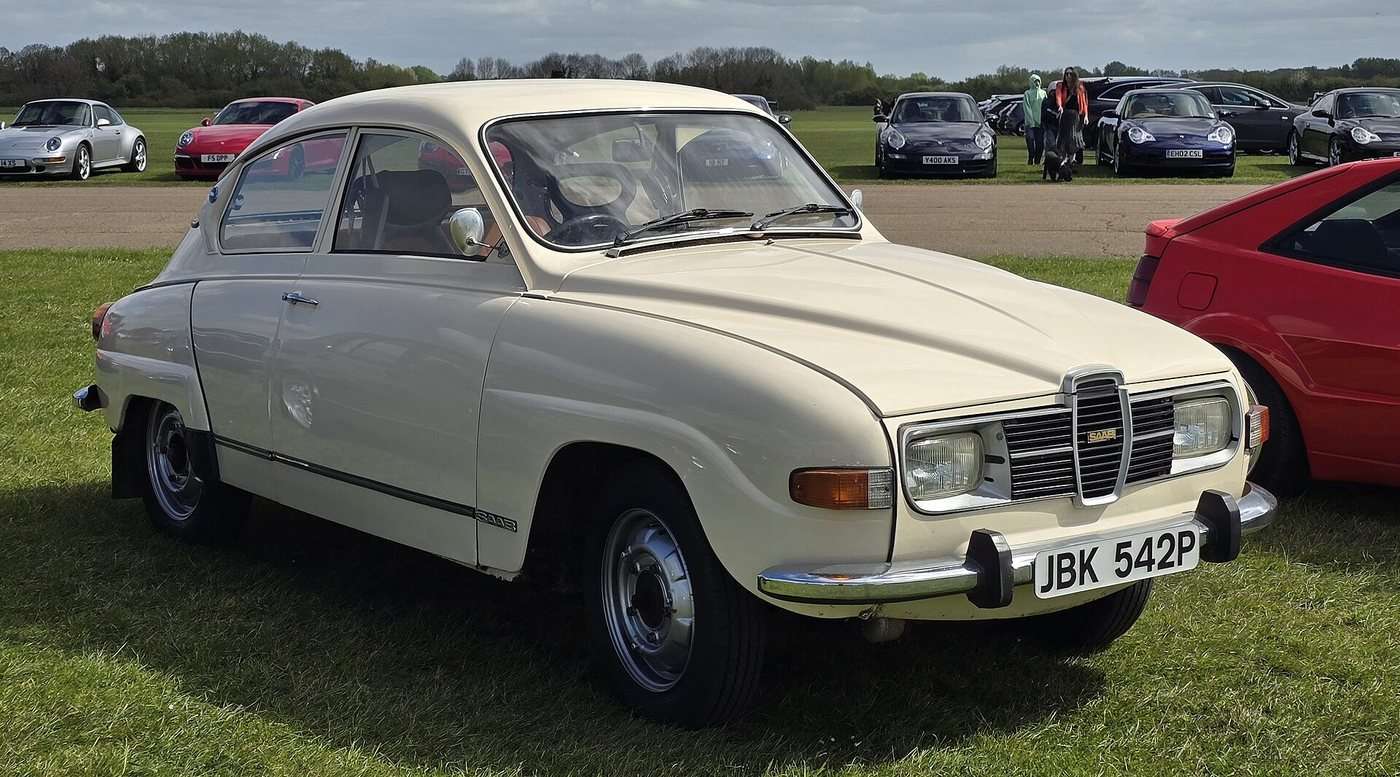
Bumpers, grilles, lamps, hubcaps, dashboard pieces and interior trim vary across the long production run. Identify the model year before pricing missing pieces. Mechanical service parts are supported by specialists, but correct cosmetic components can take time to find.
Continue the Saab story
Return to the Rare & Performance Saabs hub, discover the related Saab Sonett sports cars, or follow the later turbo story through the Saab 99 Turbo.
Research sources
- SaabMuseum.com: Saab 96 history
- SaabMuseum.com: Saab 96 V4 history
- SaabMuseum.com: Saab 96 technical specification
Frequently asked questions
When was the Saab 96 built?
The Saab 96 was introduced in 1960. V4 production ended in Finland on 8 January 1980.
What engine is in a Saab 96?
Early cars use an 841cc three-cylinder two-stroke engine. Saab introduced the Ford 1.5-litre V4 for the 1967 model year.
Is the Saab 96 front-wheel drive?
Yes. Both two-stroke and V4 versions drive the front wheels.
Why is the Saab 96 famous in rallying?
Its traction, light weight and durability helped drivers including Erik Carlsson achieve important international results.
What should be checked before buying a Saab 96?
Structural corrosion, correct model identity, transmission and freewheel operation, cooling and the availability of missing trim are the main priorities.