UNUSUAL CARS MODEL GUIDE
The Saab Sonett was the company’s most concentrated attempt to turn its compact front-wheel-drive engineering into a lightweight sports car. Across the rare Sonett II, V4 and sharply styled Sonett III, fibreglass bodywork and familiar Saab mechanical parts produced something unlike any conventional British, Italian or German coupé.
From experimental Sonett to Saab 97
The first 1956 Sonett Super Sport was an experimental lightweight roadster, unofficially called the Saab 94. Only six were built. A later programme based on the MFI13 prototype created the Saab 97, or Sonett II, displayed in 1966 and assembled in very small numbers.
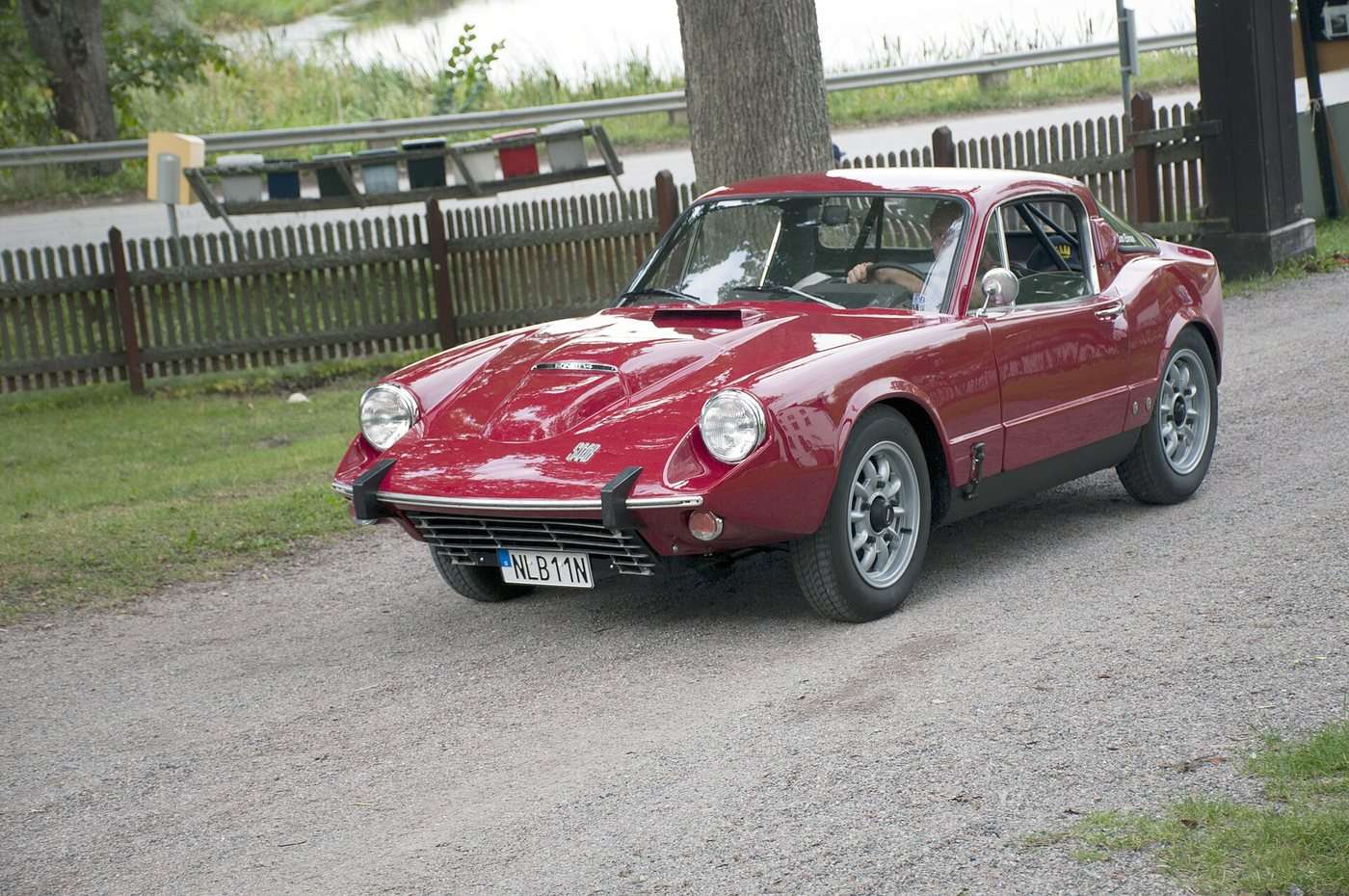
The Sonett II used a fibreglass body and a forward-tilting front section for exceptional mechanical access. Its three-cylinder two-stroke engine was related to the unit used in Saab’s sporting 96 derivatives and gave the small coupé an unmistakable sound and character.

Sonett V4
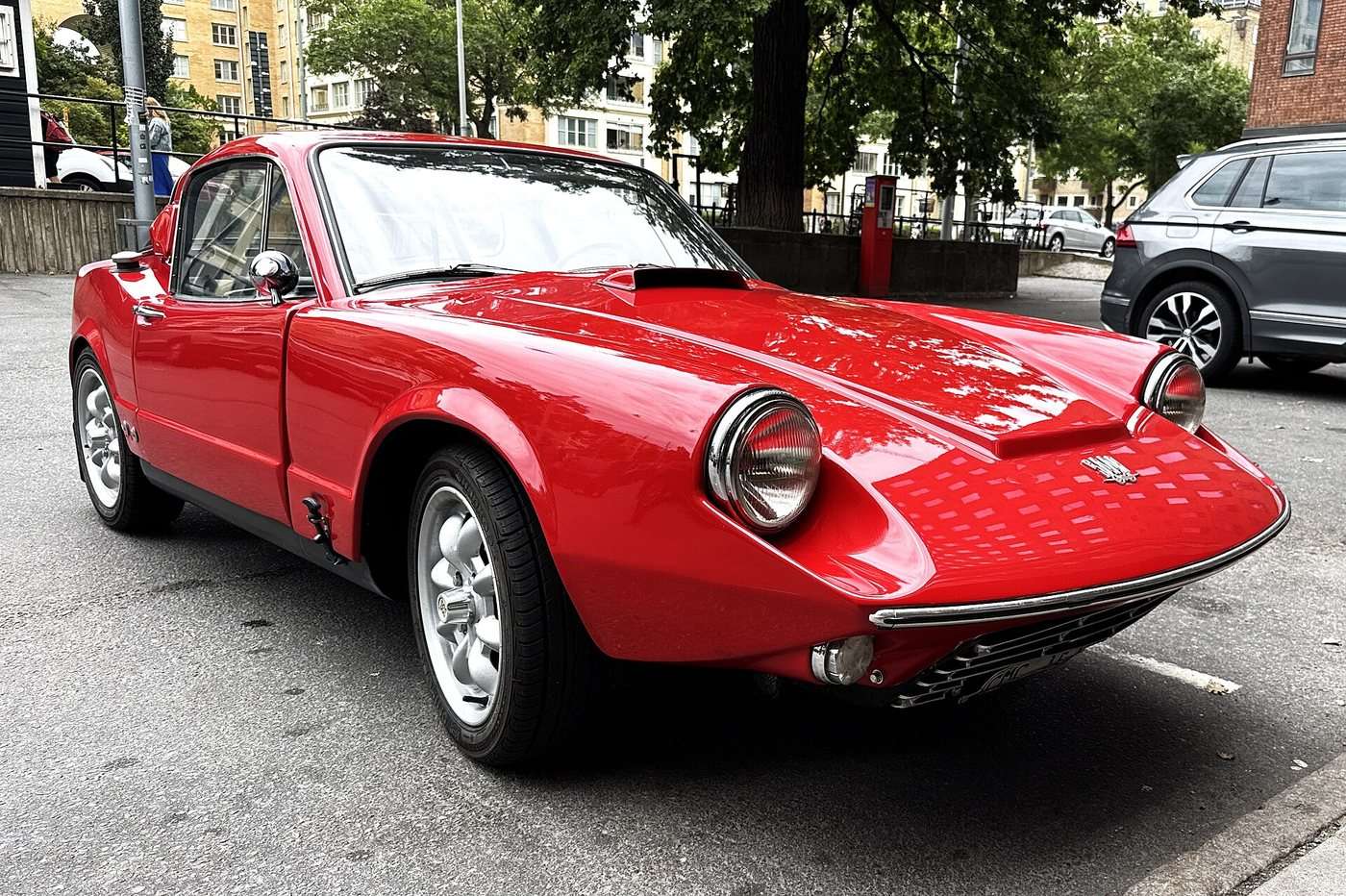
Saab’s adoption of the Ford V4 for the 96 also changed the sports car. Installing the taller four-stroke engine required a prominent bonnet bulge, and the resulting Sonett V4 was less delicate visually but easier to use in markets moving away from two-strokes.
Because the mechanical package remained closely connected to Saab’s saloon range, the Sonett did not chase power through exotic engineering. Its appeal came from low weight, compact dimensions, front-wheel-drive traction and rarity.
| Version | Years | Defining feature |
|---|---|---|
| Sonett II | 1966–67 | Two-stroke engine and extremely low production |
| Sonett V4 | 1967–69 | Ford V4 and bonnet bulge |
| Sonett III | 1970–74 | Coggiola-influenced styling and glass tailgate |
Love cars you don’t see every day?
Get forgotten cars, surprising motoring stories and the most interesting finds from Unusual Cars by email.
Free to join. No spam. Unsubscribe whenever you like. See our privacy policy.
Sonett III: Swedish engineering, Italian influence
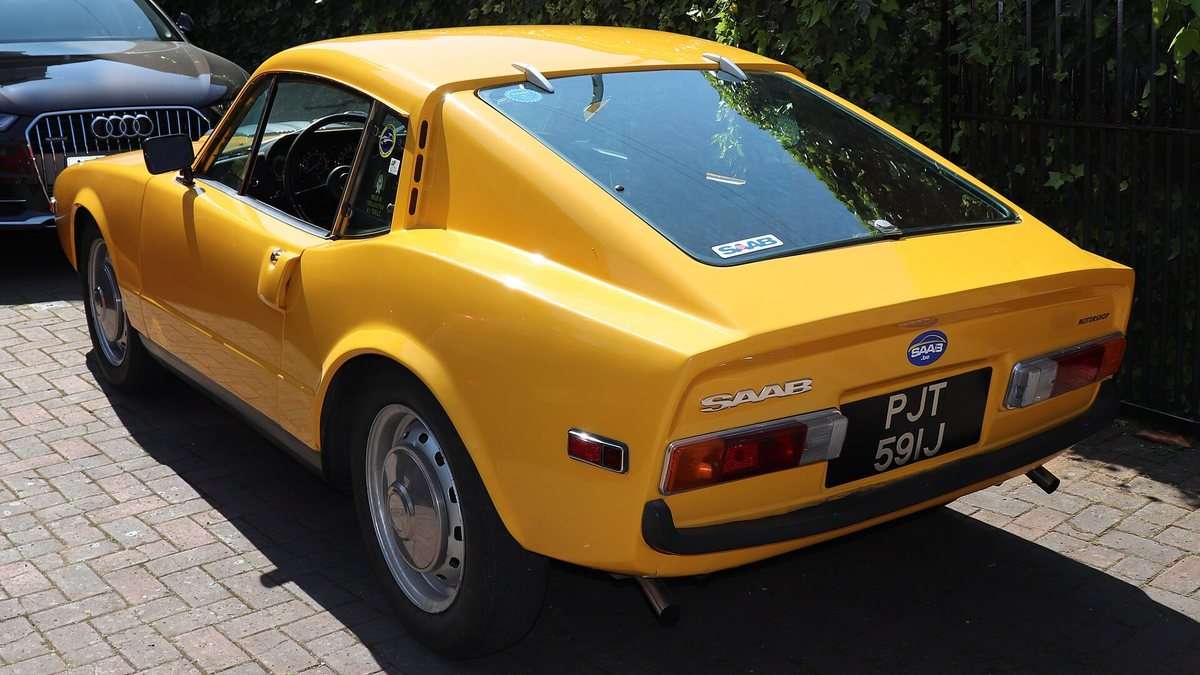
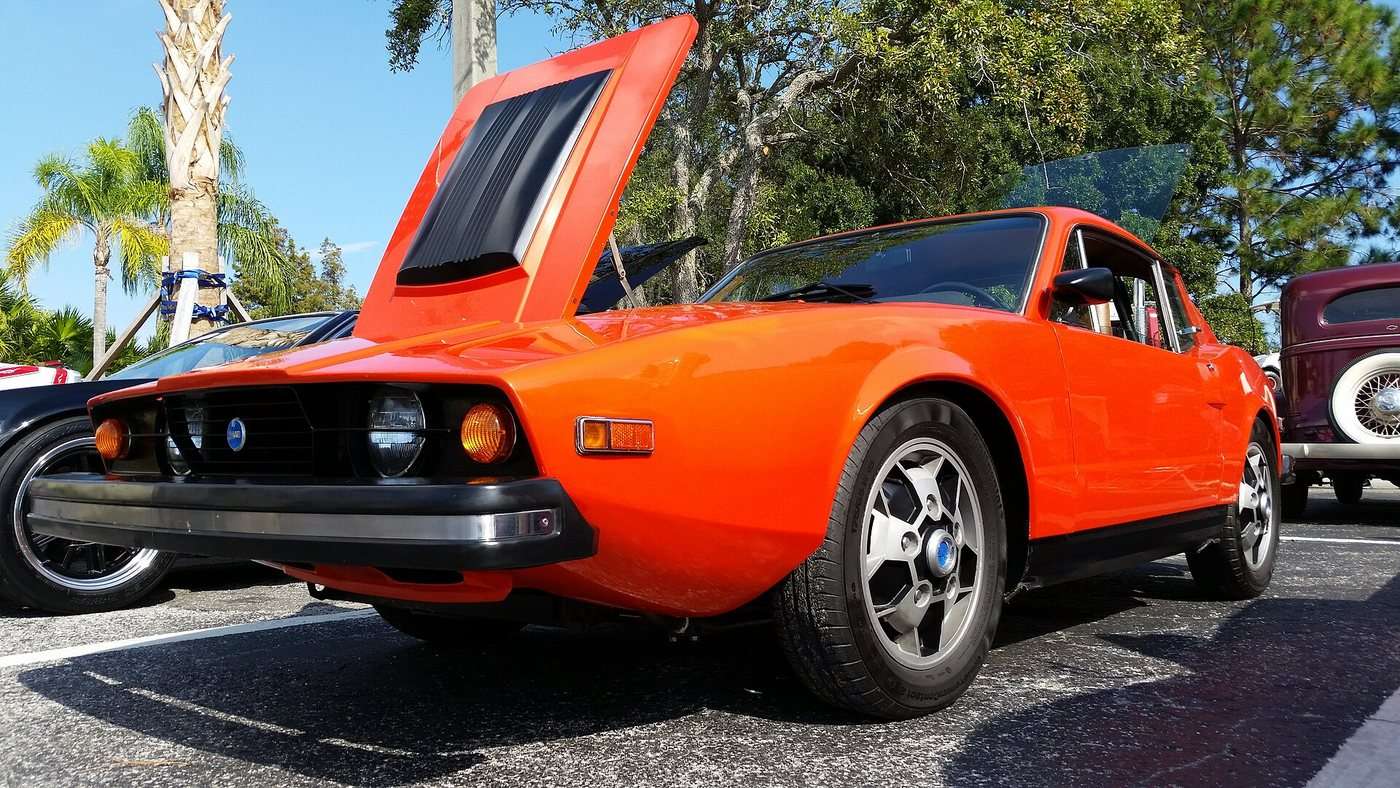
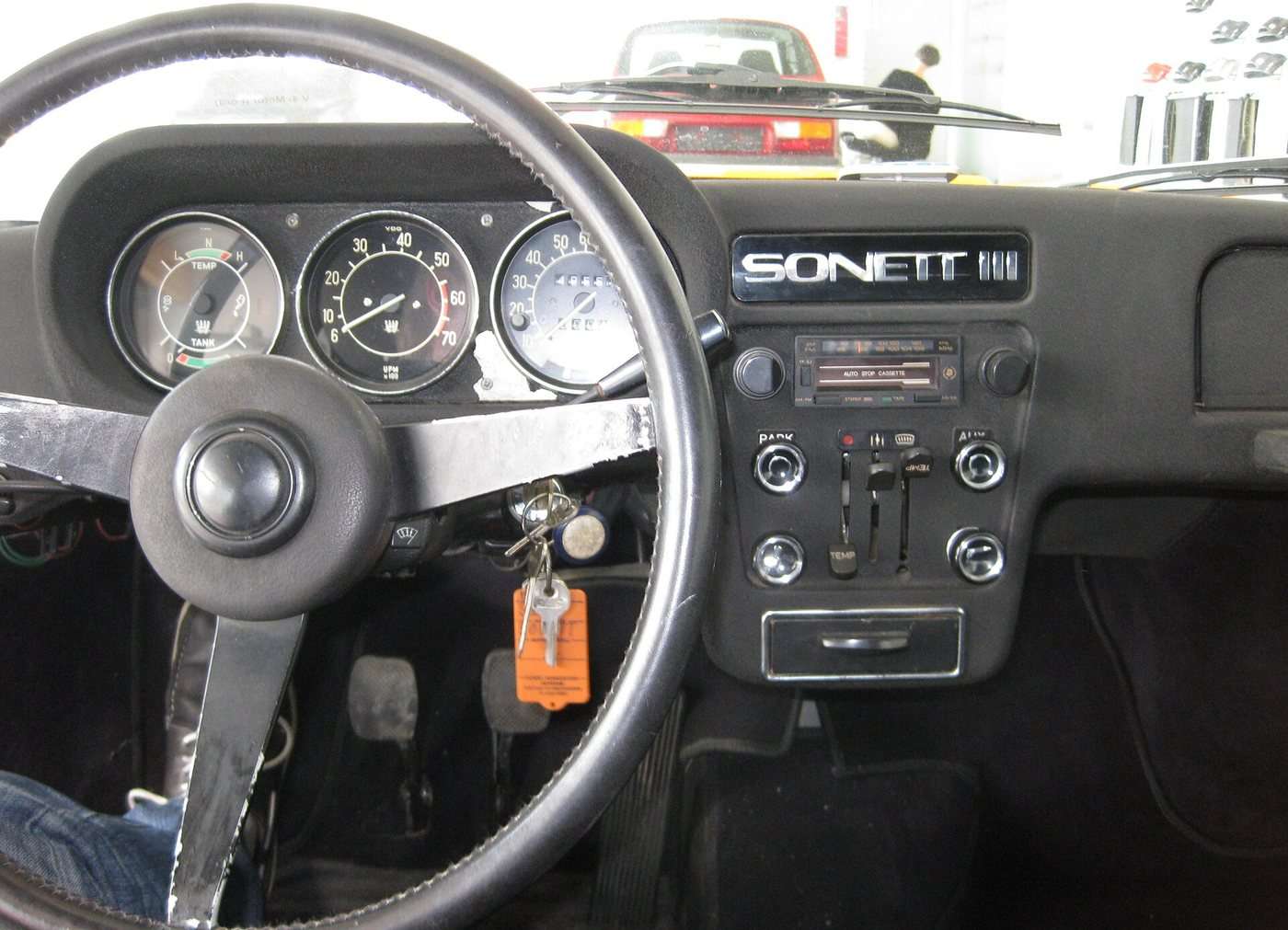
Saab commissioned Italian stylist Sergio Coggiola to revise the V4 car. Gunnar A. Sjögren adapted the proposal for production, creating the Sonett III. It appeared in spring 1970 with a lower nose, pop-up headlamps and a practical glass tailgate. Engine access was now through a smaller bonnet panel rather than the earlier one-piece front.
The final design looked more conventional than the Sonett II but remained technically distinctive. North America was its principal market, so surviving cars in Britain and Europe may be imports whose specification, lighting and paperwork require careful checking.
Saab Sonett buying guide
Chassis and fibreglass body
Fibreglass does not rust, but the structure beneath it can corrode. Inspect the floor, suspension mounts, chassis sections, bulkhead and attachment points. Look for crazing, cracking, distortion, poor panel alignment and repairs that hide accident damage.
Engine and cooling
Two-stroke cars demand specialist knowledge of lubrication, fuel supply and ignition. V4 cars need checks for cooling, timing-gear condition, carburettor wear and oil leakage. Either engine should start cleanly, hold temperature and run without alarming mechanical noise.
Gearbox, freewheel and controls
Test the column change, every ratio and the freewheel mechanism. Worn linkages can feel imprecise, while transmission noise or gear disengagement can indicate expensive internal work.
Sonett-specific parts
Windscreens, lamps, bumpers, hinges, interior fittings, seats and model-specific exterior pieces are much harder to replace than routine service parts. An incomplete project may cost more to finish than a running car with a sound body and correct trim.
Identity and history
Production differences between II, V4 and III are fundamental. Confirm the chassis number and compare the car with the correct model-year specification. Claims of unusual history or rarity should be supported by continuous documentation.
Continue the Saab story
Return to the Rare & Performance Saabs hub, compare the mechanical roots in the Saab 96, or move into the turbo era with the Saab 99 Turbo.
Research sources
- SaabMuseum.com: original Sonett history
- SaabMuseum.com: Sonett II and V4 history
- SaabMuseum.com: Sonett III history
Frequently asked questions
How many versions of the Saab Sonett were made?
The main production families are the Sonett II, Sonett V4 and Sonett III, preceded by six experimental Sonett Super Sport cars.
Is the Saab Sonett front-wheel drive?
Yes. The Sonett uses Saab front-wheel-drive mechanical architecture.
What engine does a Saab Sonett use?
The Sonett II used a three-cylinder two-stroke engine, while the Sonett V4 and Sonett III used Ford V4 power.
Who designed the Saab Sonett III?
Sergio Coggiola produced the redesign proposal, which Saab designer Gunnar A. Sjögren adapted for production.
What is the biggest Saab Sonett buying risk?
Corrosion in the structure beneath the fibreglass body and missing Sonett-specific components can make restoration extremely expensive.