UNUSUAL CARS MODEL GUIDE
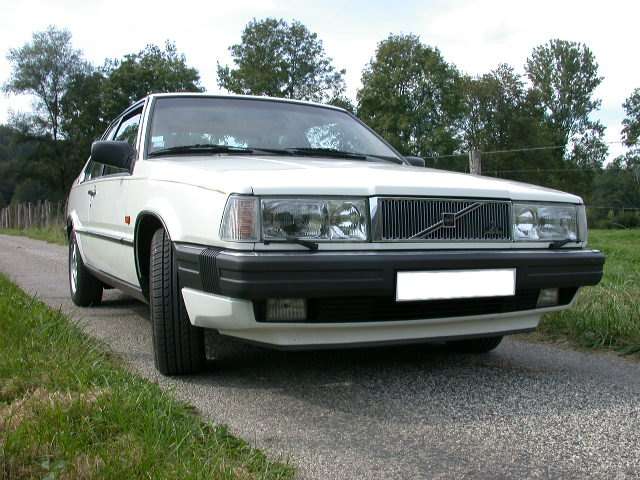
The Volvo 780 Bertone was a two-door luxury flagship that placed Italian-built bodywork over Volvo 700-series engineering. Cleaner and more conventional than the earlier 262C, it combined restrained coupé styling with engines ranging from the PRV V6 to turbocharged four- and six-cylinder units.
Quick answer: Volvo unveiled the 780 at the 1985 Geneva motor show and production continued into the early 1990s. Bertone built the cars in Turin. Specifications varied widely by market, so a 780 must be identified by engine, transmission and production year rather than appearance alone.
A new Bertone-built Volvo coupe
The 780 followed the 262C but was designed as a distinct body rather than a visibly altered saloon shell. Its lower waist, thin pillars, long doors and carefully integrated brightwork gave it a more balanced profile.
Bertone handled construction and the highly trimmed interior. Volvo positioned the car as an exclusive grand tourer above the 760, with price and volume reflecting its specialist manufacture.
Engines and market differences
European cars could use petrol or diesel engines, while North America initially received the PRV V6 and later turbocharged four-cylinder power. Outputs, emissions equipment and transmissions differ, and published specifications should never be applied across every car.
Later turbo models answered criticism that the heavy coupe lacked urgency. Some versions received Volvo Turbo+ boost control, while suspension development also improved the car during its life.
Independent rear suspension and cabin
Later 780s adopted Volvo multi-link independent rear suspension, improving ride and wheel control compared with the earlier live-axle arrangement. The system adds bushes and self-levelling components that require careful inspection.
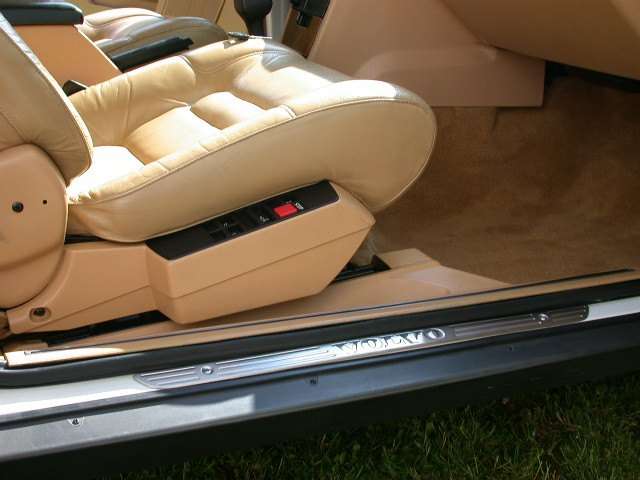
The cabin is central to the 780 experience: shaped seats, wood, leather, extensive electrical adjustment and model-specific panels create its luxury atmosphere but also its restoration risk.

Why the 780 remains overlooked
The 780 was expensive, rare and never as overtly sporting as German coupes. That limited its fame, yet its combination of Italian manufacture, Swedish engineering and varied drivetrains makes it unusually rich material for collectors.
Condition and documentation dominate value. A complete V6 or turbo car with its original interior is preferable to a superficially cheaper example missing irreplaceable trim.

Love cars you don’t see every day?
Get forgotten cars, surprising motoring stories and the most interesting finds from Unusual Cars by email.
Free to join. No spam. Unsubscribe whenever you like. See our privacy policy.
Buying guide
Body and corrosion
Inspect sills, floors, wheelarches, screen surrounds, door bottoms and previous repairs. Long doors must align correctly and close without dropping.
Engine identification
Confirm the exact engine code and research its specific service needs. Check cooling, oil pressure, belts or chains, turbo system and emissions equipment as applicable.
Transmission and rear suspension
Test automatic or manual operation when hot. Inspect multi-link bushes, self-levelling dampers, differential mounts and tyre wear.
Electrical systems
Operate seat motors, climate control, windows, mirrors, lights, instruments and central locking. Repairing several minor failures can become costly.
Bertone interior and glass
Check leather, wood, headlining, switches, seals, lamps and glass for completeness before agreeing a price.

Research sources
Continue the Volvo story
Return to the Rare & Performance Volvos hub, then compare the Volvo 262C Bertone guide and the 740 and 940 Turbo guide.
Frequently asked questions
Who built the Volvo 780?
Bertone constructed the 780 in Turin using Volvo mechanical components and specifications.
When was the Volvo 780 launched?
Volvo presented it at the 1985 Geneva motor show.
Did every Volvo 780 use a V6?
No. Engine availability varied by market and included PRV V6, turbocharged four-cylinder and diesel versions.
Is the Volvo 780 rear-wheel drive?
Yes. It belongs to Volvo’s longitudinal-engine rear-wheel-drive 700-series family.
What is the main buying risk?
Missing Bertone-specific trim and neglected electrical, cooling or rear-suspension systems can make restoration disproportionately expensive.