UNUSUAL CARS MODEL GUIDE
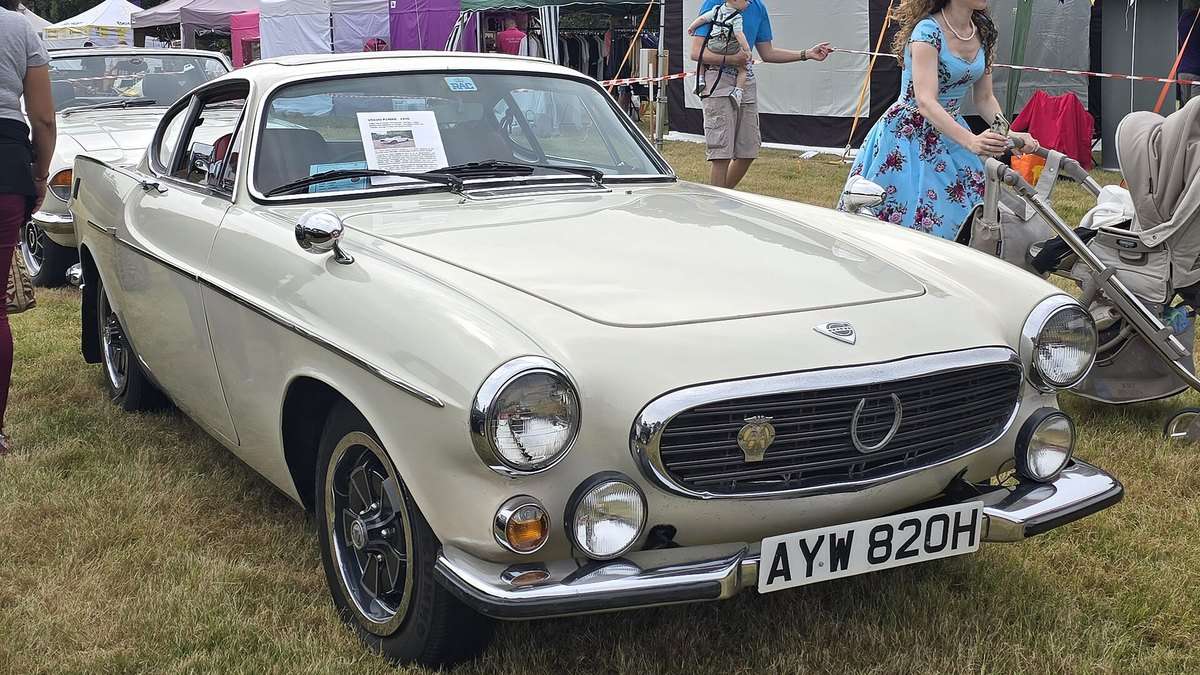
The Volvo P1800 and 1800ES gave a company known for solid saloons one of the most distinctive sporting shapes of the 1960s and early 1970s. The coupe combined Italian-influenced styling, Swedish mechanical durability and a complicated Anglo-Swedish production story; the later ES turned the same idea into a glass-tailed sporting estate.
Quick answer: production began in 1961 with bodies made by Pressed Steel and cars assembled by Jensen in Britain. Volvo moved final production to Sweden in 1963 after about 6,000 cars. Fuel injection arrived with the 1800E, while the 1800ES was built for the 1972 and 1973 model years.
How the P1800 reached production
Volvo had tried a small sporting model before, but the open P1900 was short-lived. The next attempt had to be attractive enough for export while using dependable production components. Pelle Petterson created the winning shape while working at Pietro Frua’s studio, although the design’s Swedish authorship was not widely publicised at first.
Volvo lacked spare body capacity, so the early production chain crossed Britain. Pressed Steel built the shells in Scotland and Jensen assembled the cars in West Bromwich. Quality and logistics disappointed Volvo, and production moved to Lundby in Gothenburg during 1963. The revised badge became 1800S, with the S signifying Sweden.

Engines, injection and the 1800E
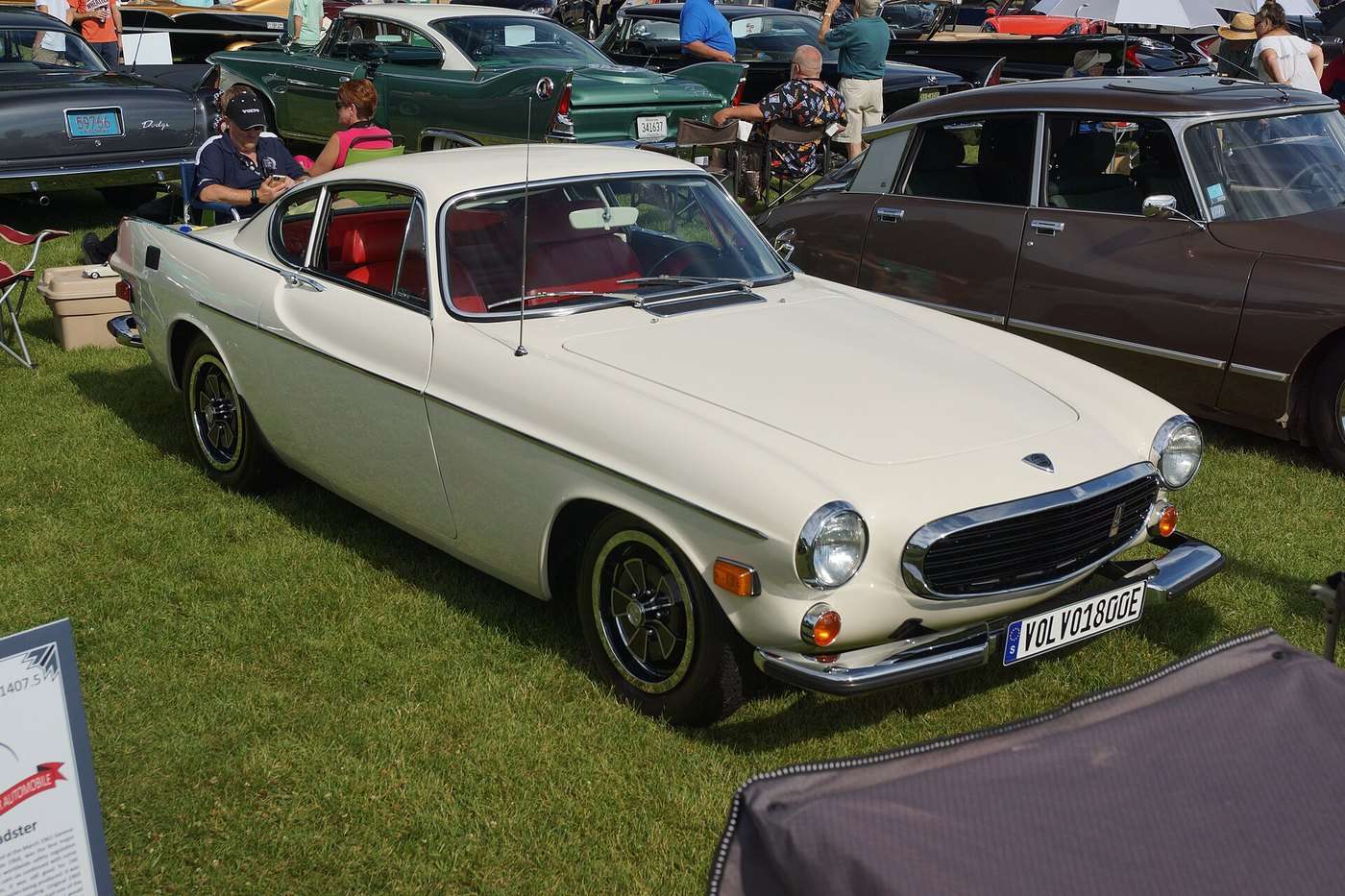
Early cars used Volvo’s B18 four-cylinder engine and twin carburettors. The mechanical specification was deliberately conservative, which made the car more a durable grand tourer than a fragile exotic. Power increased through the 1960s, and the larger B20 engine appeared before electronic fuel injection created the 1800E.
The E brought Bosch D-Jetronic injection, four-wheel disc brakes and a more modern character. Performance improved, but originality now depends on model-year details: grilles, wheels, side trim, instruments and injection components changed throughout the run.

The Saint and an endurance legend
Roger Moore drove a white P1800 in the television series The Saint, giving Volvo an association that advertising could not have bought. The car’s other enduring story came from American owner Irv Gordon, whose 1800S accumulated more than three million miles. That achievement reflected exceptional maintenance and use, not a promise that neglected examples are indestructible.
Why the 1800ES is different
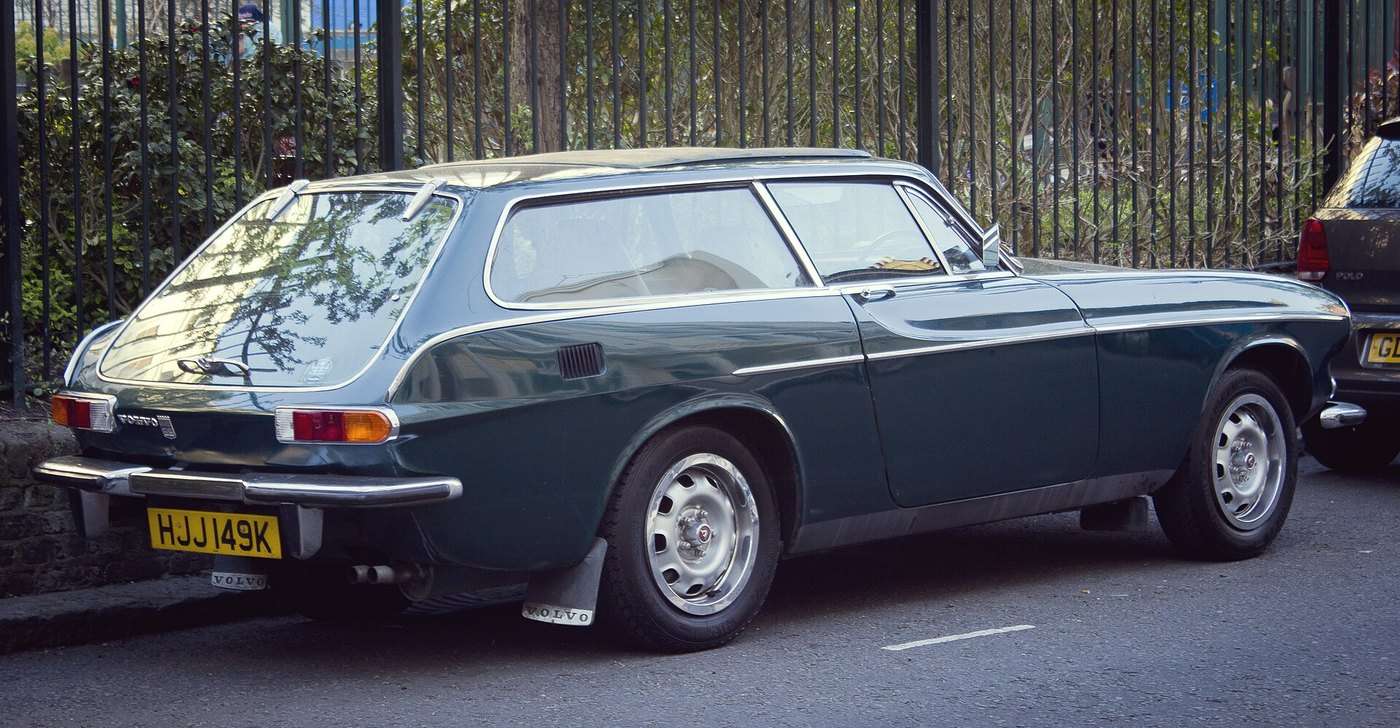
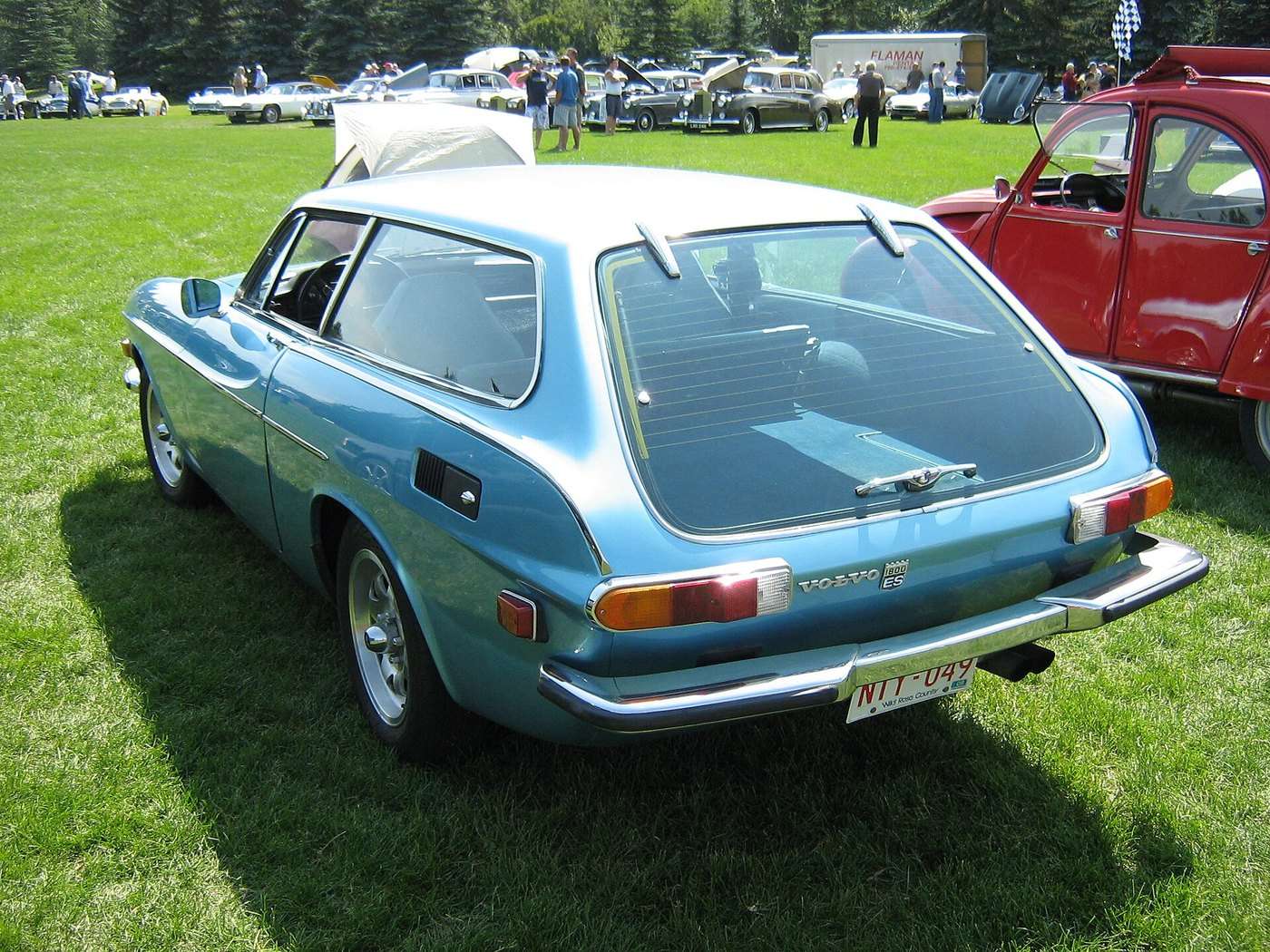
For the final phase, Volvo replaced the coupe’s roof and boot treatment with an extended roofline and a large frameless glass tailgate. The 1800ES retained two doors and the underlying mechanical package, but offered a more useful luggage area and a visual idea later echoed by the 480 and C30.
Only the 1972 and 1973 model years were produced. New American safety and emissions requirements would have demanded costly changes, and production ended in 1973.
Love cars you don’t see every day?
Get forgotten cars, surprising motoring stories and the most interesting finds from Unusual Cars by email.
Free to join. No spam. Unsubscribe whenever you like. See our privacy policy.
Volvo P1800 and 1800ES buying guide
Rust and structural repairs
Corrosion is the decisive issue. Inspect sills and inner sills, floorpans, outriggers, jacking points, front crossmember, suspension mounts, wheelarches, door bottoms, headlamp surrounds and the steering-box mounting. Decorative paint can hide extensive reconstruction, so photographs and invoices are valuable.
Engine, fuel system and cooling
The B18 and B20 engines are robust when serviced, but check oil pressure, smoke, coolant condition, timing-gear noise and crankcase breathing. Carburettor cars need balanced, unworn units. On injected E and ES models, originality and condition of the D-Jetronic wiring, sensors and fuel system matter.
Gearbox, overdrive, axle and brakes
Most cars use a manual gearbox with electric overdrive. Confirm that it engages cleanly when hot and does not slip. Listen for axle noise and inspect universal joints. Brake condition depends on version, and seized calipers or neglected flexible hoses are common age-related work.
Trim and identity
Chrome, glass, dashboards and model-specific interior pieces can cost more than routine mechanical parts. Match chassis number, engine, body details and paperwork. The earliest Jensen-built cars and the final ES have different values, but condition and authenticity remain more important than a badge.
Research sources
- Volvo Cars: P1800 history
- Volvo Cars: 1800ES history
- Classics World P1800 buyer’s guide
- Autocar used P1800 guide
Continue the Volvo story
Return to the Rare & Performance Volvos hub, then compare the Volvo 480 Turbo guide and Volvo 850 T-5R guide.
Frequently asked questions
Who designed the Volvo P1800?
Pelle Petterson designed the car while working at Pietro Frua's studio.
Where were early P1800s built?
Pressed Steel built the bodies in Scotland and Jensen assembled early cars in England before production moved to Sweden.
What is the difference between an 1800S and 1800E?
The 1800E added Bosch electronic fuel injection and four-wheel disc brakes, alongside later styling and equipment changes.
Was the 1800ES an estate?
It was a two-door sporting estate or shooting brake with a large frameless glass tailgate.
What is the main P1800 buying risk?
Structural corrosion and poorly executed repairs are the most important risks, followed by incomplete trim and neglected fuel or overdrive systems.