UNUSUAL CARS MODEL GUIDE
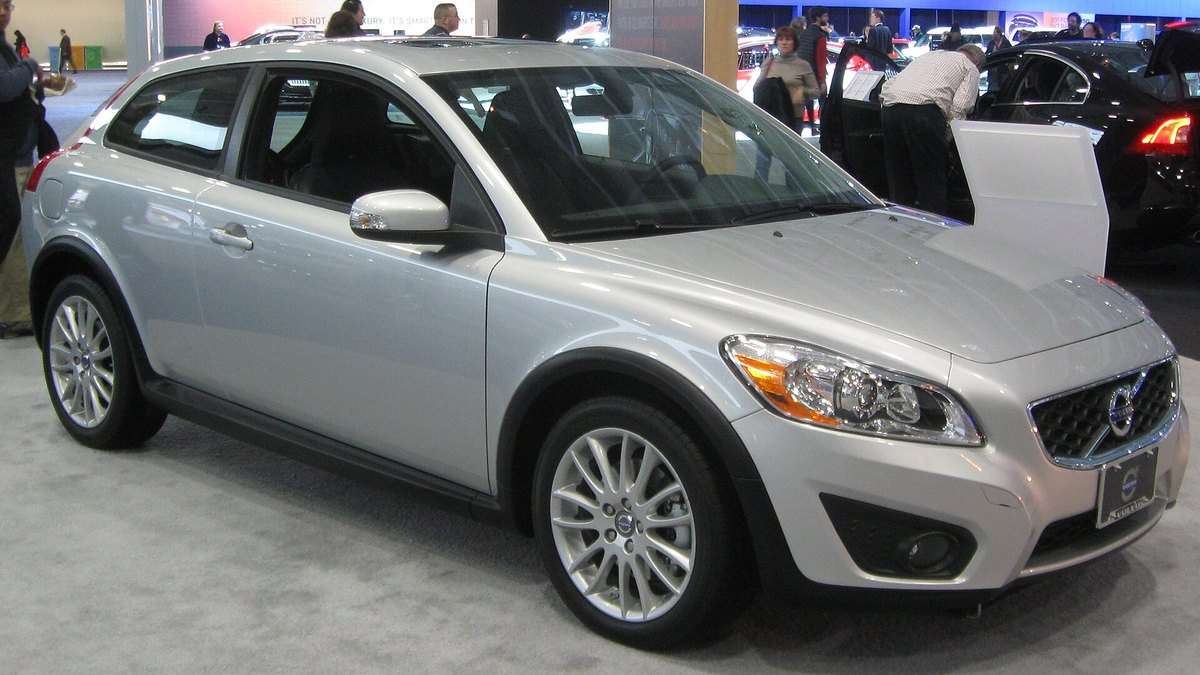
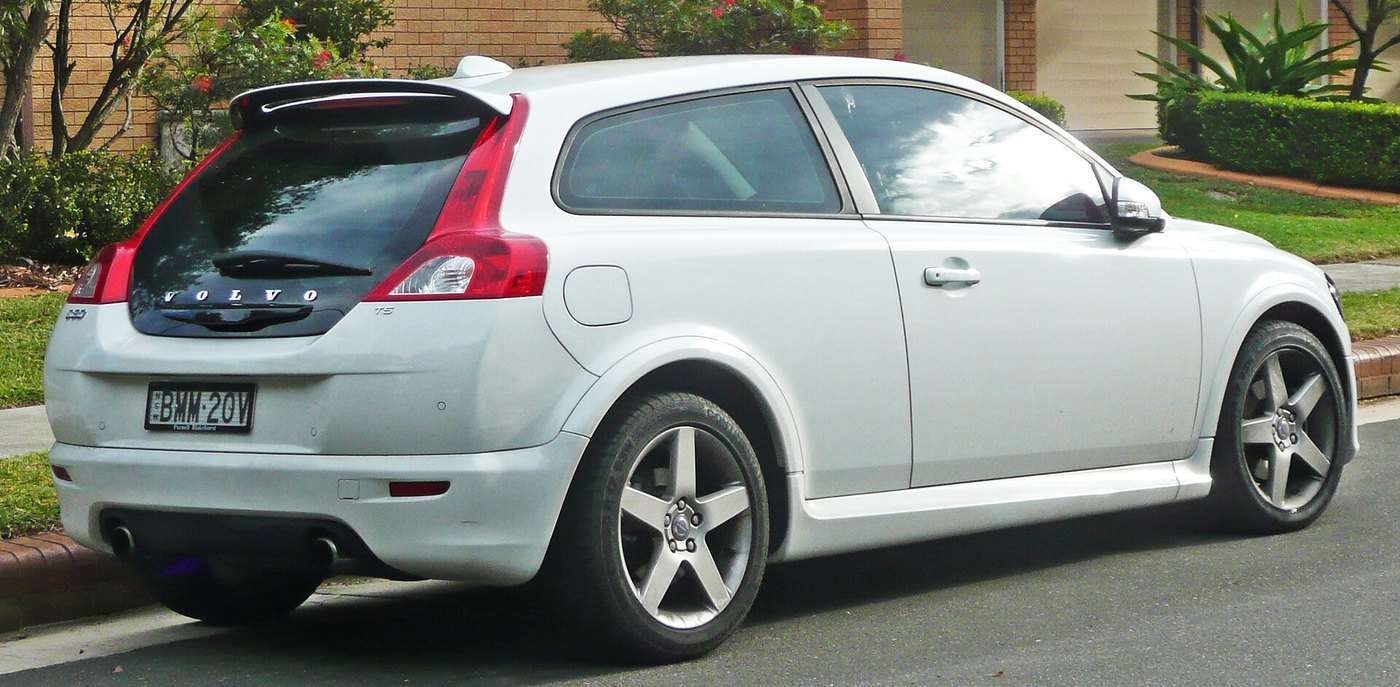
The Volvo C30 T5 is the fastest regular version of Volvo’s compact three-door hatchback. Its turbocharged five-cylinder engine, short body and glass tailgate gave it an identity quite unlike the conventional premium hatchbacks it competed against.
Quick answer: the production C30 appeared for 2007 and shared its platform with the S40 and V50. In 2010 form Volvo quoted 230bhp and 320Nm for the T5, with a six-speed manual or five-speed Geartronic automatic. The facelift arrived for 2010 with a more expressive nose.
From SCC concept to production C30
The 2001 Safety Concept Car previewed both Volvo’s compact platform thinking and a glass-hatch silhouette inspired by the 1800ES. The production C30 retained four individual seats, broad shoulders and an almost frameless rear window. It was aimed at younger buyers but avoided imitating a normal five-door family hatch.
Underneath, the C30 used the Ford-era compact architecture also found beneath the Volvo S40 and V50, Ford Focus and Mazda 3. Shared components improved serviceability, while Volvo’s body, cabin and five-cylinder engines supplied the character.

The T5 engine and performance
The T5 uses a transverse 2.5-litre turbocharged inline-five. Volvo’s 2010 data lists 230bhp and 320Nm, enough for strong mid-range acceleration and the offbeat exhaust note that became a signature of fast Volvos. Market, model year and emissions specification affect exact outputs.
The six-speed manual gives the most direct involvement. The five-speed Geartronic suits the car’s relaxed torque delivery but requires smooth, consistent operation and evidence of sensible maintenance. Later Polestar software was offered in some markets and should be documented rather than assumed.
R-Design and the 2010 facelift
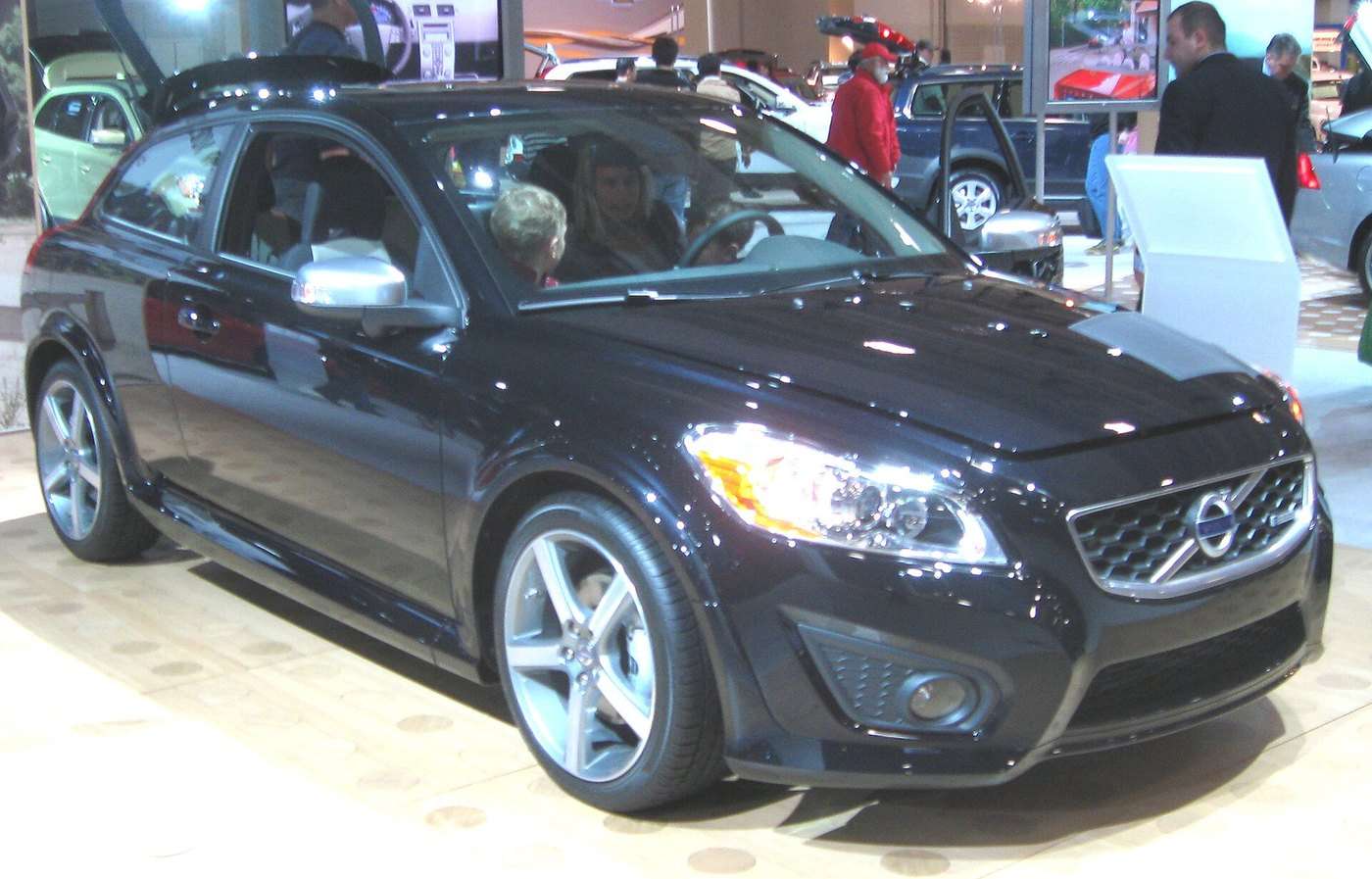
R-Design versions added visual and chassis changes rather than creating a separate engine family. Typical equipment included deeper bumpers, larger wheels, firmer suspension and distinctive cabin trim, but specifications varied between countries.
The facelift replaced the restrained original front with larger lamps and a more assertive grille. The rear glass, four-seat layout and essential proportions stayed intact, preserving the feature that makes any C30 instantly recognisable.

Cabin, practicality and everyday use
The floating centre console is one of the cabin’s best details. Rear passengers sit in two individual seats positioned slightly inward for a better view forward. The hatch aperture is wide but luggage capacity is modest, and the glass tailgate leaves belongings visible unless the correct load cover is present.
The C30 is refined enough for daily use, yet the T5’s fuel use, tyre costs and performance brakes need realistic budgeting. Original wheels and trim are often damaged, and heavily modified cars require particular scrutiny.
Love cars you don’t see every day?
Get forgotten cars, surprising motoring stories and the most interesting finds from Unusual Cars by email.
Free to join. No spam. Unsubscribe whenever you like. See our privacy policy.
Volvo C30 T5 buying guide
Timing belt, cooling and crankcase ventilation
Check the model-specific timing-belt schedule and require dated evidence. Inspect the expansion tank, hoses, radiator and thermostat operation. Excess crankcase pressure, oil leaks or smoke can point to neglected ventilation or turbo-related work.
Clutch, gearbox and driveshafts
Manual cars should pull cleanly without clutch slip or dual-mass flywheel noise. Geartronic cars need prompt engagement and smooth hot shifts. Listen for driveshaft clicks and wheel-bearing rumble under load.
Suspension, steering and brakes
Large R-Design wheels accelerate wear in tyres, bushes and dampers. Check for uneven tyre wear, broken springs, knocks and steering assistance faults. Ensure the brakes stop straight and the parking brake works properly.
Electrics, air conditioning and water
Test the climate control, information display, audio, windows, mirrors, seat functions and every warning lamp. Check carpets and the boot for damp, especially around the glass hatch and rear lamps.
Modifications and accident repairs
Many T5s have software, exhaust and suspension changes. Ask for invoices and proof that supporting maintenance kept pace. Panel gaps, paint depth and the expensive rear glass deserve careful inspection.

Research sources
- Volvo Cars: 2010 C30 specification
- Volvo Cars media archive: C30
- Honest John: Volvo C30 review and owner reports
- Parkers: used Volvo C30 review
Continue the Volvo story
Return to the Rare & Performance Volvos hub, then compare the P1800 and 1800ES guide and S60 R and V70 R guide.
Frequently asked questions
How much power does a Volvo C30 T5 have?
Volvo quoted 230bhp and 320Nm for the 2010 T5; exact figures vary by market and model year.
Is the Volvo C30 T5 a five-cylinder car?
Yes. It uses a turbocharged 2.5-litre inline-five mounted transversely.
How many seats does a Volvo C30 have?
The C30 has four individual seats rather than a conventional three-person rear bench.
What is different about a C30 R-Design?
R-Design adds model- and market-dependent styling, wheels, trim and firmer chassis settings; it is not a separate engine type.
What should be checked before buying a C30 T5?
Check timing-belt and cooling history, crankcase ventilation, clutch or automatic gearbox, suspension, brakes, electrics, water ingress and modifications.