UNUSUAL CARS MODEL GUIDE
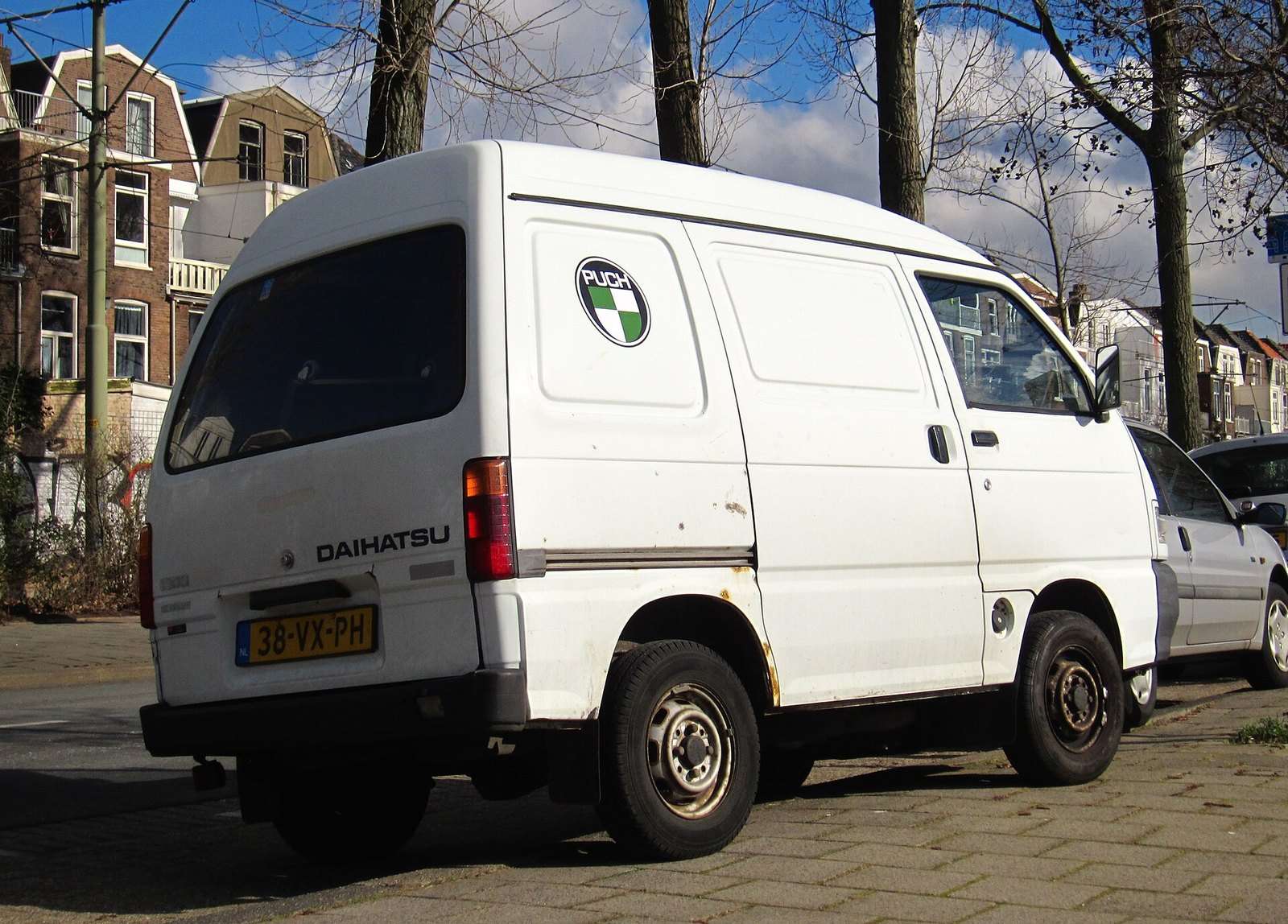
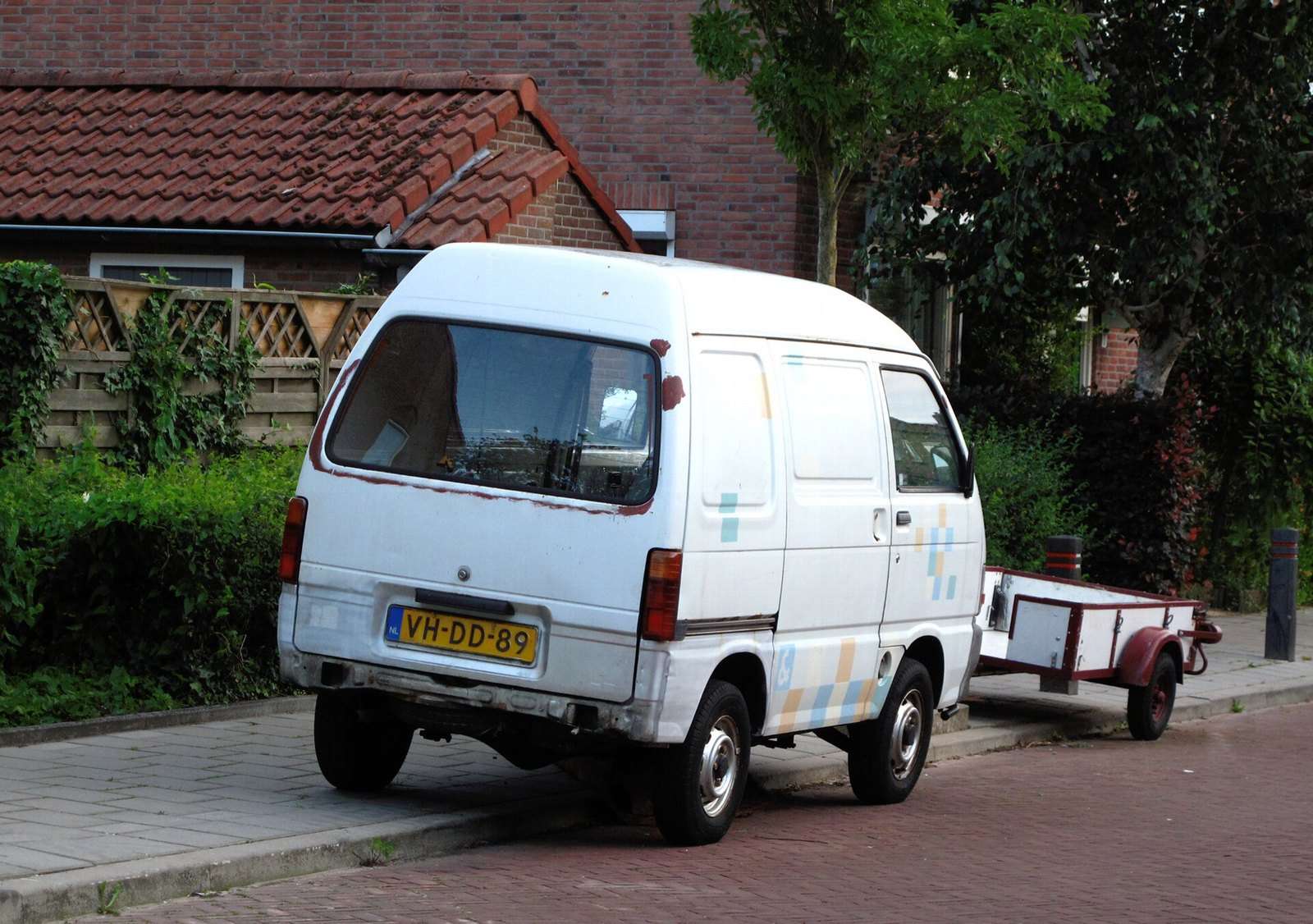
The Daihatsu Hijet put an extraordinary amount of carrying space into a footprint little longer than a supermini. British buyers knew it as a cab-over microvan and pickup: first with a 993cc petrol engine and later with a 1.3-litre unit, both built around a narrow body and a forward driving position. Its charm is genuine, but so are the consequences of corrosion, overheating and neglected commercial use.
Featured image: 2001 Daihatsu Hijet 1.3i 16V van front three-quarter view. Photograph by Rutger van der Maar, CC BY 2.0, via Wikimedia Commons; locally hosted.
A tiny commercial vehicle with a long history
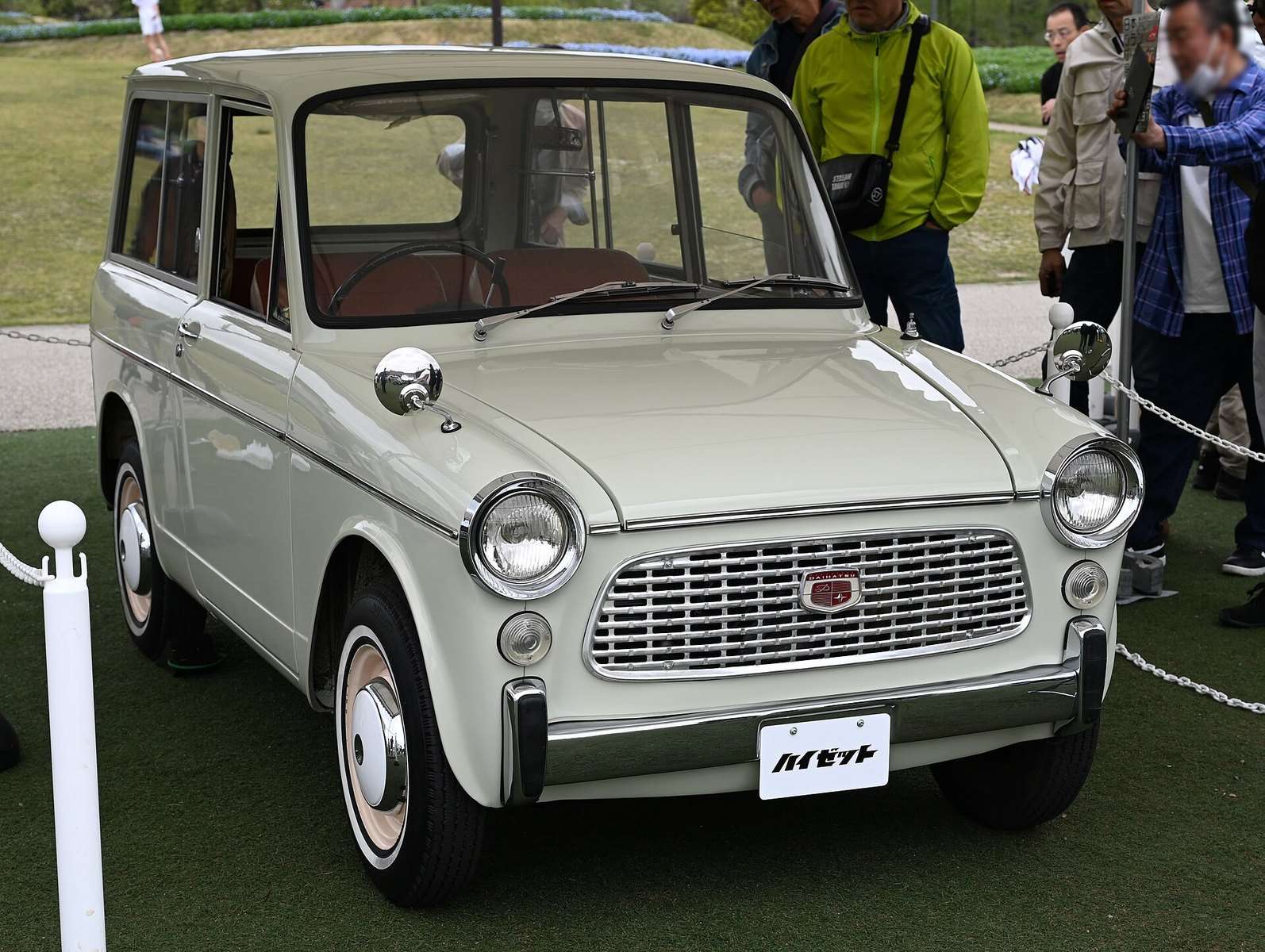
Daihatsu introduced the original Hijet in 1960 and marked the model’s sixtieth anniversary in 2020. The British story concerns much later generations, but the underlying formula stayed consistent: engine beneath or just behind the front seats, a short nose, sliding side doors on vans and a surprisingly useful load area.
UK imports of the S80-series 993cc vans and pickups became familiar in the 1980s and 1990s. Later S85/S200-related versions used a 1.3-litre engine and shared their European manufacturing story with the Piaggio Porter. Commercial Motor’s period testing makes clear why the Hijet found a niche: compact external dimensions, useful payload and exceptional urban manoeuvrability, offset by modest refinement and limited crash protection by modern standards.
UK engines, bodies and specifications
The familiar earlier British Hijet used a 993cc three-cylinder petrol engine. Fuel injection appeared during the 1990s, improving driveability and emissions, while the later 1.3 brought four cylinders and meaningfully stronger performance. Vans, pickups, high-roof bodies and specialist conversions all appeared, so the registration document and chassis plate matter more than an online advert’s shorthand.
| UK type | Character | Important checks |
|---|---|---|
| 993cc carburettor | Simple, light and slow | Cold starting, carburettor setup, cooling and ignition |
| 993cc injection | Cleaner-running later three-cylinder | Fuel delivery, sensors, cooling and service history |
| 1.3-litre | More usable performance; Piaggio-built European relation | Cooling, timing/service evidence and correct identity |
| Van or high roof | Maximum enclosed load space | Door tracks, floors, roof seams and conversion quality |
| Pickup | Compact working load bed | Chassis, bed mounts and signs of overloading |
The Hijet is not a car-shaped MPV. Steering, braking, stability and occupant protection belong to a lightweight commercial design. A test drive must include a realistic open-road section, because a van that feels amusing in town may be tiring or unsuitable for the buyer’s intended use.

Love cars you don’t see every day?
Get forgotten cars, surprising motoring stories and the most interesting finds from Unusual Cars by email.
Free to join. No spam. Unsubscribe whenever you like. See our privacy policy.
Rust and evidence of a hard working life
Inspect the front chassis structure, sills, crossmembers, floor seams, suspension and spring mounts, rear chassis rails and every load-floor support. Cab floors can rust around seams and mounting points, while pickup beds trap dirt above the structure. Fresh underseal should prompt more inspection, not less.
Sliding-door tracks, lower door edges, windscreen surrounds and roof seams also need attention. Look underneath for distorted jacking points, crushed rails and non-standard welding. Inside the load bay, dents and worn tie-down points reveal the sort of work the vehicle has done. A Hijet can survive years of honest use, but overloading and deferred repairs quickly turn a cheap van into a fabrication project.

Cooling, engine access and the road test
Start the engine cold. Watch for excessive cranking, blue smoke, coolant pressure, oil-warning delay and persistent rattles. Because much of the engine sits beneath the seats, leaks, heat and noise can be overlooked. Check the radiator, fan, expansion tank, hoses, water pump and evidence of previous overheating. Never accept unexplained coolant loss as normal.
Confirm that the clutch takes up cleanly and the gearbox selects every ratio without crunching. Listen for differential, propshaft and wheel-bearing noise where relevant. The steering should not wander excessively and the brakes must stop the van squarely. Uneven tyre wear can reflect worn suspension, poor alignment or a previously damaged shell.
Piaggio relationship, conversions and parts
Later European Hijets were closely related to the Italian-built Piaggio Porter. That connection can help with some mechanical and body components, but interchangeability must be checked by chassis and part number. Badges alone prove very little: Porters have sometimes been rebadged, and specialist bodies may have been registered in ways that obscure their origin.
Camper, food-truck and motorcycle-engined conversions need especially careful documentation. Confirm that structural work, fuel systems, electrics, brakes, axle loads and insurance declarations are correct. An entertaining conversion is not automatically a sound road vehicle. For a standard van, service components are often easier to locate than lamps, trim, doors or model-specific panels, making completeness valuable.

Buying checklist
Inspect underneath before discussing price
Chassis and floor corrosion determine whether a Hijet is worth saving.
Prove the cooling system is healthy
Run it to temperature, check fan operation and look for pressure, leaks or overheating history.
Verify identity and conversion work
Match the chassis, engine and registration details and insist on evidence for structural or powertrain alterations.
Sources
- Daihatsu: 60 years of the Hijet
- Commercial Motor: 1999 Hijet 1.3 road test
- Commercial Motor: 1995 Hijet EFI introduction
- AA: Hijet group test
- RAC Drive: Piaggio Porter used review
Continue the Daihatsu story
Explore more inventive Japanese city cars, turbo hatchbacks and compact 4x4s in the complete Daihatsu hub.
Frequently asked questions
Was the Daihatsu Hijet sold in the UK?
Yes. Daihatsu sold Hijet vans and pickups through its British network, including 993cc and later 1.3-litre petrol versions.
Is a Daihatsu Hijet the same as a Piaggio Porter?
Later European Hijets are closely related to Piaggio-built Porters, but specifications and identities differ, so parts must be checked by chassis number.
What is the biggest Hijet buying risk?
Structural corrosion and evidence of hard or overloaded commercial use are the most important risks.
Are Hijets suitable for motorway use?
A healthy 1.3 is more usable than an earlier 993cc van, but refinement, stability and crash protection remain those of a very small commercial vehicle.
Should I buy a modified motorcycle-engined Hijet?
Only after specialist inspection and confirmation that the conversion, registration, brakes, structure, insurance and engineering are properly documented.