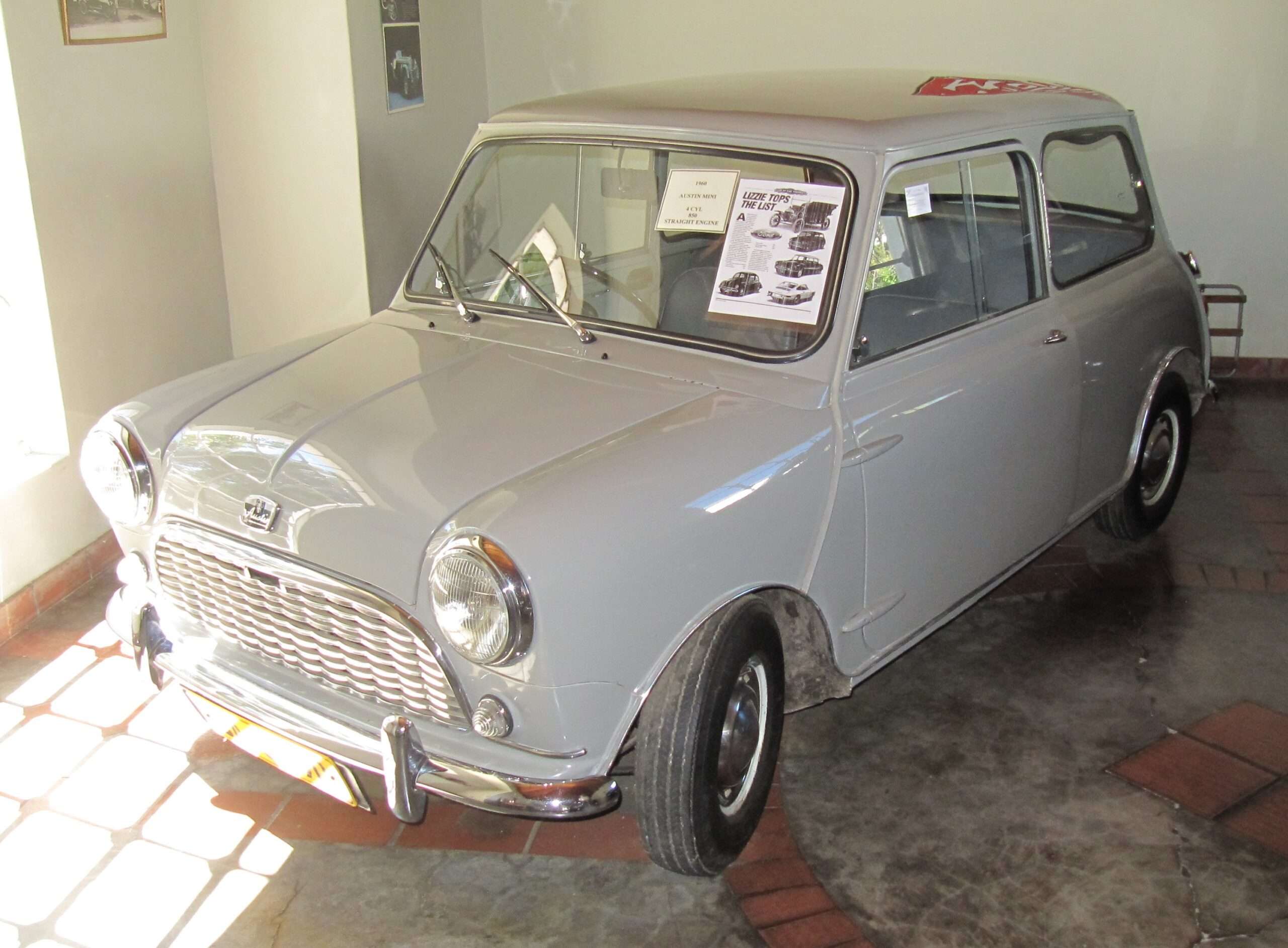
The original Mini rewrote the small-car rulebook. Launched in Britain in 1959 as the Austin Seven and Morris Mini-Minor, it placed its engine sideways, drove the front wheels and pushed the wheels to the corners to create remarkable cabin space. It remained in production until 2000 and became a defining British car.
At a glance
- UK production: 1959–2000
- Original names: Austin Seven and Morris Mini-Minor
- Layout: transverse engine, front-wheel drive
- Main engines: 848, 998, 1098 and 1275cc A-Series
- Notable versions: Cooper, Cooper S, Clubman and 1275 GT
History and UK context
British Motor Corporation commissioned Alec Issigonis to create an economical car after the 1956 Suez crisis. His solution concentrated the mechanical components into the smallest possible space: the gearbox sat in the engine sump, rubber-cone suspension replaced steel springs and tiny ten-inch wheels maximised cabin length. When sales began in August 1959, the Austin and Morris versions differed mainly in badges, grilles and trim.
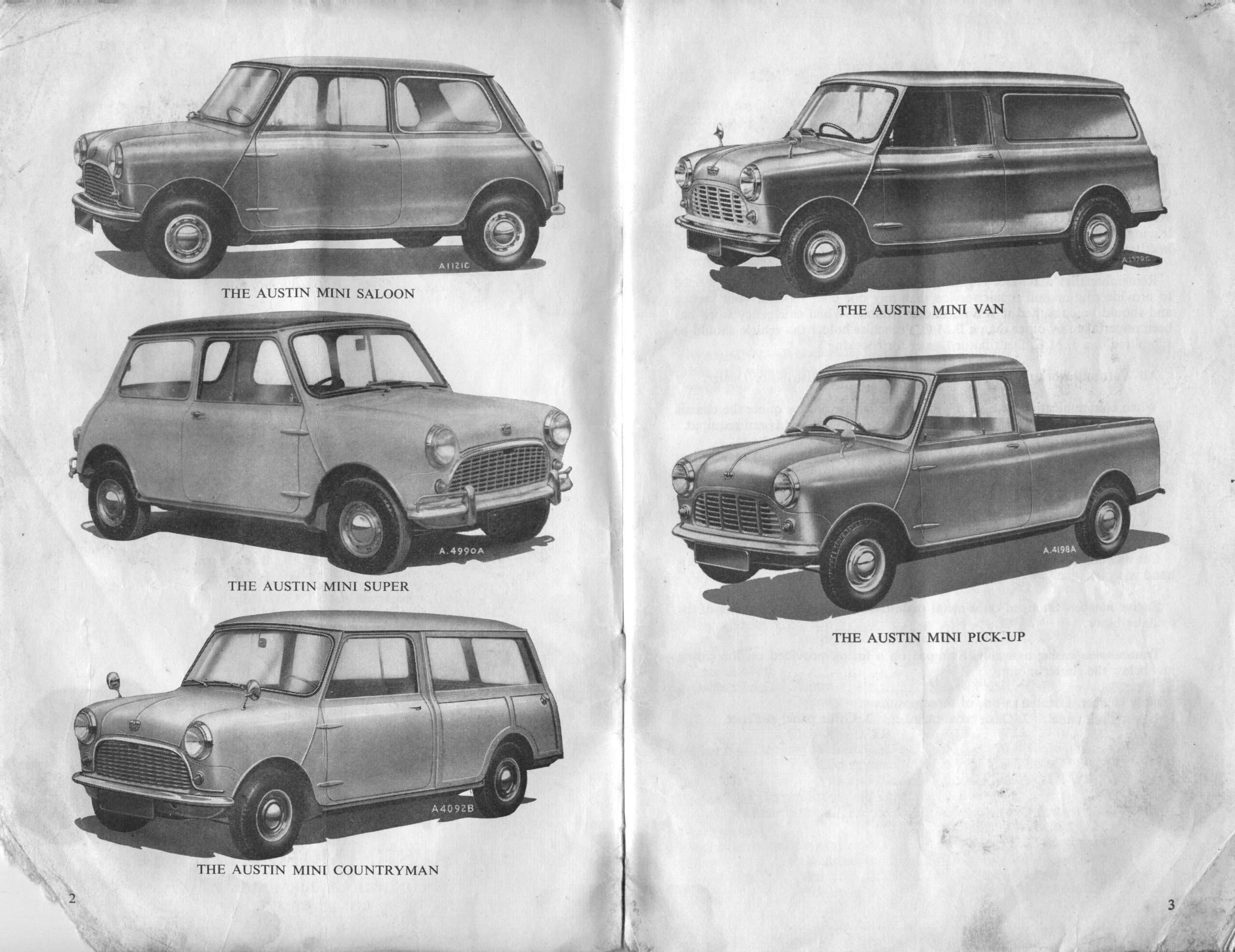
The Austin Seven name became Austin Mini in 1962, helping “Mini” evolve from a model nickname into a marque in its own right. John Cooper recognised the chassis’s potential, and the Mini Cooper arrived in 1961; the Cooper S then secured famous Monte Carlo Rally victories. The MkII appeared in 1967, the MkIII in 1969 with wind-up windows and concealed hinges, and the longer-nosed Clubman and 1275 GT broadened the range. Despite repeated corporate changes, the classic shape survived into Rover ownership. The final car left Longbridge in October 2000 after 5,387,862 Minis had been built.
UK specifications
| Version | Engine | Typical output | Character |
|---|---|---|---|
| 850 | 848cc A-Series | About 34bhp | Original economical specification |
| 1000 | 998cc A-Series | About 38–42bhp | More flexible everyday model |
| Cooper S | 970/1071/1275cc | Up to about 76bhp | Competition-bred performance |
| 1275 GT | 1275cc A-Series | About 59bhp | Square-nose sporting replacement |
What is it like to drive?
A good Mini feels immediate and alert. The steering is unassisted and wonderfully direct, the driving position is upright, and the wheels-at-each-corner stance gives exceptional agility. Early cars are noisy and low geared, while later 1275 versions are more relaxed. Ride quality can be busy on broken surfaces, but the sense of connection remains the Mini’s great attraction.
Why is it unusual?
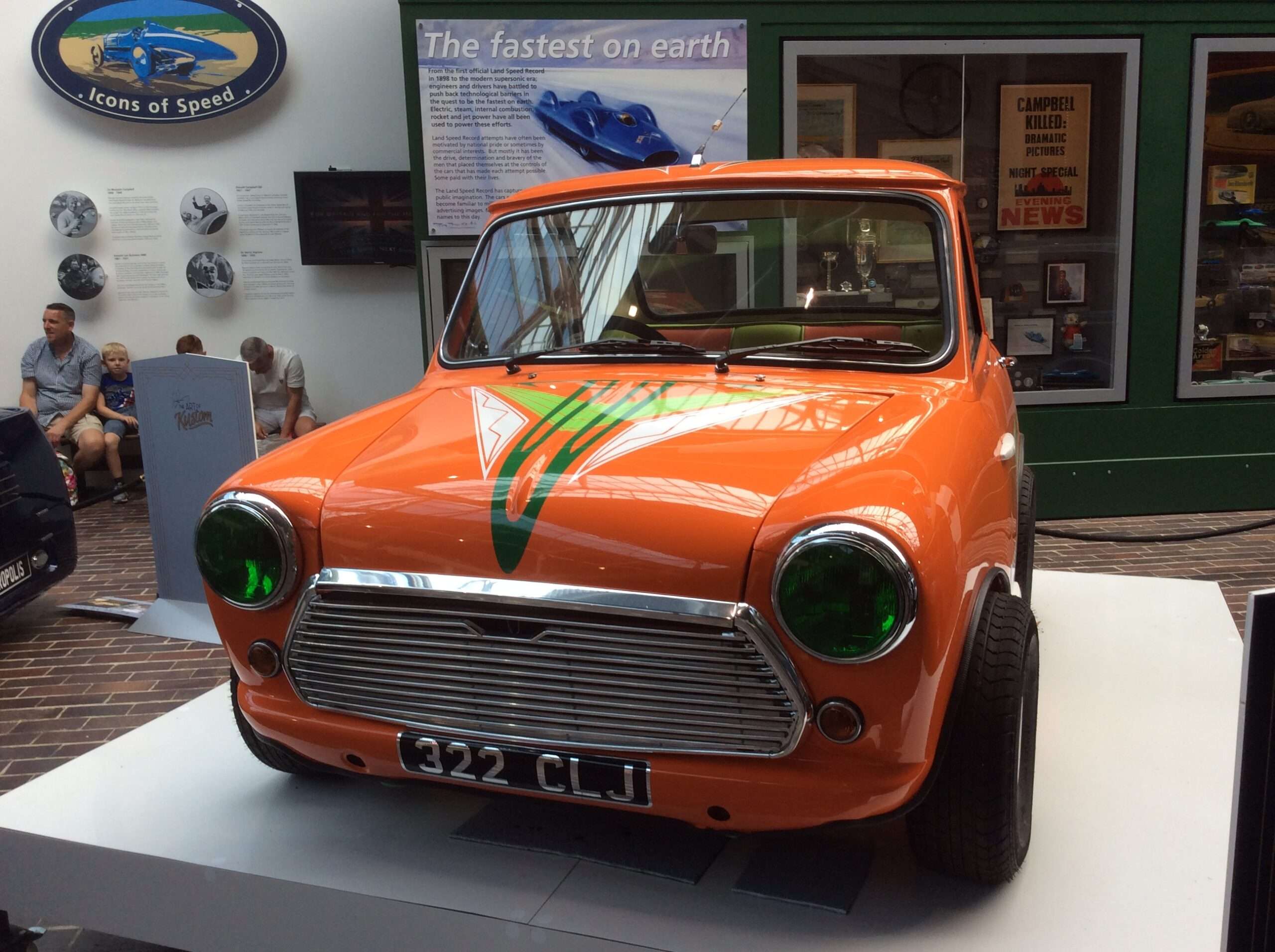
The Mini was sold in huge numbers, yet its engineering and social reach make it unusual rather than ordinary. It crossed class boundaries, won rallies, appeared in films and influenced almost every transverse-engined hatchback that followed. Early Austin and Morris-badged survivors are now scarce because decades of hard use, cheap values and corrosion consumed so many.
Buying guide
- Rust: inspect the front wings, scuttle, A-panels, door steps, sills, floors, rear subframe mounts, boot floor and rear valance. Poorly fitted repair panels can conceal serious decay.
- Engine: check for blue smoke, crankshaft rumble, oil leaks and overheating. A-Series parts are plentiful, but a worn unit still adds cost.
- Gearbox: listen for layshaft noise, test second-gear synchromesh and check whether it jumps out of gear. Engine and gearbox share their oil.
- Suspension: worn rubber cones, ball joints, wheel bearings and subframes spoil the handling. The car should sit level.
- Identity: valuable Coopers and early cars demand careful number and history checks. Buy provenance, not just badges.
Why it matters
The classic Mini is one of the rare cars that changed engineering, motorsport and popular culture at the same time. Its small footprint, huge personality and unmatched parts support make it both historically important and still usable on British roads.
Sources and further reading
- Auto Express: Austin Mini buying guide
- Classics World: Mini buyer’s guide
- Somerford Mini: production history
Image sources and licences
Images are from Wikimedia Commons: Austin Mini category. See the individual file pages for creator credits and licence terms.
Enjoy unusual cars?
Get new histories and buying guides by email.