UNUSUAL CARS MODEL GUIDE
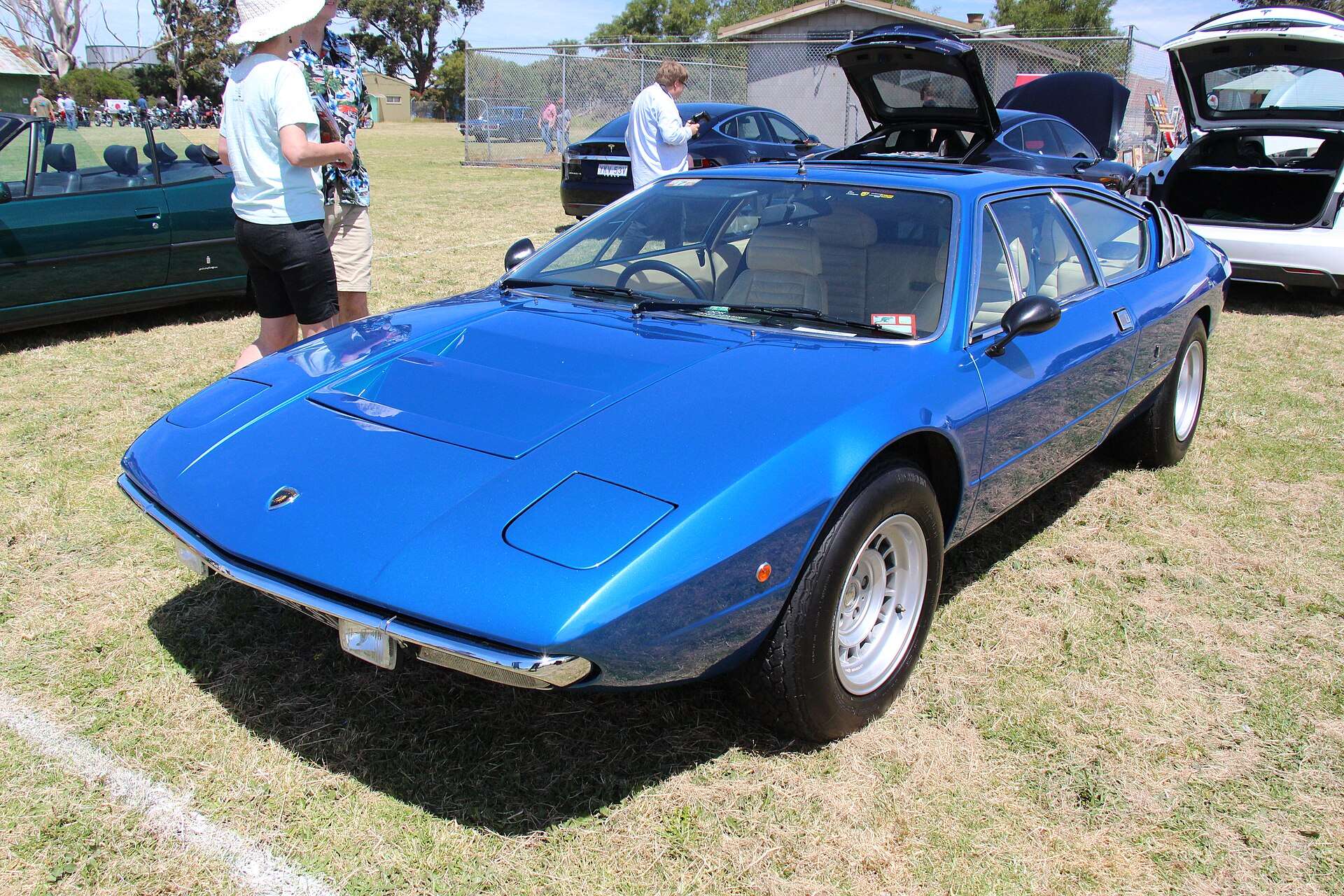
The Lamborghini Urraco was the company’s first V8 production family and its attempt to place a compact 2+2 beneath the V12 flagships. Presented in 1970 and delivered from the early 1970s, Marcello Gandini’s wedge packaged a transverse mid-mounted engine, four seats and all-strut independent suspension into a body only 4.25 metres long.
Quick answer: the main versions are the 2.5-litre P250, Italian-market two-litre P200 and three-litre twin-cam P300. Buy on verified identity, corrosion-free structure and mechanical history. Cam-drive maintenance, engine originality, carburettors, fuel lines, cooling, gearbox, suspension, brakes, wiring, pop-up lamps and rare interior pieces all require model-specific inspection.
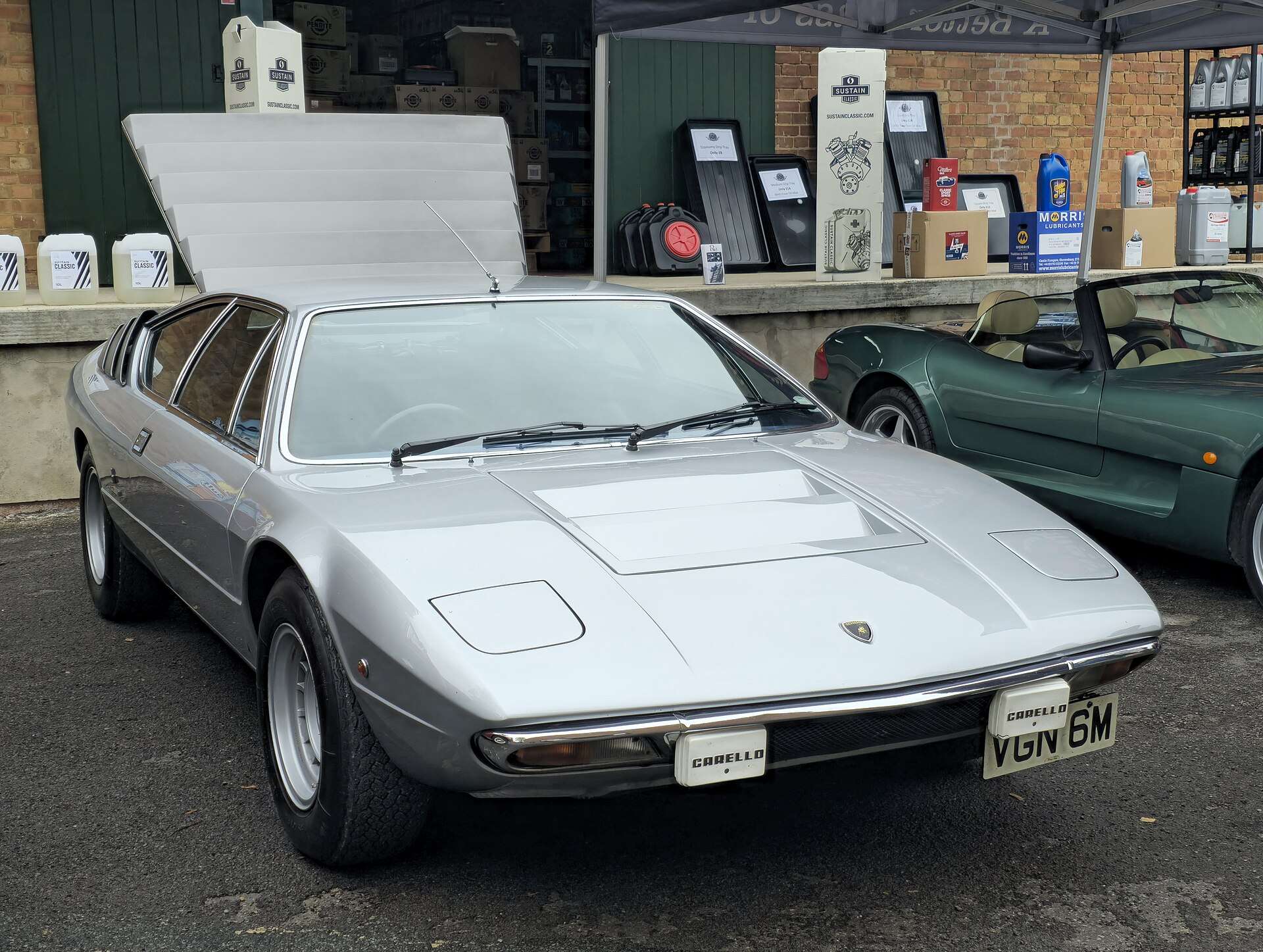
Featured image: Lamborghini Urraco P250. Photograph by Calreyn88, CC BY-SA 4.0, via Wikimedia Commons; locally hosted.
The small Lamborghini that changed the engineering
Ferruccio Lamborghini wanted a less complex, higher-volume model to compete with cars such as the Porsche 911 and Ferrari Dino. Paolo Stanzani created a steel monocoque with MacPherson struts at all four corners, while Gandini at Bertone gave it a sharp nose, louvred engine cover and compact 2+2 cabin.
The P250’s new 2,463cc aluminium V8 sat transversely ahead of the rear axle. Single overhead camshafts and toothed belts kept the engine compact. Its 220 CV output was less dramatic than a Miura’s, but the short body and carefully controlled weight made the Urraco agile and usable in a different way.

P200, P250 and P300
| Version | Engine | Output | Notes |
|---|---|---|---|
| P200 | 1,994cc V8 | 182 CV | Italian tax-market model; 71 produced |
| P250 / P250 S | 2,463cc V8 | 220 CV | Main single-cam version; S added richer equipment |
| P300 | 2,996cc V8 | 265 CV | Twin-cam heads and stronger performance; 203 produced |
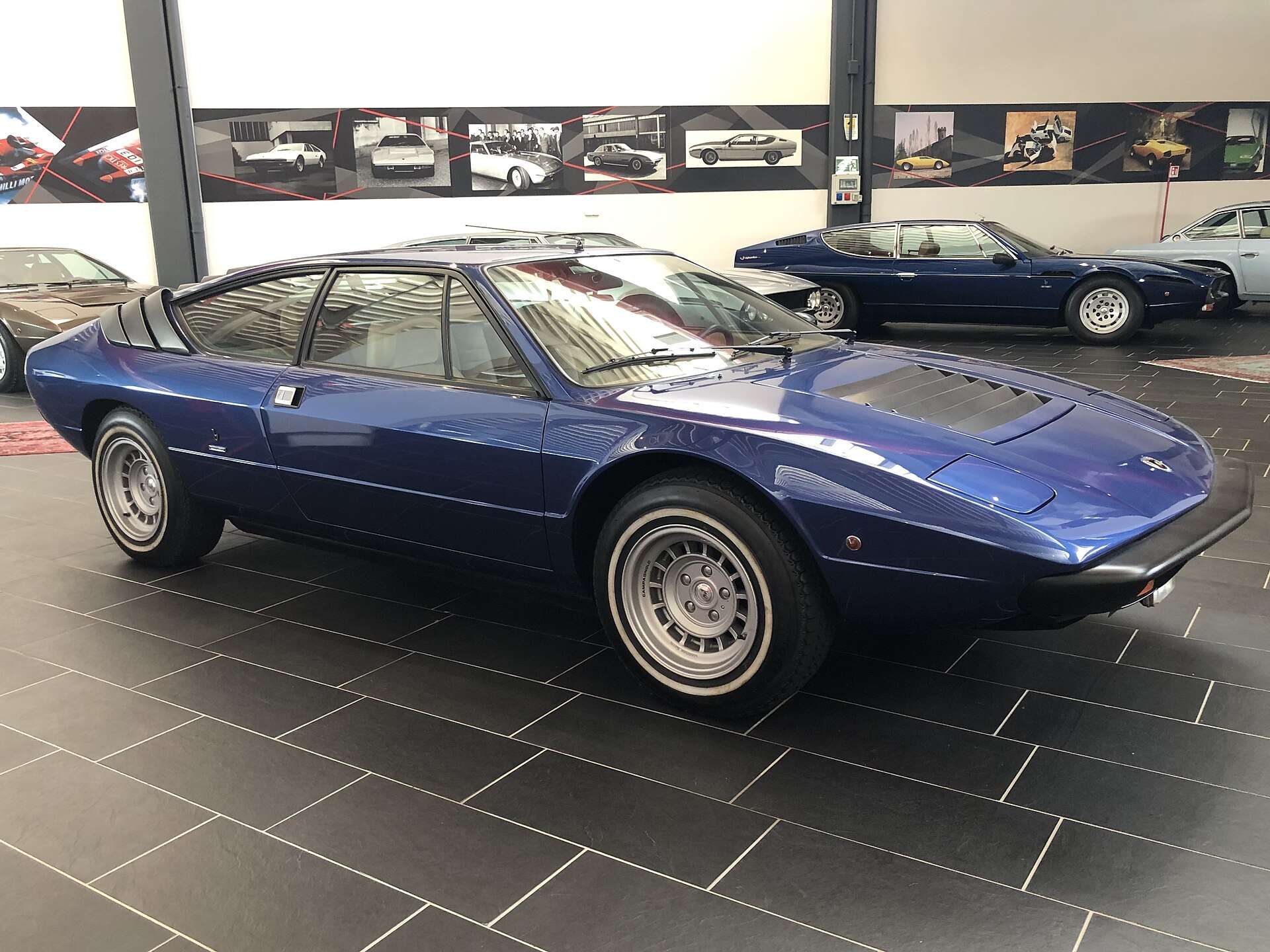
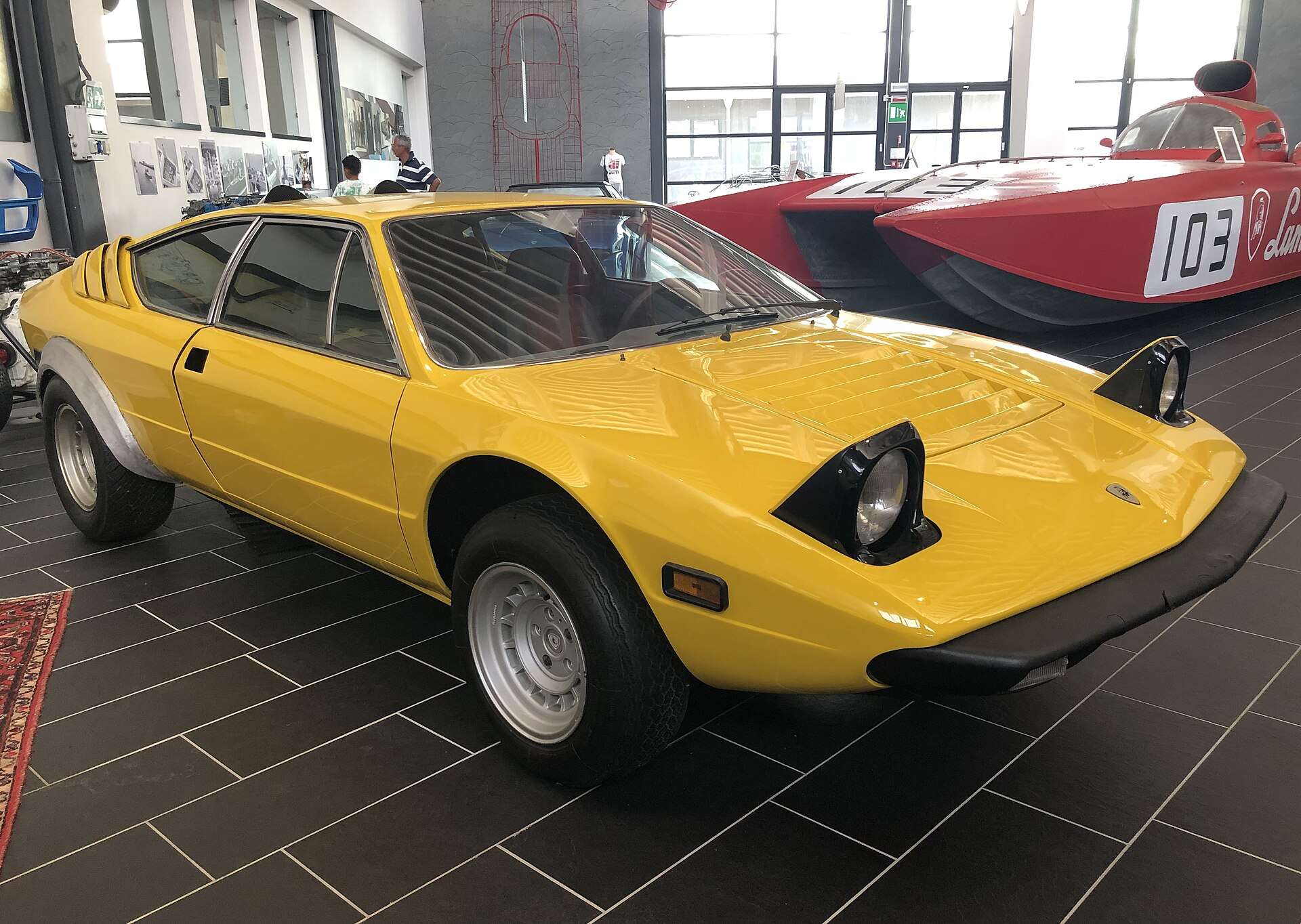
American P111 cars carried emissions equipment, larger bumpers and reduced output. The P300 is not simply a bored P250: its double-overhead-camshaft heads and chain drive change both character and maintenance. Verify chassis and engine numbers, market specification, bumpers, carburettors and cylinder-head architecture before accepting a seller’s description.
Corrosion and body restoration
The monocoque must be inspected on a two-post lift. Concentrate on floors, inner and outer sills, front boot, bulkheads, suspension towers, wheelarches, screen surrounds and the structure beneath the engine bay. Bubbling paint can represent only the visible edge of a much larger repair. Heavy underseal and unexplained seams deserve investigation.
Doors, bonnet, pop-up lamps, louvres, bumpers and glass need consistent alignment. Model-specific panels and trim are scarce, so assess an incomplete car as a restoration rather than assuming parts will appear. Ask for photographs of previous shell work and check that suspension pick-ups were located accurately before judging the paint finish.
Love cars you don’t see every day?
Get forgotten cars, surprising motoring stories and the most interesting finds from Unusual Cars by email.
Free to join. No spam. Unsubscribe whenever you like. See our privacy policy.
Cam drive, V8 and fuel system
Documented cam-drive work is essential. P200 and P250 engines use toothed belts; the P300 uses chains and tensioners. Age matters as much as mileage, and an undocumented system should be treated as due immediately. Arrange compression and leak-down tests, verify oil pressure and listen for abnormal top-end, bearing or timing noise from cold and hot.
Four Weber carburettors require balanced adjustment. Inspect tanks, pumps, hoses and unions for leaks, then confirm clean acceleration without persistent smoke or overheating. The transverse installation can make access labour-intensive. Replacement engines and exchanges between Urraco, Silhouette and Jalpa families exist, making number and specification research especially important.
Gearbox, chassis and road test
The five-speed transaxle should select every ratio cleanly after warming. Synchromesh wear, bearing noise, clutch problems and leaks can require major removal work. Examine engine and gearbox mounts, driveshaft joints and hubs. Tyres must be correctly sized, fresh and matched so the road test reflects the chassis rather than aged rubber.
MacPherson struts were innovative but bushes, dampers, ball joints, rack and wheel bearings are now old-car service items. Check the brake system from master cylinder to calipers and lines. The car should track cleanly, stop straight and resist temperature rise in traffic. A short demonstration around a storage facility is not enough.
Interior, electrics and ownership
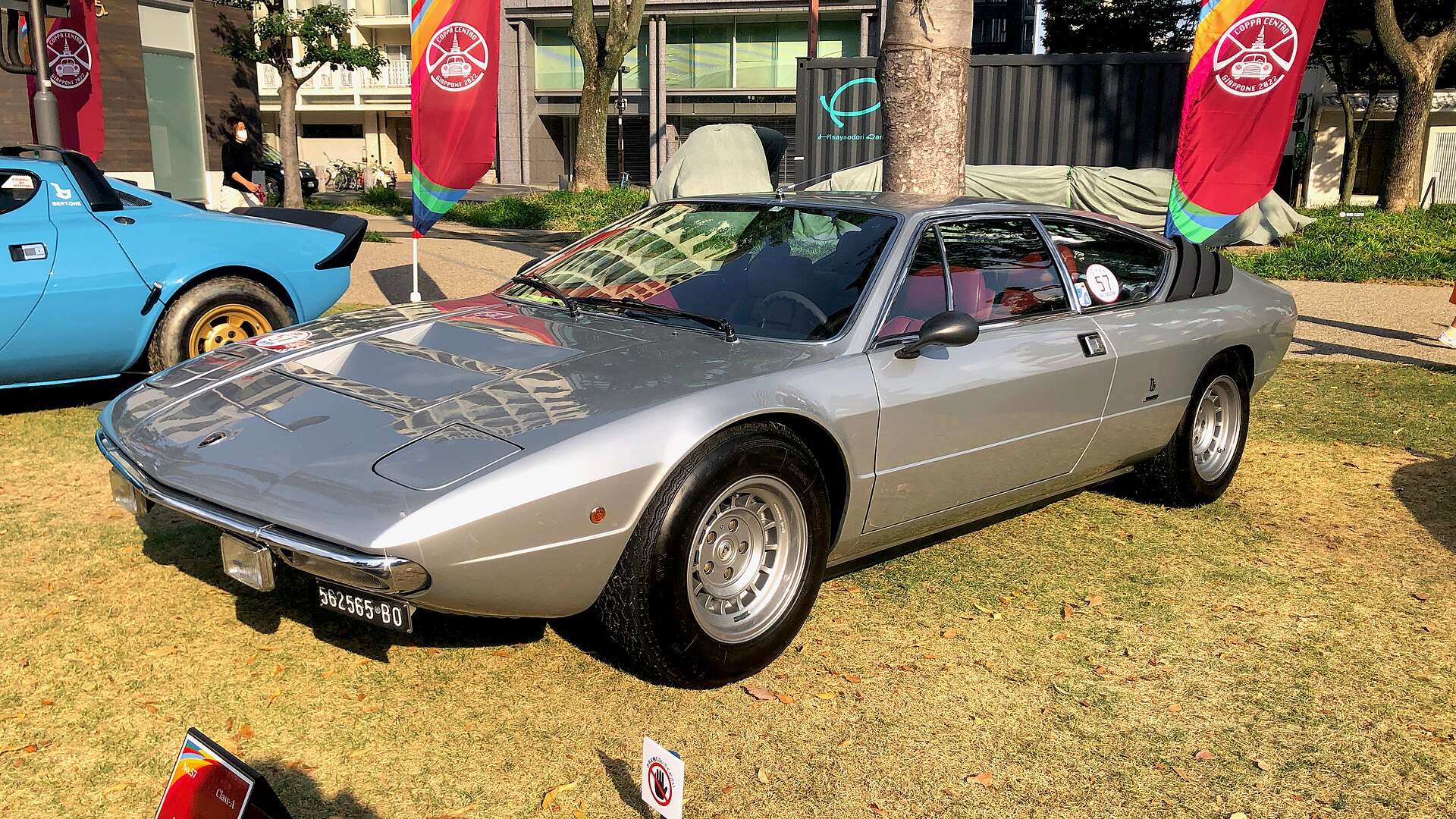
The dramatic dashboard, dished steering wheel, seats, door cards and instruments are difficult to recreate correctly. Test pop-up headlamps, electric windows where fitted, fans, heater, gauges, wipers and charging system. Old connectors, grounds and heat-affected engine-bay wiring can produce intermittent faults that need methodical repair.
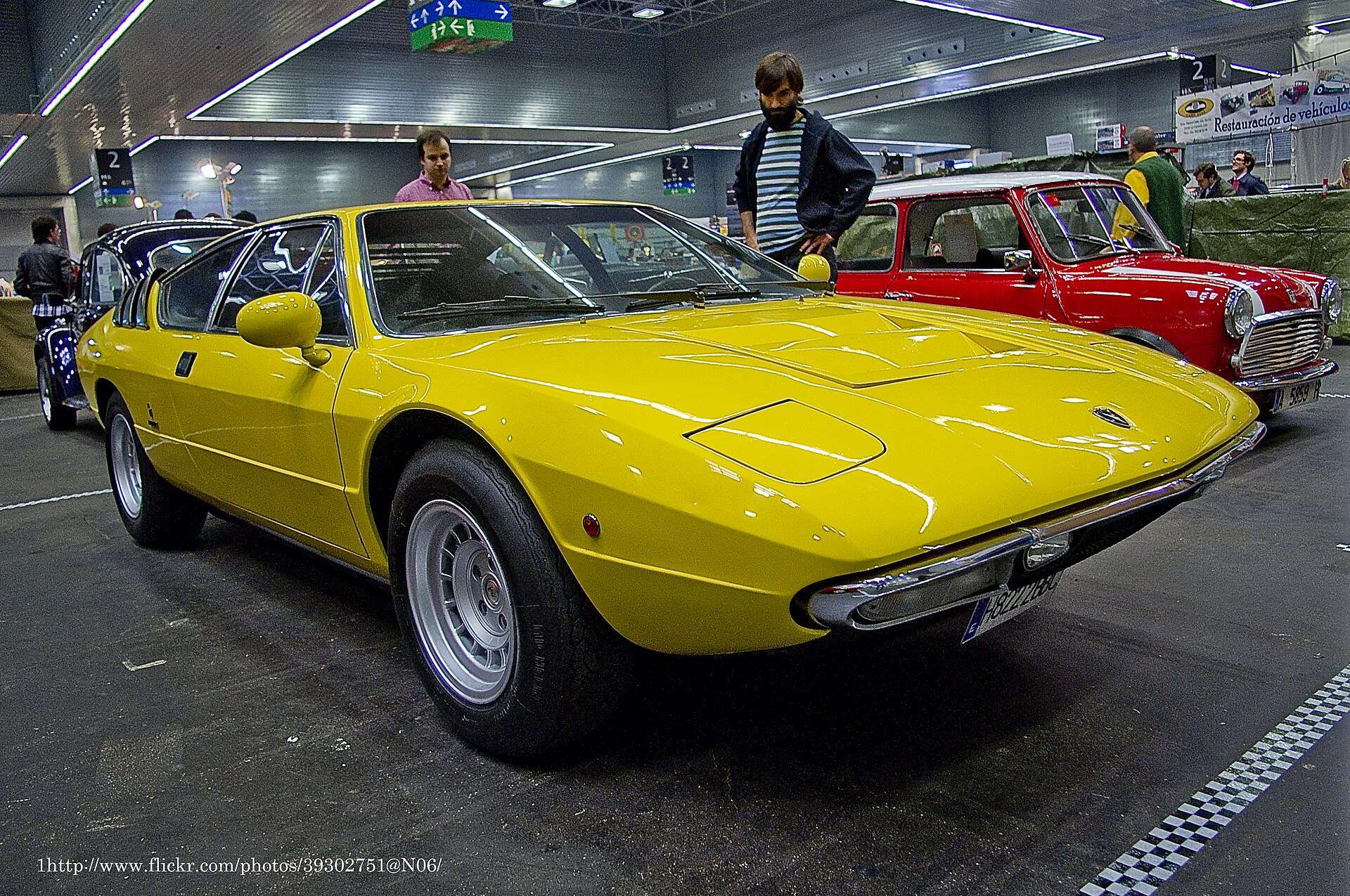
UK-market history adds interest, but confirm whether a right-hand-drive car was factory built and whether later alterations are documented. Seek specialists familiar with the early V8 range before purchase, not afterwards. A complete, regularly exercised Urraco with evidence of cam-drive, fuel, cooling and electrical work is normally a better starting point than a low-mileage car emerging from long storage.
Sources and further reading
- Lamborghini: Urraco history and specifications
- Lamborghini: Urraco 50th anniversary
- Lamborghini: company milestones
- Car Collector International: Urraco buyer’s guide
Continue the Lamborghini story
Explore the complete Lamborghini hub. Continue with the Lamborghini Jalpa and Lamborghini Miura.
Frequently asked questions
When was the Lamborghini Urraco built?
The Urraco was presented in 1970, reached customers in the early 1970s and remained in production through the late 1970s.
What engines were fitted to the Urraco?
The P200 used a two-litre V8, the P250 a 2.5-litre single-cam V8 and the P300 a three-litre twin-cam V8.
Does the Urraco have rear seats?
Yes. It was designed as a compact mid-engined 2+2, although rear space is limited.
Does every Urraco use timing belts?
No. P200 and P250 engines use toothed belts, while the P300 uses chain-driven twin-cam heads.
What should be checked before buying an Urraco?
Verify identity and inspect corrosion, cam drive, engine, carburettors, fuel and cooling systems, transaxle, suspension, brakes, electrics and rare trim.