UNUSUAL CARS MODEL GUIDE
The Lamborghini Jalpa was the final development of the company’s original mid-engined V8 line. Built from 1981 to 1988, it combined a 3.5-litre V8, five-speed manual gearbox, removable targa roof and a more luxurious two-seat cabin. It sat beneath the Countach yet remained an exotic, hand-built Lamborghini rather than a simple junior model.
Quick answer: Lamborghini states that 420 Jalpas were built in two series. Check chassis and engine identity, corrosion, V8 condition, timing chains, carburettors, fuel and cooling systems, engine mounts, gearbox, suspension, brakes, wiring, roof seals and scarce trim. A thick specialist history matters more than low mileage or a cosmetic restoration.
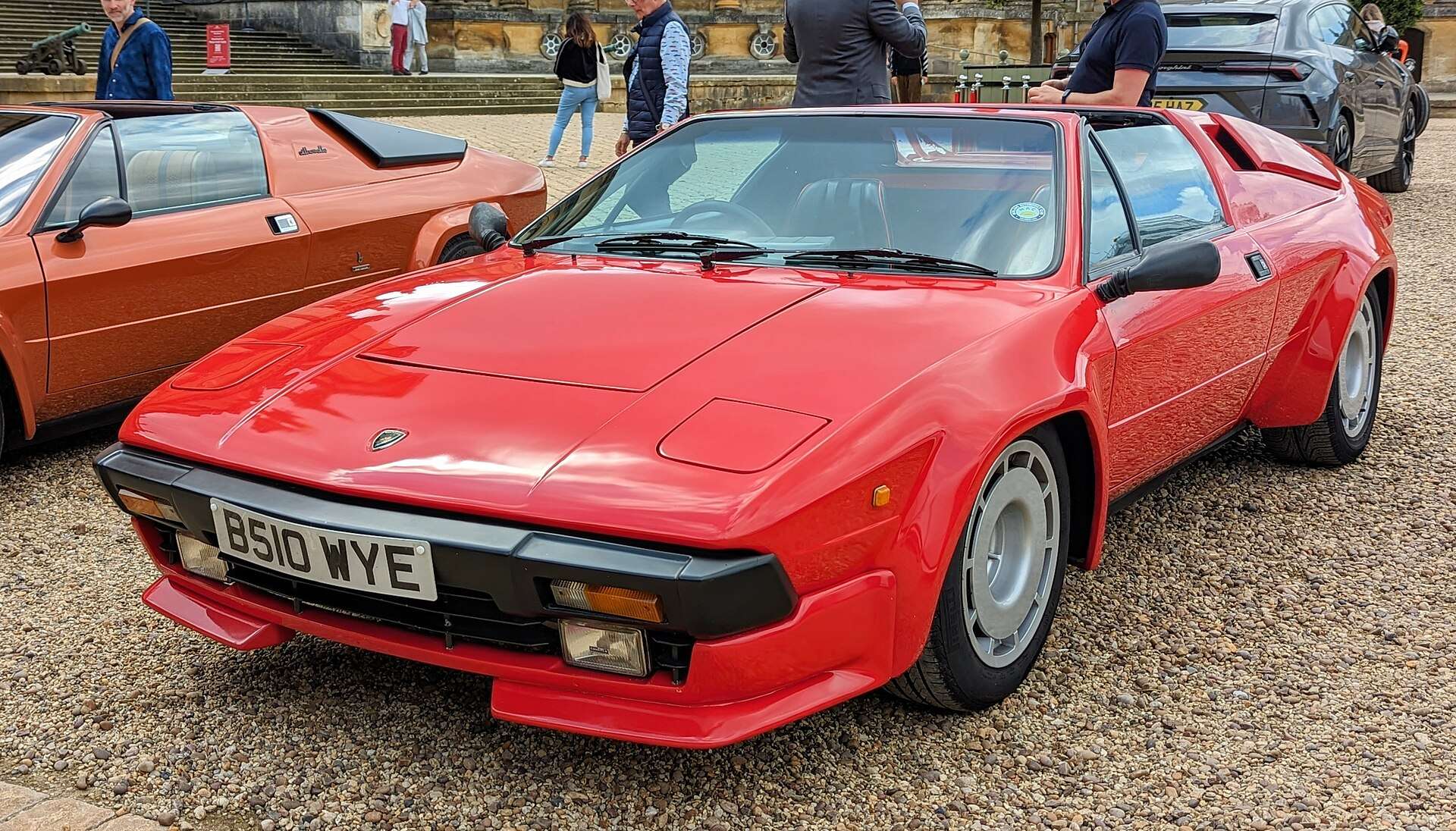
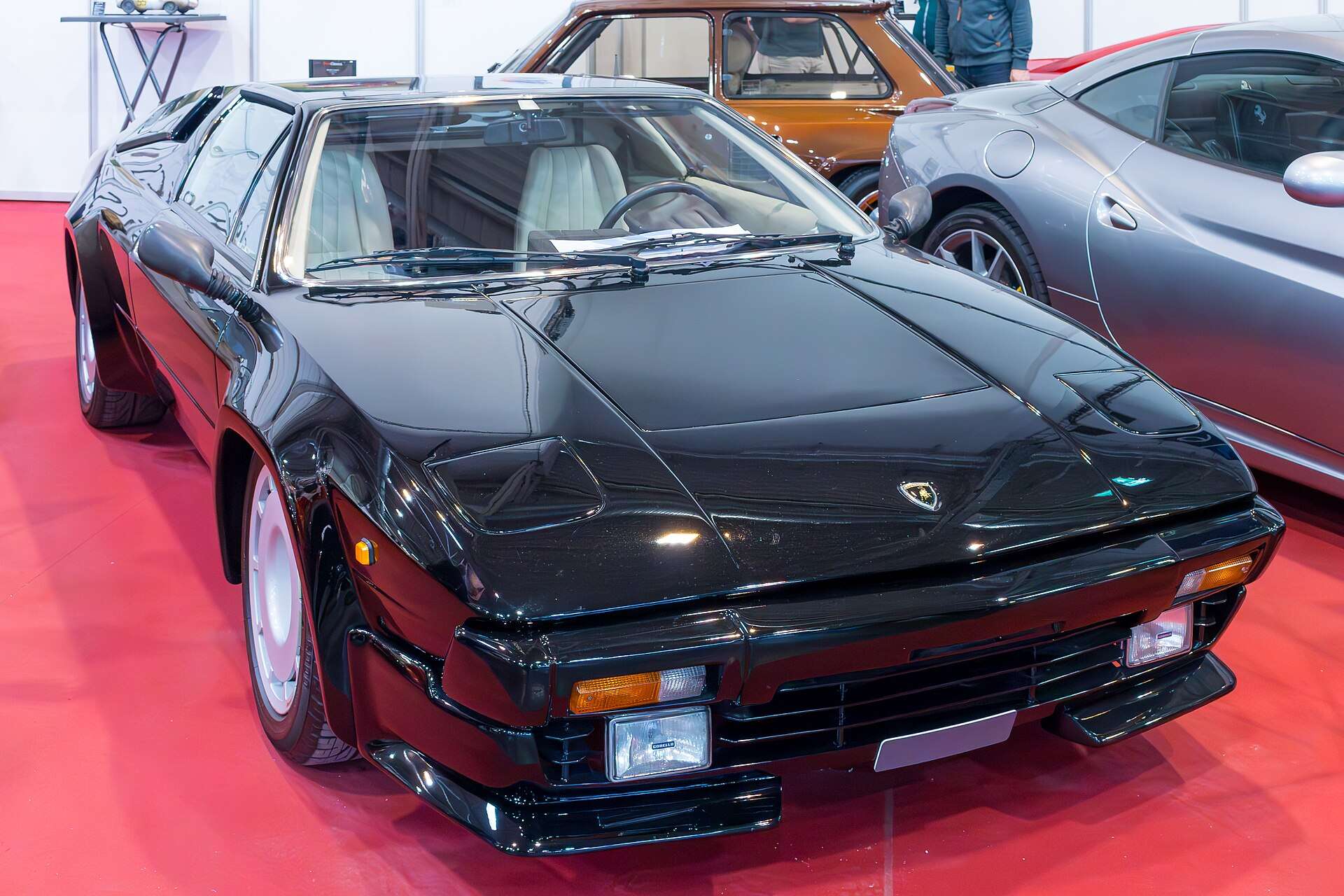
Featured image: Lamborghini Jalpa. Photograph by Calreyn88, CC BY-SA 4.0, via Wikimedia Commons; locally hosted.
From Silhouette to Jalpa
The Jalpa evolved from the rare Silhouette, which had turned the Urraco platform into a two-seat targa. Under engineer Giulio Alfieri, Lamborghini enlarged the V8, softened the wheelarch treatment, integrated spoilers and side skirts more cleanly and redesigned the cabin. The prototype appeared at Geneva in 1981 and production deliveries followed in 1982.
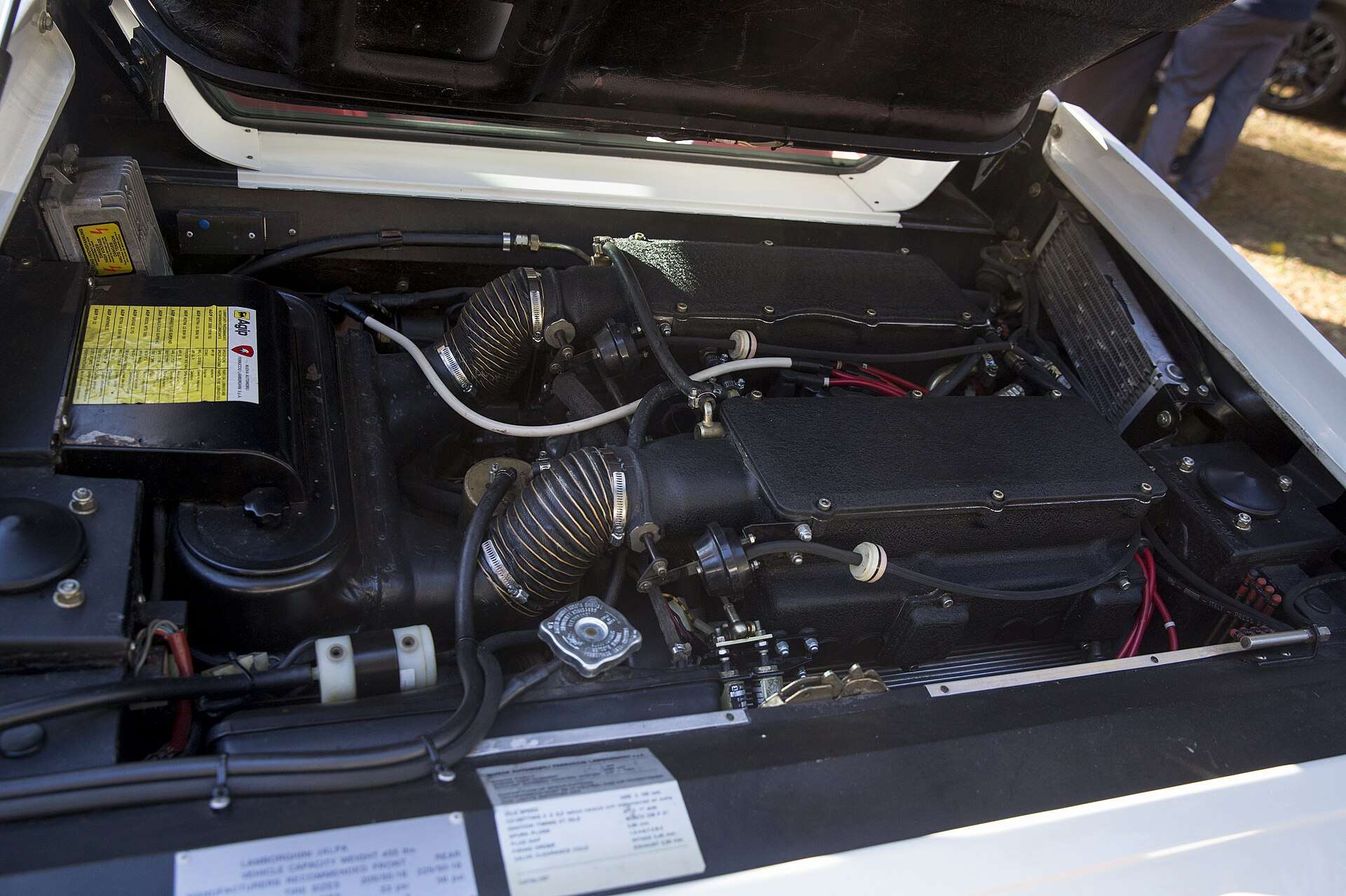
The roof panel stores behind the seats, giving open-air driving without abandoning a substantial rollover structure. The 3,485cc aluminium V8 used four overhead camshafts, chain drive and four Weber 42 DCNF carburettors. Lamborghini pursued stronger low-speed torque and usability rather than a headline power race with the Countach.
First and second series
| Version | Years | Typical distinctions |
|---|---|---|
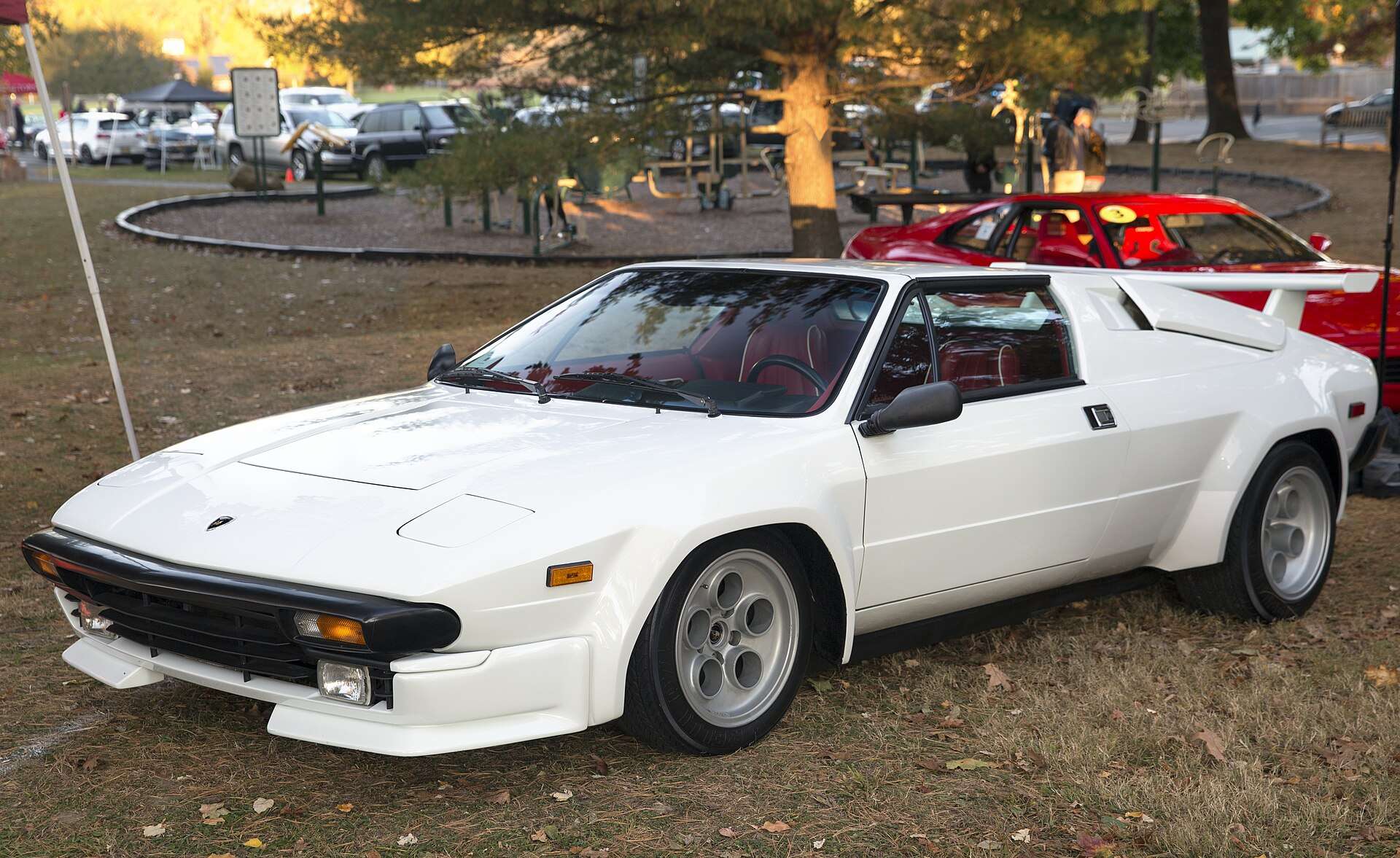
| First series | 1981–1984 | Black bumpers and trim, earlier rear lamps and cabin details |
| Second series | 1984–1988 | Body-coloured exterior pieces, round rear lamps and revised steering wheel |
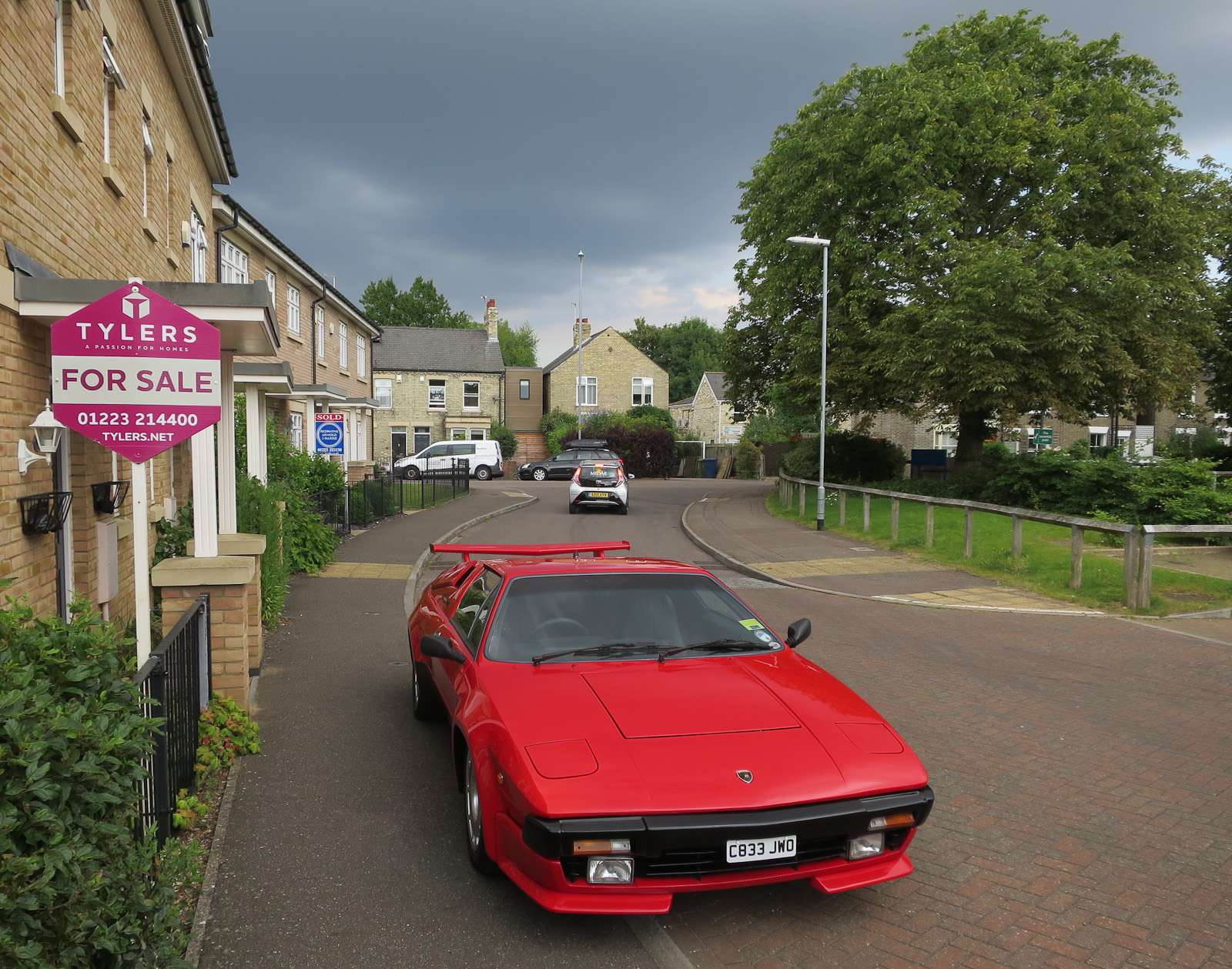
Changes were phased, and market equipment varied. Countach-style wings, wheels and body-coloured conversions were added to many cars later. Establish original colours, bumpers, lamps, wheel design, interior and emissions specification from the chassis record. American cars differ from European examples, while genuine right-hand-drive history should be documented.

V8, timing chains and engine mounts
Start the car cold and verify fast oil pressure, stable temperature and clean running after enrichment. Compression and leak-down results help separate carburettor imbalance from worn rings or valves. Blue smoke under acceleration can indicate valve-seal or guide wear. Timing chains and tensioners need documented attention even though they do not have the fixed replacement interval associated with rubber belts.
Inspect engine mounts and their attachment points closely; fatigue and poor previous repairs are known concerns. Four carburettors need correct jetting and synchronisation, while tanks, hoses, pumps and unions must be completely dry. Check ignition, alternator, starter, exhaust and heat shielding. Long periods of storage often create several small faults that together require extensive recommissioning.
Love cars you don’t see every day?
Get forgotten cars, surprising motoring stories and the most interesting finds from Unusual Cars by email.
Free to join. No spam. Unsubscribe whenever you like. See our privacy policy.
Cooling, gearbox and road behaviour
Test the cooling system in traffic and after a sustained road run. Radiator condition, fans, thermostats, hoses and the water pump must work together; a dashboard gauge that appears normal is not proof against local hot spots or prior overheating. Inspect for coolant staining, oil contamination and improvised wiring to make fans run continuously.
The five-speed transaxle should select every ratio without severe baulking, jumping out or bearing noise. Assess clutch weight, hydraulics, driveshafts and mounts. On the road a healthy Jalpa feels compact and communicative. Wandering, vibration or unstable braking should lead to tyre, alignment, wheel, suspension, steering and brake measurements rather than being dismissed as period character.

Structure, body and targa roof
Inspect floors, sills, bulkheads, wheelarches, suspension towers, screen surround and engine-bay structure for corrosion and previous repairs. Panel gaps should be consistent and the doors should not alter position when the car is lifted. Front spoiler, side skirts, engine cover, lamps and glass are model-specific and expensive to replace.
Fit and remove the roof panel, check its latches and storage points, then inspect seals, drains, carpets and seat backs for water damage. A respray can conceal corrosion or incorrect series details, so demand restoration photographs and paint readings. Stone chips are less concerning than filler, cracked mounting points or missing original fittings.
Cabin, electrics and buying strategy
Test windows, lamps, fans, air conditioning, instruments, mirrors, wipers and every switch. Heat, age and weak grounds cause intermittent faults, but a complete loom repair is different from replacing one relay. Inspect the leather, carpets, dashboard, wheel, console and gated shifter against the correct series; missing parts can be harder to find than mechanical components.
A Jalpa was usable by contemporary exotic-car standards, which means some cars accumulated hard miles while others deteriorated in storage. Reconcile odometer, MOT record, invoices and physical wear. Identify a UK specialist and parts sources before purchase. A sorted car with regular use and transparent expenditure will normally cost less overall than the cheapest advertised example.
Sources and further reading
- Lamborghini: Jalpa history and specifications
- Lamborghini: Jalpa 40th anniversary
- Lamborghini: company milestones
- MotorTrend: Jalpa history and buying considerations
- Octane Files: Jalpa model and ownership guide
Continue the Lamborghini story
Explore the complete Lamborghini hub. Continue with the Lamborghini Urraco and Lamborghini Countach.
Frequently asked questions
When was the Lamborghini Jalpa built?
The Jalpa was launched in 1981, entered production in 1982 and remained available until 1988.
How many Lamborghini Jalpas were made?
Lamborghini states that 420 examples were produced across two series.
What engine does the Jalpa use?
It uses a mid-mounted 3.5-litre aluminium V8 with four overhead camshafts and four Weber carburettors.
Does the Jalpa have a removable roof?
Yes. Its targa roof panel can be removed and stored behind the seats.
What should be checked before buying a Jalpa?
Verify identity, then inspect corrosion, V8 and timing chains, engine mounts, carburettors, fuel and cooling systems, transaxle, suspension, brakes, electrics, roof and trim.