UNUSUAL CARS MODEL GUIDE
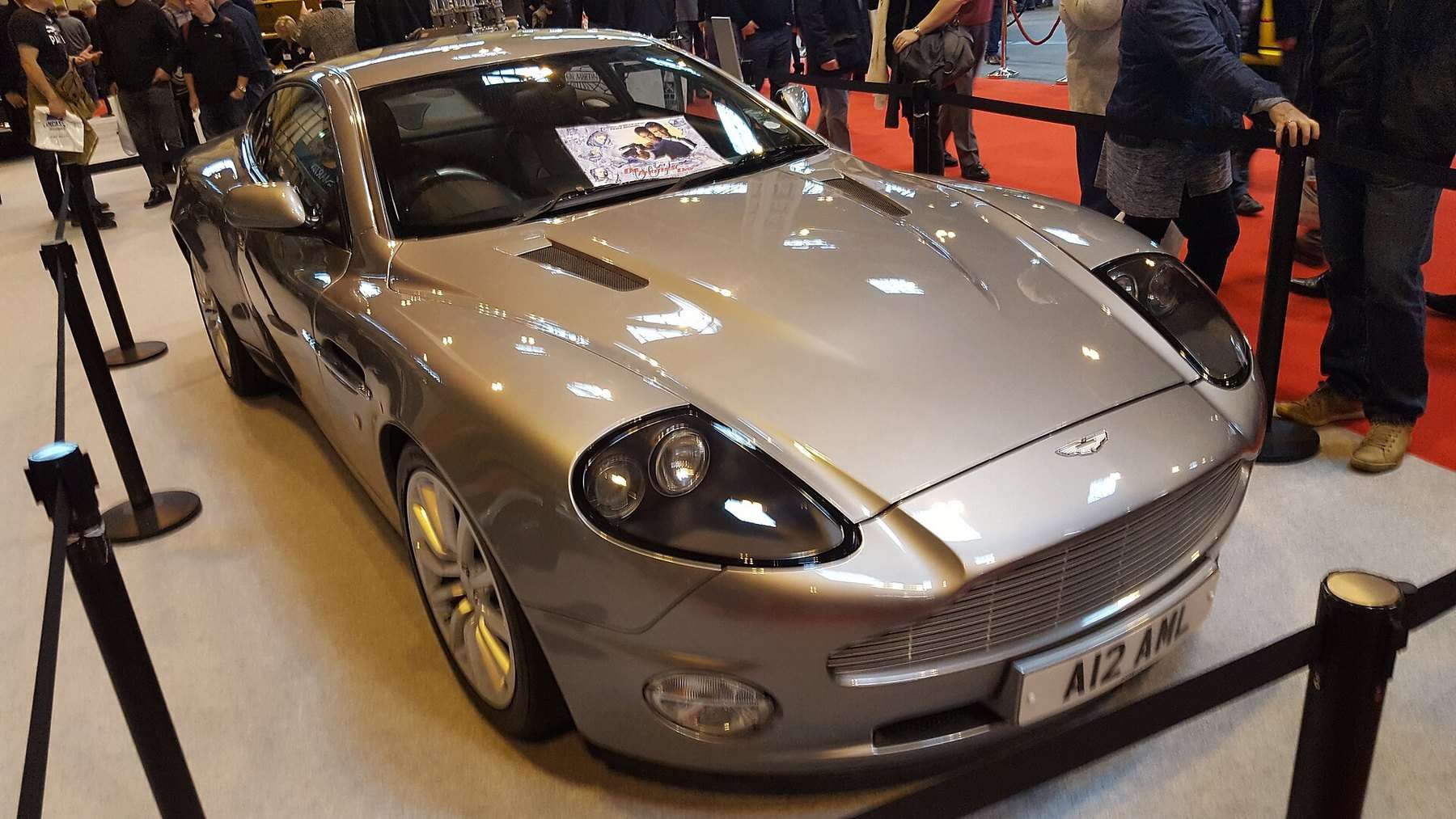
The first V12 Vanquish was Aston Martin’s technological reset. Previewed by the 1998 Project Vantage concept and launched at Geneva in 2001, it paired Ian Callum’s muscular body with bonded aluminium, carbon-fibre structural elements, superformed panels and an automated six-speed manual gearbox. It was also the final series-production model built at Newport Pagnell.
Quick answer: the original V12 Vanquish was built from 2001 to 2007. Its 5.9-litre V12 produced 460 bhp in the standard car and 520 bhp in the 2004 Vanquish S. A six-speed electrohydraulically shifted manual gearbox was standard; factory and specialist conversions can replace the automated shift system with a conventional manual lever and clutch pedal.
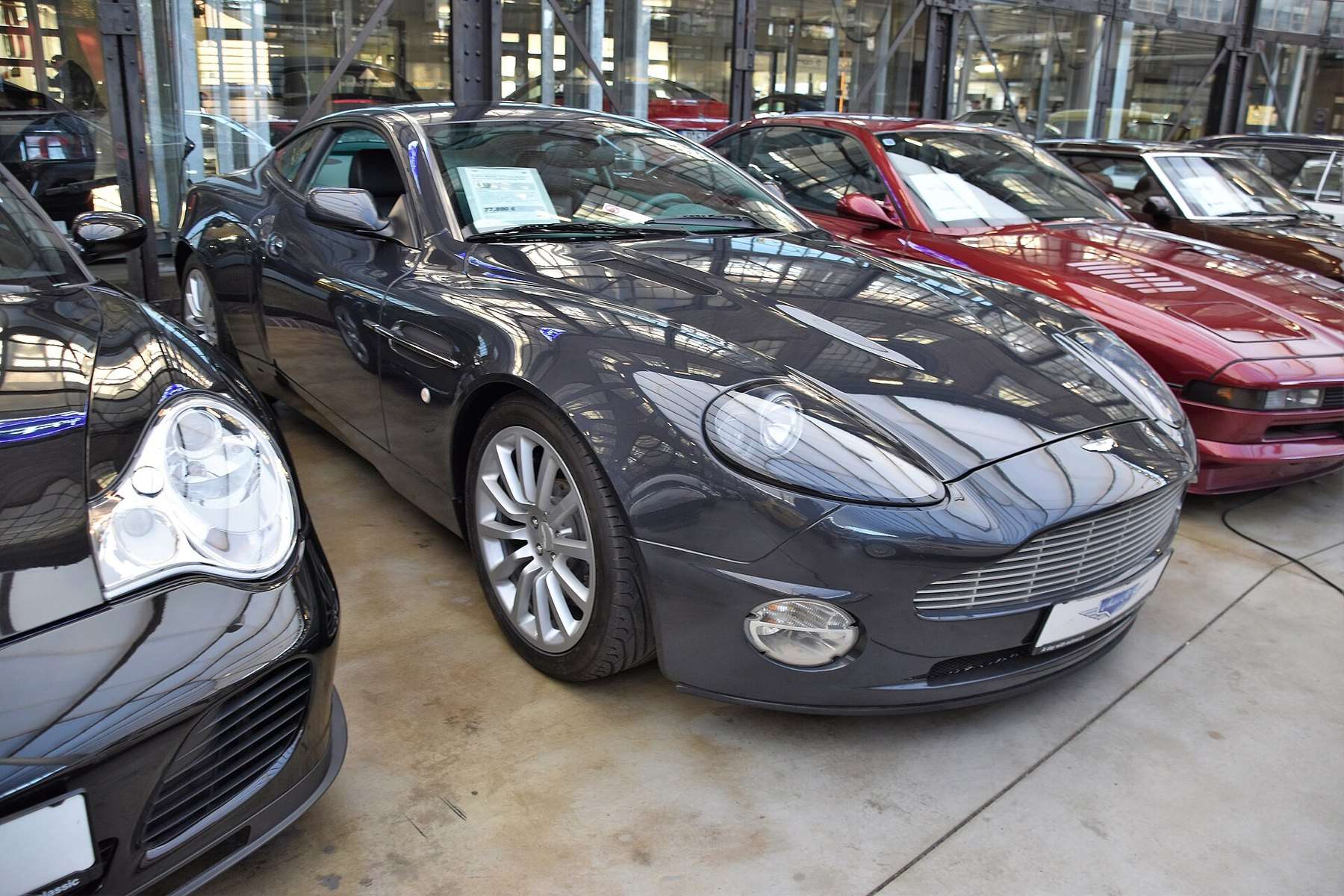
Featured image: 2001 Aston Martin V12 Vanquish. Photograph by Kieran White from Manchester, England, CC BY 2.0, via Wikimedia Commons; locally hosted.
From Project Vantage to production
The 1998 concept established the new architecture: carbon-fibre transmission tunnel, bonded aluminium bulkheads and subframes, with the V12 mounted ahead of the cabin. Production preserved the concept’s stance while creating a usable 2+0 or 2+2 grand tourer.
Traditional hand finishing remained, but the construction process was a major break from the coachbuilt steel-platform Astons of Newport Pagnell. Superformed aluminium outer panels were attached to a structure designed for strength and controlled crash performance.
Vanquish and Vanquish S
| Version | Key specification |
|---|---|
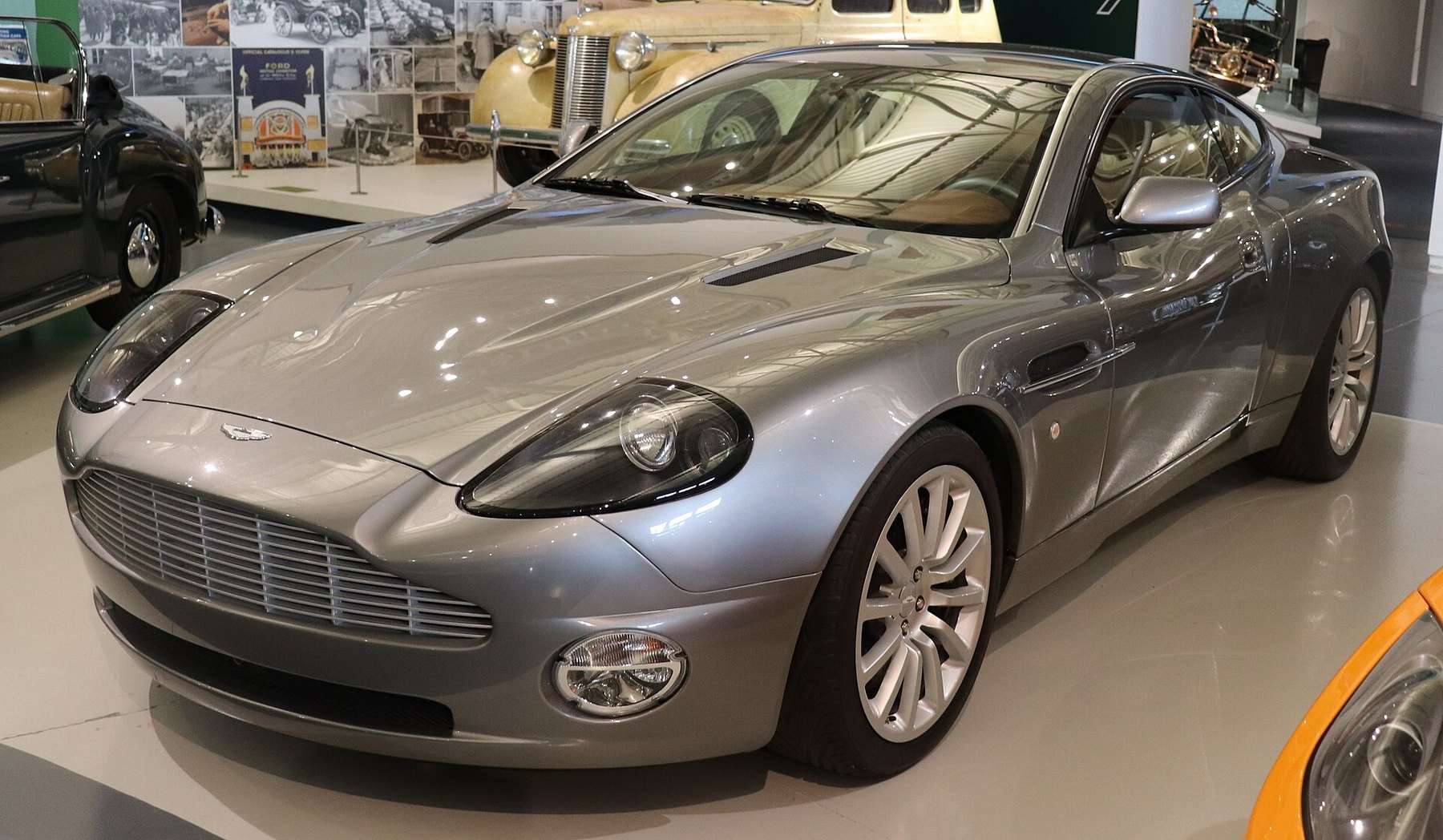
| V12 Vanquish | 5.9-litre V12, 460 bhp, 400 lb ft |
| V12 Vanquish S | 520 bhp, revised gearing, suspension, brakes and aerodynamics |
| Transmission | Six-speed automated manual with steering-wheel paddles |
| Construction | Bonded aluminium and carbon-fibre structure; superformed aluminium panels |
| Production end | 2007, including the final Ultimate Edition cars |
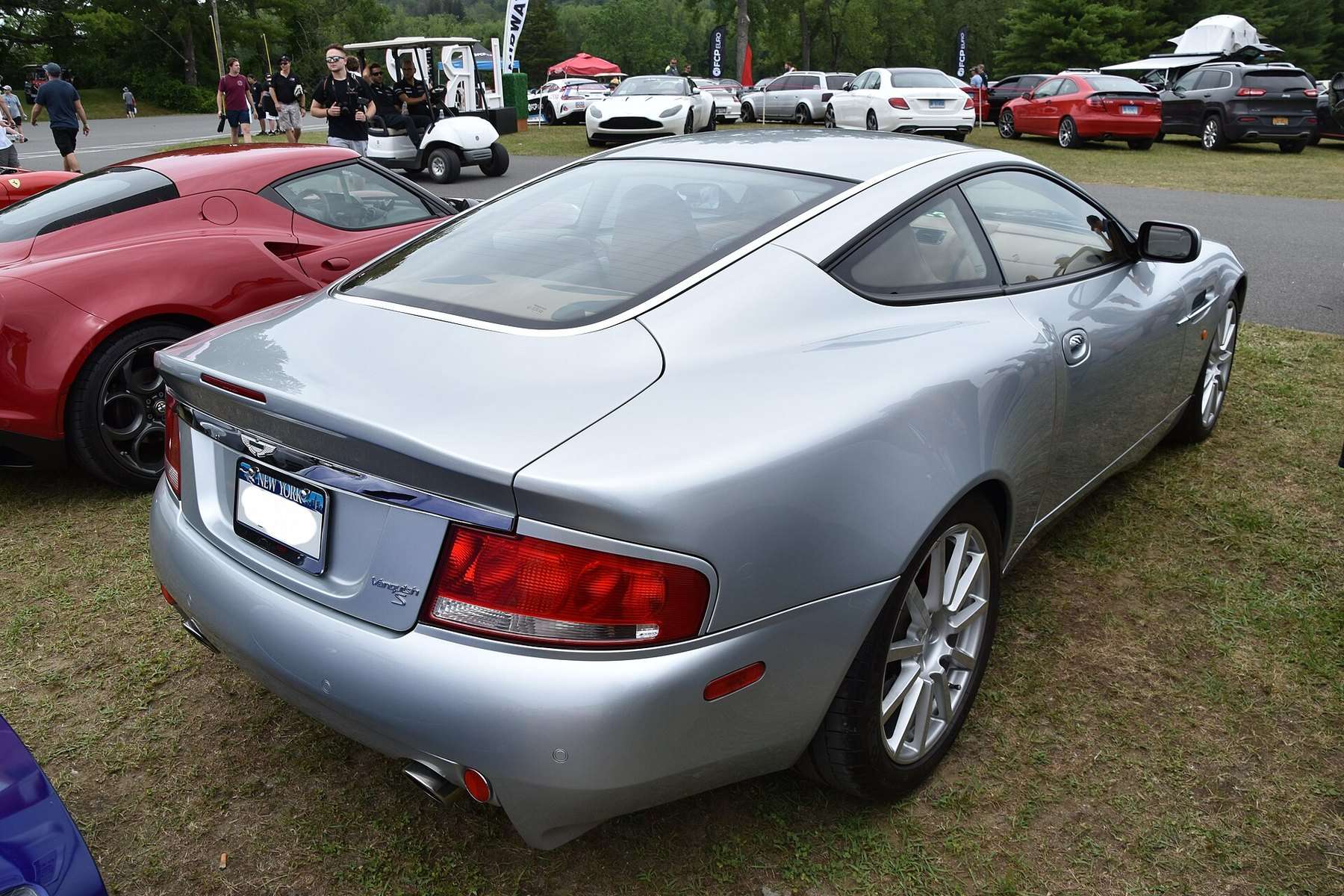
The S arrived for 2004 with more power and detail revisions that made it both faster and more resolved. The Ultimate Edition marked the final production run at Newport Pagnell.

Love cars you don’t see every day?
Get forgotten cars, surprising motoring stories and the most interesting finds from Unusual Cars by email.
Free to join. No spam. Unsubscribe whenever you like. See our privacy policy.
Understanding the paddle-shift gearbox
The gearbox is mechanically a six-speed manual. Hydraulic actuators operate the clutch and select gears under electronic control, so it should not be driven like a torque-converter automatic. Lifting slightly during upshifts and avoiding prolonged clutch slip helps.
Warning messages, slow selection, dropped gears or a car that jumps to neutral need diagnosis. Clutch wear, position sensing, actuator health and correct calibration all matter. A specialist should read stored data and assess clutch life rather than relying on feel alone.
Manual conversions
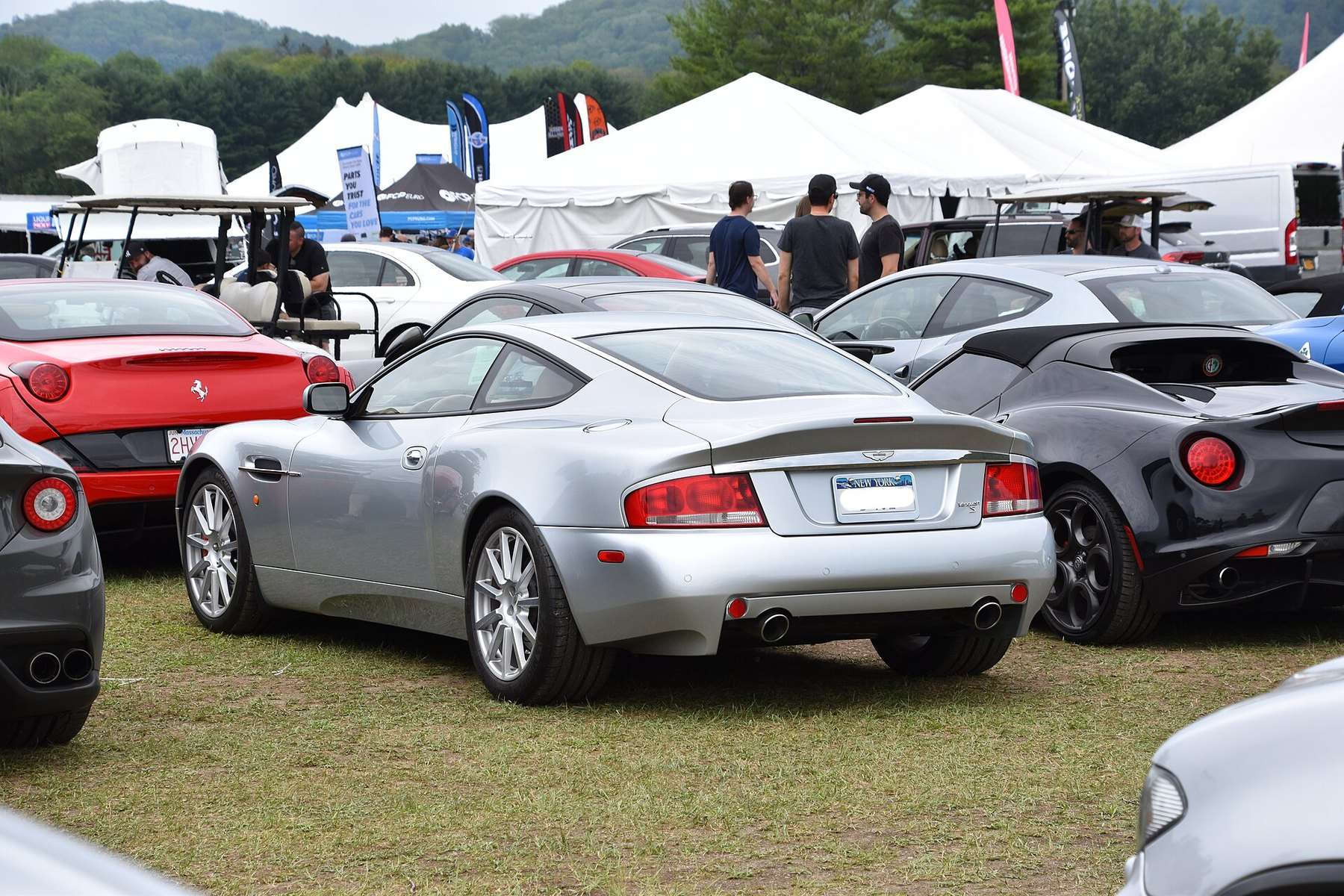
Aston Martin Works developed a conventional manual conversion, and independent specialists offer alternatives. The conversion retains the underlying gearbox but replaces automated operation with a clutch pedal and gear lever.
A converted car is not automatically superior. Verify who completed the work, which components and software were used, whether the change is documented, and whether original parts accompany the car. Some buyers value factory originality; others prefer the control and long-term simplicity of a manual.
V12, cooling and structure
Heat and water can damage coil packs, leading to misfires and costly labour. Inspect the cooling system, front water manifold, thermostat pipes, auxiliary drives and oil leaks. Confirm clean starting, even idle and full specialist service history.
Although the structure uses aluminium and carbon, steel fasteners and mixed materials can corrode. Inspect bonded joints, sills, floors, subframes and accident repairs. Panel replacement and correct structural work require model knowledge.
Chassis, brakes and buying priorities
Check dampers, bushes, steering, wheel bearings, tyre age and brake condition. The S uses expensive model-specific components, and original wheels are vulnerable to poor refurbishment. Test every electrical function, air conditioning, seat mechanism and window.
Choose a car with continuous specialist maintenance and proof of gearbox attention. A low-mileage example that has sat unused may require more recommissioning than a regularly exercised car with thoughtful upgrades.
Sources and further reading
- Aston Martin: Vanquish history
- Aston Martin: Vanquish at 25
- evo: first-generation Vanquish review and buying guide
- Classic & Sports Car: V12 Vanquish buyer's guide
Continue the Aston Martin story
The first Vanquish carried Aston Martin from traditional coachbuilding into bonded structures, electronic shifting and the modern super-GT era. Explore the complete Aston Martin hub. Compare the DB7 Vantage. Read the V550 and V600 Vantage guide.
Frequently asked questions
When was the first Aston Martin Vanquish built?
The first-generation V12 Vanquish was launched in 2001 and remained in production until 2007.
How much power does the original Vanquish have?
The standard model produces 460 bhp; the later Vanquish S produces 520 bhp.
Is the Vanquish gearbox an automatic?
It is an electrohydraulically operated six-speed manual gearbox, controlled by steering-wheel paddles and an automated clutch.
Can a first-generation Vanquish be converted to manual?
Yes. Aston Martin Works and independent specialists have offered conventional manual conversions, but provenance and conversion quality must be checked.
What are the main Vanquish buying checks?
Prioritise gearbox and clutch data, V12 ignition and cooling, mixed-material corrosion, accident repairs, suspension, brakes, tyres and specialist history.