UNUSUAL CARS MODEL GUIDE
The DB7 Vantage was the car that turned Aston Martin’s elegant six-cylinder DB7 into a modern V12 grand tourer. Introduced at Geneva in 1999, it combined Ian Callum’s familiar shape with a new 5.9-litre engine, extensively revised chassis, stronger brakes and a more assertive appearance. It also established the V12 architecture that would underpin Aston Martins for years.
Quick answer: the DB7 Vantage was built from 1999 to 2003 as a coupé and Volante. Its 5,935 cc V12 produced 420 bhp and 400 lb ft, with a six-speed manual or five-speed automatic; later automatic cars used Touchtronic control. The 2002 DB7 GT raised manual-car output to 435 bhp, while the GTA retained the regular 420 bhp tune.
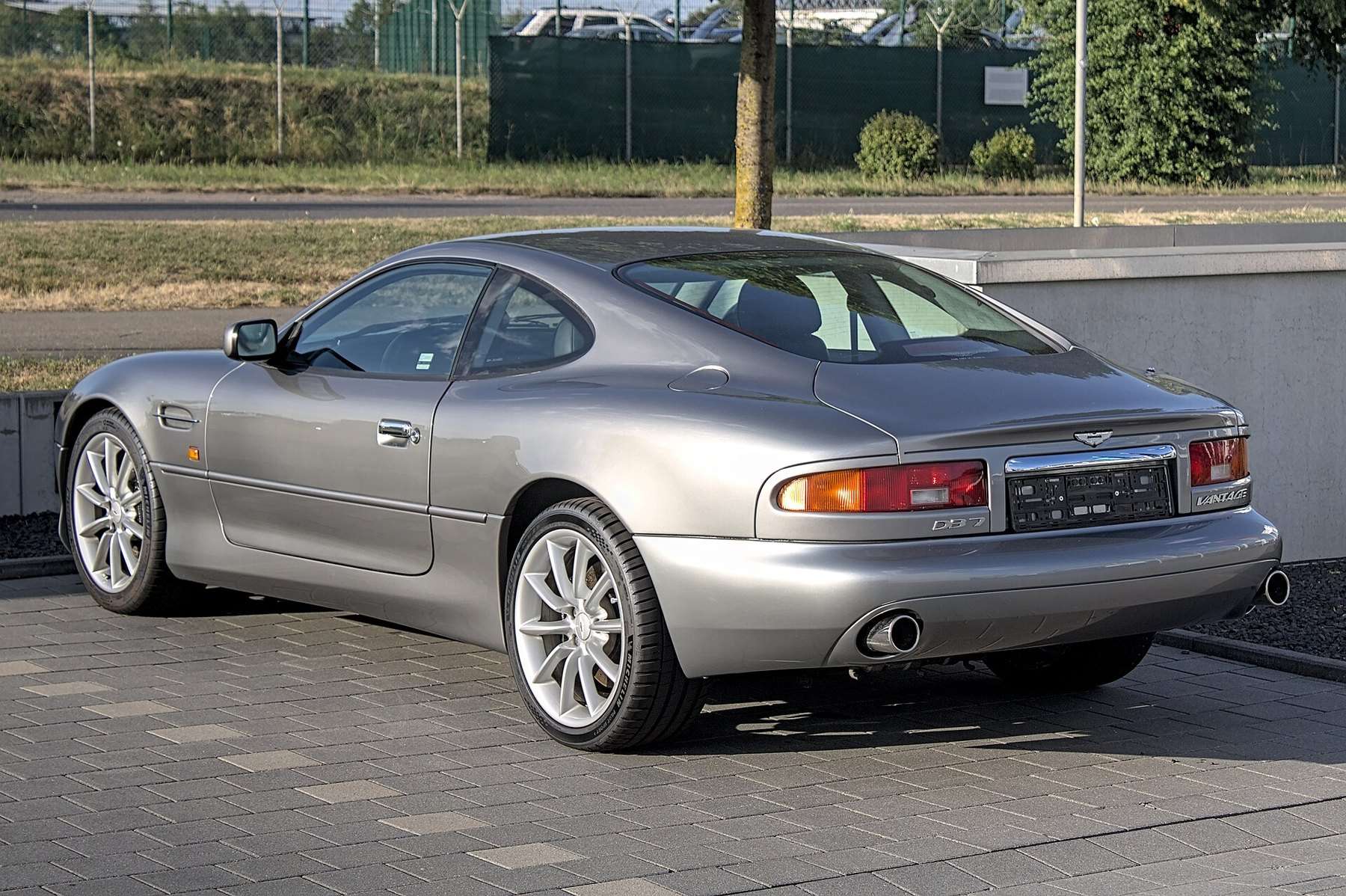
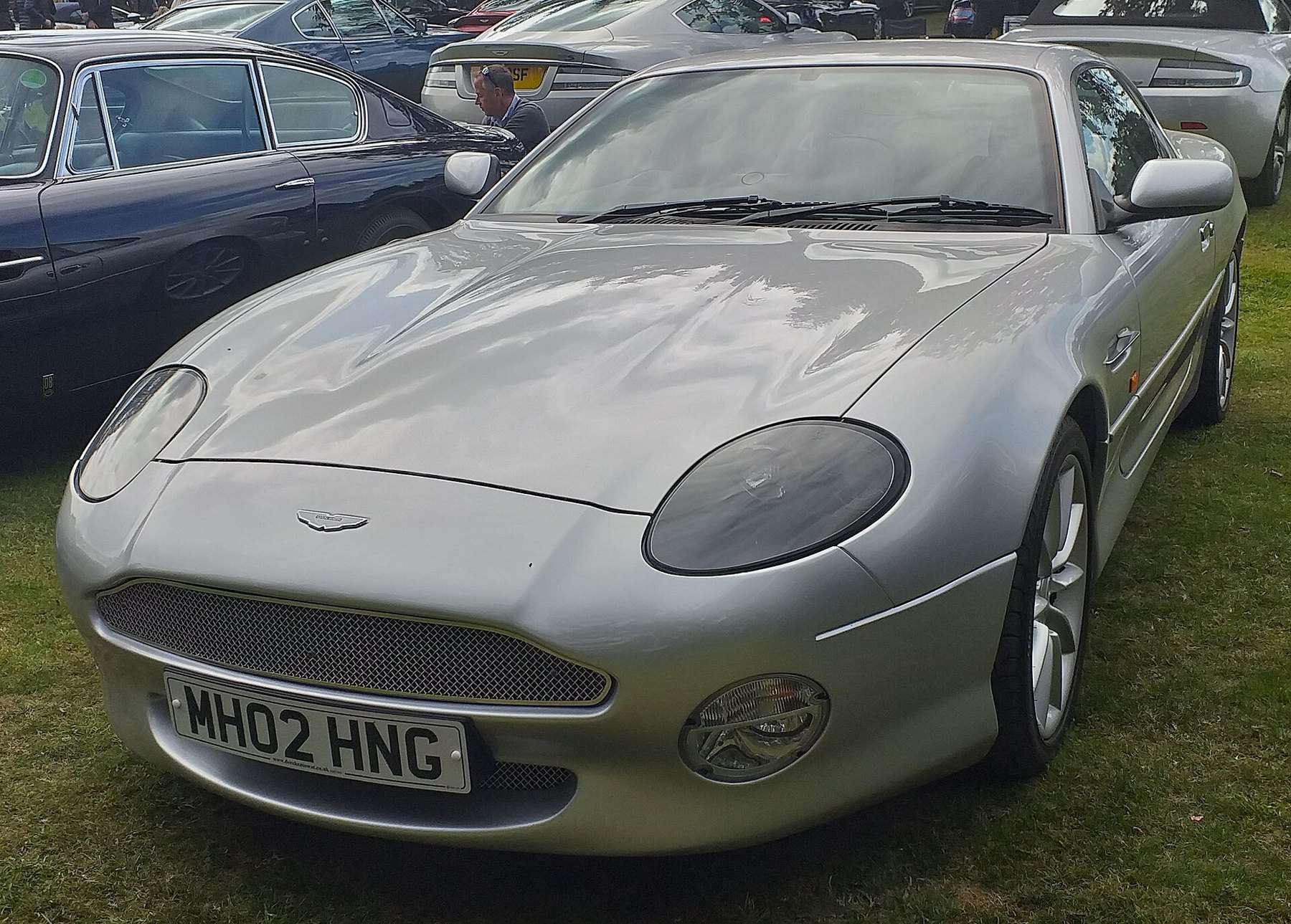
Featured image: Aston Martin DB7 Vantage front three-quarter view. Photograph by Alexander-93, CC BY-SA 4.0, via Wikimedia Commons; locally hosted.
From straight six to V12
The original DB7 had secured Aston Martin’s future, but by the late 1990s the company needed more performance and refinement. Aston Martin worked with Ford’s research facilities and Cosworth Technology on an all-alloy 48-valve V12. The new engine required revised suspension, cooling, brakes and body details rather than a simple engine swap.
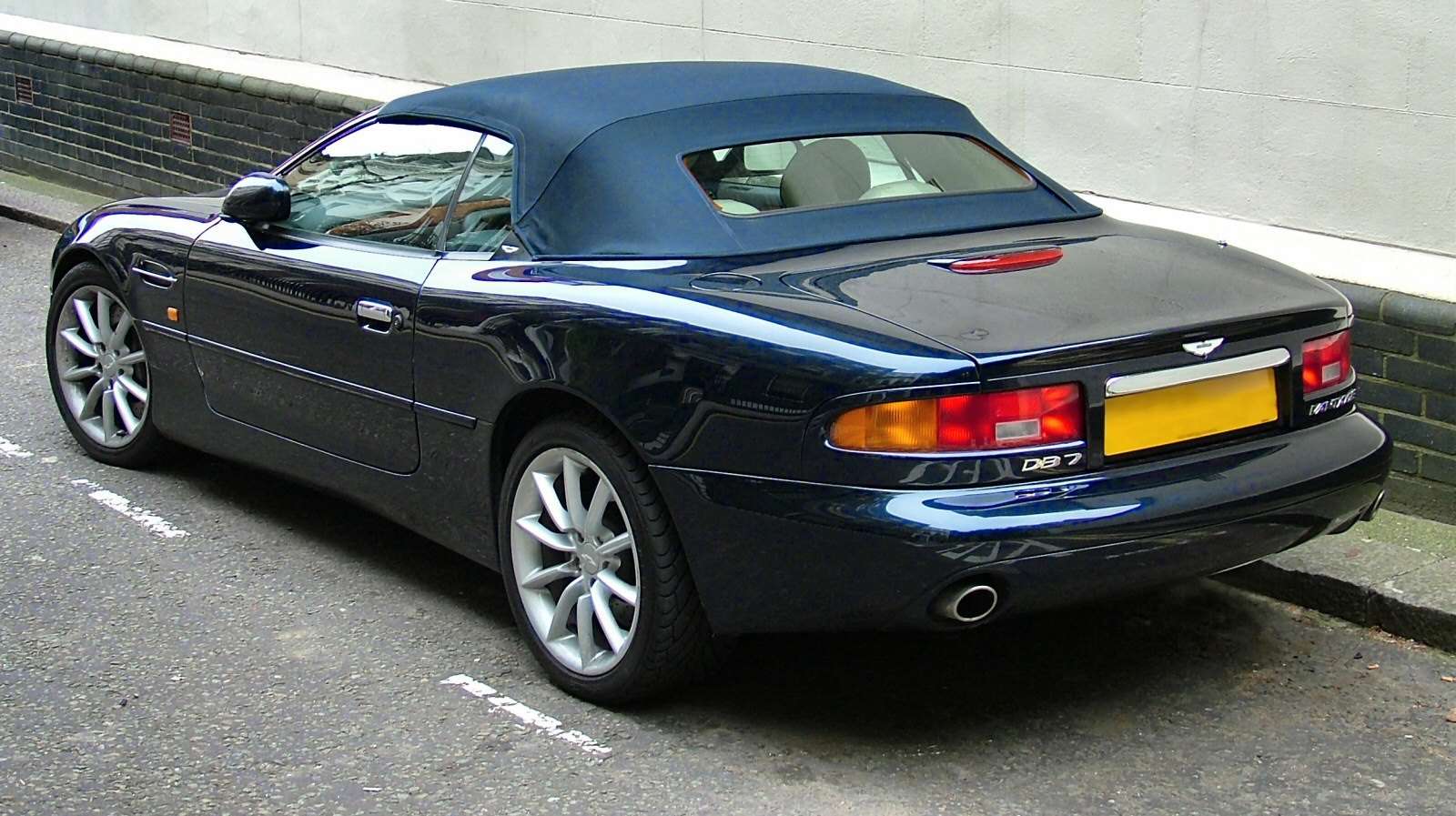
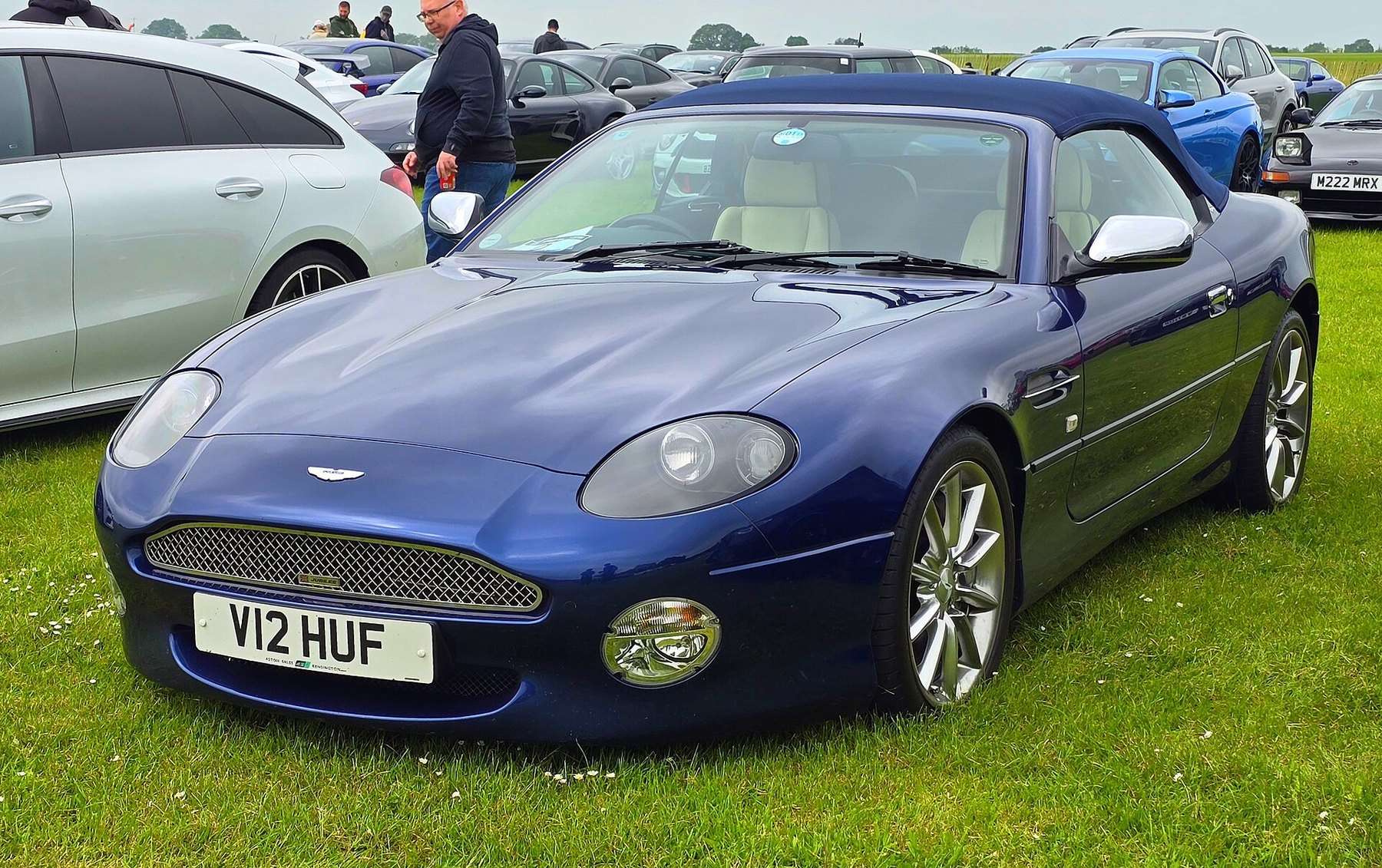
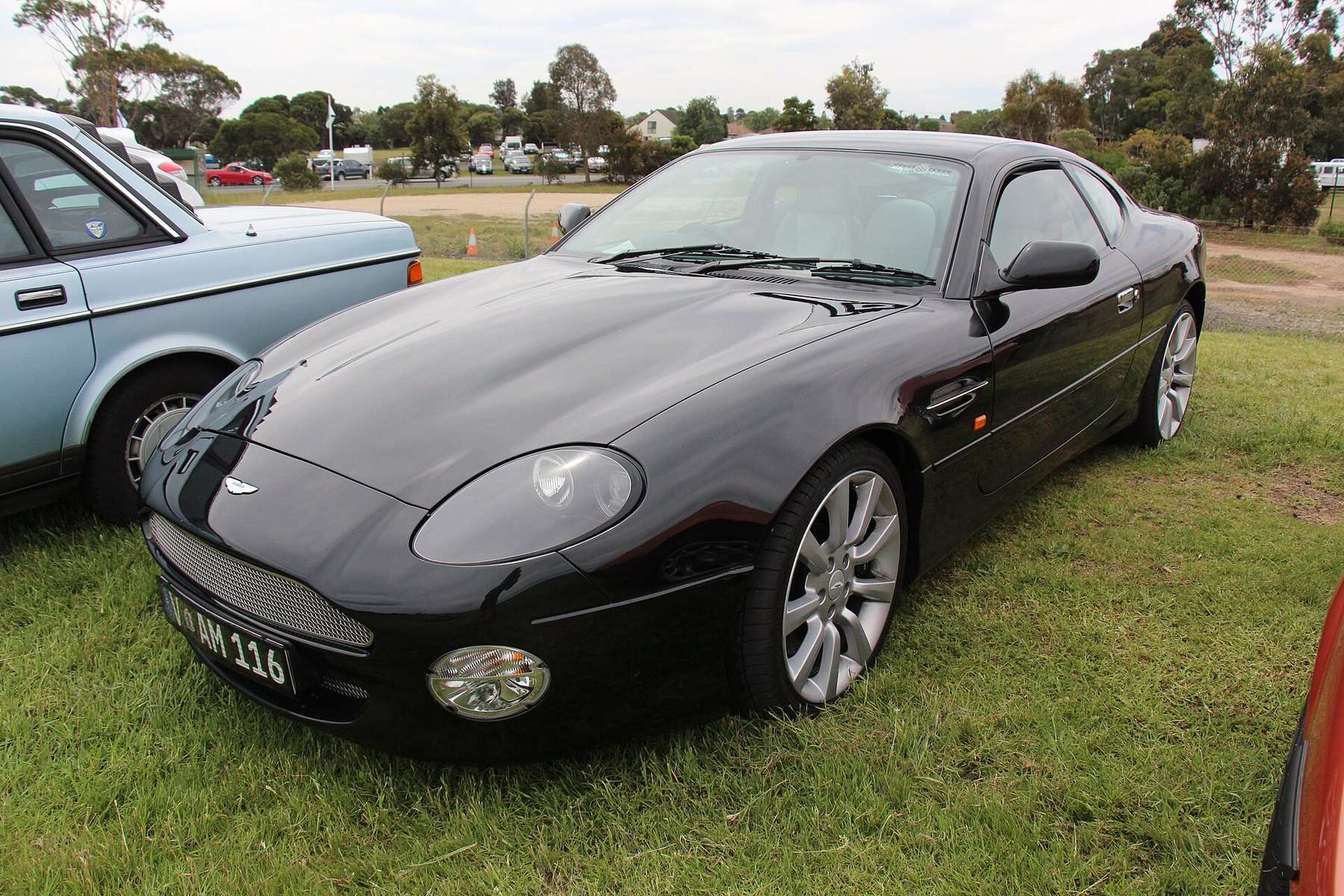
A larger grille, reshaped lamps, sill treatment and 18-inch wheels distinguished the Vantage. Inside, Newport Pagnell supplied hand-finished leather and trim to the Bloxham assembly operation.
Models and specifications
| Version | Key specification |
|---|---|
| Vantage Coupé | 420 bhp V12; six-speed manual or five-speed automatic |
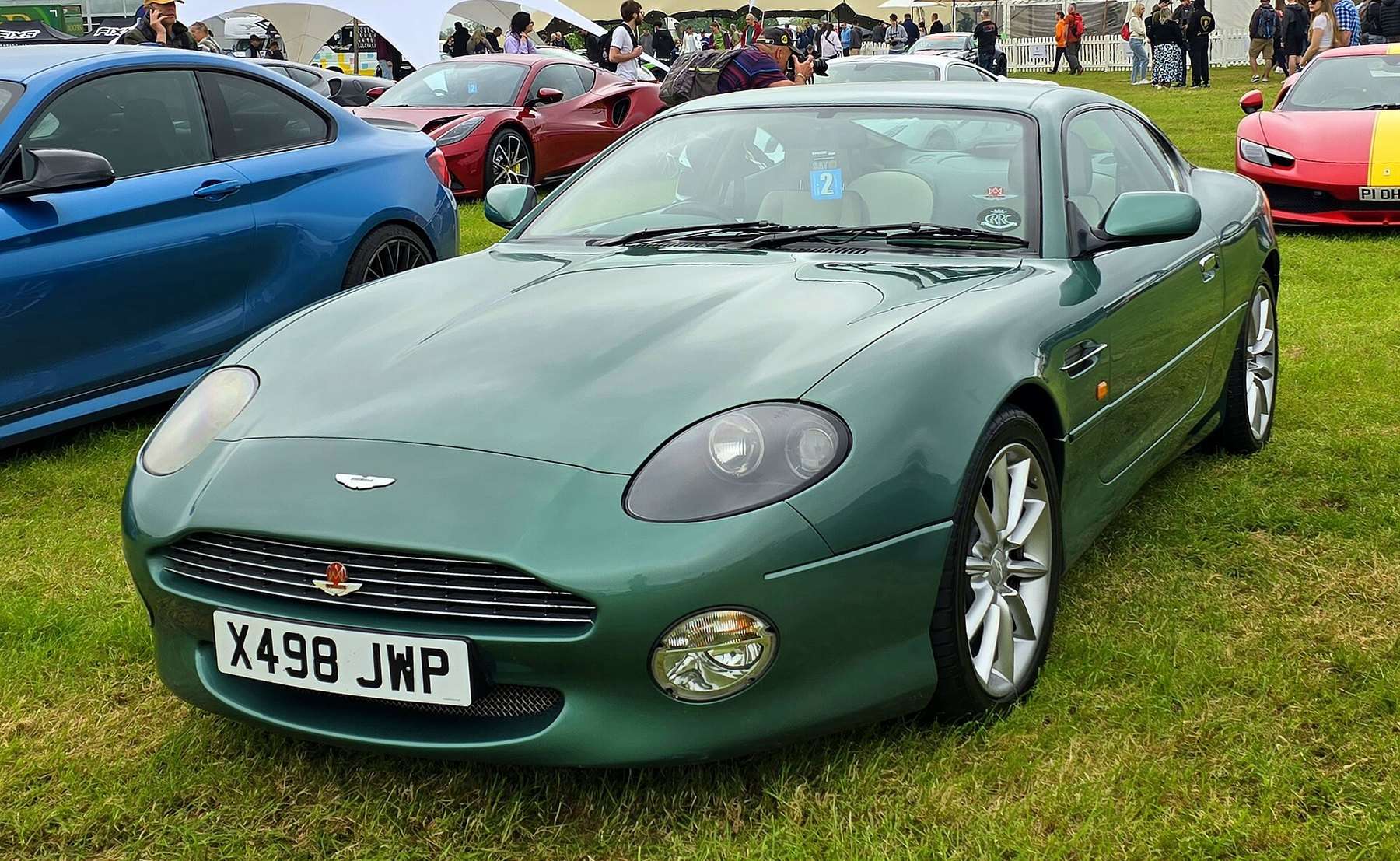
| Vantage Volante | Open four-seat GT with the same 420 bhp V12 |
| GT | 190 manual coupés; 435 bhp, revised suspension, brakes and aerodynamics |
| GTA | 112 automatic coupés; GT appearance and chassis changes, 420 bhp |
| Jubilee | 24 special editions, of which 19 were for the UK |
The manual offers direct involvement but clutch replacement is expensive. The automatic suits the car’s grand-touring character; Touchtronic added steering-wheel control without changing the underlying torque-converter gearbox.
Love cars you don’t see every day?
Get forgotten cars, surprising motoring stories and the most interesting finds from Unusual Cars by email.
Free to join. No spam. Unsubscribe whenever you like. See our privacy policy.
The DB7 GT and GTA
Launched at the 2002 British Motor Show, the GT used revised engine management and exhaust calibration for 435 bhp. A twin-plate clutch, firmer suspension, stronger brake assistance, underbody aerodynamic work, bonnet vents and distinctive wheels created the sharpest regular-production DB7.
The GTA shared much of the appearance and chassis treatment but kept the automatic transmission and 420 bhp engine. Because the two versions differ mechanically, badges and bodywork alone are not enough to establish identity.
Body, corrosion and water
Inspect the steel structure around front suspension mounts, sills, floor edges, rear wheelarches and jacking points. Composite outer panels can hide corrosion beneath, while aluminium and steel interfaces need careful checking after poor repairs. Panel fit and paint consistency matter because accident work is costly to correct.
Damp carpets can follow failed windscreen or scuttle seals. Check the boot, rear light areas and Volante hood drains, then test the roof through a complete cycle and look for abrasion or shrinking around the rear window.
V12, transmission and running gear
A cold start should be clean and even. Misfires may involve plugs, coil packs, injectors or water ingress; access makes labour significant. Check cooling hoses, radiator, fans, oil leaks and evidence of regular fluid servicing. Low-mileage cars still suffer when left standing.
Manual cars need a progressive clutch and quiet differential. Automatics should engage promptly and shift cleanly when hot. Inspect suspension bushes, dampers, wheel bearings, brakes and tyres, and confirm that the correct wheel and tyre sizes are fitted.
How to choose one
Prioritise a complete specialist history, dry structure, stable cooling and evidence that age-related work has been done. A pre-purchase inspection should include diagnostic checks, underside access and confirmation of factory specification.
A standard Vantage remains the most accessible V12 DB7. The GT and GTA are rarer and more focused, while the Volante trades ultimate rigidity for open-air character. Condition matters more than colour or headline mileage.
Sources and further reading
- Aston Martin: DB7 Vantage and Volante history and specifications
- Aston Martin Media: DB7 V12 Vantage archive
- Hagerty UK: Aston Martin DB7 buying guide
- Classic & Sports Car: Aston Martin DB7 buyer's guide
Continue the Aston Martin story
The DB7 Vantage is the bridge between Aston Martin’s 1990s recovery and its V12-led twenty-first-century range. Explore the complete Aston Martin hub. Continue with the V12 Vanquish. Compare the V550 and V600 V8 Vantage.
Frequently asked questions
When was the Aston Martin DB7 Vantage built?
The V12 DB7 Vantage and Vantage Volante were produced from 1999 until 2003.
How much power does the DB7 Vantage have?
The standard 5.9-litre V12 produces 420 bhp; the manual DB7 GT produces 435 bhp.
Was the DB7 Vantage available with a manual gearbox?
Yes. Buyers could choose a six-speed manual or a five-speed automatic, with Touchtronic control added to later automatics.
How many DB7 GT and GTA cars were built?
Aston Martin states that 190 GT manuals and 112 GTA automatics were built.
What are the main DB7 Vantage buying checks?
Check the steel structure for corrosion, cabin and boot for water, V12 ignition and cooling systems, transmission condition, suspension, brakes and documented specialist servicing.