UNUSUAL CARS MODEL GUIDE
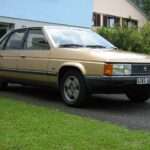
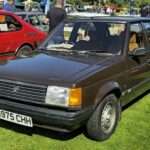
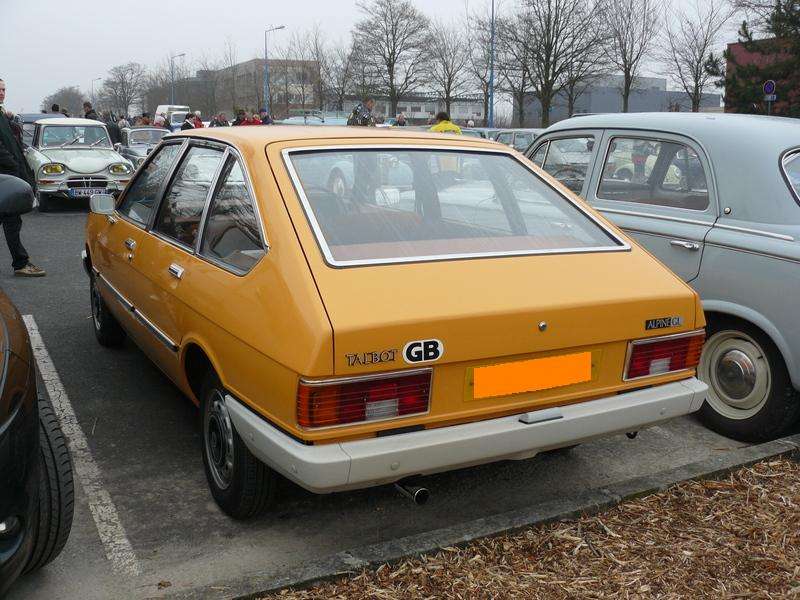
The Alpine and Solara were the heart of Talbot’s British family-car range. The Alpine began as Chrysler Europe’s Simca 1307/1308 and combined a large hatchback with front-wheel drive; the Solara added a conventional boot and more formal appearance. Both were assembled at Ryton, both carried several identities, and both became much rarer than their once-familiar fleet-car status suggests.
Quick answer: the UK Alpine was sold first as a Chrysler and then as a Talbot, with 1.3, 1.4 and 1.6-litre Simca-derived engines. The Solara arrived in Britain in 1980 as a four-door saloon using 1.3 and 1.6-litre engines. Structural rust, vinyl-roof corrosion, cooling, gearbox wear and missing trim dominate buying decisions.
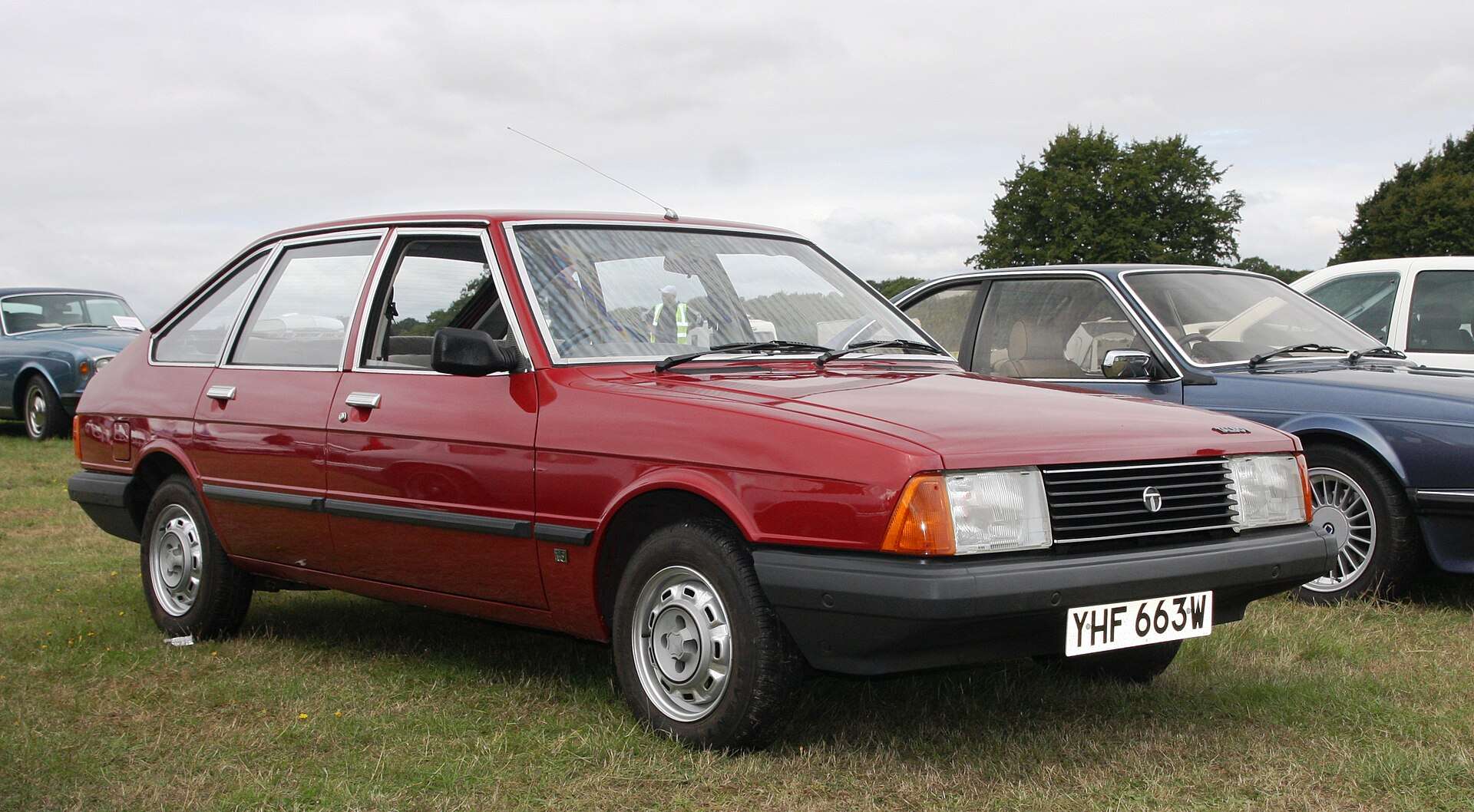
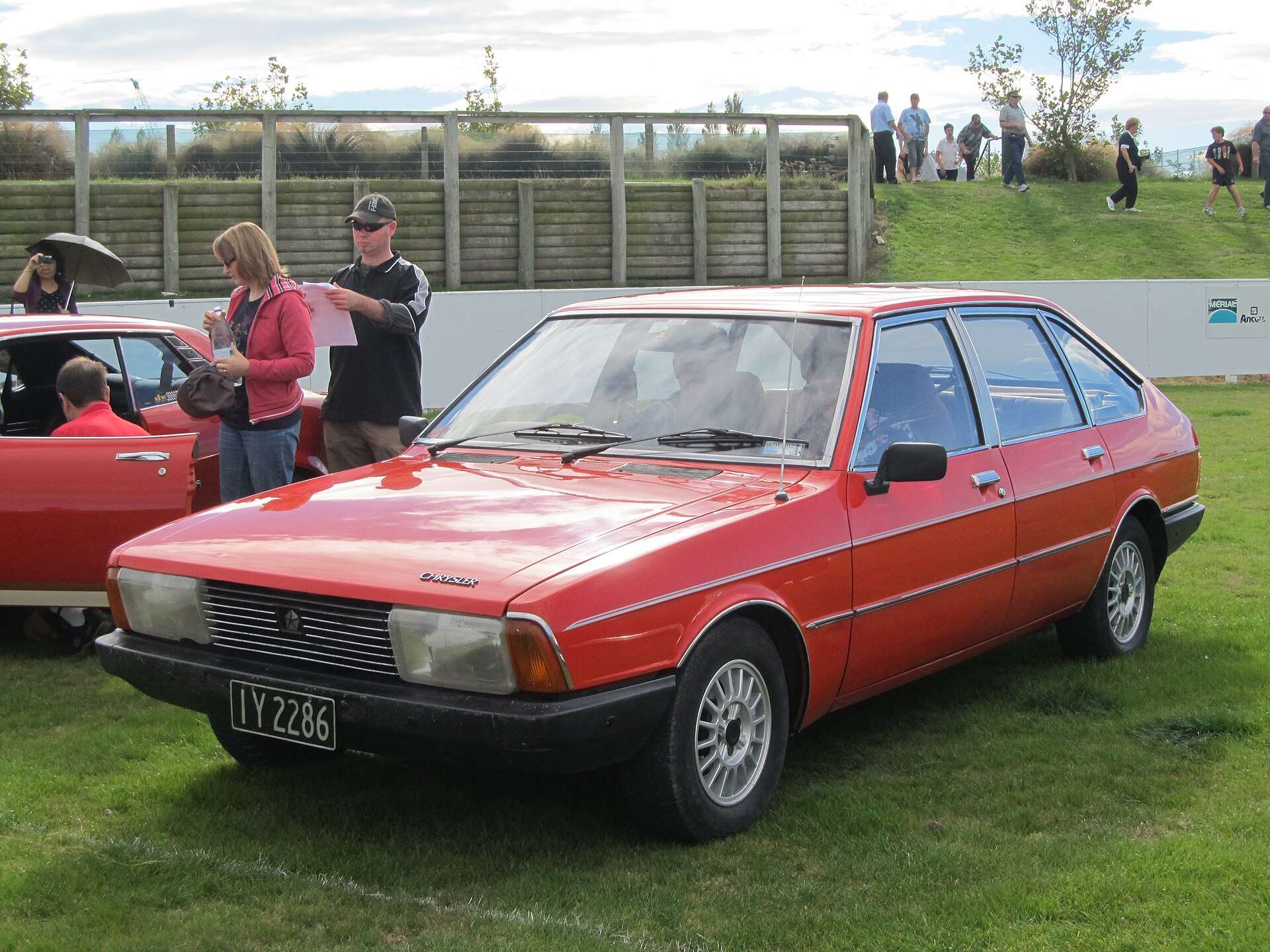
Featured image: 1981 Talbot Alpine 1442 cc. Photograph by Charles01, CC BY-SA 4.0, via Wikimedia Commons; locally hosted.
From Chrysler Alpine to Talbot
The car launched in continental Europe as the Simca 1307/1308 and in Britain as the Chrysler Alpine. Its transverse engine, front-wheel drive, long wheelbase and large hatch made it advanced beside many rear-wheel-drive saloons of the mid-1970s. It shared the 1976 European Car of the Year award under its continental name.
PSA revived the Talbot marque after acquiring Chrysler Europe. A revised 1510 appeared abroad while Britain retained the Alpine name. Early 1980 UK cars gained Talbot badging, a revised grille and dashboard, but the underlying architecture remained the same.
Alpine and Solara models
| Model | Body/engines | Character |
|---|---|---|
| Alpine LS | Five-door hatch; 1.3 or later 1.4 | Basic, spacious family model |
| Alpine GL/GLS | Five-door hatch; mainly 1.4 or 1.6 | Higher equipment; five-speed on selected cars |
| Alpine SX | Five-door hatch; 1.6 | Top trim, sometimes automatic |
| Solara | Four-door saloon; UK 1.3 and 1.6 | Longer rear body and large conventional boot |
| Late Minx/Rapier | Alpine and Solara derivatives | Traditional Rootes names used near the end |
Specifications changed often and surviving cars may have acquired later trim. Period brochures, the chassis plate and original sales documents are more reliable than badges alone.
Love cars you don’t see every day?
Get forgotten cars, surprising motoring stories and the most interesting finds from Unusual Cars by email.
Free to join. No spam. Unsubscribe whenever you like. See our privacy policy.
Why the Solara was different
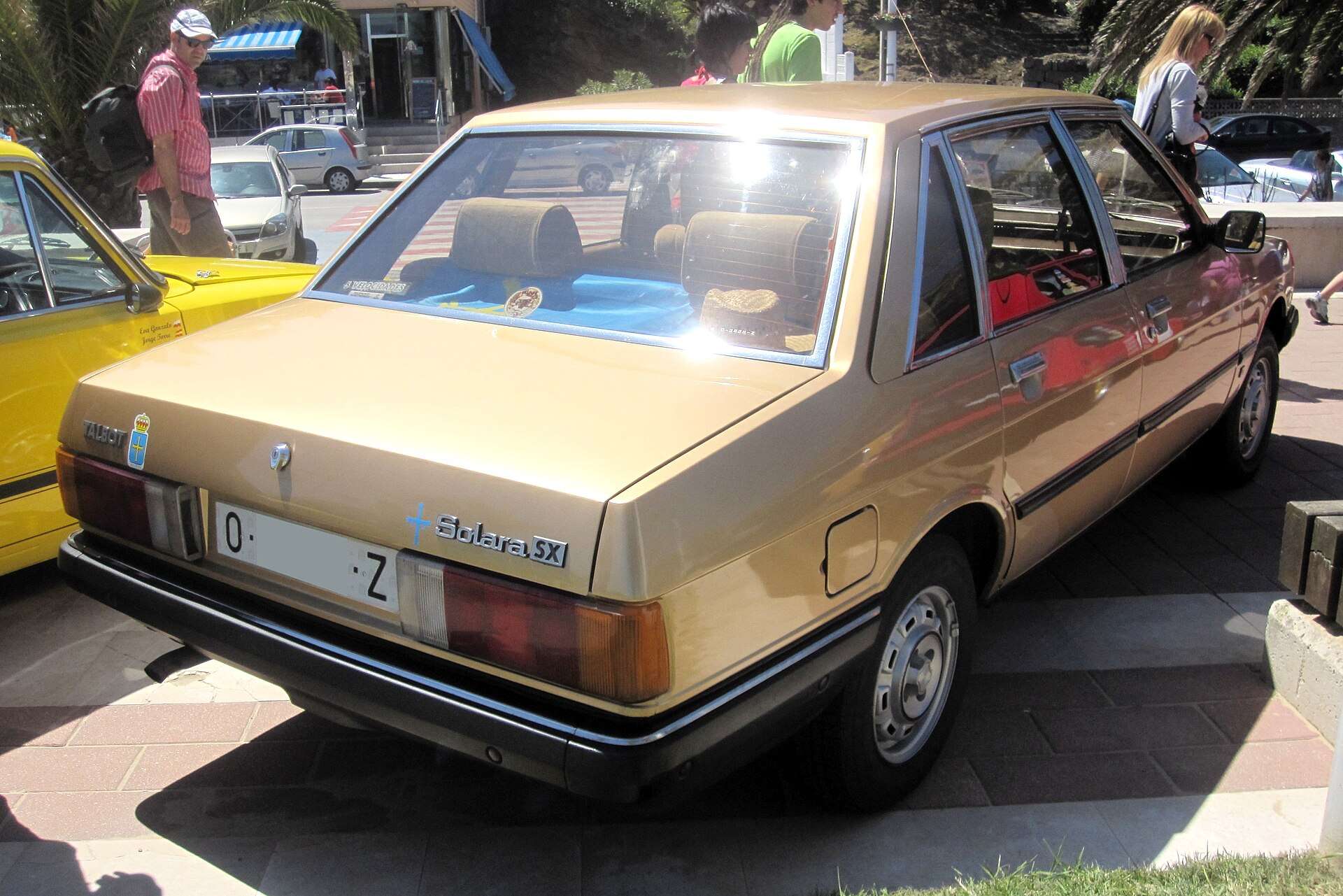
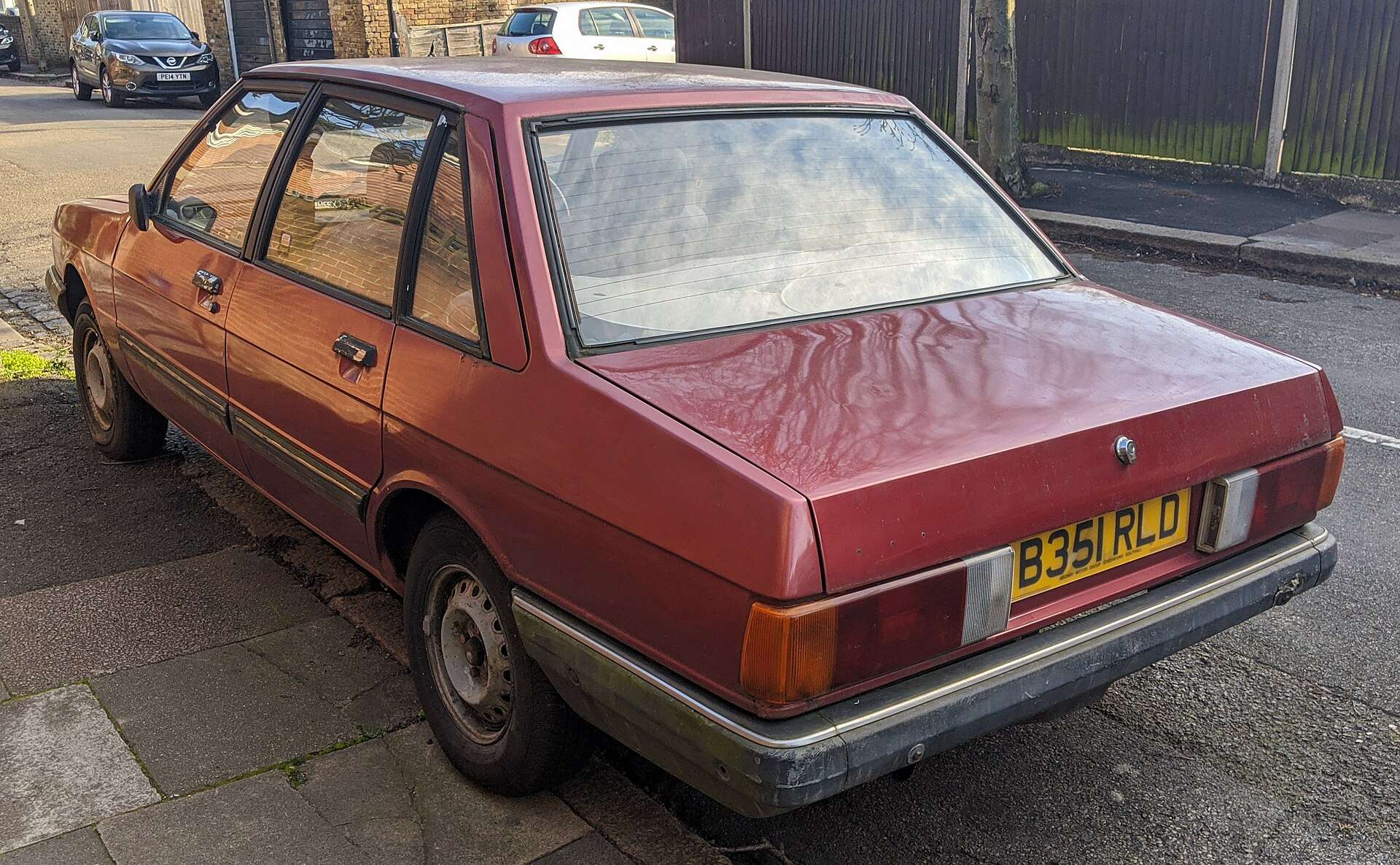
The Solara arrived in continental Europe in April 1980 and in Britain two months later. It reused the Alpine from the front through the rear doors but gained a new three-box tail, adding about three inches and a very large boot. At a time when company-car buyers still associated a separate boot with status, the Solara was intended to move Talbot upmarket.
Its 1,592 cc versions are the most characteristic, offering useful torque and relaxed cruising rather than outright pace. The saloon’s different rear panels, lights and trim now make a complete Solara especially worth preserving.
Mechanical and structural checks
The Simca-derived engines should be lively but mechanically vocal. Check cold starting, oil pressure, cooling-system condition, carburettor wear, engine mounts and exhaust leaks. Five-speed gearboxes used on some versions need clean selection; automatics should engage promptly and change smoothly when hot.
Inspect suspension towers, front valance, bulkhead, windscreen surround, sills, floor edges, rear arches, boot or hatch floor and rear suspension mounts. Vinyl roofs fitted to many UK GLS and SX cars trap moisture around the screen pillars and roof seams, so inspect beneath the covering rather than accepting surface appearance.
Buying the best survivor
Decide between hatchback and saloon
The Alpine offers the more useful load opening; the Solara is rarer and has a distinct formal character. Condition should decide between them because both are now scarce.
Check model-specific trim
Dashboards, seats, lamps, wheel trims, badges and late Minx or Rapier details are difficult to source. A complete interior can be worth more than an apparent mechanical upgrade.
Investigate every repair
Large family cars were once repaired cheaply. Look for overlapping patches, distorted jacking points, hidden filler and mismatched panels. A sound shell with a tired engine is generally the more recoverable proposition.
Research sources
- Simca Talbot Club: Talbot Alpine and 1510 history
- Simca Talbot Club: Talbot Solara history
- Simca Talbot Club: UK Alpine and Solara timeline
- Honest John Classics: Talbot Solara overview
Continue the Talbot story
The Alpine and Solara show how Chrysler Europe’s practical hatchback evolved into Talbot’s last conventional British family-car range. Explore the complete Talbot hub. Continue with the Talbot Horizon. See the larger Tagora executive saloon.
Frequently asked questions
What is the difference between a Talbot Alpine and Solara?
The Alpine is a five-door hatchback; the Solara uses the same basic platform with a longer rear body and a conventional four-door saloon boot.
Was the Talbot Alpine built in Britain?
Yes. UK Alpines and Solaras were assembled at Ryton.
What engines were offered in British cars?
UK ranges used Simca-derived four-cylinder engines of roughly 1.3, 1.4 and 1.6 litres, depending on model and year.
Why are vinyl-roof cars risky?
Moisture can become trapped beneath the vinyl and corrode the roof seams and windscreen pillars.
What should buyers prioritise?
Sound structure, a complete interior and correct model-specific trim should take priority over nominal specification.