UNUSUAL CARS MODEL GUIDE
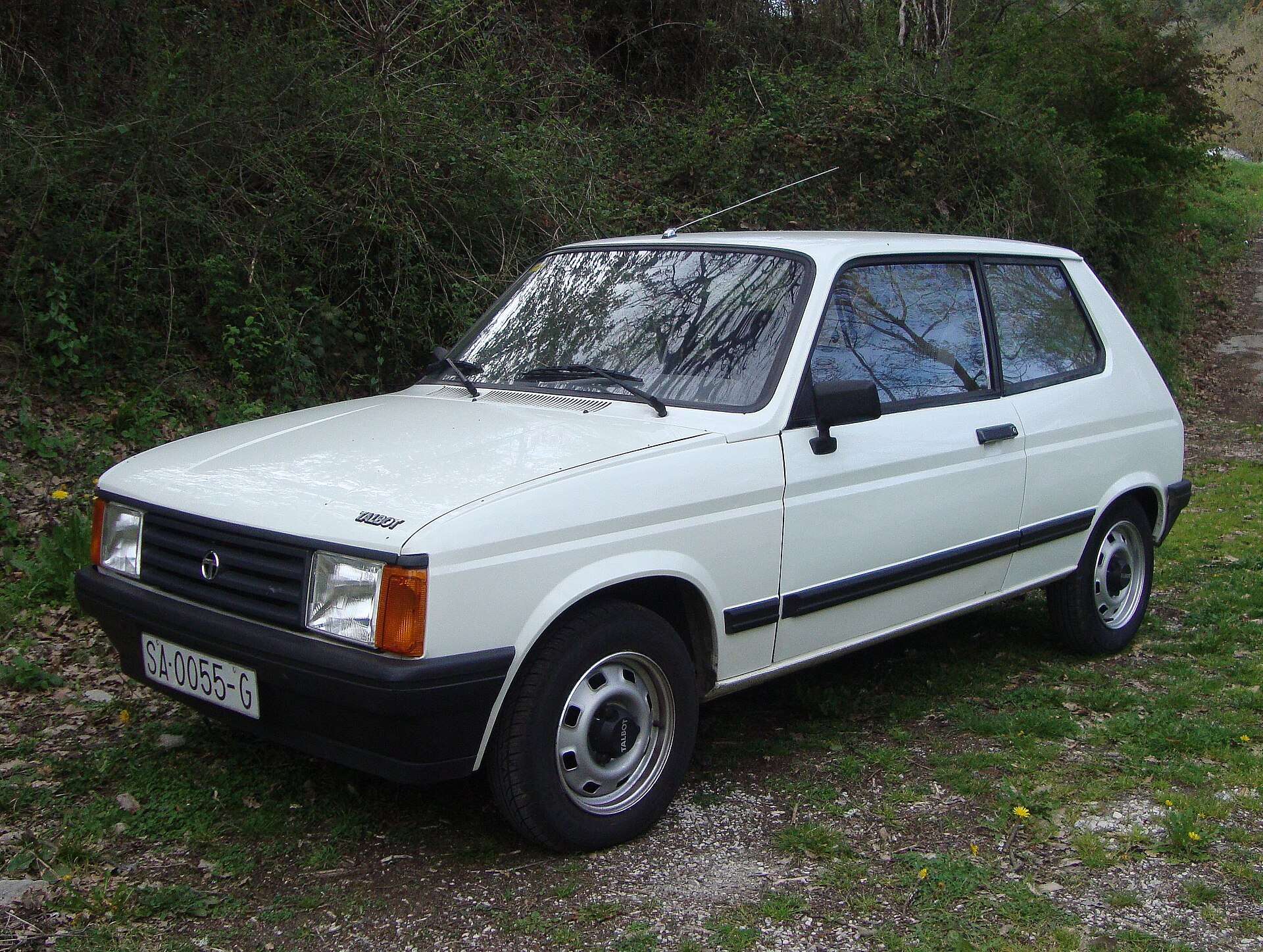
The Talbot Samba was the marque’s smallest passenger car and one of its most varied. Beneath the distinct three-door body sat Peugeot 104-based mechanicals, but the range stretched from an exceptionally economical 954 cc hatchback to the twin-carburettor Rallye and a Pininfarina-converted Cabriolet. It arrived in Britain in 1982 and disappeared with the Talbot passenger-car name in 1986.
Quick answer: UK Sambas included 954, 1,124 and 1,360 cc hatchbacks, the open Cabriolet and an 80 bhp Rallye. The best-known continental Rallye used a 1,219 cc twin-carburettor engine producing 90 bhp, so buyers must identify the exact market version. Rust, missing trim and neglected cooling or carburation are the main risks.
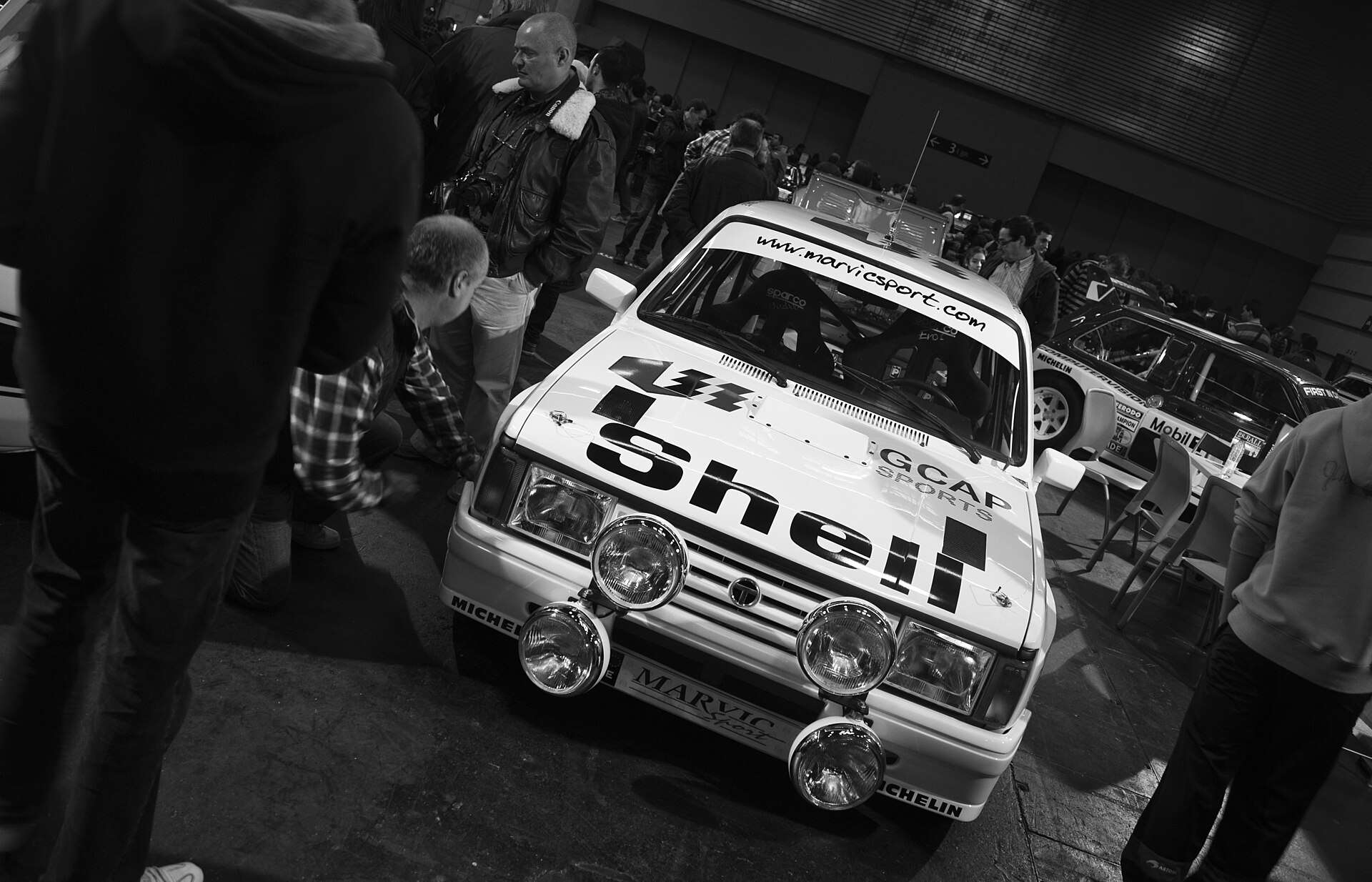
Featured image: Talbot Samba Rallye. Photograph by Spanish Coches, CC BY 2.0, via Wikimedia Commons; locally hosted.
A compact Talbot for the 1980s
PSA needed a small Talbot quickly, so the Samba used the Peugeot 104 platform and inclined X-series engine while gaining a longer wheelbase and unique outer panels. Production took place at Poissy. Its packaging gave front occupants useful space, although the rear seats and boot remained compact.
British sales began in February 1982 with LE, LS, GL and GLS versions. Low prices and strong economy helped it reach the UK top 20 during its first year, briefly restoring volume to a marque struggling with changing identities.
UK models, Rallye and Cabriolet
| Version | Engine/output | Notes |
|---|---|---|
| LE/LS | 954 cc, around 45 bhp | Entry UK models; LE was priced below key rivals |
| GL | 1,124 cc, around 49 bhp | Useful everyday middle model |
| GLS | 1,360 cc, around 72 bhp | Five-speed gearbox and richer equipment |
| Rallye | UK 1,360 cc/80 bhp; continental 1,219 cc/90 bhp | Sporting trim and twin-carburettor engines |
| Cabriolet | 1,360 cc, 72 or later 80 bhp | Pininfarina conversion; UK launch October 1982 |
Market specifications matter. A car wearing Rallye stripes may not have the close-ratio gearbox, engine or identity of the 1,219 cc model, while late Cabriolets shared the 80 bhp tune used by the UK Rallye.
Love cars you don’t see every day?
Get forgotten cars, surprising motoring stories and the most interesting finds from Unusual Cars by email.
Free to join. No spam. Unsubscribe whenever you like. See our privacy policy.
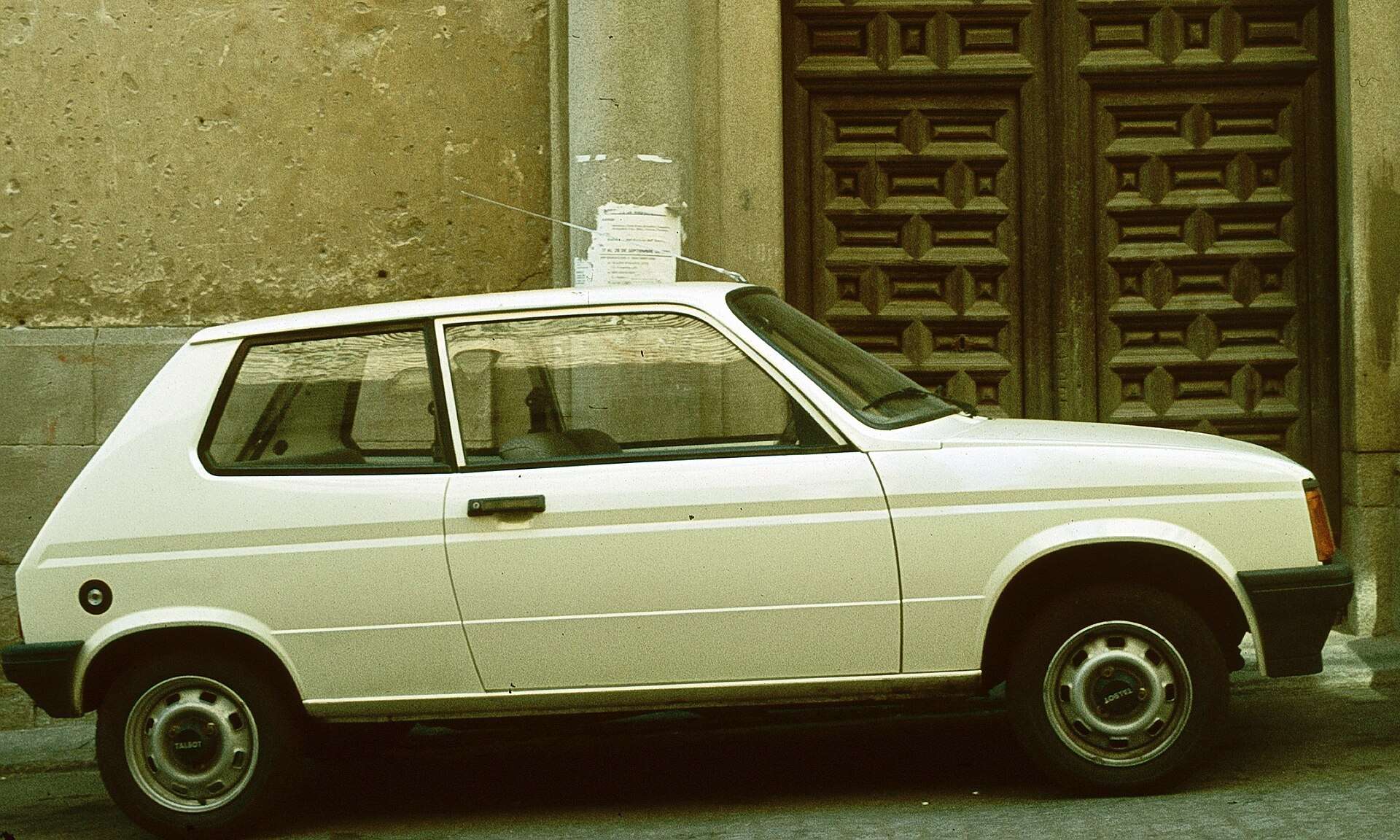
The Pininfarina Cabriolet
The Cabriolet was more than a hatch with its roof removed. Bodyshells travelled to Pininfarina in Turin for strengthening, roll-bar, hood and boot-lid work, then returned to Poissy for final assembly. The process produced one of the few small factory-backed convertibles available at the start of the 1980s.
Check the hood frame, latches, rear window, seals, drains and strengthened sills. Water ingress can damage floors and rear structure. Correct Cabriolet trim is scarce, so a complete but tired car may be preferable to an apparently cheaper example with missing fittings.
Rallye character and competition
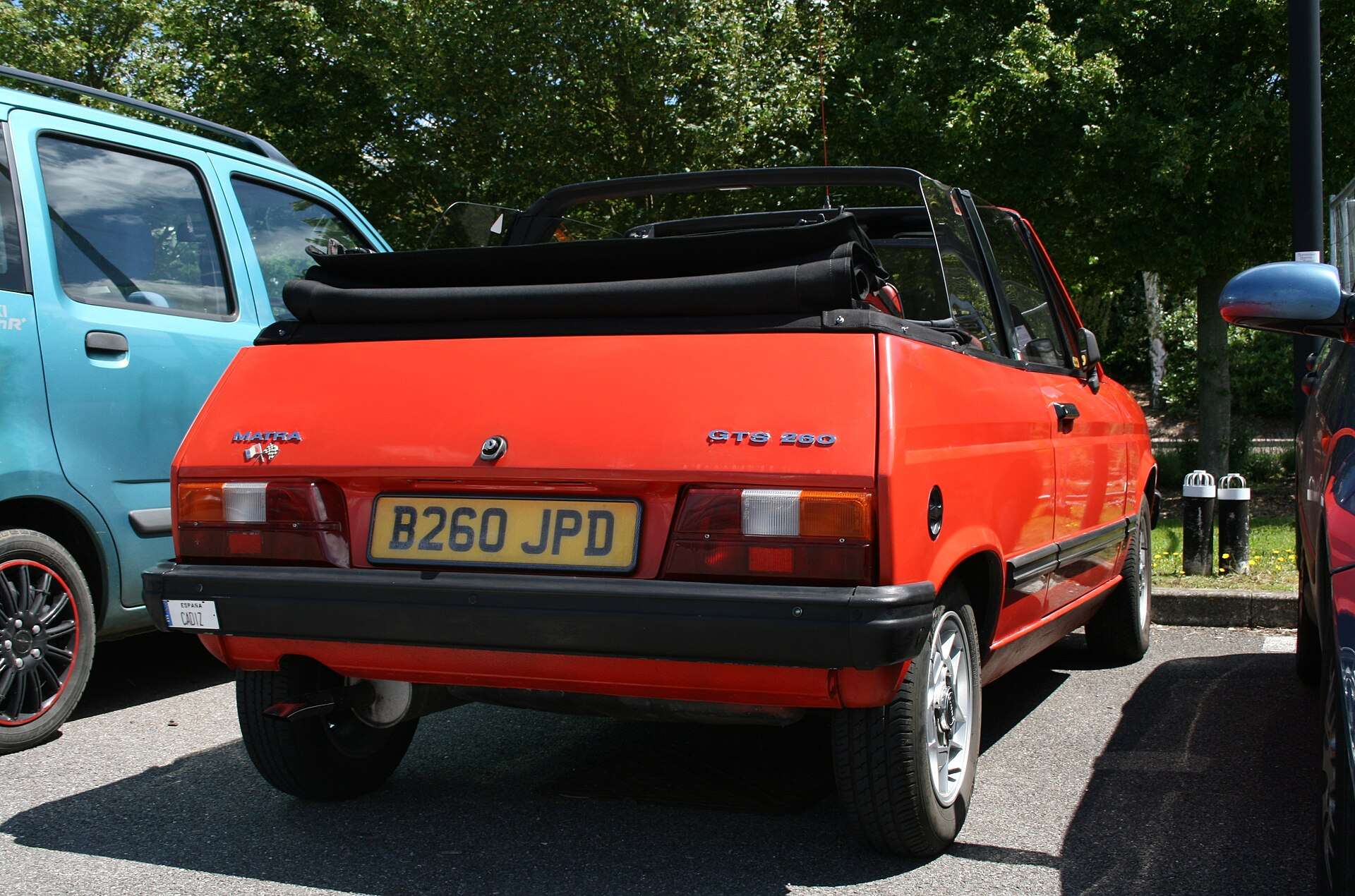
The 1983 continental Rallye revived a Simca tradition with 90 bhp, bold graphics, sports seats and a close-ratio five-speed gearbox. Peugeot Talbot Sport also homologated a Group B Samba Rallye for private competitors; the FIA Historic Database preserves its competition record.
Road cars should idle cleanly on both carburettors and pull without hesitation. Check throttle linkage, manifold leaks, cooling, engine mounts and gearbox synchro. Rally-style modifications are common, so establish whether the shell has competed, been repaired or merely acquired cosmetic parts.
Body, chassis and buying checks
Inspect the front valance, inner wings, strut towers, bulkhead, screen surround, sills, floors, rear arches, hatch edges and suspension pick-ups. The lightweight body needs sound structure. Brakes should pull up straight, steering should be light without play, and suspension bushes and wheel bearings should be quiet.
Confirm engine size, gearbox, trim and market specification from the identity plate and paperwork. Many mechanical parts cross-reference with Peugeot models, but unique glass, panels, lamps, dashboards and Cabriolet fittings can stop a restoration. Buy the most complete sound car rather than the fastest-looking one.
Research sources
- Simca Talbot Club: Talbot Samba history and UK range
- FIA Historic Database: Talbot Samba Rallye
- FIA Historic Database: Group B Samba Rallye
- Simca Talbot Club and Talbot Register
Continue the Talbot story
The Samba was Talbot’s last small car and linked economical UK hatchbacks with Pininfarina style and grassroots rallying. Explore the complete Talbot hub. Read the Talbot Sunbeam Lotus guide. Continue with the larger Horizon.
Frequently asked questions
Was the Talbot Samba sold in the UK?
Yes. British sales began in February 1982 and continued until 1986.
Who built the Samba Cabriolet?
Pininfarina strengthened and converted the bodies in Turin before final assembly at Poissy.
What engine does a Samba Rallye have?
UK Rallyes commonly use an 80 bhp 1,360 cc engine; the better-known continental Rallye uses a 90 bhp 1,219 cc twin-carburettor engine.
Was the Samba used in Group B rallying?
Yes. Peugeot Talbot Sport homologated a competition Samba Rallye for Group B.
Where does a Talbot Samba rust?
Check the valances, inner wings, strut towers, bulkhead, windscreen surround, sills, floors, rear arches and suspension pick-ups.