UNUSUAL CARS MODEL GUIDE
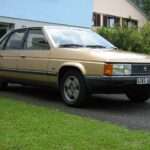
The Talbot Tagora was one of the boldest and least successful executive cars of the early 1980s. Conceived by Chrysler Europe, finished under Peugeot ownership and sold for barely two years, it combined dramatic space and austere styling with a mixture of Simca and Peugeot engineering. The 2.6 SX added a 165 bhp PRV V6, four-wheel disc brakes and equipment intended to challenge six-cylinder Fords, Rovers and German saloons.
Quick answer: the Tagora reached Britain in 1981, with the 2.6 SX following in October. Its 2,664 cc PRV V6 produced 165 bhp and drove the rear wheels through a five-speed manual gearbox. Only 19,403 Tagoras of all versions were built before production ended in June 1983, so completeness and structural condition are crucial.
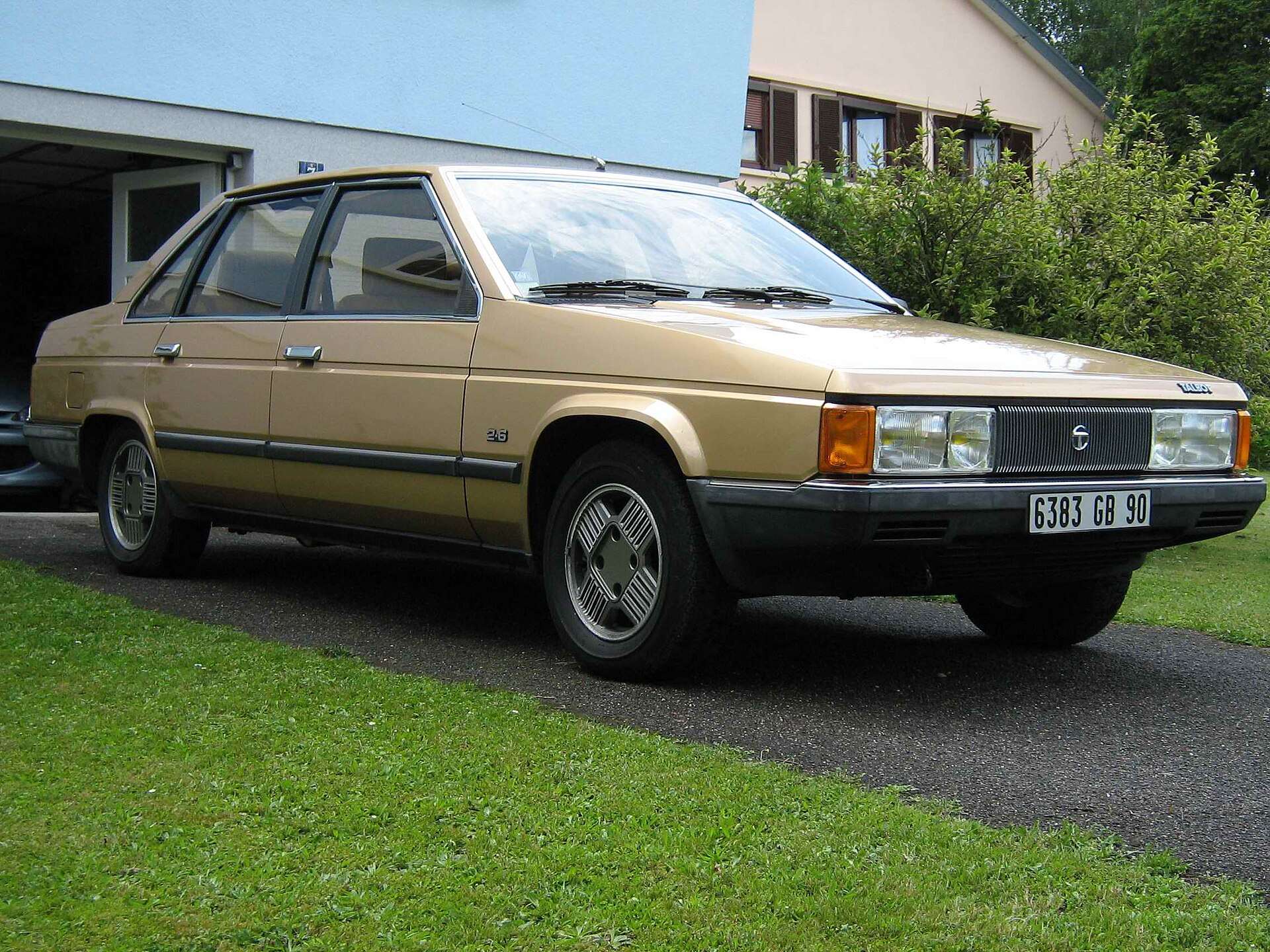
Featured image: Talbot Tagora 2.6 SX. Photograph by Arnold.p, CC BY-SA 3.0, via Wikimedia Commons; locally hosted.
From Chrysler C9 to Talbot
Project C9 began in 1976 as Chrysler Europe planned a replacement for the Chrysler 180 and 2 Litre. Much of the body concept was fixed before PSA bought Chrysler Europe in 1978. Peugeot then reworked the package around components already available within the enlarged group, including MacPherson-strut front suspension and semi-trailing-arm rear suspension related to the 505 and 604.
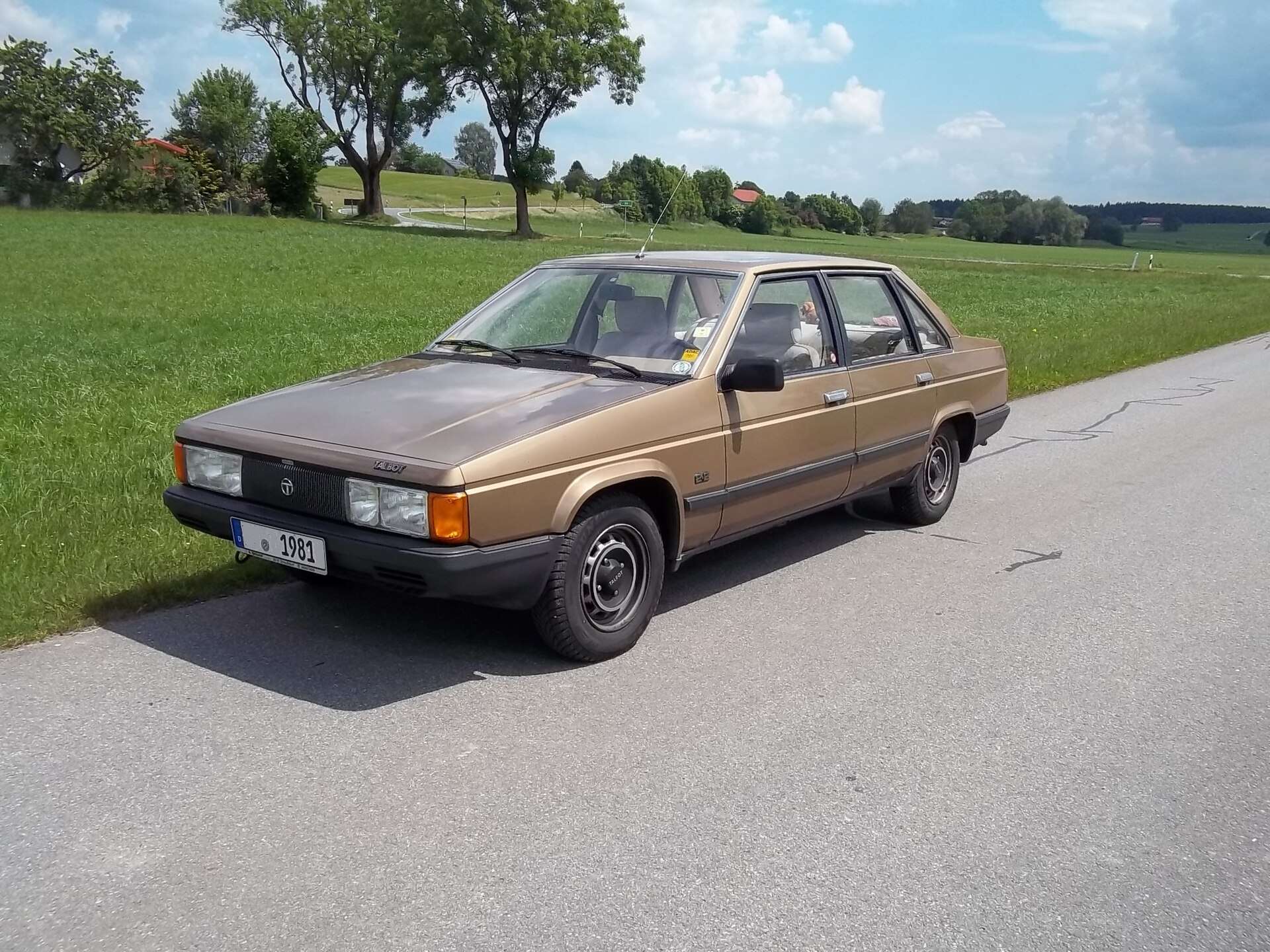
The result was unusually wide, with a steep windscreen, low bonnet and vast passenger compartment. It appeared at the 1980 Paris show and reached British dealers in May 1981. The revived Talbot name was still unfamiliar and the economic climate was hostile to a new large car, but the Tagora itself was more carefully engineered than its reputation suggests.
Models and specifications
| Version | Engine | UK context |
|---|---|---|
| GL | 2,155 cc four-cylinder, 115 bhp; four-speed manual | Entry version, short-lived |
| GLS | 2,155 cc four-cylinder, 115 bhp; five-speed manual | Power steering, central locking and richer trim |
| SX | 2,664 cc PRV V6, 165 bhp; five-speed manual | Alloy wheels, four-wheel discs, four electric windows and trip computer |
| DT | 2.3-litre turbo diesel | Not officially imported to Britain |
The SX used two triple-choke carburettors to make substantially more power than the contemporary Peugeot 604 V6. Period testers recorded brisk performance, while the long wheelbase and wide cabin made the Tagora an effective high-speed touring car.

Love cars you don’t see every day?
Get forgotten cars, surprising motoring stories and the most interesting finds from Unusual Cars by email.
Free to join. No spam. Unsubscribe whenever you like. See our privacy policy.
The SX engine and driveline
The PRV V6 is the Tagora most enthusiasts seek. It should start cleanly, settle to an even idle and pull without hesitation through both carburettors. Cold-start reluctance, flat spots and fuel smells can indicate worn carburettor linkages, air leaks or poor adjustment. Check cooling-system condition closely: radiator, water pump, hoses, fan operation and evidence of overheating all matter.
The five-speed gearbox should select cleanly and the clutch should take up without judder. Listen for differential and rear wheel-bearing noise. Correct Metric alloy wheels and suitable tyres are valuable because substitutions can change both appearance and gearing.

Body, suspension and cabin
Inspect the front valance, wings, suspension towers, bulkhead, windscreen surround, sills, floors, jacking areas, rear arches, boot floor and rear suspension mounts. A rare car is not automatically a sound car, and poor repairs can be difficult to correct when panels are scarce.
The cabin is a major part of the Tagora’s character. Check the trip computer, electric windows, central locking, instruments, heater blower and headlamp wash/wipe system. Interior plastics, switches, cloth and SX-specific trim are much harder to find than routine service parts. The ventilation was criticised when new, but a non-working fan or blocked matrix still needs proper diagnosis.

Buying a surviving Tagora
Confirm identity and completeness
Use chassis and engine records, original handbooks and invoices. An SX should retain its V6, four-wheel discs, alloy wheels and appropriate equipment. Missing trim can take years to locate.
Inspect before valuing rarity
Commission-number rarity does not compensate for weak structure, an incomplete fuel system or a ruined interior. Club knowledge is especially valuable because normal price guides and parts catalogues rarely reflect the model accurately.
Plan for sympathetic use
A sorted Tagora is spacious, distinctive and capable, but it is not a car for improvising maintenance. Preserve original parts, document substitutions and obtain specialist advice before modifying its unusual mixture of Talbot and Peugeot components.
Research sources
- Simca Talbot Club: Talbot Tagora history and UK range
- FIA Historic Database: Tagora 2.2 homologation form
- Talbot Tagora period brochures
- Simca Talbot Club and Talbot Register
Continue the Talbot story
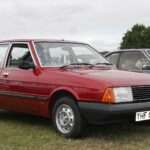
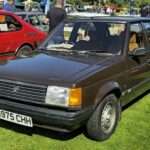
The Tagora was Talbot’s final attempt at a new executive flagship. Explore the complete Talbot hub. Compare the Alpine and Solara family cars. Continue with the Horizon.
Frequently asked questions
When was the Talbot Tagora sold in Britain?
The Tagora arrived in Britain in May 1981; the 2.6 SX followed in October 1981 and production ended in June 1983.
What engine is in the Tagora SX?
The SX uses a 2,664 cc PRV V6 with two triple-choke carburettors, producing 165 bhp.
Is the Tagora rear-wheel drive?
Yes. All Tagoras use a front-engine, rear-wheel-drive layout.
How many Talbot Tagoras were built?
The Simca Talbot Club records 19,403 cars of all versions.
What matters most when buying a Tagora?
Structural condition, complete model-specific trim, a sound cooling and fuel system, and verifiable identity matter most.