UNUSUAL CARS MODEL GUIDE
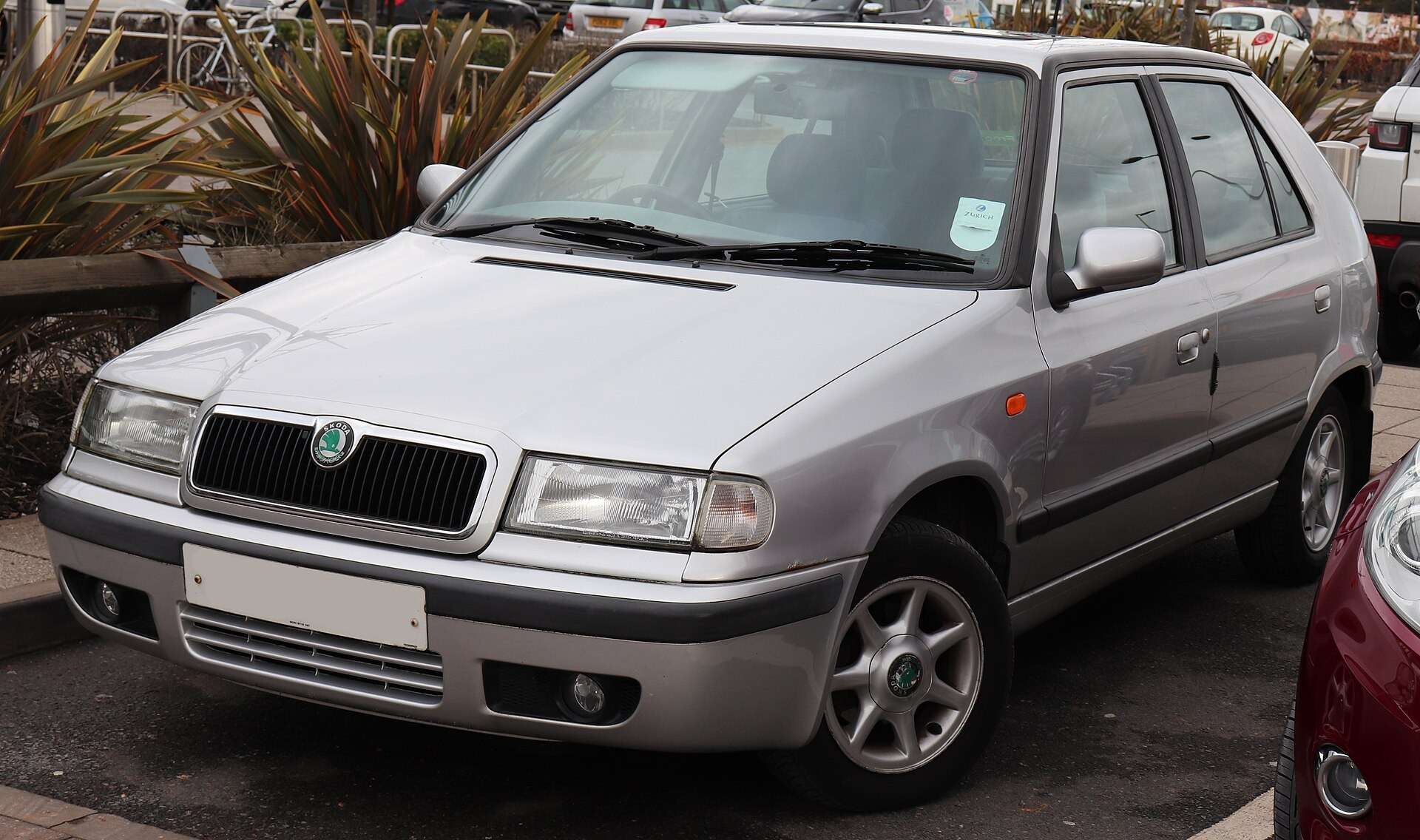
The 1994–2001 Škoda Felicia was the company’s first new model developed after Volkswagen took a stake in the Czech manufacturer. Based on the Favorit platform but extensively revised, it became a familiar budget hatchback in Britain and expanded into an estate, practical Pick-up and the colourful Felicia Fun.
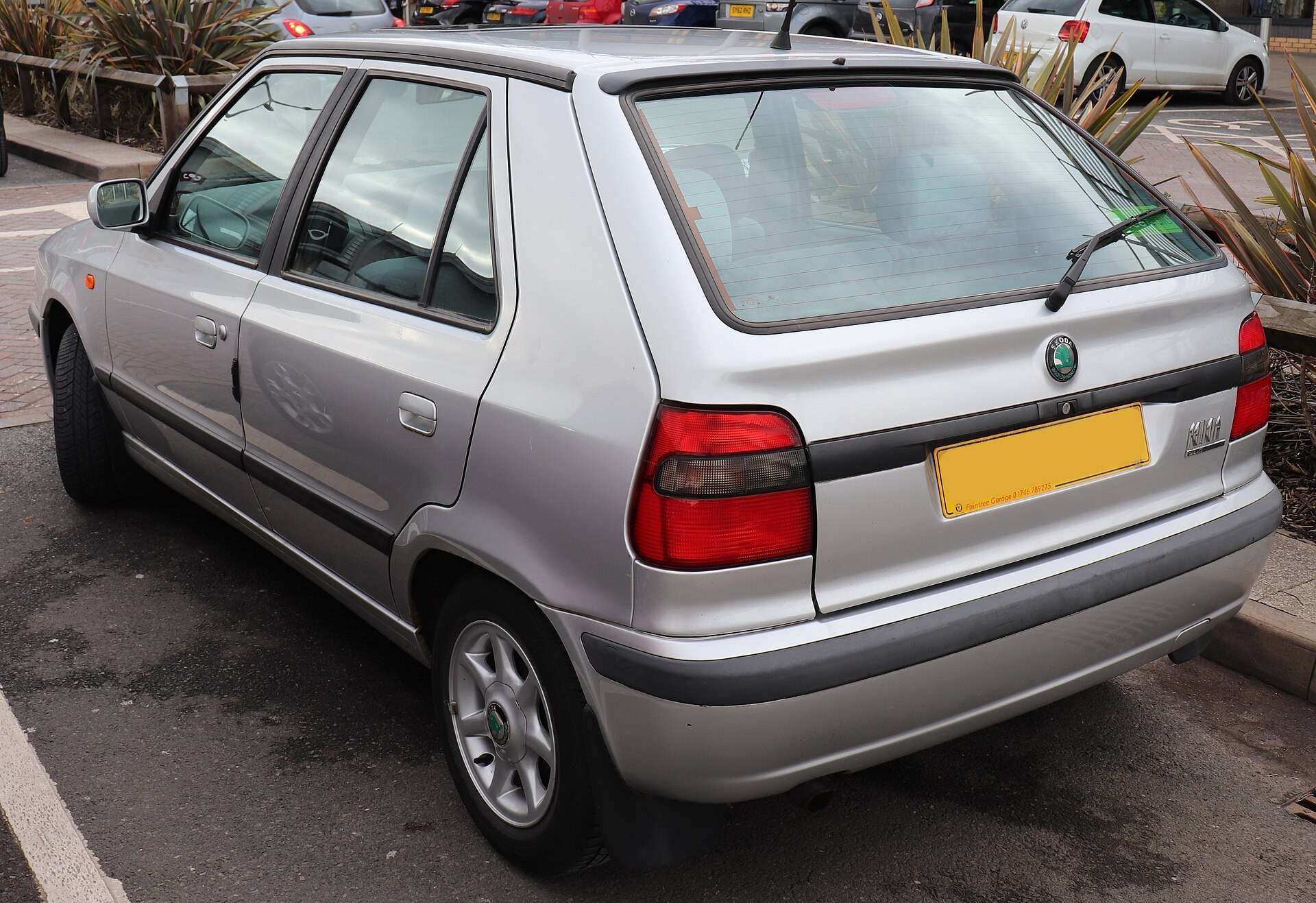
Featured image: 1995 Škoda Felicia LXi hatchback. Photograph by Calreyn88, CC BY-SA 4.0, via Wikimedia Commons; locally hosted.
The bridge to modern Škoda
The Felicia replaced the Favorit in 1994 but retained its basic front-wheel-drive architecture. Volkswagen influence appeared in production quality, component choice, safety development and the availability of group engines. The result was not yet a clean-sheet VW-platform car, which is precisely why it is historically interesting.
British advertising turned Škoda’s old reputation into self-deprecating humour while dealers offered long warranties and low prices. The strategy worked: the Felicia helped normalise the badge before the first modern Octavia arrived.
Models and specifications
| Version | Engines | Role |
|---|---|---|
| Hatchback | 1.3 petrol, 1.6 petrol, 1.9 diesel | Core five-door UK family car. |
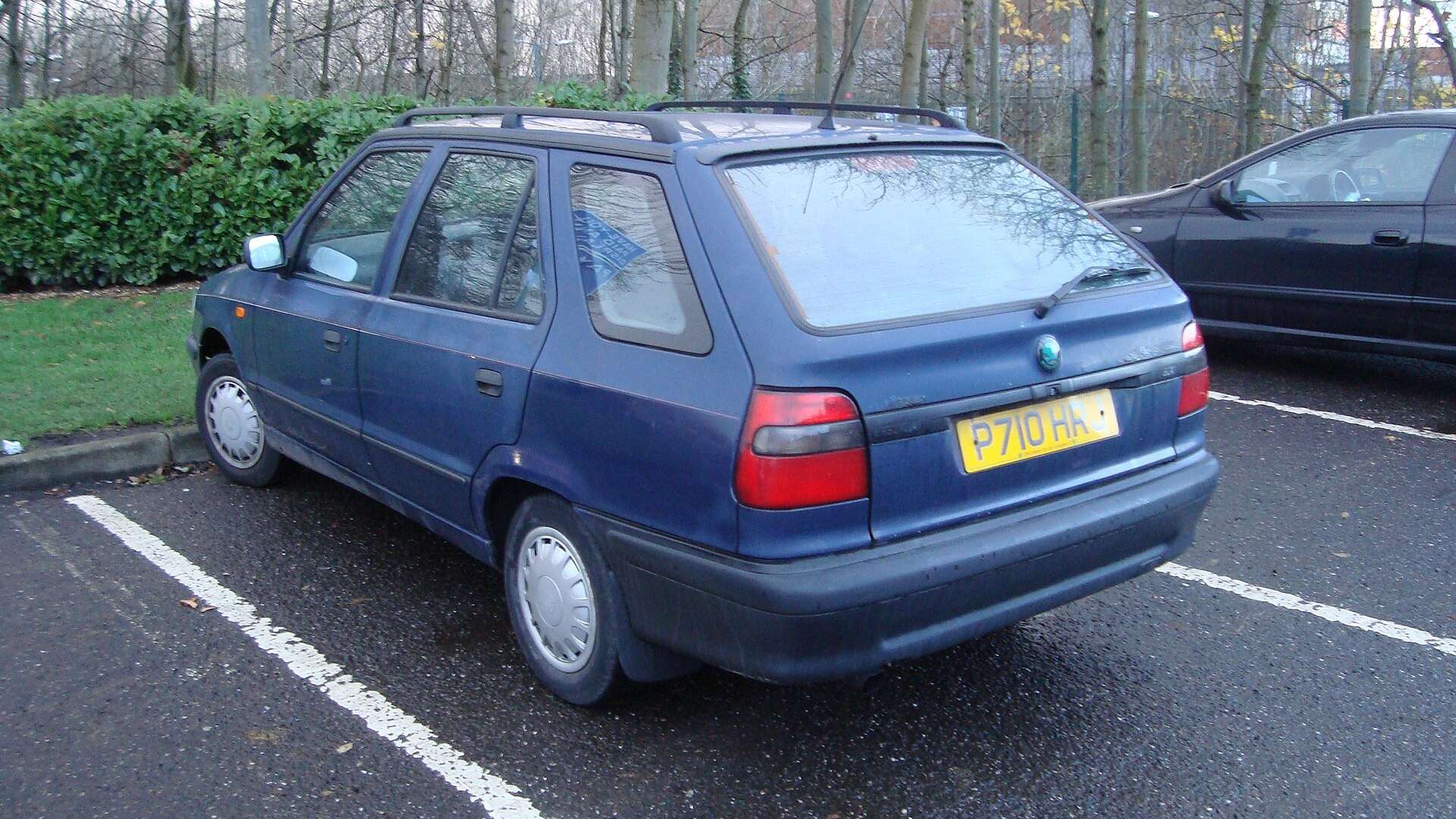
| Estate/Combi | Similar passenger-car range | Longer load area and useful carrying capacity. |
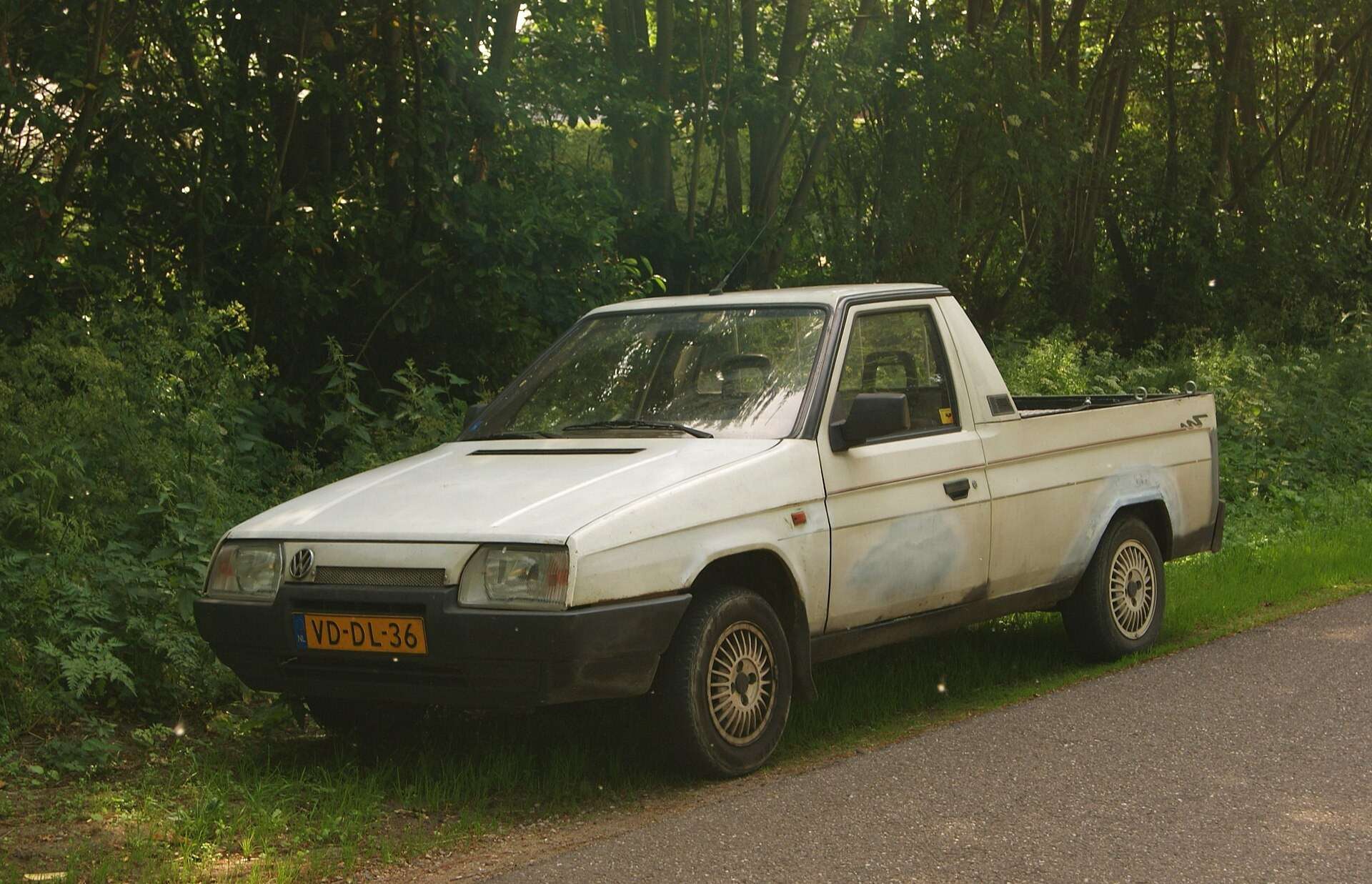
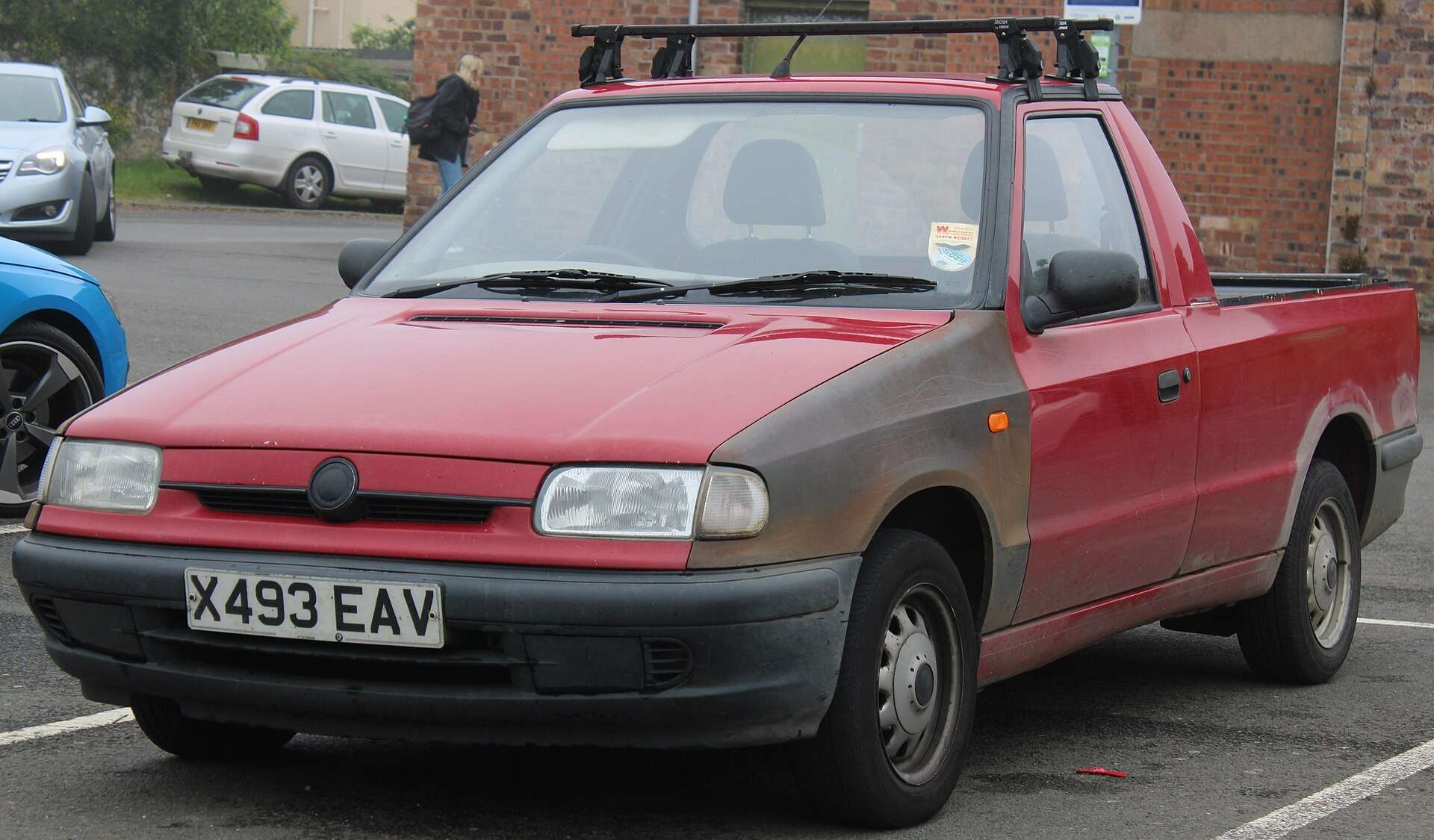
| Pick-up | Petrol and diesel depending on year | Simple compact commercial vehicle. |
| Felicia Fun | Distinctive leisure Pick-up | Separate model guide because of its sliding rear bulkhead. |
More than 1.4 million Felicias were built across the family. A 1998 facelift brought a revised grille, bumpers and detail updates that visually linked the car to the emerging Octavia range.
Love cars you don’t see every day?
Get forgotten cars, surprising motoring stories and the most interesting finds from Unusual Cars by email.
Free to join. No spam. Unsubscribe whenever you like. See our privacy policy.
Hatchback and estate
The five-door hatch is the lightest and most familiar form. The estate adds a long, square load area without making the car unwieldy. Both have thin pillars, simple controls and better visibility than many modern cars.
Trim ranged from very basic examples to better-equipped GLXi and special editions. Specification should be checked from the original sales record because badges, wheels and interiors are easily swapped.
Pick-up and commercial versions
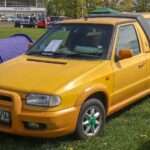
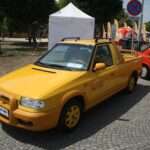
The Pick-up distilled the platform into a compact working vehicle with a useful open bed. Vanplus and Praktik derivatives served particular markets, while the yellow Felicia Fun added folding rear seats and a sliding bulkhead. Because the Fun already has a dedicated guide, this article concentrates on ordinary working Pick-ups.
Commercial use means condition varies widely. Load beds, rear springs, cab floors and tow-bar mountings reveal far more than polished paint.
Engines and buying checks
1.3 petrol
Škoda’s own 1.3 is simple and characterful. Check the cooling system, head-gasket history, timing chain noise, oil leaks and carburettor or injection equipment according to year. Overheating can turn an inexpensive car into an uneconomic repair.
1.6 petrol and 1.9 diesel
The Volkswagen-sourced 1.6 offers easier performance; the naturally aspirated diesel is slow but durable when serviced. Confirm cambelt history where applicable and inspect fuel, cooling and mounting systems.
Body and cabin
Rust can affect sills, floors, arches, tailgates, door bottoms, suspension areas and the windscreen surround. Test heaters, wipers, locks, windows and warning lamps. Water ingress quickly damages simple but ageing interiors.
Why it now matters
The Felicia was once too common and inexpensive to preserve. That has changed. It is the last Škoda to carry so much of the pre-Volkswagen Favorit underneath, yet it also introduced a generation of British buyers to the modern company. A sound hatch or estate is an approachable starter classic; a clean Pick-up is now genuinely unusual.
Sources
- Škoda Storyboard: classic Felicia history
- Škoda Storyboard: 60 years of Octavia
- Škoda Storyboard: 1000 MB history
- Škoda UK: Škoda 100 history
- Škoda UK: modern Felicia anniversary
Continue the Škoda story
These cars chart Škoda’s route from post-war engineering to its modern Volkswagen-era identity. Explore the complete Škoda hub, then read the Favorit and Forman guide, then continue with the Felicia Fun.
Frequently asked questions
When was the modern Škoda Felicia made?
Production ran from 1994 to 2001, with more than 1.4 million vehicles built.
Was the Felicia sold in the UK?
Yes. Hatchback and estate passenger cars and Pick-up commercial versions were sold in Britain.
Which engines were available?
UK cars used Škoda 1.3 petrol engines plus Volkswagen-group 1.6 petrol and 1.9 diesel units, depending on model and year.
Is the Felicia Fun included here?
It is part of the Felicia family, but its unusual sliding rear bulkhead earns it a separate Unusual Cars guide.
What should be checked before buying?
Inspect carefully for rust, cooling-system neglect, head-gasket trouble, incomplete servicing and signs of hard commercial use on Pick-ups.