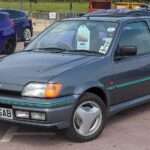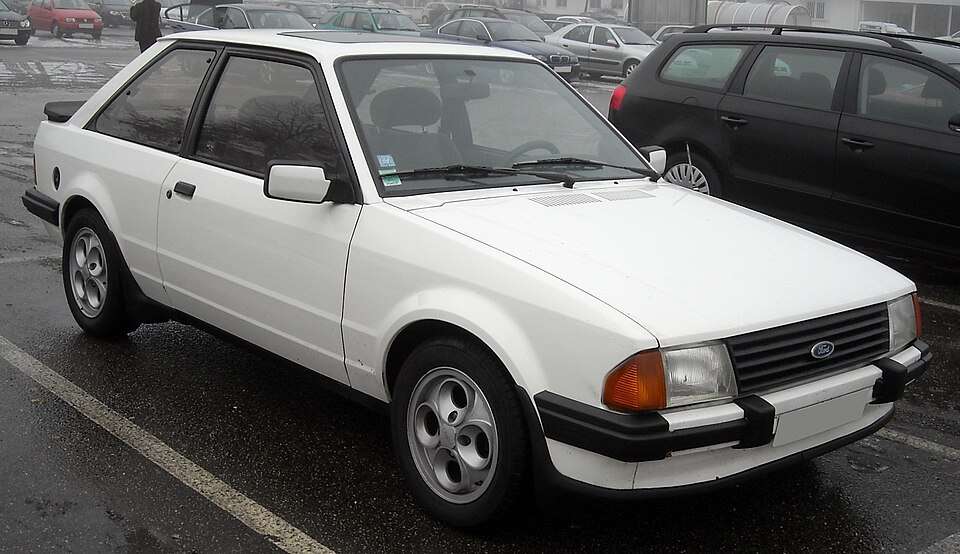
A good Escort XR3i delivers the shape, sound and everyday friendliness of an eighties fast Ford without requiring a turbocharger. Buying one successfully means looking beyond polished paint: the shell, injection system, original trim and restoration record determine whether the car is enjoyable or an expensive collection of unfinished jobs. This guide covers the UK-market 1.6 CVH Mk3 and Mk4, with hatchbacks as the main focus.
Our buying verdict
Buy the most structurally sound, complete and honestly documented car you can afford. An ordinary-mileage XR3i with good repairs and dependable hot starting is usually a better ownership proposition than an apparently cheap, cosmetically restored car with wet carpets, missing mouldings and unexplained injection changes.

Which Escort XR3i should you buy?
The original carburetted XR3 arrived in 1980; the injected XR3i followed in September 1982. These are different specifications, even when sellers use the names interchangeably. The early XR3i has a naturally aspirated 1,597cc CVH engine, Bosch K-Jetronic mechanical injection and a five-speed manual gearbox. Around 105bhp was enough to make it lively in period. The Mk4 facelift arrived in 1986 with revised bodywork, dashboard and chassis settings, retaining the broad mechanical recipe.
Ford’s EEC-IV electronic injection appeared in 1989. Its prominent EFI inlet manifold is a useful initial clue, but registration dates and replacement engines can confuse identification. Read the engine and chassis information and compare the actual installation with invoices. Do not order a pump, relay or sensor merely because a listing says “XR3i”. A late Mk4 EFI car and an early Bosch car do not have identical fuel-system diagnosis or parts requirements.
| Version | Why consider it? | Buying qualification |
|---|---|---|
| Mk3 XR3i, 1982–1986 | Sharper original appearance and compact period character | Check structural repairs and complete early trim; distinguish from carburetted XR3 and RS1600i. |
| Mk4 Bosch-injected XR3i | More rounded styling and a relatively simple mechanical-injection layout | Evaluate cold and hot fuel pressures rather than assuming every poor start needs a metering head. |
| Late Mk4 EFI XR3i | Later equipment, trim and electronic engine management | Check the correct management system, loom and sensors remain together. |
| XR3i Cabriolet | Open-top alternative with additional roof equipment | Price separately; inspect roof, drains, seals and shell reinforcement. This hatchback-led guide is not a complete hood repair manual. |
The RS Turbo is a separate buying proposition, with forced induction, different running gear and its own originality checks. The later Mk5 XR3i with a Zetec engine is also outside this guide. Some early Escort convertibles were sold as 1.6i rather than XR3i, so a boot badge alone cannot identify the factory model. Choose the car you actually want to use: early detailing, late EFI equipment and a folding roof attract different buyers.
Originality matters to collectors, but it should be demonstrable. Request build information, old photographs, service books, registration records and an explanation for changes to wheels, lights, seats and engine. A well-engineered modification can be acceptable for a driver; paying an originality premium for an undocumented conversion is another matter. Tell an insurer about modifications before agreeing cover.
Escort XR3i prices: dated evidence and buying strategy
On 3 November 2026, the Car & Classic XR3i results included a 1983 Mk3 advertised at £6,750 with 100,300 miles, another 1983 Mk3 at £10,000 with a claimed 29,000 miles, a 1987 XR3i at £12,750 with 77,100 miles and a 1990 Mk4 at £10,000 with 104,300 miles. These are seller descriptions and asking prices, not independently verified condition reports or completed sales. They illustrate the importance of specification and history rather than establishing a universal value band.
The same search included cabriolets, an RS Turbo, later Mk5 cars and overseas examples. Those are poor direct comparables for a UK Mk3 hatchback. Even a particularly low odometer reading means little without a coherent record. Check old MOT mileages, long storage periods and invoices. A five-digit odometer may have travelled further than its displayed total; ask what evidence supports any mileage claim.
Build a shortlist of the same generation and body style, then compare structural condition, repair photographs, trim completeness, injection health and recommissioning work. Obtain an independent inspection and a written repair estimate before negotiating around corrosion. There is no reliable national fixed-price allowance for rebuilding an inner sill and adjacent mounting points. A low purchase price does not cap the restoration bill.
Rust, accident repairs and identity
Start with identity before admiring the paint. Chassis identification, registration documents and supporting records should tell a consistent story. Look closely at the metal surrounding identification areas and ask a Ford specialist to assess anything suspicious. Documentation alone cannot prove that every panel and mechanical component belongs to the car as built. Unexplained alterations require investigation before a deposit.
Inspect the battery tray and surrounding bulkhead particularly carefully. Damp carpets can be evidence of corrosion above them rather than a harmless window leak. With permission, lift accessible carpet edges and examine the floor from above and below. Repair quality matters: patches laid over rust, thick fresh sealant and attractive paint over poor seams can conceal substantial work.

Use a lift to examine inner and outer sills, floor edges, jacking areas, front inner wings, suspension mountings and rear chassis rails. Pay special attention around the front mounts of the rear trailing arms. Rust near a load-bearing mounting is a different proposition from a cosmetic blister. Confirm that old repairs restore the underlying structure, with sensible seams, drainage and corrosion protection.
Walk around the rear arches, door bottoms, front wing tips, bonnet leading edge, tailgate seams and hinges. On sunroof cars, inspect the aperture and investigate water tracks. Uneven panel gaps, overspray, distorted seams and inconsistent paint thickness can justify more investigation, but neither a respray nor replacement panels automatically make a bad car. The quality and documentation of the work are what count.
Original side mouldings, mudflaps, spotlamps, bumper details and correct wheels can be surprisingly difficult to replace. List missing pieces before assuming they are cheap accessories. Check glass markings, door alignment and locks, and compare both sides of the shell. A restoration album should show the car before paint and throughout structural repairs, rather than only photographs of the finished vehicle at shows.
CVH engine, injection and transmission problems
Insist on a genuinely cold start
Ask the seller not to warm the car beforehand. Check fluids while cold, observe the first start and listen as the engine settles. The CVH is not a modern silent engine, but persistent top-end clatter can indicate lubrication neglect and wear involving hydraulic tappets and camshaft. Heavy breathing, oil consumption and smoke need proper assessment rather than a promise that an oil additive will cure them.
Smoke on overrun, smoke under load and a brief starting puff are different observations. A competent inspection may include compression or leakage testing, crankcase ventilation checks and a review of oil-pressure behaviour. Do not decide that every smoky CVH needs only valve seals. Overheating history, coolant contamination, persistent pressure problems and unexplained coolant loss deserve investigation before any long test drive.
Bosch injection versus EFI
K-Jetronic diagnosis requires suitable equipment and experience. Cold enrichment, hot starting, fuel delivery, air leaks and the condition of the metering assembly should be checked systematically. Fuel pressure and residual pressure tests are more useful than swapping expensive parts in sequence. Ask whether the car restarts cleanly after a thorough warm-up and short heat soak.

On EFI cars, inspect wiring, connectors, earths, intake hoses and sensor signals before condemning the management system. An idle fault is a symptom with several possible causes. Intermittent hot cutting-out can involve electrical connections or crank-signal problems on the relevant system; it is not proof of one universal failed component. Non-standard alarm wiring and old immobiliser installations can further complicate diagnosis.
Check hoses, radiator, thermostat operation, fan control and coolant condition. Do not remove a hot pressure cap. An electric fan should work through its proper control system; a dashboard switch fitted to conceal a fault is not a completed repair. Look for fuel leaks and aged flexible hoses, especially after storage. Stop an inspection if fuel is escaping near hot or electrical components.
Gearbox, clutch, steering and brakes
The five-speed transmission should select every gear without jumping out, pronounced crunching or heavy bearing noise. A rubbery change can involve linkage wear, while clutch cable adjustment and the pedal ratchet can affect disengagement. A noisy fifth gear or rumbling that rises with speed warrants specialist diagnosis. A seller’s claim that “they all do that” is not a repair estimate.
Check for clutch slip under sensible load, judder, clicking at the pedal and difficulty selecting reverse. On the road, listen for wheel-bearing and driveshaft noises and assess straight-line braking. Vibration under braking needs diagnosis across discs, hubs, tyres and suspension rather than an automatic disc order. Cars used infrequently can develop sticking calipers and rear cylinders despite low annual mileage.
Some Mk4 cars had the optional belt-driven SCS anti-lock system. Confirm what is fitted and whether it operates correctly; it is not interchangeable with a modern ABS installation. Ask about belt condition and specialist support. Inspect track-control-arm bushes, steering joints, dampers, springs and tyre wear. Lowered cars need matched components, clearance and alignment evidence, not simply an appealing stance.
Interior, trim and electrical checks
Compare the interior with the correct year. Early Mk4 Daytona and later Zolda trim are not interchangeable descriptions for one generic seat fabric. Check bolsters, headrests, door cards, handles, parcel shelf, dashboard and centre console. Missing or damaged original trim can take longer to resolve than an ordinary service. Re-trimming one seat may leave an obvious mismatch with faded surrounding material.

Operate lights, stalks, horn, wipers, heater fan, rear demister, windows and central locking. Check charging under electrical load and investigate weak starting with a battery, cable, earth and alternator test. Cleaning an earth may cure a fault, but it should follow diagnosis. Inspect old stereo installations and alarm splices for poor connections, and verify the correct radio code where applicable.
A dry interior matters. Water can damage carpets and connections while concealing a structural issue at the battery tray or bulkhead. Check the boot and spare-wheel well too. On cabriolets, work the roof through a complete cycle and inspect sealing and drainage; additional roof faults deserve a dedicated specialist quotation before purchase.
Maintenance costs, timing kits and useful parts
Affiliate disclosure: eBay parts links below are affiliate links using our campaign. We may earn a commission if you buy, at no extra cost to you. Links open search results rather than a verified individual product. Check engine, year, part number, seller, condition and returns; search results can contain incompatible items.
Start with a written baseline service plan tied to the engine and injection system actually fitted. Classic & Sports Car cites a historical three-year/36,000-mile CVH cambelt interval; Classics World also cites 36,000 miles and notes shorter specialist recommendations. Confirm the current advice for your engine, belt supplier and use with the workshop. An undated belt sticker does not establish safe remaining life: if credible evidence is absent, agree replacement before normal use.
| Job / item | Evidence or cost approach | Model-specific parts search |
|---|---|---|
| Timing belt kit and related service | Confirm belt, tensioner, seals and water-pump assessment with the workshop; obtain a complete fitted quote. | Compare CVH XR3i timing kits |
| Fuel pump | Classic Parts Shack listed CPS605 for Mk3/Mk4 XR3i and related models at £124.99 when checked. Verify pressure, connections and injection compatibility; parts only. | Search XR3i fuel pumps |
| Alternator and drive belt | Diagnose charging and confirm mounting, pulley, output and connections before buying. | Search XR3i alternators |
| Track rod ends | Supplier listed a Mk3 XR3i/related-model pair at £19.99; fitting and alignment are additional. | Search Mk3 track rod ends |
| Oil, filters and ignition service | Use the correct specification; distinguish EFI fuel filters from mechanical-injection items. | Search CVH service parts |
| Cooling system | Check radiator, hoses, thermostat and fan control as a system. | Search XR3i cooling parts |
| Brakes and suspension | Identify optional SCS equipment, actual calipers and any modifications. | Search Mk4 XR3i brake parts |
The quoted supplier prices were checked on 3 November 2026 and are examples, not guarantees of continuing stock or delivered cost. The eBay searches are separate shopping links and may return incorrect or used items; the quoted supplier prices do not promise an identical eBay offer. Confirm part numbers, condition, VAT, delivery and returns. New-old-stock rubber and seals can still deteriorate with age. Keep labour, fluids, diagnostic work and alignment outside a bare parts comparison.
For a stored car, budget for fuel-system inspection, tyres by age and condition, brake hydraulics, coolant, belts and all basic fluids before regular use. A recent MOT does not certify the service history or the remaining life of a cambelt. Retain dated invoices and photographs so the next maintenance decision rests on evidence.
Hidden ownership costs
Hidden ownership costs
Set a first-year budget before making an offer. Add the purchase price, fees and collection, independent inspection, immediate servicing, diagnosed repairs, insurance, storage and a reserve for unresolved work. Use quotations for the car in front of you; a percentage of the purchase price is a poor substitute for knowing what needs doing.
- Correct Mk3/Mk4 seat cloth, door cards, mouldings and spotlamps may require patient sourcing or specialist repair.
- Bosch injection diagnosis and refurbishment can cost more than a routine electronic fault-code check; allow for transport if the car is unreliable.
- Structural repair can expand beyond the visible blister into inner sill, floor and suspension-mount work. Obtain an inspection-led quotation.
- Cabriolet roofs and SCS-equipped brakes add separate specialist requirements; investigate their actual condition rather than using hatchback service assumptions.
- Parts are only part of the bill. Access, diagnosis, fluids, alignment, seized fasteners and VAT can change the total. Ask the workshop what its quotation includes and how additional work will be agreed.
- Exchange units and delivery. Alternators, starters and other rebuilt components can require a returnable old unit. Compare the surcharge, return postage, deadline and warranty before choosing a supplier.
- Insurance and downtime. Obtain a quote for the actual specification and declared modifications. Allow for recovery and alternative transport if this will be your only car.
Escort XR3i viewing checklist
Viewing and test-drive checklist
Before travelling
- Confirm registration, exact version, seller identity and ownership history. Ask about accidents, insurance write-offs, engine changes and modifications.
- Read the MOT chronology and request invoices, not just a stamped service book. Agree a cold start, inspection access and a properly insured test drive.
- Get a written list of included keys, original parts and any outstanding faults. For a distant car, request current underside and engine-bay photographs.
At the car
- □ Establish Mk3/Mk4, Bosch/EFI and hatchback/cabriolet before travel; ask for matching engine and identity records.
- □ Inspect battery tray, bulkhead, wet carpets, sills, rear chassis rails and trailing-arm mounting areas on a lift.
- □ Watch the cold start, warm the car fully and repeat the start after a short heat soak.
- □ Demand a dated cambelt invoice; price a baseline service if history is incomplete.
- □ Test every gear, clutch pedal mechanism, braking and optional SCS equipment; investigate bearing noise and vibration.
- □ Cost missing original trim, mouldings, lamps and correct wheels before negotiating.
- □ Compare identification with documents, check panel alignment and inspect accessible structure on a lift. Never go beneath a car supported only by a jack.
- □ Try lights, wipers, washers, heater, locks and warning lamps. Inspect tyres for age and damage as well as tread.
- □ Drive from cold to fully warm, using gears and brakes progressively. Note smoke, overheating, vibration, warning lights or hesitant acceleration; stop if a serious fault develops.
- □ Recheck hot starting and visible leaks afterwards. Record unresolved faults and obtain specialist estimates before paying a deposit.
Proceed when identity, structure and maintenance evidence fit the description. Investigate when a fault has a plausible cause but no diagnosis. Walk away when crucial inspection is refused, identity remains uncertain or the budget depends on a serious fault being cheap. Put any inspection condition and deposit terms in writing.
Ford Escort XR3i buying questions
Buying questions answered
Is an XR3i the same as an RS Turbo?
No. The Mk3/Mk4 XR3i uses a naturally aspirated injected CVH engine. The RS Turbo adds forced induction and different specification; use a dedicated RS Turbo guide for that model.
Which XR3i has EFI?
Late Mk4 production adopted Ford EEC-IV EFI in 1989. Earlier cars use Bosch K-Jetronic. Inspect the actual engine, management and records because swaps and registration dates can confuse identification.
Where does an Escort XR3i rust?
Inspect battery tray and bulkhead, inner and outer sills, floors, rear chassis rails, suspension and trailing-arm mounting areas, plus arches, door bottoms, tailgate and sunroof aperture.
When should the CVH timing belt be changed?
Published guides cite historical mileage and time schedules, but the workshop must confirm advice for the fitted engine and parts. Without a credible dated invoice, budget replacement rather than assuming low mileage makes it safe.
Is a low-mileage car worth paying more for?
Only when mileage, condition and history support the premium. Storage can leave degraded tyres, fuel hoses, brakes and cooling components. Compare structural quality and completeness before the odometer.
Also read our Fiesta RS Turbo guide and flagship Escort RS Turbo guide.
Sources and research method
Independently written desk research by Unusual Cars UK, checked on 3 November 2026. We have not road-tested or inspected the illustrated cars or independently authenticated sellers’ claims. Buying recommendations and inspection priorities are our editorial assessment. Historical guides inform technical context; their old price bands are not current valuations. Confirm service requirements against the actual vehicle and suitable workshop information.
- Classic & Sports Car: Escort XR3/XR3i — Generation timeline, CVH, injection, bodywork and historical servicing guidance; historic prices not reused.
- Classics World: Mk4 XR3i — Technical and trim cross-check, EFI change, SCS and structural inspection points.
- Classic Parts Shack: Escort Mk3 parts — Primary supplier examples and application descriptions checked 3 November 2026.
- Car & Classic: XR3i listings — Dated asking-price sample; mixed generations and body styles separated.
- GOV.UK used-car checks and MOT history — document and test-history checks.
Images are illustrative surviving vehicles, not the advertised cars discussed in the market section. Individual credits and licence links accompany each photograph. No endorsement by a photographer, club, supplier or seller is implied. Prices and availability can change.