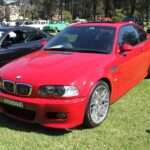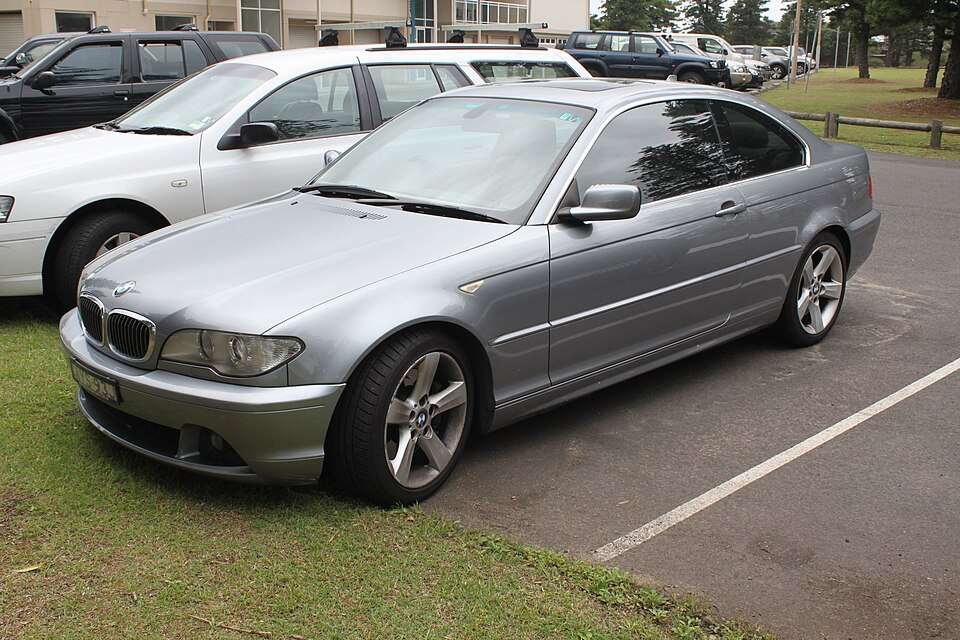
The BMW E46 coupe combines rear-wheel drive, useful everyday accommodation and a choice of engines that can make it a relaxed grand tourer or an engaging performance car. The 325Ci and 330Ci are particularly attractive, but a cheap purchase can hide cooling-system neglect, structural repairs and several years of worn suspension. This guide covers ordinary E46 coupes, with the petrol sixes at its centre and clear distinctions for four-cylinder and diesel cars.
Our buying verdict
Start with a sound, documented 325Ci or 330Ci, then choose gearbox and trim to suit your driving. A healthy smaller-engined coupe can be a better purchase than a neglected 330Ci. Inspect the rear axle mounting structure and hidden sills, establish the cooling-system history, and keep money aside for a properly diagnosed first-year maintenance plan.

Which E46 coupe: 325Ci, 330Ci or something else?
The E46 coupe followed the saloon into production, with its own body panels and later facelift. It should not be confused with a two-door Compact or the convertible. A Ci badge does not mean every coupe shares the same engine or gearbox, and the number on the boot is not always the displacement.
| Version | What distinguishes it | Buying priority |
|---|---|---|
| 320Ci | Early 2.0 and later 2.2 straight-sixes | Identify the engine; assess oil use, cooling and service history. |
| 323Ci / 328Ci | Earlier M52TU-family six-cylinder choices | Strong alternatives when condition is better than later cars. |
| 325Ci / 330Ci | M54-family 2.5 and 3.0 sixes; 330Ci commonly quoted at 231bhp | Our core shortlist, with cooling, ventilation, oil leaks and intake checks. |
| 318Ci | Four-cylinder engines changed through production | Confirm engine code; later Valvetronic cars need a different assessment from early fours. |
| 320Cd / 330Cd | Diesel coupes with different fuel, induction and emissions requirements | Injector/turbo and intake history; confirm suitability for your journeys. |
| M3 / Clubsport claims | M3 is a distinct performance model; Clubsport is a particular 330Ci specification | Authenticate provenance; this is not a complete M3 guide. |
Manual and automatic coupes can both be rewarding. Gear count and transmission type vary by year and engine; later 3.0-litre manuals can have six speeds. Check the installed unit rather than ordering clutch or fluid parts from a generic E46 listing. An automatic should be chosen for its driving character, not merely because it is cheaper.
The coupe facelift arrived later than the saloon’s. Lamps, bonnet and front-end appearance can also be changed, so registration date and a photograph do not settle the specification. Sport bumpers, steering wheels and wheels are commonly retrofitted. A car that looks like a Clubsport needs documentary support before it attracts a special-version premium.
For regular road use, a 325Ci offers much of the six-cylinder experience, while a 330Ci provides more effortless performance. Choose a smaller engine if it leaves a healthier budget for structure, cooling and tyres. A highly optioned car needing a full chassis refresh is not automatically a better buy than a simpler, well-maintained example.
Try the seating, rear access and luggage space. Frameless door glass and long doors add their own practical considerations in tight parking spaces. Large wheels and non-standard suspension can change the ride substantially. Test a car in the configuration you intend to own rather than buying on the promise that modifications are easy to reverse.
E46 coupe prices: current asking evidence
Car & Classic listings checked on 3 November 2026 included a 2004 330Ci Sport coupe advertised with 129,000 miles and an automatic gearbox at £2,999, and a 2003 330Ci advertised with 150,000 miles and a six-speed manual at £6,750. These are seller asking prices and descriptions, not inspected condition grades or completed-sale values.
The examples are deliberately a small snapshot rather than a claim about the whole market. Gearbox, originality, body condition, maintenance and retail presentation can all affect the asking figure. A manual premium does not establish that the manual car needs less work. Equally, a cheaper automatic may require expensive diagnosis before its apparent value is clear.
Request underside photographs, cooling-system invoices and details of rear-floor inspection or repair before travelling. Compare like engines and body styles, separating ordinary coupes from M3s, convertibles and special versions. Check whether a claimed rebuild means a complete engine overhaul or only a small repair.
Build the purchase plus immediate-work total. Cooling components, tyres, arms, bushes, brakes and electrical repairs can add up even when each part looks inexpensive. A written specialist report makes negotiation more useful than guessing at the cost of an unexplained warning light or rear-end clunk.

Rust, rear axle carrier panel and accident checks
Inspect front-wing lips, rear arches, sill ends, jacking points and floors. Bolt-on front wings can be replaced comparatively easily, but inner structure and rear-quarter repairs are different jobs. Plastic sill covers can hide corrosion or past damage, so agree suitable inspection access and use a lift where possible.
Examine seams, lifting pads, underbody coatings and suspension mounting areas. A car that has been lowered or jacked incorrectly can have damage as well as rust. Fresh underseal should be supported by preparation photographs or repair invoices; it does not establish what lies beneath.
Rear axle mounting structure
Have an E46-experienced specialist inspect the rear axle carrier panel and mounting areas. The commonly used phrase subframe crack can be misleading because the concern is the surrounding body structure, not simply the removable carrier. Clunks and rear movement can also arise from bushes or other components, so diagnosis matters.
Inspection needs to consider accessible underside areas, welds and relevant internal sections rather than one quick glance at a mounting bolt. Performance-model repair evidence is useful context, but it is not a failure-rate survey for every ordinary coupe. Do not assume a non-M badge removes the need to check the structure.
If reinforcement or repair is claimed, obtain photographs, installer details, scope and corrosion protection. An invoice saying plates fitted does not explain the original damage or whether hidden areas were assessed. Ask a specialist whether the repair method is appropriate to the condition and intended use.
Auto Torque’s published owner repair account, focused on an M3, illustrates why underside plates, internal structure and ancillary work can be separate parts of a repair. It also explains why a historical package price cannot be applied to an uninspected coupe. Obtain a quotation for the actual shell rather than treating structural uncertainty as a small bargaining item.
Identity and previous use
Match VIN, engine and registration details with service and MOT records. Check for accident history, engine swaps, track preparation and previous body repair. Panel gaps, paint texture, overspray and disturbed fixings can reveal work that a database report cannot grade.
Be especially careful with a car returned from track specification. Removal of a cage or bucket seats does not prove the shell, wiring and restraint systems have been restored correctly. Modifications can be acceptable when properly documented, but value the actual installation rather than the original brochure specification.
Six-cylinder engine problems and cooling
Cooling-system condition
On the M52TU/M54 sixes, inspect radiator, expansion tank, thermostat housing, hoses, water pump and fan arrangements. Ask what was renewed and when. One water-pump invoice does not certify the rest of a system containing old plastic and rubber components.
Start from cold and drive until properly warm. Check heater operation, temperature behaviour, coolant staining and evidence of repeated topping up. A gauge that appears normal on a brief drive is not a substitute for diagnosis where overheating history is suspected. A car that only overheats in traffic still has a fault.
Previous overheating can lead to a serious engine decision. Do not agree a purchase on the assumption that an unexplained coolant problem is merely a thermostat or an easy head-gasket repair. A specialist can assess pressure, leaks and other evidence before you commit. Never remove a hot pressure cap at a viewing.
Oil leaks, consumption and crankcase ventilation
Check oil level before starting and ask for consumption over a measured distance. Inspect cam-cover and oil-filter housing areas, noting oil reaching hot exhaust components. A burning smell may be an external leak, but it needs tracing before being priced as one cheap gasket.
Crankcase ventilation components and plastic hoses can deteriorate or block. Smoke, oil use, unstable idle and leaks can have several causes, so a breather kit should follow diagnosis rather than serve as a universal explanation. Recheck the engine after the drive for fresh evidence.
Listen for abnormal cold and hot noises and check smooth acceleration. VANOS operation and intake components can affect delivery, while ignition coils, sensors or air leaks can cause misfires and hesitation. Have fault codes and relevant live data interpreted rather than replacing parts sequentially from a forum list.
On engines fitted with an intake adjuster/DISA assembly, ask the specialist to assess its condition and function. An unexplained rattle or lack of response should not be dismissed as normal. Parts and revisions need matching to the actual engine.
Four-cylinder and diesel distinctions
Later four-cylinder Valvetronic engines are different from the earlier simpler fours. Their timing-drive, valve-control and oil-leak concerns need an engine-specific inspection. Do not transfer a six-cylinder reputation or service kit to a 318Ci merely because both cars are E46s.
Diesels need their own assessment of turbocharger, injectors, fuel system and inlet arrangement. Establish whether intake/swirl-flap work has been carried out and how it was documented. A modification or deletion should not be assumed necessary or appropriate without specialist advice and consideration of lawful road use.
Ask about remapping, intended fuel, exhaust changes and emissions equipment. A strong acceleration run does not prove a diesel or petrol engine is healthy. Smoke, warning lamps or inconsistent boost needs diagnosis. Check current access rules for your destinations using the actual registration rather than an old guide’s blanket statement.
Timing chains and auxiliary belts
The ordinary engines covered here use timing chains rather than a routine cam-belt replacement schedule. Chain condition and requirements differ by engine; absence of a cambelt does not mean every internal timing component is maintenance-free. Abnormal noise requires diagnosis.
The external auxiliary belts, tensioners and pulleys are separate service items. Inspect them and establish replacement history as appropriate. A belt advertised for an E46 is not automatically correct for every engine and accessory layout.
Gearbox, clutch and differential
Test all gears cold and warm. A vague lever, poor centring, grinding or jumping out of gear can have different causes and repair scopes. A small internal selector component may still require gearbox removal, so an inexpensive part does not imply inexpensive fitting.
On automatics, test engagement, normal changes and kickdown after warming up, and review fluid/service evidence for the exact unit. Delayed engagement, flare, slipping or harsh changes require diagnosis. A newly changed fluid is not proof that existing wear has been repaired.
Inspect clutch, flywheel symptoms, prop-shaft joints/support and differential mounting areas. Driveline clunks are not automatically structural failure, but neither should a seller’s bush diagnosis bypass inspection. Have the cause identified and price the full job.
Inspect front arms and bushes, rear trailing-arm bushes, dampers, springs and wheel bearings. Geometry and tyre condition strongly influence how an E46 feels. Include alignment and seized-fixing allowances where relevant rather than assuming new arms complete the job.
Check brake pipes, hoses, discs, calipers and the separate parking-brake shoe arrangement. A weak handbrake needs proper repair or adjustment, not acceptance as an inevitable BMW characteristic. The 330Ci’s brake hardware differs from some smaller versions, and conversions are common.

Windows, ventilation and interior electrics
Operate both windows and check their small drop when opening the doors. Inspect seals, regulators and water ingress. Coupe door seals can be expensive to restore neatly, and slow glass should be diagnosed before it stops completely.
Test climate control, fan speeds, air conditioning, seat adjustment, heating where fitted, mirrors, locks, lights and sunroof. A failed final-stage fan resistor can cause erratic blower behaviour and battery drain, but confirm the diagnosis before ordering. Check all warning lamps during the self-test.
Inspect headlining, pillar fabrics, seat bolsters and restraint-system connections. Aftermarket audio should have tidy wiring and correctly mounted climate controls. Ask whether original equipment and removed components are included. Reversing poorly executed upgrades can consume time beyond the price of a used radio.
Maintenance costs and useful E46 parts
Affiliate disclosure: eBay parts links below are affiliate links using our campaign. We may earn a commission if you buy, at no extra cost to you. Links open search results rather than a verified individual product. Check engine, year, part number, seller, condition and returns; search results can contain incompatible items.
Plan servicing for the actual engine, transmission and use. Track oil/filters, plugs, coolant, brake fluid, transmission fluids and chassis work separately. A service indicator reset or recent oil change does not establish that cooling, tyres and structure are ready for regular use.
On 3 November 2026, an eBay listing from nn4-online advertised a NAPA pump/thermostat kit for specified BMW applications at £82.99 and a Gates kit at £160.99. These are parts-only examples and seller fitment claims, not installed cooling-system quotations. Compare E46 330Ci water-pump and thermostat kits after confirming the engine, contents and additional hoses, coolant and labour required.
| Item | Useful search | Confirm first |
|---|---|---|
| Alternator | 330Ci alternators | Output, pulley, connections and exchange terms. |
| Routine service | Six-cylinder service kits | Engine, oil specification and exact contents. |
| Crankcase ventilation | M54 breather components | Diagnose pressure/leaks and match pipes and version. |
| Auxiliary drive | E46 auxiliary belts and tensioners | Separate from timing chains; identify accessory layout. |
| Ignition | E46 ignition coils | Engine/revision and fault diagnosis. |
| Suspension | E46 coupe arms and bushes | Quality, ball joints, side and alignment. |
| Brakes | 330Ci brake parts | Actual fitted dimensions and calipers. |
| Windows | E46 coupe window regulators | Coupe versus saloon, side and motor inclusion. |
Hidden ownership costs
Set a first-year budget before making an offer. Add the purchase price, fees and collection, independent inspection, immediate servicing, diagnosed repairs, insurance, storage and a reserve for unresolved work. Use quotations for the car in front of you; a percentage of the purchase price is a poor substitute for knowing what needs doing.
- Cooling catch-up. A pump price does not cover tanks, hoses, fan faults, coolant and installation.
- Rear structure. Proper inspection, repair, reinforcement and protection require a car-specific scope.
- Chassis refresh. Several bushes, arms, dampers, tyres and alignment can absorb the apparent saving on a cheap coupe.
- Trim and modifications. Door seals, pillar fabric, original wheels and reversing poor wiring work can add substantial cost.
- Parts are only part of the bill. Access, diagnosis, fluids, alignment, seized fasteners and VAT can change the total. Ask the workshop what its quotation includes and how additional work will be agreed.
- Exchange units and delivery. Alternators, starters and other rebuilt components can require a returnable old unit. Compare the surcharge, return postage, deadline and warranty before choosing a supplier.
- Insurance and downtime. Obtain a quote for the actual specification and declared modifications. Allow for recovery and alternative transport if this will be your only car.

Viewing and test-drive checklist
Before travelling
- Confirm registration, exact version, seller identity and ownership history. Ask about accidents, insurance write-offs, engine changes and modifications.
- Read the MOT chronology and request invoices, not just a stamped service book. Agree a cold start, inspection access and a properly insured test drive.
- Get a written list of included keys, original parts and any outstanding faults. For a distant car, request current underside and engine-bay photographs.
At the car
- □ Identify engine, gearbox and any Clubsport, Sport or conversion claims.
- □ Inspect sills, jacking points, arches and rear axle carrier mounting structure.
- □ Review cooling-system work and investigate overheating history.
- □ Check oil consumption, leaks, cold/hot running and diagnostic warnings.
- □ Test every gear, clutch/automatic behaviour and driveline clunks.
- □ Inspect suspension, inner tyre wear, brake pipes and parking brake.
- □ Check window drop, seals, climate control, fan, locks and interior modifications.
- □ Compare identification with documents, check panel alignment and inspect accessible structure on a lift. Never go beneath a car supported only by a jack.
- □ Try lights, wipers, washers, heater, locks and warning lamps. Inspect tyres for age and damage as well as tread.
- □ Drive from cold to fully warm, using gears and brakes progressively. Note smoke, overheating, vibration, warning lights or hesitant acceleration; stop if a serious fault develops.
- □ Recheck hot starting and visible leaks afterwards. Record unresolved faults and obtain specialist estimates before paying a deposit.
Proceed when identity, structure and maintenance evidence fit the description. Investigate when a fault has a plausible cause but no diagnosis. Walk away when crucial inspection is refused, identity remains uncertain or the budget depends on a serious fault being cheap. Put any inspection condition and deposit terms in writing.
Buying questions answered
Is a 325Ci or 330Ci the better buy?
Both offer the six-cylinder experience. The 330Ci adds performance, but the better shell and maintenance record should decide. A tired 330Ci is not automatically better value than a sound 325Ci.
Does an E46 coupe need a timing belt?
The ordinary engines covered here use timing chains. External auxiliary belts are separate, and engine-specific chain concerns still require diagnosis.
Do only M3s need rear-floor checks?
Do not use a non-M badge as a reason to skip structural inspection. Have an E46-experienced specialist assess the actual rear axle mounting areas and repair evidence.
Why is cooling history important?
Old tanks, fittings, hoses, pumps and controls can fail, and overheating can have serious consequences. One replaced part does not establish the health of the complete system.
Should I avoid an automatic E46?
No. Choose it if the driving character suits you, but test cold/hot operation and review the correct service history. Unexplained slipping, flare or delayed engagement needs diagnosis.
Also compare our BMW Z3 guide and Nissan 350Z guide for alternative six-cylinder cars.
Sources and research method
Independently written desk research by Unusual Cars UK, checked on 3 November 2026. We have not road-tested or inspected the illustrated cars or independently authenticated sellers’ claims. Buying recommendations and inspection priorities are our editorial assessment. Historical guides inform technical context; their old price bands are not current valuations. Confirm service requirements against the actual vehicle and suitable workshop information.
- Classics World: E46 buying guide — Engine-family, cooling, driveline and cabin context; historical figures excluded.
- Auto Torque: rear axle carrier panel repair account — Primary published owner repair evidence focused on an M3; illustrates repair scope rather than ordinary-coupe failure rates.
- Car & Classic: E46 330Ci coupe adverts — Selected asking prices checked 3 November 2026; seller claims not independently verified.
- GOV.UK used-car checks and MOT history — document and test-history checks.
Images are illustrative surviving vehicles, not the advertised cars discussed in the market section. Individual credits and licence links accompany each photograph. No endorsement by a photographer, club, supplier or seller is implied. Prices and availability can change.