Unusual Cars Model Guide
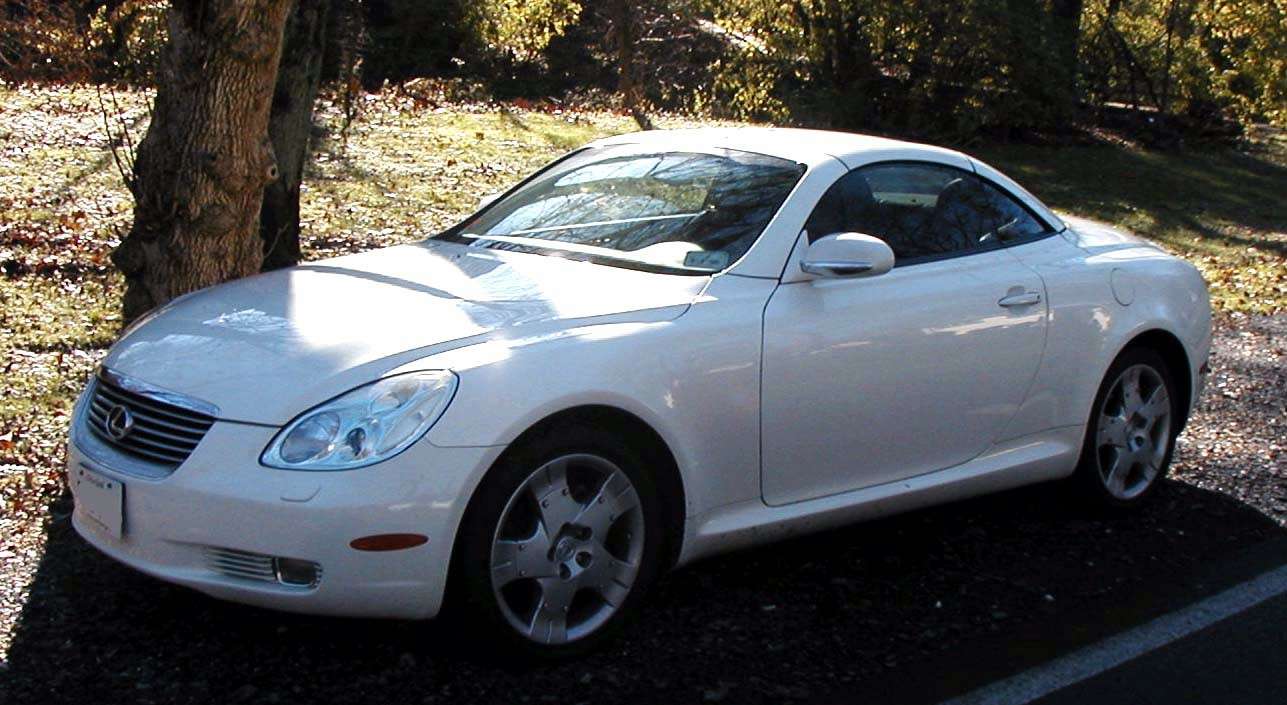
The Lexus SC 430 is a fascinatingly individual grand tourer: a V8-powered 2+2 with a folding aluminium hardtop, lavish equipment and engineering aimed at effortless travel rather than lap times. In Britain it was expensive, uncommon and deliberately different.

From California concept to UK flagship
Lexus developed the second-generation SC as a luxury convertible from the outset. Its rounded design emerged from the company’s California studio and placed the occupants well inside a smooth, cab-rearward body. Unlike the fixed-roof first-generation SC sold in other markets, the SC 430 used a retractable metal roof to offer coupe-like security and open-air motoring in one car.
UK sales began in July 2001 at £50,850. Lexus allocated only 250 cars for the remainder of that year and reported the initial supply sold out before launch. That small volume helped make the SC a rare sight from the beginning.
At a glance
| UK sales | 2001–2009 |
|---|---|
| Engine | 4.3-litre 3UZ-FE V8 |
| Power | 282 bhp |
| Torque | 419 Nm |
| Transmission | Five-speed automatic; six-speed after the later update |
| 0–62 mph | 6.4 seconds (launch specification) |
| Top speed | 155 mph |
| Roof | Power-operated aluminium hardtop; about 25 seconds |
Engineering and character
The 3UZ-FE V8 is closely related to Lexus’s luxury-saloon engines. It delivers its performance quietly, through an automatic gearbox and rear-wheel drive. Double-wishbone suspension, speed-sensitive power steering and substantial brakes gave the SC a technically serious foundation, but the tuning favoured refinement and stability.
The cabin was central to the proposition. Leather, wood, powered seats, climate control and a Mark Levinson audio system created a compact luxury environment. The rear seats are best regarded as occasional storage, yet the boot remains useful with the roof raised.

Model evolution
Early cars have the original five-speed automatic and the firmest ride. Lexus progressively revised suspension tuning, with meaningful changes during 2002 and 2004. A later facelift altered the bumpers, lights and wheels and introduced a six-speed automatic. Detail equipment and navigation systems also evolved.
Those changes mean there is no single “best” year. An early car has the pure launch specification, while a later example generally rides and shifts more convincingly. Condition and history are more important than chasing a particular registration.
On the road
The SC 430 works best as a compact grand tourer. The V8 is smooth, the gearbox unobtrusive and the cabin impressively calm with the roof raised. Lowering the roof changes the atmosphere without turning it into a sharp sports car. Its weight and relaxed steering discourage aggression; driven as intended, it is distinctive and deeply comfortable.
Lexus SC 430 buying guide
Engine and service history
The V8 is robust but uses a timing belt. Evidence of belt, tensioner and water-pump replacement is valuable, especially on low-mileage cars where age can be overlooked. Inspect coolant and oil levels, listen for bearing or tensioner noise and check for leaks. Warning lights may point to ageing oxygen sensors rather than major internal trouble, but should still be diagnosed.
Automatic gearbox
Both transmissions should change almost imperceptibly. Test the car from cold, repeat after a long drive and check for delayed engagement or judder. Fluid history is desirable. A gearbox fault can transform an affordable purchase into a poor investment.
Folding roof, seals and drains
Operate the roof through several complete cycles on level ground. It should move smoothly, latch correctly and finish without warning messages. Check seals for damage, listen for rattles and inspect the boot for moisture. Position sensors and mechanisms suffer when the roof is rarely used. Confirm the boot divider and all related switches are present and functional.
Suspension, steering and brakes
Listen for clunks from front control-arm bushes, worn rear top arms and noisy wheel bearings. Inspect mixed-metal suspension components and underbody fasteners for corrosion. Uneven front tyre wear suggests geometry or bush issues. Check brake pipes, discs and the operation of the tyre-pressure monitoring system on equipped cars.
Body, wheels and underside
Look beyond the shiny paint. Rear underbody and subframe corrosion has appeared on older UK cars, especially those used through winter. Examine jacking points, sills, wheelarches and the area around the rear axle. The large alloy wheels are vulnerable to corrosion and kerbing, while mismatched budget tyres undermine the chassis.
Cabin electronics
Test the Mark Levinson amplifier, every speaker, navigation screen, CD mechanism, seat controls, climate control, windows and mirrors. Audio amplifiers and speakers can fail with age. Confirm that the roof controls and instrument warning lamps behave correctly.
Viewing checklist
- Roof completes repeated cycles without hesitation
- Dry boot and healthy seals/drains
- Timing-belt and water-pump evidence
- Smooth gearbox hot and cold
- No suspension knocks or uneven tyre wear
- Clean rear underside and brake pipes
- All audio, navigation and seat functions working
- Quality matching tyres and straight wheels
Verdict
The SC 430 was misunderstood when new because critics judged it as a sports car. As an unusual V8 luxury convertible it makes far more sense. Find a dry, well-maintained example with a fault-free roof and complete history, and it offers an experience few modern cars can reproduce.