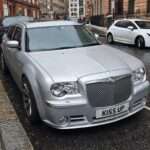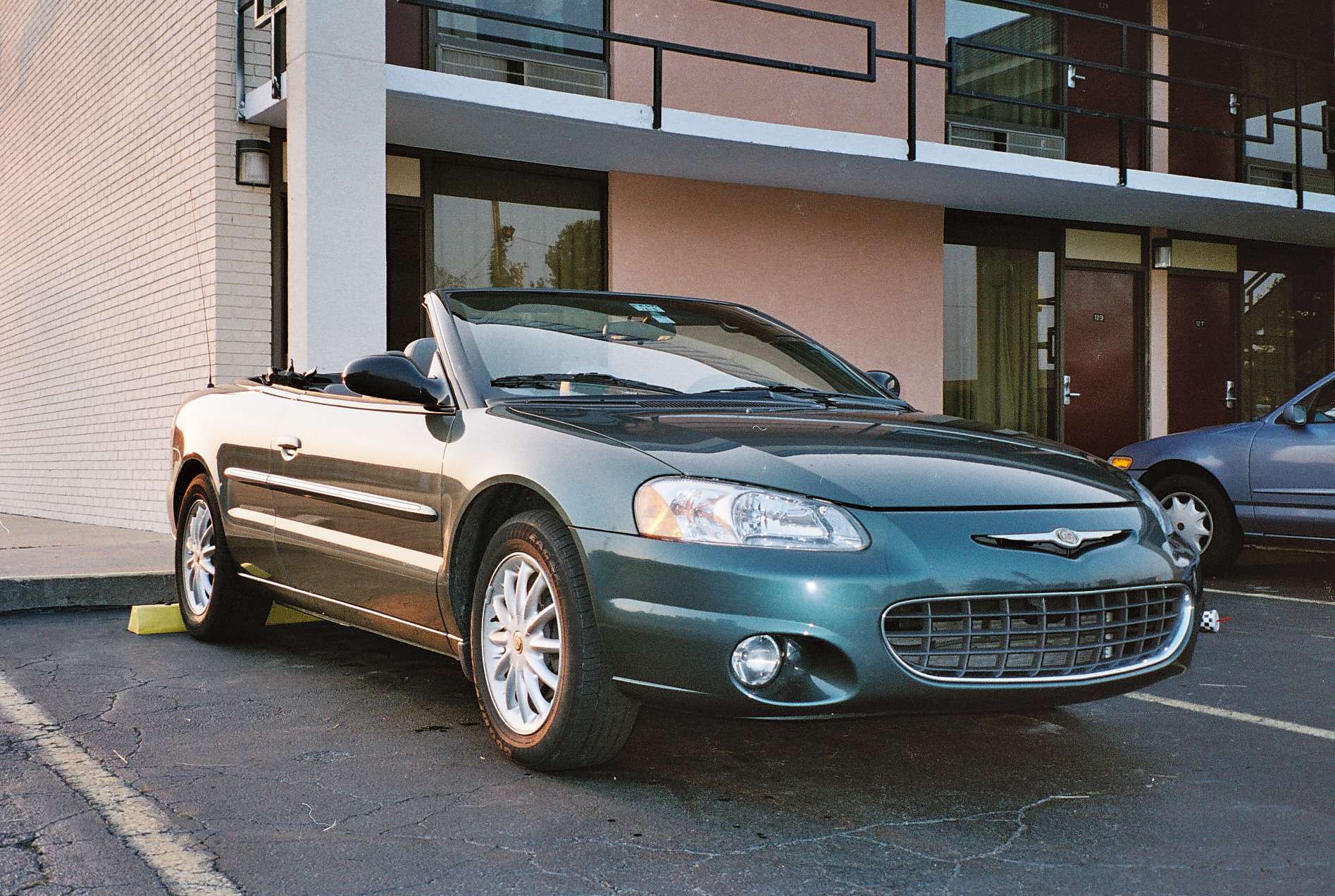
The Chrysler Sebring had two very different British lives. First came a tiny 2001–02 run of left-hand-drive V6 convertibles; later, from 2007, a right-hand-drive saloon and cabriolet range gave UK buyers a conspicuously American alternative to mainstream family cars.
Neither version sold in large numbers. That scarcity, together with the Sebring’s unusual styling and generous equipment, makes surviving UK cars more interesting than their modest values suggest.
The first UK Sebring: fifty convertibles
Chrysler brought just 50 second-generation Sebring Cabriolets to Britain in July 2001. They retained left-hand drive and cost £22,995, so the proposition was eccentric even before buyers considered the thirsty 2.7-litre V6. The engine produced about 200bhp and drove through a four-speed automatic. Period figures quoted 0–60mph in about 9.5 seconds and a 131mph maximum.
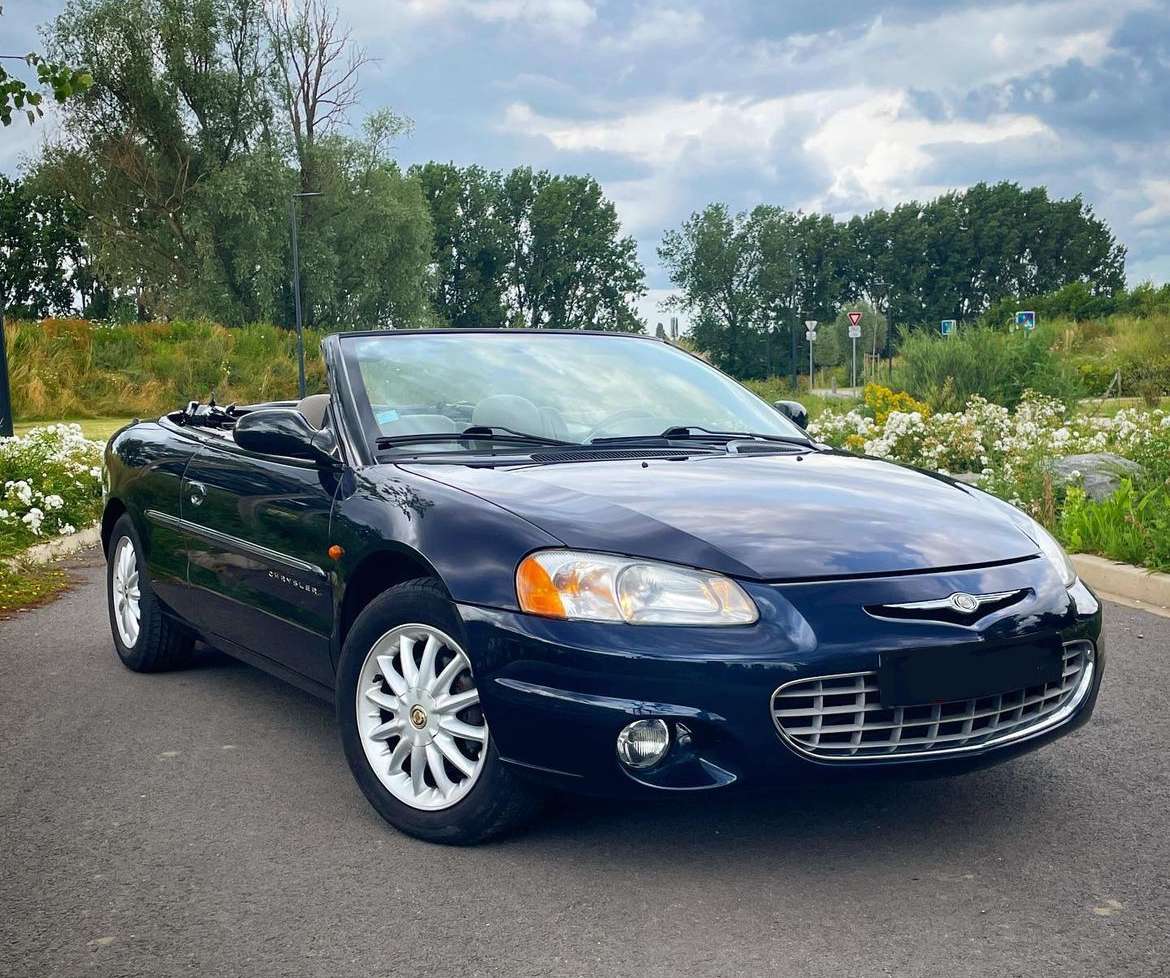
The formula was pure American boulevard cruiser: four usable seats, a power-operated fabric roof and relaxed performance rather than sports-car handling. Heavy discounting was needed to clear the small batch, but today those circumstances make an original UK-supplied car exceptionally unusual.
A proper UK range from 2007
The third-generation Sebring was developed as a global model and arrived in right-hand drive. The four-door saloon targeted Ford Mondeo and Vauxhall Vectra buyers with dramatic styling, a high equipment level and a 394-litre boot. Engines included a 2.0-litre petrol, a 2.4-litre petrol automatic and the most relevant UK choice, a Volkswagen-sourced 2.0 CRD diesel with around 140bhp and a six-speed manual gearbox.
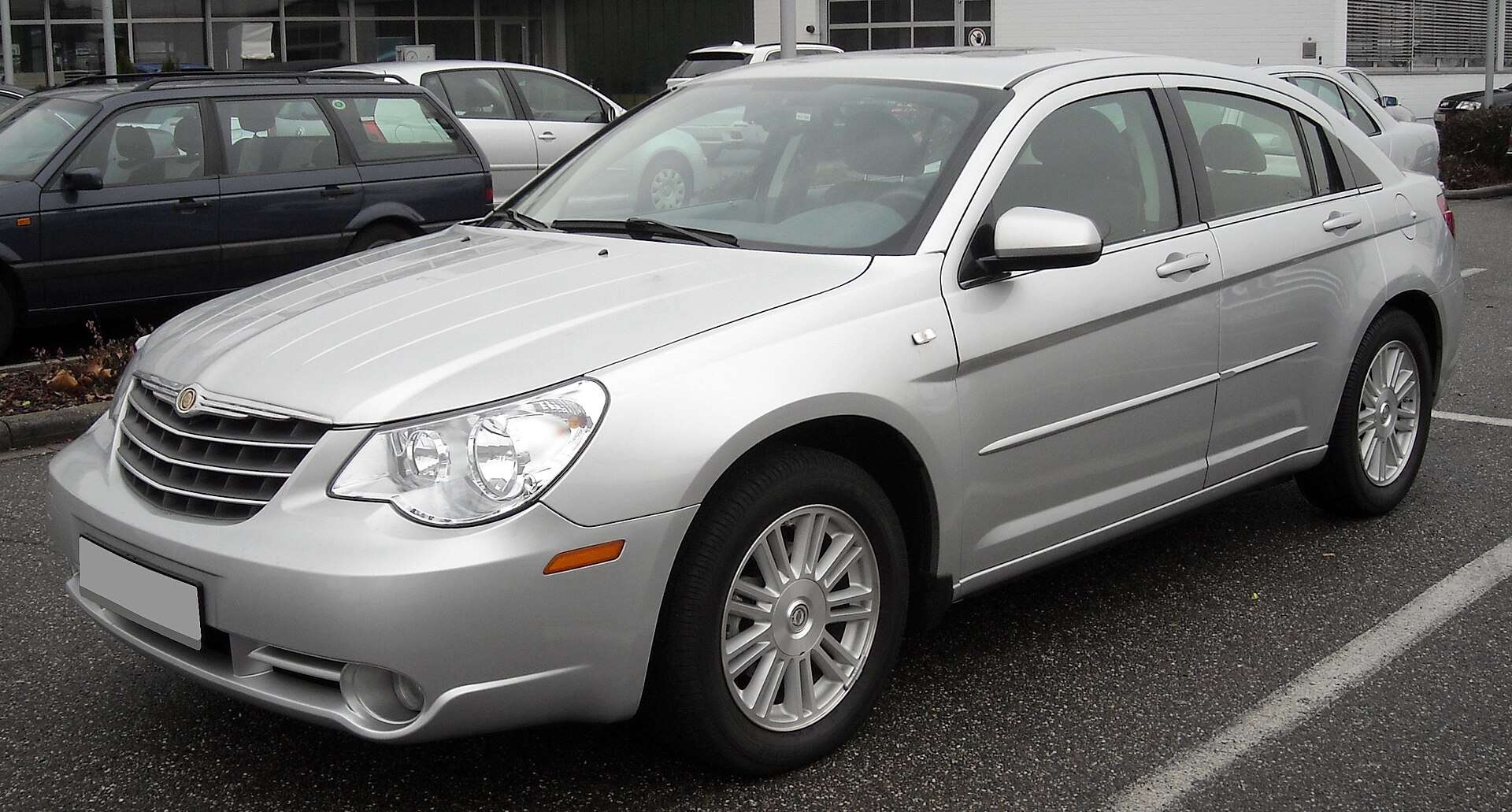
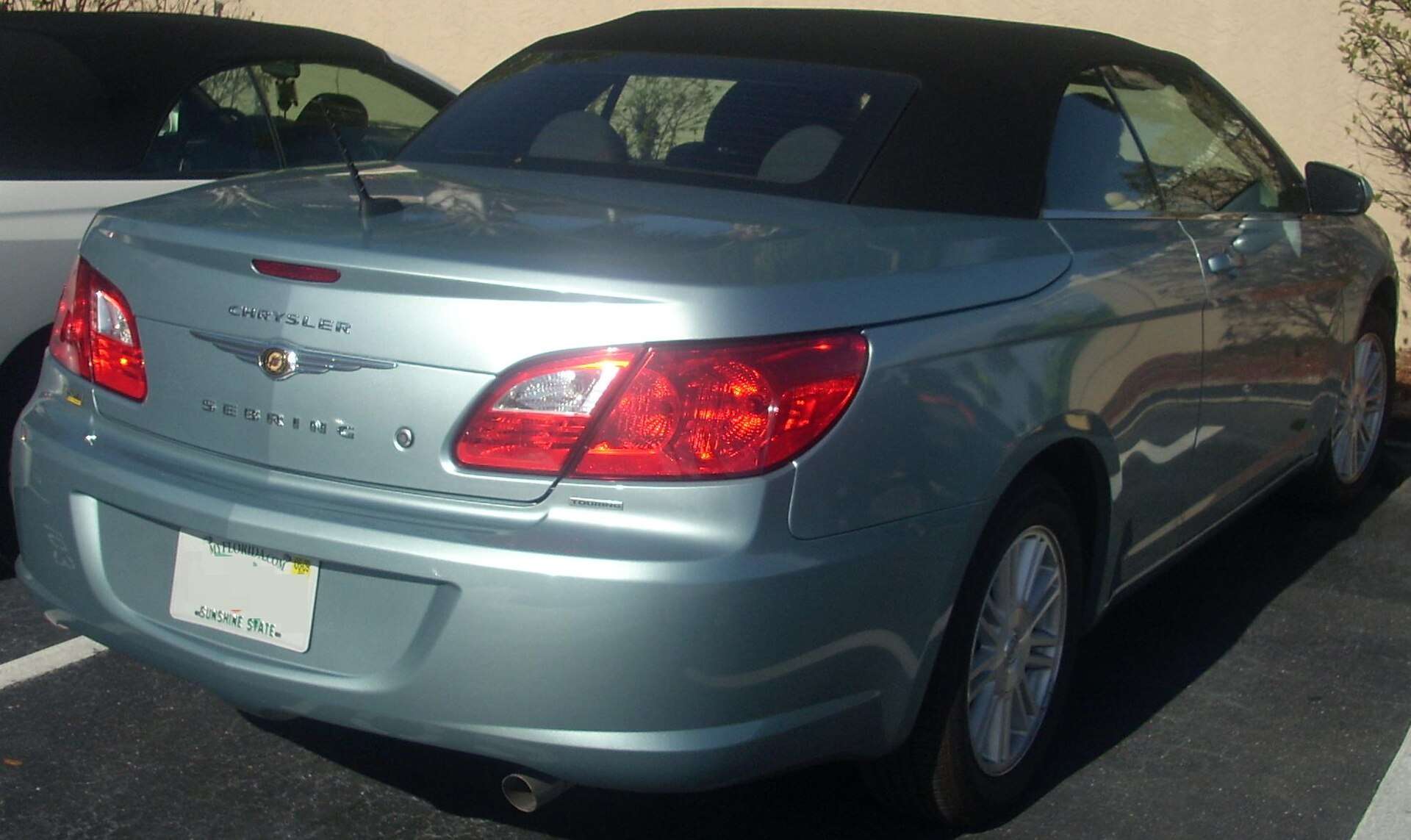
A new Sebring Cabriolet followed in 2008, giving British buyers a full-size four-seat convertible with a folding roof and a more modern cabin. It was not a dynamic class leader, but its rarity and laid-back character still set it apart from European rivals.
| UK version | Key details |
|---|---|
| 2001–02 Cabriolet | 2.7 V6, 200bhp, four-speed automatic, left-hand drive; 50 officially imported |
| 2007-on Saloon 2.0 CRD | VW-sourced 2.0 turbodiesel, about 140bhp, six-speed manual |
| 2007-on petrol saloons | 2.0 manual or 2.4 automatic, depending on trim |
| 2008-on Cabriolet | Four-seat convertible; petrol and diesel availability varied |
On the road
Early V6 convertibles are smooth and pleasant at an unhurried pace, with light controls and a supple ride. The later saloon feels more European, but contemporary road tests criticised body roll, vague steering, wind noise and the coarse diesel. The petrol cars are quieter, although performance is only adequate and economy can be disappointing.
That is missing the point slightly. The Sebring’s appeal lies in comfort, visual theatre and the sense of driving something genuinely different. It is better treated as a relaxed cruiser than a back-road weapon.
Buying guide
Choose the generation carefully
The 2001–02 left-hand-drive Cabriolet is a rarity purchase: check provenance, import records and parts availability. The later saloon is easier to use daily, while the 2008-on Cabriolet offers the most distinctive open-top experience. Avoid assuming that mechanical parts interchange across generations.
Diesel engine and clutch
On 2.0 CRD cars, listen for dual-mass flywheel rattle, check for smooth clutch take-up and look for evidence of cambelt replacement. Hesitation, smoke or limp-home behaviour can point to EGR, turbo-control or intake problems. Short-trip use is rarely kind to an older diesel.
Petrol engines and automatic gearboxes
Petrol cars should start cleanly and idle steadily. Check cooling systems, oil condition and service history. Automatics must select drive promptly and change smoothly both cold and hot; a neglected gearbox can turn a cheap car into an uneconomic project.
Roof, water and electrics
On convertibles, operate the roof repeatedly and inspect the seals, drainage paths, boot and carpets for moisture. Test windows, locks, climate control, seat functions and every warning lamp. Electrical faults are often more troublesome than the basic engine.
Suspension and body
Knocking suspension, uneven tyres and steering wander deserve investigation. Check panel gaps and roof alignment for accident damage. Inspect the underside, subframes, sills and wheelarches for corrosion, particularly on cars that have lived near the coast or sat unused.
Is a Sebring worth buying?
Yes—if rarity, comfort and American character matter more than sharp handling or strong resale values. The best car is the one with the clearest history and fewest unresolved faults, not necessarily the cheapest. An early Cabriolet is the collector’s choice; the later right-hand-drive cars are the practical entry point.
Love cars you don’t see every day?
Get forgotten cars, surprising motoring stories and the most interesting finds from Unusual Cars by email.
Free to join. No spam. Unsubscribe whenever you like. See our privacy policy.
Explore more unusual Chryslers
See the complete Chrysler collection on our Rare & Performance Chryslers hub.